
For the average moviegoer, the question of “how many calories are in cinema popcorn” is usually prompted by a moment of startling clarity at the concession stand. Seeing a four-digit number next to a tub of buttered kernels can induce immediate sticker shock—not just for the waistline, but for the wallet. However, from the perspective of business finance and corporate strategy, those calories represent the lifeblood of the modern theatrical exhibition industry.
To understand why a large popcorn contains upwards of 1,200 calories and costs nearly ten times its production value, one must look past the nutritional data and into the complex financial ecosystem of the cinema. In an era of streaming dominance and fluctuating box office returns, the high-calorie bucket of popcorn is not just a snack; it is the primary engine of profitability for the silver screen.

The Profit Margin Behind the Kernel: Why Calories Cost a Premium
The fundamental disconnect between the cost of a movie ticket and the cost of popcorn is the first lesson in cinema economics. While a ticket might cost $15, the theater owner often keeps less than half of that revenue, particularly during the opening weeks of a blockbuster when film distributors demand a significant cut. This necessitates a secondary revenue stream with much higher margins.
Wholesale Costs vs. Retail Premiums
At its core, popcorn is one of the most cost-effective commodities on the planet. A standard large bucket of cinema popcorn costs the theater approximately $0.15 to $0.25 to produce, including the kernels, the coconut oil, the “flavacol” seasoning, and the paper container. When sold for $8.00 or $9.00, the markup is astronomical—often exceeding 900%.
These massive margins are necessary to cover the high overhead of maintaining a theater: rent on massive footprints, electricity for projectors and climate control, and labor costs. When a consumer asks about the “calories” in that popcorn, they are essentially inquiring about a product designed to maximize volume and shelf-life at the lowest possible wholesale cost.
The “Anchor Product” Strategy
Popcorn serves as the “anchor product” for cinema finance. Unlike hot foods or specialized candies, popcorn can be made in bulk with minimal skilled labor. The high caloric density is a byproduct of the fats used to ensure the product stays fresh under heat lamps for hours. Financially, this allows for a “low-complexity, high-output” model that guarantees consistent cash flow regardless of which movie is playing on the screen.
Calorie Counting and the Bottom Line: Does Nutritional Transparency Hurt Profits?
In recent years, regulatory changes in various jurisdictions have mandated that theaters display calorie counts prominently on their menus. For an industry that thrives on the “experience economy”—where consumers are encouraged to indulge—this transparency presented a significant financial risk.
The Impact of Mandatory Calorie Labeling on Consumer Behavior
Initial fears within the cinema industry suggested that listing 1,200 calories for a large popcorn would lead to a “down-trading” effect, where consumers would opt for smaller sizes or skip the concession stand entirely. However, financial data from major chains like AMC and Cinemark suggests a different reality.
In the world of behavioral economics, cinema popcorn falls under “hedonic consumption.” When consumers enter a theater, they have already committed to a period of escapism. Studies on “choice architecture” indicate that while some consumers may initially be deterred by high calorie counts, the majority view the cinema as a “cheat day” or a special occasion where standard financial and nutritional rules are temporarily suspended. Consequently, the impact on the bottom line has been negligible, as the emotional value of the tradition outweighs the rational fear of the caloric intake.
Mitigating Revenue Loss through “Healthy” Upselling
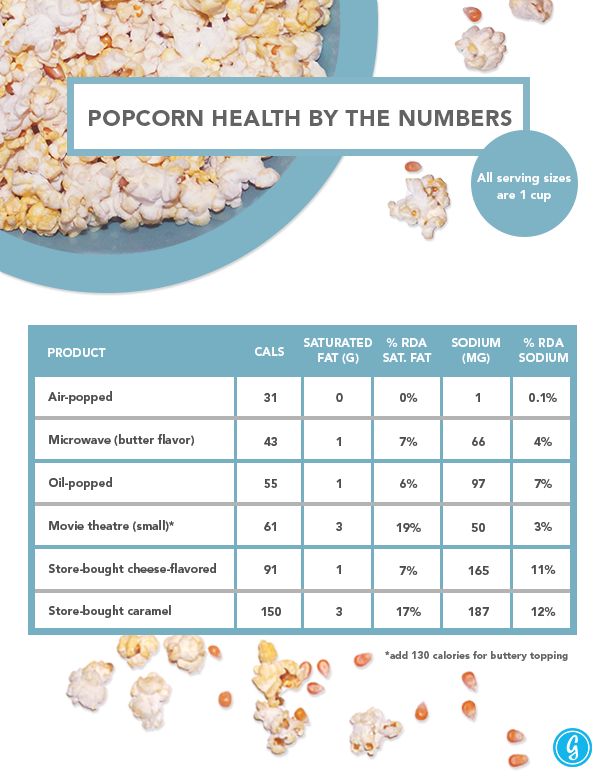
To hedge against the small percentage of health-conscious consumers who are deterred by the calorie counts, theaters have evolved their brand strategy to include “premium” healthy alternatives. By offering air-popped options, vegan seasonings, or smaller “snack packs” at a higher price point per ounce, theaters have successfully maintained their margins. This allows the business to capture revenue from a demographic that would have previously opted out of the concession experience altogether.
The Business of Bundling and Maximizing Per-Capita Spending
In the financial reporting of major theater chains, a key metric is “Concession Spend Per Capita.” This figure is often more important to investors than total ticket sales. To drive this number up, theaters utilize sophisticated psychological pricing models centered around the very product we are discussing.
The Decoy Effect in Popcorn Pricing
The pricing of cinema popcorn is a classic example of the “Decoy Effect.” Most theaters offer three sizes: Small ($6.50), Medium ($7.50), and Large ($8.00). When a consumer looks at these options, the Medium serves as the “decoy.” It is priced so close to the Large that the consumer perceives the Large as a bargain—despite the fact that the Large contains significantly more calories and costs the theater almost nothing extra to provide.
From a finance perspective, the goal is to nudge the consumer toward the highest price point. The fact that the Large bucket contains a day’s worth of calories is secondary to the fact that it extracts the maximum amount of liquidity from the customer’s wallet in a single transaction.
Maximizing Lifetime Value through Loyalty Programs
Modern cinema finance has moved toward digital integration. Loyalty programs (like AMC Stubs or Regal Crown Club) use data on a customer’s popcorn purchases to send targeted promotions. If a customer frequently buys a large popcorn, the system might offer a “free upgrade” or a “discount on a second bucket.” While this might seem like a loss-leader, it ensures the customer remains within the theater’s ecosystem rather than turning to home streaming, where the theater captures 0% of the food and beverage revenue.
Beyond the Kernel: The Future of High-Margin Concessions
As the industry faces pressure from high-quality home theater setups, the financial model of the cinema is shifting toward “Luxury Dining.” This transition changes the conversation from “calories in popcorn” to “revenue per square foot.”
Premium Dining and the “Cinema-Eatery” Model
Many modern theaters are rebranding as “Cinema-Eateries,” offering full menus including burgers, pizzas, and craft cocktails. Financially, this is a move to diversify revenue. While popcorn remains the margin king, a full-service kitchen allows for a higher “Average Transaction Value” (ATV). A customer might spend $40 on dinner and drinks inside the theater, far exceeding the $15 spent on a traditional popcorn and soda combo.
However, the “popcorn model” remains the gold standard for efficiency. A kitchen requires chefs, waitstaff, and high utility costs. Popcorn requires one person and a heat lamp. For this reason, even the most high-end luxury cinemas continue to push popcorn as their primary profit driver.
The Role of Alcohol in Increasing Margins
Perhaps the most significant shift in cinema business finance over the last decade has been the widespread adoption of alcohol sales. Alcohol provides margins similar to popcorn but requires even less preparation. Furthermore, the high salt content in cinema popcorn (the “calories” that come from sodium and fats) serves a dual financial purpose: it induces thirst, driving higher-margin beverage and alcohol sales. This creates a “synergistic revenue loop” where one high-margin product naturally stimulates the demand for another.

Conclusion: The High Cost of the “Free” Movie
When we analyze how many calories are in cinema popcorn, we are really looking at the fuel that keeps the film industry running. If theaters sold popcorn at a price reflective of its nutritional value or its wholesale cost, the price of a movie ticket would likely need to triple to maintain the same level of corporate solvency.
The “calorie-dense” nature of cinema concessions is a deliberate feature of a business model designed to survive in a low-margin retail environment. For the investor and the business owner, every kernel is a piece of a larger financial puzzle—one that relies on the consumer’s willingness to trade health and small amounts of capital for a few hours of cinematic immersion. As the industry continues to evolve, the bucket of popcorn will remain its most stable financial asset, proving that in the world of business, sometimes the simplest products yield the most complex and rewarding returns.
aViewFromTheCave is a participant in the Amazon Services LLC Associates Program, an affiliate advertising program designed to provide a means for sites to earn advertising fees by advertising and linking to Amazon.com. Amazon, the Amazon logo, AmazonSupply, and the AmazonSupply logo are trademarks of Amazon.com, Inc. or its affiliates. As an Amazon Associate we earn affiliate commissions from qualifying purchases.