
The landscape of home entertainment has undergone a seismic shift over the last decade. As the “Streaming Wars” continue to escalate and subscription fatigue sets in, a significant segment of the tech-savvy population is looking backward and forward simultaneously to find high-quality content without a monthly bill. Accessing free TV in the modern era is no longer about grainy signals or illegal pirating; it is a sophisticated technological endeavor involving high-end hardware, cloud-based software, and the strategic use of digital ecosystems.
This guide explores the technical methodologies for securing free television, ranging from the resurgence of Over-the-Air (OTA) hardware to the complex architecture of Free Ad-supported Streaming TV (FAST) platforms.

The Modern Revival of Over-the-Air (OTA) Hardware
The most reliable and technologically “pure” way to access free TV remains Over-the-Air (OTA) broadcasting. While many associate antennas with the analog rabbit ears of the 20th century, modern OTA technology is a high-definition, digital powerhouse.
The Digital Antenna Revolution and ATSC 3.0
Modern antennas are engineered to capture digital signals rather than analog waves. The current standard, ATSC 1.0, allows for 1080i or 720p high-definition broadcasts. However, the tech community is currently transitioning to ATSC 3.0, also known as “NextGen TV.”
ATSC 3.0 is a major leap forward, utilizing an IP-based backbone (the same language as the internet) to deliver 4K UHD resolution, High Dynamic Range (HDR), and even immersive audio like Dolby Atmos. From a technical standpoint, NextGen TV allows for better signal penetration through walls and more efficient use of the spectrum. To access this, users need a compatible tuner or an external converter box. Investing in a high-gain, multi-directional antenna is the first step in a “free TV” tech stack, allowing the user to pull uncompressed signals from local towers that often look better than the compressed streams found on paid cable.
Integrating Network Tuners with Smart Home Ecosystems
For those who want free TV but dislike the idea of running coaxial cables to every room, the solution lies in network-attached tuners. Devices like the HDHomeRun or Tablo act as a bridge between the antenna and the home network.
The hardware takes the raw RF signal from the antenna, transcodes it if necessary, and broadcasts it over your local Wi-Fi or Ethernet. This allows users to watch “live” antenna TV on their tablets, smartphones, or smart TVs via a dedicated app. This integration transforms a static hardware setup into a flexible, software-driven experience, enabling features like Whole-Home DVR (Digital Video Recording) where one antenna serves every screen in the house simultaneously.
Navigating the FAST (Free Ad-supported Streaming TV) Ecosystem
While hardware captures local broadcasts, software-driven platforms provide the bulk of “cable-like” variety without the cost. This sector is known as FAST (Free Ad-supported Streaming TV). Unlike on-demand services like Netflix, FAST channels mimic the traditional linear TV experience, providing a continuous stream of content.
The Rise of Platform-Specific Software: Samsung TV Plus and LG Channels
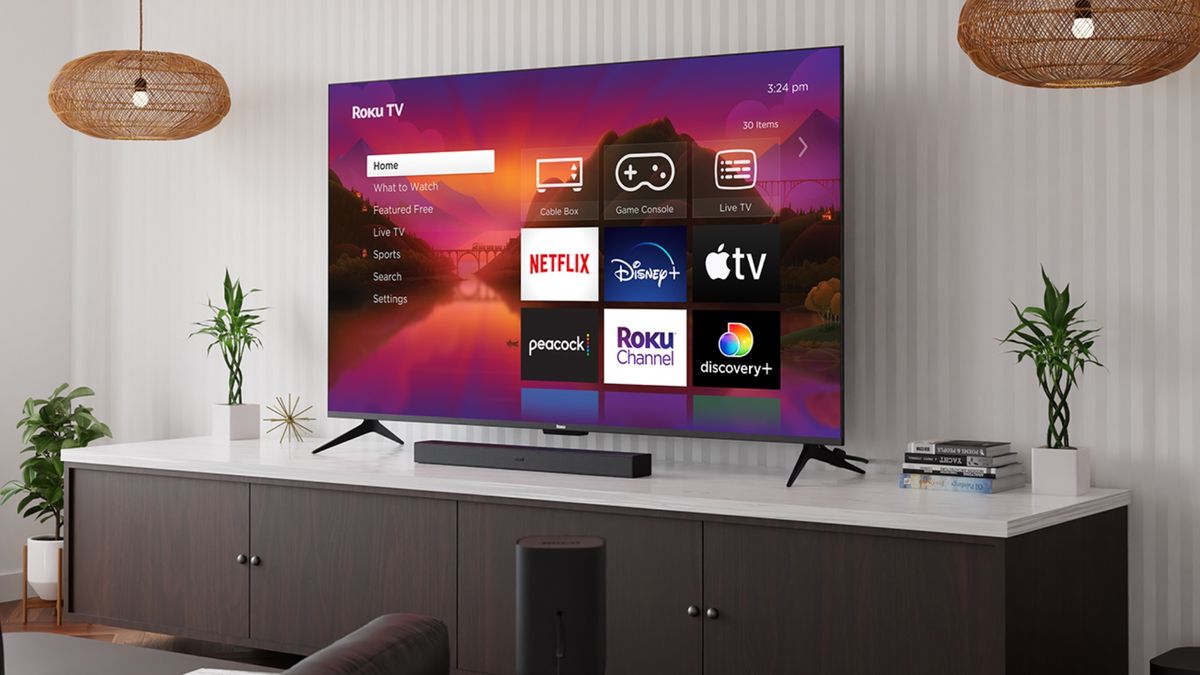
If you own a modern Smart TV, you likely already have access to a massive library of free TV built directly into the operating system (OS). Manufacturers like Samsung, LG, and Vizio have developed proprietary software layers—Samsung TV Plus, LG Channels, and WatchFree+, respectively.
These platforms are integrated into the TV’s middleware. From a technical perspective, these services aggregate hundreds of IP-delivered streams into a single Electronic Program Guide (EPG). The TV’s processor handles the stream switching and metadata rendering, providing a seamless experience that requires no extra hardware or registration. These platforms are funded by sophisticated ad-insertion technology, which delivers targeted commercials via the internet while the content remains free to the end-user.
Independent Aggregators: Pluto TV, Tubi, and Plex
Beyond manufacturer-specific software, independent apps offer some of the most robust free TV experiences available.
- Pluto TV: Owned by Paramount, this service uses a sophisticated “virtual headend” to curate thousands of hours of content into linear channels.
- Tubi: Utilizing a massive VOD (Video on Demand) backend, Tubi focuses on high-quality library content. Its recommendation engine is often praised for its “deep learning” capabilities, which surface niche content based on user metadata.
- Plex: Originally a tool for managing personal media servers, Plex has evolved into a powerhouse for free TV. It integrates OTA signals (via hardware tuners) and FAST channels into a unified, highly customizable interface. For the power user, Plex represents the pinnacle of free TV management, allowing for the merging of local hardware and cloud-based software.
Leveraging Network-Specific Portals and Open-Web Standards
Many users overlook the most direct source of free content: the broadcasters themselves. Major networks (NBC, ABC, CBS, PBS) and niche cable brands utilize web-based technologies to provide free access to their catalogs.
The “Freemium” Model of Digital Broadcasters
Most major networks offer a “freemium” digital app. While “locked” content usually requires a cable login, many networks offer a rotating selection of recent episodes and live news for free.
Technically, these apps rely on HLS (HTTP Live Streaming) protocols to deliver adaptive bitrate streams. This ensures that even if your home network is congested, the app will adjust the resolution to prevent buffering. For those who prioritize educational content, the PBS app is a standout, offering a vast library of high-quality documentaries and news funded by public grants and donations rather than commercial subscriptions.
Browser-Based Viewing and Casting Technologies
For content not available in a dedicated app, the open web remains a vital resource. Most networks host full episodes on their official websites. Utilizing a PC or a dedicated “HTPC” (Home Theater PC) connected to a television allows for a more versatile viewing experience.
Furthermore, technologies like Google Cast and Apple AirPlay 2 allow users to “hand off” a stream from a mobile browser to a TV. This bypasses the limitations of smart TV app stores. From a technical standpoint, casting is not just “mirroring” your screen; it sends the URL of the video stream to the TV’s receiver, which then pulls the data directly from the server, preserving battery life on the mobile device and ensuring maximum resolution.
Optimizing Your Tech Setup for Quality and Security
Transitioning to a free TV model requires more than just downloading apps. To ensure a high-definition, stutter-free experience, one must optimize the underlying digital infrastructure.
Bandwidth Management and Wi-Fi 6
Free streaming services often use ad-tech that can be more bandwidth-intensive than standard streaming. When a FAST app switches from a content stream to an ad stream, there is often a “handshake” between different servers. To ensure this transition is seamless, a robust home network is essential.
Upgrading to Wi-Fi 6 (802.11ax) or a wired Ethernet backhaul is highly recommended for 4K OTA tuners or high-bitrate FAST streams. Wi-Fi 6 features “Target Wake Time” and “OFDMA,” which allow the router to communicate with multiple devices (TVs, phones, smart home gadgets) more efficiently, reducing the latency that can cause “free” streams to lag or drop in quality.
Digital Security: VPNs and Ad-Tracking
When using “free” services, you are often the product. These apps track viewing habits to serve targeted advertisements. For the privacy-conscious tech user, implementing a VPN (Virtual Private Network) at the router level can help mask your IP address and location from third-party aggregators.
However, a technical trade-off exists: some streaming apps (like Tubi or Pluto TV) are geo-fenced. A VPN can be used to access free content available in other regions (such as the BBC iPlayer in the UK), but it may also trigger “service blocked” errors on local apps. Additionally, using a DNS-level ad-blocker like Pi-hole or NextDNS can clean up the interface of many free TV websites, though it may occasionally break the video player if the ad-insertion script is required for the video to load. Finding the right balance between privacy and functionality is the final step in mastering the “Free TV” ecosystem.
Conclusion
Getting free TV in the current technological climate is an exercise in utilizing the best of both local hardware and global software. By combining a high-gain ATSC 3.0 antenna with a network tuner and a suite of FAST aggregators, any user can replicate the “cable” experience without the associated costs. The key lies in understanding the technical protocols—from HLS streaming to RF signal propagation—and optimizing your digital environment to handle the influx of data. As the tech continues to evolve, the barrier between “paid” and “free” content will only continue to blur, rewarding those who know how to navigate the digital landscape.
aViewFromTheCave is a participant in the Amazon Services LLC Associates Program, an affiliate advertising program designed to provide a means for sites to earn advertising fees by advertising and linking to Amazon.com. Amazon, the Amazon logo, AmazonSupply, and the AmazonSupply logo are trademarks of Amazon.com, Inc. or its affiliates. As an Amazon Associate we earn affiliate commissions from qualifying purchases.