
The shift from linear, hardware-dependent cable television to Internet Protocol-based streaming has fundamentally altered the media landscape. Leading this technological revolution is YouTube TV, a cornerstone of the “Over-the-Top” (OTT) industry. Unlike traditional cable, which relies on proprietary set-top boxes and physical coaxial infrastructure, YouTube TV leverages Google’s robust server architecture to deliver high-definition live content directly to consumers.
When users ask “what channels do I get with YouTube TV,” they are essentially asking about the software’s ability to aggregate disparate content streams into a unified, user-friendly interface. This article explores the comprehensive channel lineup, the technical features that differentiate the service, and how the platform integrates into the modern digital lifestyle.
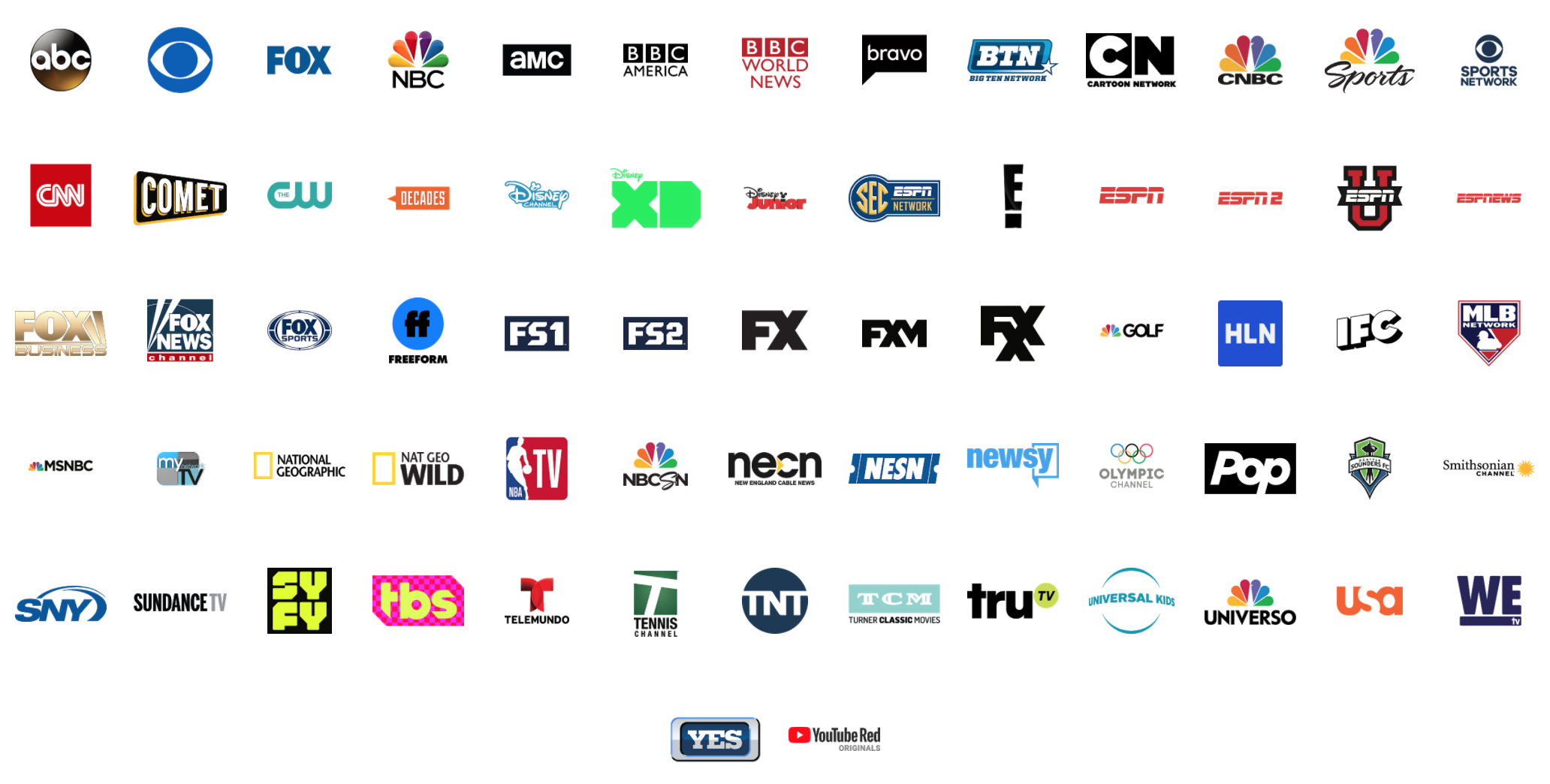
The Core Channel Lineup: A Software-Based Evolution of Cable
At its heart, YouTube TV is designed to replicate the “fat bundle” of traditional cable but through a more efficient, cloud-based delivery system. The base plan typically includes over 100 channels, though the specific availability is determined by the user’s geographic location—a feat managed by sophisticated IP geolocation and digital rights management (DRM) technologies.
Local Broadcast and National News Networks
One of the primary technical hurdles for streaming services has been the delivery of local broadcast networks. YouTube TV addresses this by partnering with local affiliates for ABC, CBS, FOX, and NBC. Through the app’s location-sensing capabilities, users receive the exact local news and weather pertinent to their zip code.
On a national level, the platform integrates major news hubs including CNN, MSNBC, FOX News, and BBC World News. The technology allows for seamless switching between these high-bitrate live streams, offering a “channel surfing” experience that rivals the speed of traditional hardware.
The Sports Hub: High-Bandwidth Live Content
For many tech-savvy consumers, live sports remain the final tether to traditional cable. YouTube TV incorporates essential sports infrastructure, including ESPN, ESPN2, FS1, FS2, and the Big Ten Network. From a technical perspective, YouTube TV has optimized its delivery for sports by offering “Multi-view” features, allowing users to stream up to four different games simultaneously on a single screen—a processing feat that demonstrates the power of cloud-side video compositing.
Entertainment and Lifestyle Integration
The platform offers a vast array of entertainment channels such as TNT, TBS, AMC, FX, and USA Network. For lifestyle content, users have access to the Discovery networks (HGTV, Food Network) and Disney-owned properties. The backend of the YouTube TV app uses advanced metadata to categorize this content, making it easier for users to search for specific episodes or genres across the entire live and on-demand library.
Navigating Add-ons and Technical Customization
One of the greatest advantages of a software-defined television service is modularity. Users are not locked into a static package; instead, they can modify their digital subscription in real-time through the account management interface.
Premium Network Integration
YouTube TV acts as a centralized portal for premium networks. Instead of managing separate logins for Max (formerly HBO Max), Showtime, or Starz, users can integrate these channels directly into the YouTube TV Electronic Programming Guide (EPG). Technically, this is achieved through API integrations that allow third-party content to be served through the YouTube TV player, maintaining a consistent UI/UX.
The 4K Plus Expansion Pack
For users with high-end hardware, the 4K Plus add-on is a significant technological upgrade. This feature unlocks 4K Ultra High Definition (UHD) streams for select live and on-demand content. Beyond resolution, the 4K Plus pack introduces “offline viewing,” allowing users to download DVR recordings to mobile devices—a complex process involving temporary licensing keys and localized data storage.

Sports Plus and Niche Technical Content
For enthusiasts, the Sports Plus bundle adds niche networks like NFL RedZone, beIN SPORTS, and Billiard TV. This demonstrates the scalability of the platform; adding these channels doesn’t require a technician to visit a home or install new filters on a cable line. It is simply a matter of the software updating the user’s “entitlements” in the database, granting instant access to the additional streams.
The Technology Behind the Viewing Experience
The value of YouTube TV’s channel lineup is enhanced by the proprietary features built into the application. These tools use machine learning and cloud computing to provide a level of functionality that traditional cable cannot match.
Unlimited Cloud DVR
Perhaps the most significant tech feature of YouTube TV is the Cloud DVR. Unlike physical DVRs with limited hard drive space, YouTube TV offers unlimited storage. When a user “adds” a show to their library, they aren’t actually recording a file to a local device. Instead, the system flags that content in the cloud. This allows for simultaneous recordings of an infinite number of programs, accessible from any device connected to the user’s account.
AI-Driven Recommendations and Search
Leveraging Google’s search DNA, YouTube TV features a powerful search engine that can index live TV, upcoming programs, and on-demand content. The “Home” tab uses AI algorithms to analyze viewing habits, suggesting channels and shows based on the time of day and the device being used. If a user frequently watches news in the morning on their phone but movies at night on their TV, the interface dynamically adjusts to prioritize those streams.
Multi-User Profiles and Family Sharing
A single YouTube TV subscription allows for up to six individual profiles. Each profile is tied to a specific Google Account, meaning each family member gets their own personalized EPG, recommendations, and DVR library. This multi-tenant architecture ensures that one person’s viewing habits do not interfere with another’s, providing a customized software experience for every individual in the household.
Device Ecosystem and Compatibility
A streaming service is only as good as the hardware it runs on. YouTube TV’s engineering team ensures that the app is optimized for a vast array of hardware architectures, from low-power streaming sticks to high-performance gaming consoles.
Smart TVs and Streaming Sticks
YouTube TV is natively available on major smart TV platforms, including Samsung (Tizen), LG (webOS), and Vizio (SmartCast). Furthermore, it is a flagship application on Google TV and Android TV devices. The app is also highly optimized for third-party hardware like Roku, Amazon Fire TV, and Apple TV, where it utilizes each platform’s specific video decoders to ensure low-latency playback and minimal buffering.
Mobile and Desktop Accessibility
For the mobile professional, YouTube TV offers a robust experience on iOS and Android. The mobile app supports features like “Picture-in-Picture” (PiP), allowing users to monitor a news broadcast or a ballgame while answering emails or browsing the web. On the desktop, the service runs through any modern HTML5-compliant browser, utilizing Adaptive Bitrate Streaming (ABR) to adjust the video quality in real-time based on the user’s internet speed.
Integration with the Smart Home
As part of the broader Google ecosystem, YouTube TV integrates seamlessly with smart home technology. Users can use voice commands via Google Assistant to “Play ESPN on the Living Room TV.” This cross-device communication is handled through the Google Home Graph, which maps the user’s devices and services into a controllable digital environment.

Conclusion: The Future of Live TV Technology
When evaluating “what channels do I get with YouTube TV,” it is clear that the answer involves much more than a simple list of networks. It is an inquiry into a sophisticated piece of software that has successfully digitized the traditional television experience.
By combining a robust lineup of over 100 channels with cutting-edge features like unlimited cloud DVR, 4K streaming, and AI-driven personalization, YouTube TV represents the pinnacle of current streaming technology. As internet infrastructure continues to improve with the rollout of 5G and fiber optics, the platform is well-positioned to continue its trajectory as a dominant force in the digital entertainment landscape, proving that the “future of TV” is not in the wires in our walls, but in the code in the cloud.
aViewFromTheCave is a participant in the Amazon Services LLC Associates Program, an affiliate advertising program designed to provide a means for sites to earn advertising fees by advertising and linking to Amazon.com. Amazon, the Amazon logo, AmazonSupply, and the AmazonSupply logo are trademarks of Amazon.com, Inc. or its affiliates. As an Amazon Associate we earn affiliate commissions from qualifying purchases.