
In today’s rapidly evolving financial landscape, digital payment platforms like Venmo have become indispensable tools for managing personal finances, splitting expenses, and facilitating peer-to-peer transactions. Understanding how to effectively and securely fund your Venmo account is crucial for harnessing its full potential as a financial utility. This guide delves into the various methods of transferring money to Venmo, offering insights into financial best practices, potential costs, and security considerations to empower users with confident and informed financial decisions. Whether you’re a casual user looking to split a dinner bill or someone integrating Venmo into their broader personal finance strategy, mastering its funding mechanisms is the first step towards seamless digital money management.

Understanding Venmo’s Role in Personal Finance
Venmo has transcended its initial function as a simple peer-to-peer payment app to become a significant player in the realm of personal financial management. Its integration into daily spending habits reflects a broader shift towards digital solutions for handling money. Recognizing Venmo not just as an app, but as a financial tool, is key to leveraging its capabilities wisely.
What is Venmo and Why It Matters for Your Money
At its core, Venmo is a mobile payment service that allows users to send and receive money with friends, family, and even certain businesses. Its primary appeal lies in its convenience and social integration, making it effortless to split costs for meals, rent, or utilities without needing physical cash or complex bank transfers. From a financial perspective, Venmo provides a digital wallet that can hold a balance, acting as an intermediary for transactions. This matters because it offers an alternative to traditional banking for smaller, frequent transactions, enabling quicker settlements and easier tracking of specific spending categories. For many, it acts as an extension of their checking account, facilitating a fluid movement of funds in a digital-first world.
Venmo’s Place in Your Digital Financial Ecosystem
Integrating Venmo into your personal financial ecosystem requires a holistic approach. It’s more than just an app; it’s a component that interacts with your bank accounts, debit cards, and potentially even credit cards. Understanding its connectivity helps in optimizing its use. For instance, linking your primary checking account securely ensures a smooth flow of funds for deposits and withdrawals. By centralizing certain casual expenditures through Venmo, you can potentially streamline budgeting for social activities or shared expenses. Moreover, Venmo’s features, like direct deposit for paychecks or stimulus funds, further solidify its position as a versatile financial tool, allowing users to manage a portion of their income directly within the platform. However, it’s vital to view Venmo as one tool among many in your financial arsenal, understanding its strengths and limitations compared to traditional banking or investment platforms.
Primary Methods for Adding Funds to Your Venmo Balance
Funding your Venmo account is straightforward, but understanding each method’s nuances, particularly regarding speed, fees, and security, is crucial for effective money management. Each approach caters to different financial needs and preferences.
Linking a Bank Account: The Foundation of Venmo Transfers
The most common and financially sound method to transfer money to Venmo is by linking your bank account. This process typically involves a secure verification step, often through micro-deposits or instant bank login services, to confirm ownership. Once linked, you can initiate transfers directly from your bank account to your Venmo balance. These transfers are generally free but follow standard Automated Clearing House (ACH) timelines, meaning funds usually arrive within 1-3 business days. This method is ideal for recurring additions to your Venmo balance or for larger sums where immediacy isn’t the primary concern. From a financial planning perspective, using a linked bank account provides a clear audit trail and minimizes immediate transaction costs, making it a responsible choice for most users.
Using a Debit Card for Instant Deposits
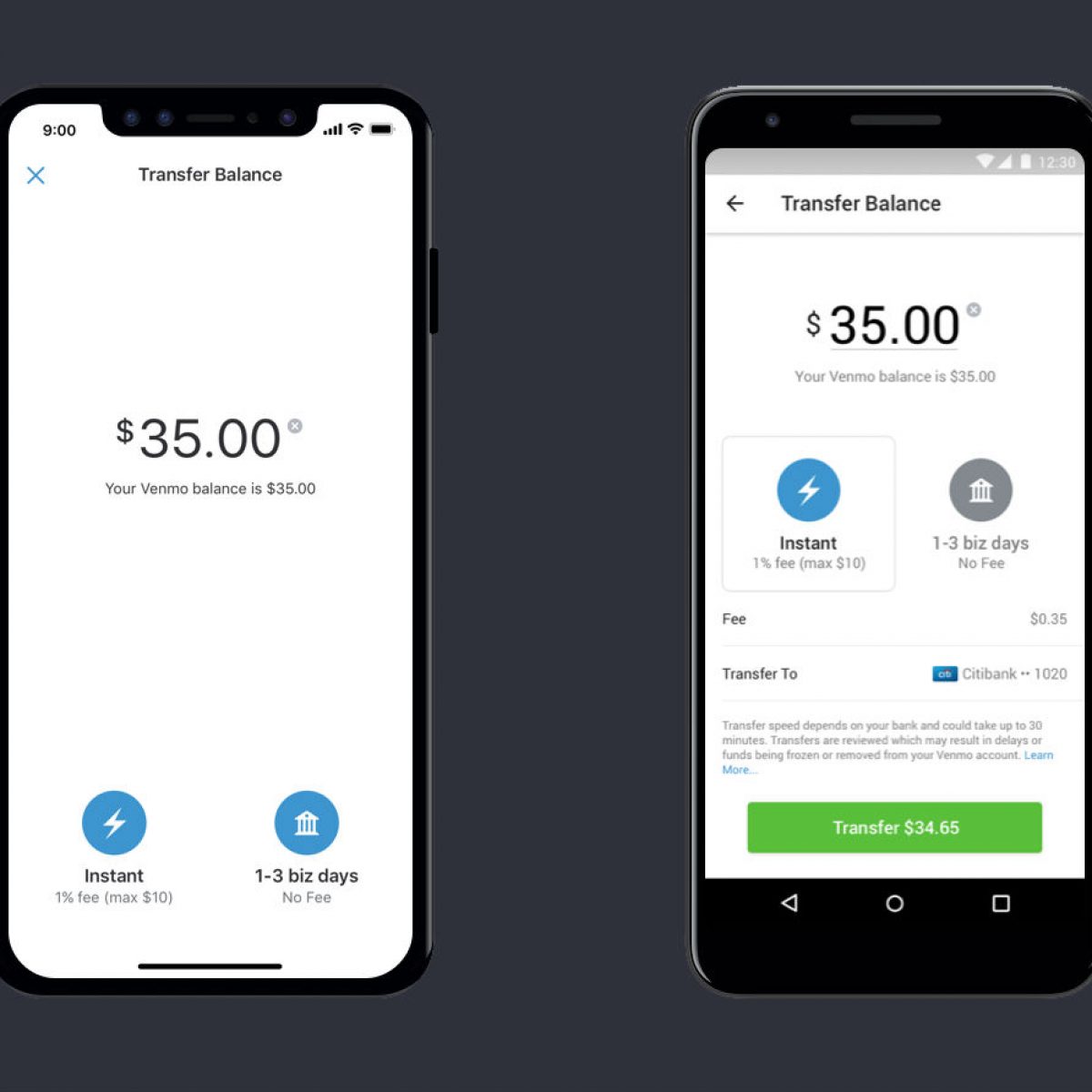
For situations requiring immediate funds, Venmo offers the option to add money instantly using a linked debit card. While convenient, this speed comes with a financial consideration: Venmo typically charges a small fee (e.g., 1.75%, with a minimum of $0.25 and a maximum of $25.00) for instant transfers from a debit card. This fee is deducted from the transferred amount, meaning you receive slightly less than what you intended to deposit. Financially, it’s important to weigh the cost of the instant transfer against the urgency of the need. For small, infrequent instant deposits, the fee might be negligible, but for larger or frequent instant deposits, these fees can accumulate, impacting your overall spending power. Always assess the necessity of an instant transfer versus waiting for a free, standard bank transfer.
Receiving Money from Other Venmo Users
Perhaps the most organic way money enters a Venmo account is through direct payments from other users. When a friend pays you back for a shared expense, the funds automatically appear in your Venmo balance. This peer-to-peer functionality is a cornerstone of Venmo’s appeal and typically incurs no fees for sending or receiving money. This method highlights Venmo’s utility in social finance, enabling quick and frictionless settlements among individuals. From a personal finance standpoint, receiving money this way can be seen as an immediate reimbursement that bypasses traditional banking delays, allowing for faster reallocation of funds or settlement of personal debts. It’s an efficient way to manage shared costs and keep track of who owes whom.
Alternative Funding Methods: Direct Deposit and Check Cashing
Beyond standard bank and debit card transfers, Venmo has expanded its financial offerings to include features like direct deposit and mobile check cashing. Direct deposit allows users to receive their paychecks or government benefits directly into their Venmo account using an account and routing number provided by Venmo. This option caters to users who might prefer to manage a portion of their income through the app, offering quick access to funds. Mobile check cashing, facilitated by a third-party service, allows users to deposit paper checks by taking a photo through the app. While convenient, this service often comes with fees, especially for instant access to funds, similar to instant debit card transfers. These alternative methods demonstrate Venmo’s ambition to become a more comprehensive financial tool, offering diverse pathways for users to fund their accounts and manage their money.
Optimizing Your Venmo Experience for Financial Efficiency
Maximizing the financial benefits of using Venmo goes beyond simply transferring money. It involves understanding its limits, safeguarding your funds, and integrating it strategically into your broader financial plan.
Managing Transaction Limits and Fees
Every financial tool comes with its own set of rules and costs, and Venmo is no exception. Understanding transaction limits – how much you can send, receive, or transfer out – is crucial for seamless financial operations. Venmo imposes weekly rolling limits for different transaction types, which can vary based on your account’s verification status. Exceeding these limits can lead to delays or denied transactions, impacting your ability to manage your money effectively. Furthermore, being mindful of fees, especially for instant transfers from debit cards or instant cash-outs to your bank, is paramount. These small percentages can add up, eroding your funds over time. Savvy financial users plan their transfers to align with free options when possible, only opting for paid instant services when absolutely necessary. Regularly reviewing Venmo’s fee structure and limits ensures you’re making cost-effective financial decisions.
Best Practices for Secure Money Transfers
Security is paramount when dealing with digital money. While Venmo employs robust security measures, users play a vital role in protecting their funds. Always use strong, unique passwords and enable multi-factor authentication (MFA) to prevent unauthorized access. Be cautious of phishing attempts and suspicious links that aim to compromise your account credentials. When sending money, double-check the recipient’s username to avoid sending funds to the wrong person – Venmo payments are typically irreversible. Treat your Venmo balance as you would any other bank account, monitoring transactions regularly for any unusual activity. Understanding that Venmo transactions are generally not FDIC-insured (unless funds are held in a specific partner bank program) emphasizes the importance of promptly transferring significant balances out of Venmo to a traditional bank account for enhanced protection. These practices are fundamental to maintaining financial integrity and peace of mind.
Integrating Venmo with Your Personal Finance Strategy
For many, Venmo is a tool for convenience, but it can also be strategically integrated into a broader personal finance plan. For those who frequently split expenses, Venmo can serve as a tracking mechanism for shared costs. Regularly reconciling your Venmo transactions against your budget helps provide a clearer picture of your spending, especially in social categories. Consider using Venmo for specific budgeting categories, such as “entertainment” or “dining out,” to keep these expenses separate from your main banking activities. If you use Venmo’s direct deposit feature, factor that income into your overall budgeting. However, it’s also wise to avoid holding large sums in your Venmo balance for extended periods, as these funds might not accrue interest like a savings account, representing a missed opportunity for wealth growth. Thoughtful integration ensures Venmo supports, rather than complicates, your financial goals.
Troubleshooting Common Venmo Funding Issues
Even with careful planning, issues can arise during money transfers. Knowing how to troubleshoot common problems ensures minimal disruption to your financial activities.
Addressing Delayed Transfers and Pending Transactions
One of the most frequent concerns users face is a delayed transfer or a transaction stuck in “pending” status. Standard bank transfers to and from Venmo can take 1-3 business days due to ACH processing times; weekends and holidays can extend these periods. If a transfer is delayed beyond this typical window, first check your bank statement to ensure the funds have actually left your bank account. Then, verify the status within the Venmo app under your transaction history. Sometimes, a pending status might indicate a review by Venmo for security reasons. If delays persist without clear explanation, contacting Venmo support with transaction details is the next logical step. Patience, combined with proactive monitoring, is key to resolving these financial ambiguities.
Resolving Bank Account or Card Linkage Problems
Linking financial accounts to Venmo is usually straightforward, but occasional issues can occur. Problems might stem from incorrect account details, an expired debit card, or a temporary block from your bank for security reasons. If your bank account fails to link, double-check the routing and account numbers. For debit cards, ensure the card details (number, expiry, CVV) are correct and that the card is active. If micro-deposits are used for verification, ensure you’re entering the exact amounts. Sometimes, a temporary communication error between Venmo and your bank is the culprit, and trying again after some time can resolve it. If persistent, contacting your bank directly to ensure there are no restrictions on third-party linkages is advisable, followed by reaching out to Venmo support if the problem remains.
What to Do If a Transfer Fails
A failed transfer can be frustrating, especially when it involves your money. Venmo will typically notify you if a transfer fails, often providing a reason. Common reasons include insufficient funds in the linked bank account, exceeding daily/weekly limits, or a security flag on either Venmo’s or your bank’s end. If a transfer fails due to insufficient funds, you’ll need to ensure your bank account has enough money before retrying. If a security flag is suspected, contacting Venmo support or your bank can help clarify and resolve the issue. In cases where money was debited from your bank but didn’t appear in Venmo, or vice-versa, keep records of the transaction attempt and contact both Venmo support and your bank immediately for reconciliation. Prompt action is crucial to track and recover your funds effectively.

Conclusion
Effectively transferring money to Venmo is a foundational skill for anyone looking to navigate the modern digital payment landscape. By understanding the various funding methods, being mindful of associated fees and limits, prioritizing security, and thoughtfully integrating Venmo into your personal finance strategy, you can leverage this powerful tool to its fullest. Whether for splitting bills, receiving payments, or managing casual spending, Venmo offers a convenient and efficient way to handle your money. By applying the insights and best practices outlined in this guide, you can ensure your Venmo experience is not only seamless but also financially prudent and secure.
aViewFromTheCave is a participant in the Amazon Services LLC Associates Program, an affiliate advertising program designed to provide a means for sites to earn advertising fees by advertising and linking to Amazon.com. Amazon, the Amazon logo, AmazonSupply, and the AmazonSupply logo are trademarks of Amazon.com, Inc. or its affiliates. As an Amazon Associate we earn affiliate commissions from qualifying purchases.