
In the modern financial landscape, two names command more attention, respect, and—occasionally—apprehension than any others: BlackRock and Vanguard. Together, these behemoths manage over $17 trillion in assets, a sum that exceeds the GDP of almost every nation on Earth except for the United States and China. Because of their sheer scale, a recurring question echoes through boardrooms, social media, and political circles alike: Who actually owns these giants?
Understanding the ownership structure of BlackRock and Vanguard is not merely an exercise in corporate trivia; it is a vital lesson in how global capital flows, how corporate decisions are made, and how the savings of hundreds of millions of individuals are managed. To peel back the curtain, we must distinguish between the corporate entities themselves and the trillions of dollars in assets they hold on behalf of their clients.
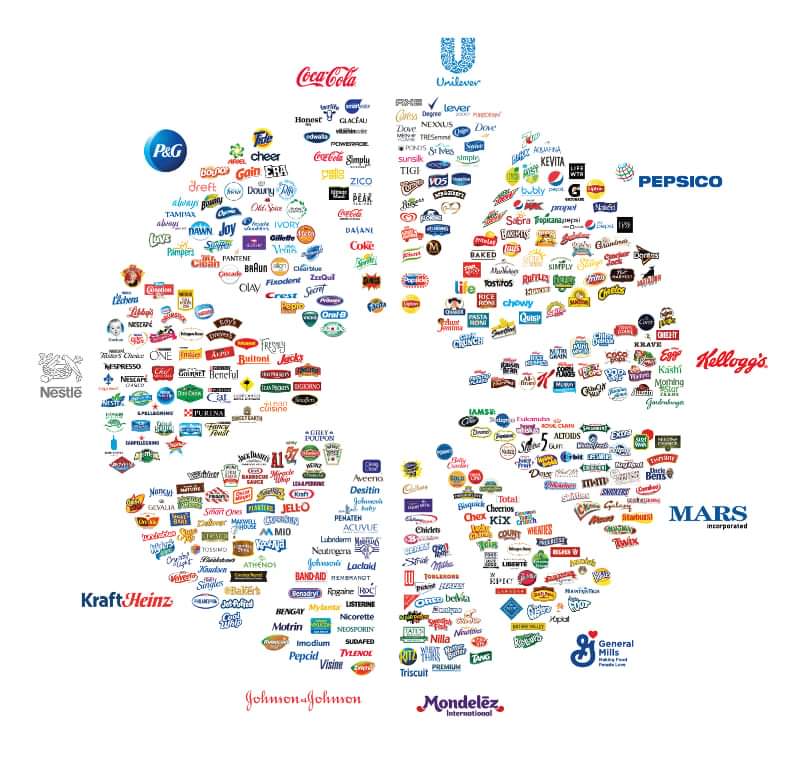
Understanding the Structure: Who Really Owns BlackRock?
BlackRock (NYSE: BLK) is the world’s largest asset manager. Unlike some of its competitors, BlackRock is a publicly traded corporation. This means its ownership is transparent and governed by the rules of the New York Stock Exchange. However, the identity of its shareholders often leads to a “hall of mirrors” effect that confuses casual observers.
Public Ownership and Institutional Shareholders
As a public company, BlackRock is owned by its shareholders. If you have a brokerage account, you can technically become a part-owner of BlackRock by purchasing shares of BLK. However, the majority of BlackRock is owned by large institutional investors.
Ironically, the largest shareholders of BlackRock are often its own competitors. As of recent filings, the top institutional holders include The Vanguard Group, State Street Corporation, and various sovereign wealth funds. Vanguard often holds the largest stake in BlackRock (approximately 8-9%), not because Vanguard is “buying out” its rival, but because Vanguard’s index funds must hold shares of BlackRock to track the S&P 500 or other broad market indices.
The Role of Larry Fink and the Leadership Board
While institutional investors hold the equity, the strategic direction of the firm is steered by its Chairman and CEO, Larry Fink, and its Board of Directors. Fink, who co-founded the firm in 1988, owns a significant portion of individual shares, making him one of the wealthiest and most influential figures in finance. However, he does not “own” the company in a majority sense. He operates as a fiduciary, answerable to the shareholders and the regulatory bodies that oversee financial markets.
The Vanguard Group: A Unique Ownership Model
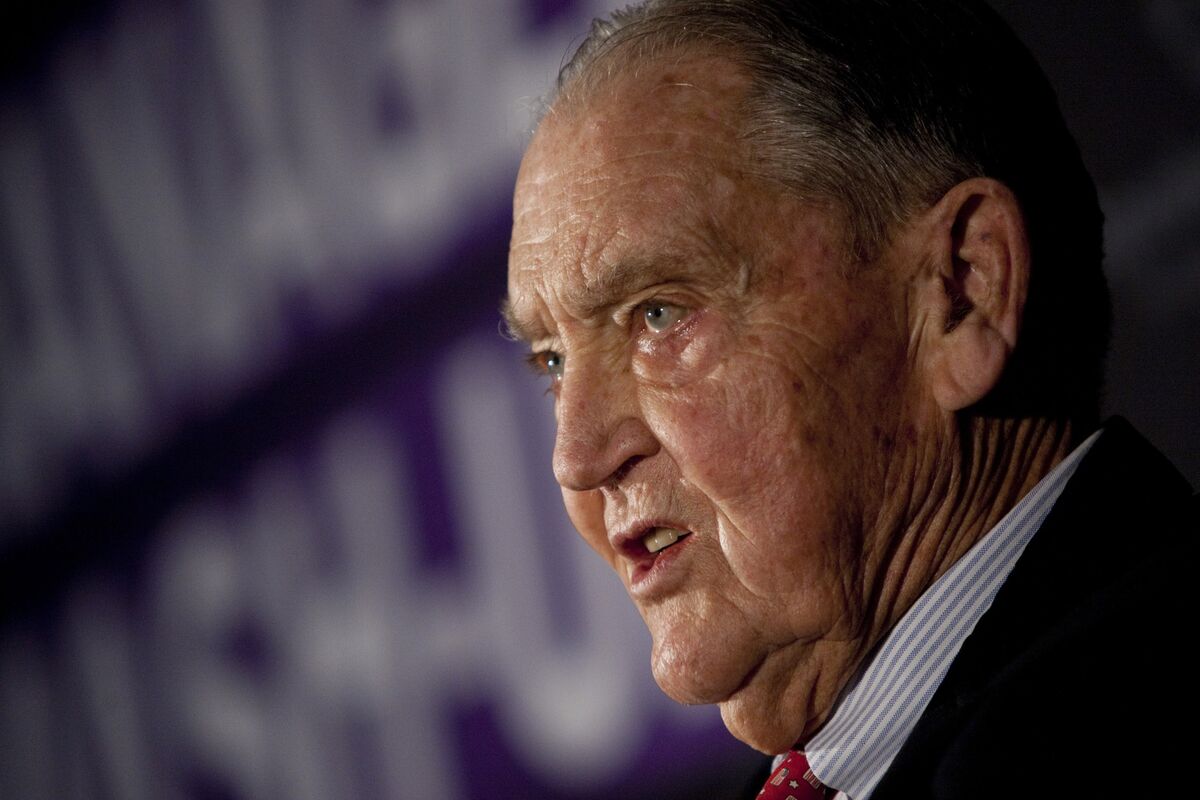
If BlackRock’s ownership is a standard corporate model, The Vanguard Group is a radical outlier. Founded by John C. “Jack” Bogle in 1975, Vanguard was designed with a “mutually owned” philosophy that fundamentally changed the world of personal finance and investing.
The Client-Owned Structure
Vanguard is not a publicly traded company, nor is it owned by a small group of private founders. Instead, Vanguard is owned by its funds. In turn, those funds are owned by the investors who buy them.
This means that if you own shares in the Vanguard 500 Index Fund (VOO) or the Vanguard Total Stock Market ETF (VTI), you are a part-owner of the company itself. This unique structure eliminates the conflict of interest often found in traditional Wall Street firms, where the management must choose between maximizing profits for outside shareholders and lowering costs for clients. At Vanguard, the clients are the shareholders.
Why Jack Bogle’s Vision Still Dominates
Bogle’s vision was to provide low-cost, “passive” investing options for the average person. By removing the need to generate profits for a separate class of owners, Vanguard can funnel its earnings back into the business to lower expense ratios. This “at-cost” operating model has forced the entire financial industry to lower its fees, a phenomenon often referred to as the “Bogle Effect.” Because of this structure, Vanguard cannot be “bought” by another firm, nor can it be pressured by activist investors in the same way a public company can.
The Circularity Problem: Do They Own Each Other?
One of the most common sources of confusion—and conspiracy theories—regarding BlackRock and Vanguard is the fact that they appear at the top of each other’s shareholder lists. This leads to the popular but misguided claim that a small “cabal” owns everything through a circular loop of ownership.
Cross-Ownership Dynamics
To understand why Vanguard is the top shareholder of BlackRock, and why BlackRock is a top holder of the companies Vanguard invests in, we must look at the mechanics of index funds.
When a person invests in a Vanguard S&P 500 fund, Vanguard is legally required to buy shares of every company in that index. Since BlackRock is a member of the S&P 500, Vanguard must buy BLK shares. This isn’t a strategic takeover; it is a mechanical requirement of the fund’s mandate. Similarly, BlackRock’s iShares ETFs hold shares of companies across the globe. They do not “own” these companies in the traditional sense; they hold the shares as a custodian for the millions of teachers, firefighters, and individual savers who use their products.
Debunking the “Shadow Government” Myths
The “circularity” is an accounting reality of the indexing revolution. These firms are massive because they have democratized the stock market, allowing anyone with $50 to own a slice of the global economy. The power they wield comes not from “owning” the assets, but from the voting rights associated with those assets. When a company holds a shareholder meeting, BlackRock and Vanguard cast the votes for the shares they hold on behalf of their clients. This “proxy voting” power is where their true influence lies.
Impact on Personal Finance and the Global Market
The ownership and scale of BlackRock and Vanguard have profound implications for the average investor. While their dominance provides stability and low costs, it also raises questions about corporate governance and market competition.
Influence on Corporate Governance and ESG
Because they hold such large stakes in almost every major corporation, BlackRock and Vanguard have become the “permanent shareholders” of corporate America. This has led them to take a front-seat role in Environmental, Social, and Governance (ESG) issues. Larry Fink’s annual letters to CEOs often emphasize long-term sustainability and social responsibility. While some praise this as “conscious capitalism,” others argue that asset managers should stick to maximizing returns rather than influencing social policy.
What This Means for the Individual Investor
For the individual, the dominance of these two firms is largely a benefit.
- Lower Costs: The scale of these firms allows them to offer investment products at near-zero costs.
- Diversification: Through a single BlackRock or Vanguard fund, an investor can own a diversified portfolio of thousands of stocks.
- Market Liquidity: Their massive presence ensures that markets remain liquid and functional.
However, the “Big Three” (BlackRock, Vanguard, and State Street) now own about 25% of the shares of the average S&P 500 company. Critics argue this could lead to “common ownership,” where companies in the same industry (like airlines or banks) have the same major shareholders, potentially reducing the incentive for those companies to compete aggressively with one another.

The Future of Asset Management and Passive Investing
As we look toward the future, the ownership structures of BlackRock and Vanguard appear resilient, but the industry is evolving. We are seeing a shift toward “voting choice” programs, where BlackRock is beginning to allow its institutional clients to cast their own proxy votes rather than letting the firm decide for them. This is a direct response to the criticism regarding the concentration of power.
Furthermore, the rise of “direct indexing” and fintech tools may eventually challenge the traditional mutual fund and ETF models. However, for the foreseeable future, BlackRock will remain a titan of the public markets, and Vanguard will continue its mission as a client-owned co-op.
In conclusion, the answer to “who owns” these firms is both simple and complex. BlackRock is owned by the public and its institutional rivals through the mechanics of the market. Vanguard is owned by the very people who invest in its funds. They are not shadowy entities, but rather the massive, interconnected engines of the global retirement system. Understanding them is the first step in mastering the mechanics of modern wealth building.
aViewFromTheCave is a participant in the Amazon Services LLC Associates Program, an affiliate advertising program designed to provide a means for sites to earn advertising fees by advertising and linking to Amazon.com. Amazon, the Amazon logo, AmazonSupply, and the AmazonSupply logo are trademarks of Amazon.com, Inc. or its affiliates. As an Amazon Associate we earn affiliate commissions from qualifying purchases.