
New York City, historically the world’s capital for finance and media, has rapidly transformed into one of the most significant technology hubs on the planet. Often referred to as “Silicon Alley,” the city’s tech scene is no longer just a secondary alternative to California’s Silicon Valley; it is a distinct, multi-faceted powerhouse of innovation. For those looking to understand “what to do” in New York City through a technological lens, the answer lies in exploring a hyper-connected urban landscape where AI, smart infrastructure, and a booming startup culture converge.
This guide explores how to navigate the city’s tech-driven transformation, the essential digital tools for any resident or professional, and the burgeoning sectors that are redefining the Five Boroughs.

Leveraging the Smart City Infrastructure
New York City is one of the most complex urban environments in the world, and its survival depends on integrated technology. Over the last decade, the city has invested billions into “Smart City” initiatives designed to streamline the lives of millions.
The Evolution of the MTA and OMNY
One of the most immediate tech experiences in NYC is the transition of the Metropolitan Transportation Authority (MTA) into a fully digital ecosystem. The implementation of OMNY (One Metro New York) represents a massive leap in contactless payment technology. By utilizing NFC (Near Field Communication), the system has largely phased out the physical MetroCard in favor of smartphones and wearables. This shift isn’t just about convenience; it generates massive datasets that allow the MTA to optimize train schedules and manage crowd flow in real-time, demonstrating a masterclass in large-scale IoT (Internet of Things) application.
LinkNYC and the Democratization of Connectivity
Walking down any major avenue, you will encounter LinkNYC kiosks. These are not merely digital billboards; they are sophisticated communication hubs that provide free gigabit Wi-Fi, phone calls, and device charging. From a tech perspective, LinkNYC is a crucial case study in urban connectivity. It addresses the “digital divide” by providing high-speed access to those who might not have it at home, while simultaneously serving as a network of sensors that can monitor air quality and traffic patterns, feeding data back into the city’s management software.
Smart Waste and Urban Sustainability
New York is also pioneering the use of technology to handle its massive physical footprint. Projects involving “Bigbelly” smart bins use solar power to compact trash and send wireless alerts to sanitation crews when they are full. This reduces truck collections by up to 80%, lowering carbon emissions. For tech enthusiasts, observing these small-scale deployments provides insight into how “Green Tech” is being integrated into the very fabric of old-world masonry and steel.
Exploring Silicon Alley: A Hub for Innovation
The heart of NYC’s tech sector, Silicon Alley, has expanded far beyond its original borders in the Flatiron District. It now encompasses a massive corridor spanning from Lower Manhattan through Chelsea and into parts of Brooklyn.
The Rise of AI and Machine Learning Startups
New York has become a magnet for Artificial Intelligence. Unlike the general-purpose AI development often found on the West Coast, NYC’s AI scene is deeply specialized. Here, you will find AI tools being built specifically for the fintech, legaltech, and adtech sectors. Companies are leveraging Large Language Models (LLMs) to automate complex financial audits on Wall Street or to revolutionize programmatic advertising in Midtown. For anyone looking to network or invest, the city’s frequent AI meetups and “hackathons” are the epicenter of practical, enterprise-grade AI development.
Tech Networking and the Co-working Revolution
The “what to do” for tech professionals in NYC often involves the city’s robust network of innovation hubs. Facilities like New York University’s Tandon Future Labs or the Cornell Tech campus on Roosevelt Island act as incubators for the next generation of unicorns. Furthermore, the city’s co-working culture has evolved. Spaces like Newlab in the Brooklyn Navy Yard are specifically designed for “hard tech”—robotics, urban manufacturing, and energy—providing the tools and the community necessary for physical product prototyping that software-only labs cannot offer.
Cornell Tech and the Roosevelt Island Renaissance
A visit to Roosevelt Island offers a glimpse into the future of tech-centric urban planning. Cornell Tech is a graduate school and research institute that operates as a bridge between academia and industry. Its “Bridge” building is designed to house both students and established tech companies under one roof, fostering a unique “collision” environment. The architecture itself is a marvel of sustainable tech, featuring one of the world’s largest “passive house” high-rise buildings, which uses advanced insulation and ventilation to minimize energy consumption.
Essential Apps for the Modern New Yorker
To truly “do” New York City effectively, one must master the software layer that sits atop the physical city. The right suite of apps can mean the difference between seamless navigation and total urban frustration.
Navigation and Micro-Mobility Tools
While Google Maps is a staple, power users in NYC rely on Citymapper. This app provides a more granular look at the city’s transit, offering “multimodal” routes that combine subways, buses, ferries, and Citi Bikes. Speaking of Citi Bike, it is currently one of the largest bike-sharing programs in the world. Its app integration allows for real-time tracking of dock availability and e-bike battery levels, representing a critical component of the city’s “Last Mile” logistics strategy.
Fintech and the Frictionless Economy
In NYC, cash is rapidly becoming obsolete. Beyond Apple Pay and Google Pay, apps like Bilt Rewards (which allows users to earn points on rent) and various high-yield savings apps tailored for the high-cost NYC lifestyle are popular. The city is also a testing ground for various fintech “neobanks” that offer localized features, such as instant transfers and hyper-local budgeting tools designed to navigate the high expenses of Manhattan living.
On-Demand Services and the Gig Economy
NYC is the ultimate playground for the gig economy. Apps like Revel (electric moped sharing and EV rideshare) and specialized delivery services have fundamentally changed how goods and people move. For the tech-savvy, understanding the algorithms behind these apps—how they price dynamically based on weather or demand—is a fascinating look at real-time supply and demand software in action.
The Future of Tech Tourism and Immersive Experiences
For those interested in the intersection of technology and entertainment, New York City offers experiences that are at the cutting edge of digital media.
Immersive Experiences and AR/VR Installations
New York is a leader in “Experience Tech.” Venues like ARTECHOUSE in Chelsea use high-resolution projection mapping and spatial audio to create immersive environments that respond to human movement. These installations are powered by massive server banks and custom-coded software, pushing the boundaries of what is possible in digital art. Additionally, augmented reality (AR) tours are becoming more common, allowing users to point their phones at historical landmarks to see “digital ghosts” of what the city looked like a century ago.
Retail Tech on Fifth Avenue
The retail landscape of NYC has been reinvented through technology. Flagship stores from brands like Google, Apple, and Samsung are less about selling products and more about showcasing technological ecosystems. These spaces feature “Smart Home” showrooms, VR testing zones, and interactive displays that use computer vision to track customer engagement. Observing how these giants use retail as a “data collection” point offers deep insights into the future of consumer tech marketing.
Digital Security and Privacy in a Hyper-Connected City
With such a high level of connectivity comes the increased importance of digital security. Navigating a smart city requires an awareness of one’s digital footprint.
Protecting Data on Public Networks
While LinkNYC and public Wi-Fi in parks are convenient, they present significant cybersecurity risks. Tech-conscious individuals in NYC prioritize the use of VPNs (Virtual Private Networks) and encrypted messaging apps. The density of the city makes it a target for “sniffing” attacks and rogue hotspots. Understanding how to secure a device in a high-density signal environment is an essential skill for the modern urbanite.
The Ethics of Facial Recognition and Surveillance
NYC is also at the center of the debate regarding urban surveillance and facial recognition. Many private buildings and public spaces now use advanced biometric security. From a tech perspective, this raises questions about data privacy and the ethics of AI. Engaging with local tech policy forums or following the work of NYC-based digital rights groups is a way to stay informed about the legal and social framework that governs how technology is deployed in the public sphere.
Conclusion
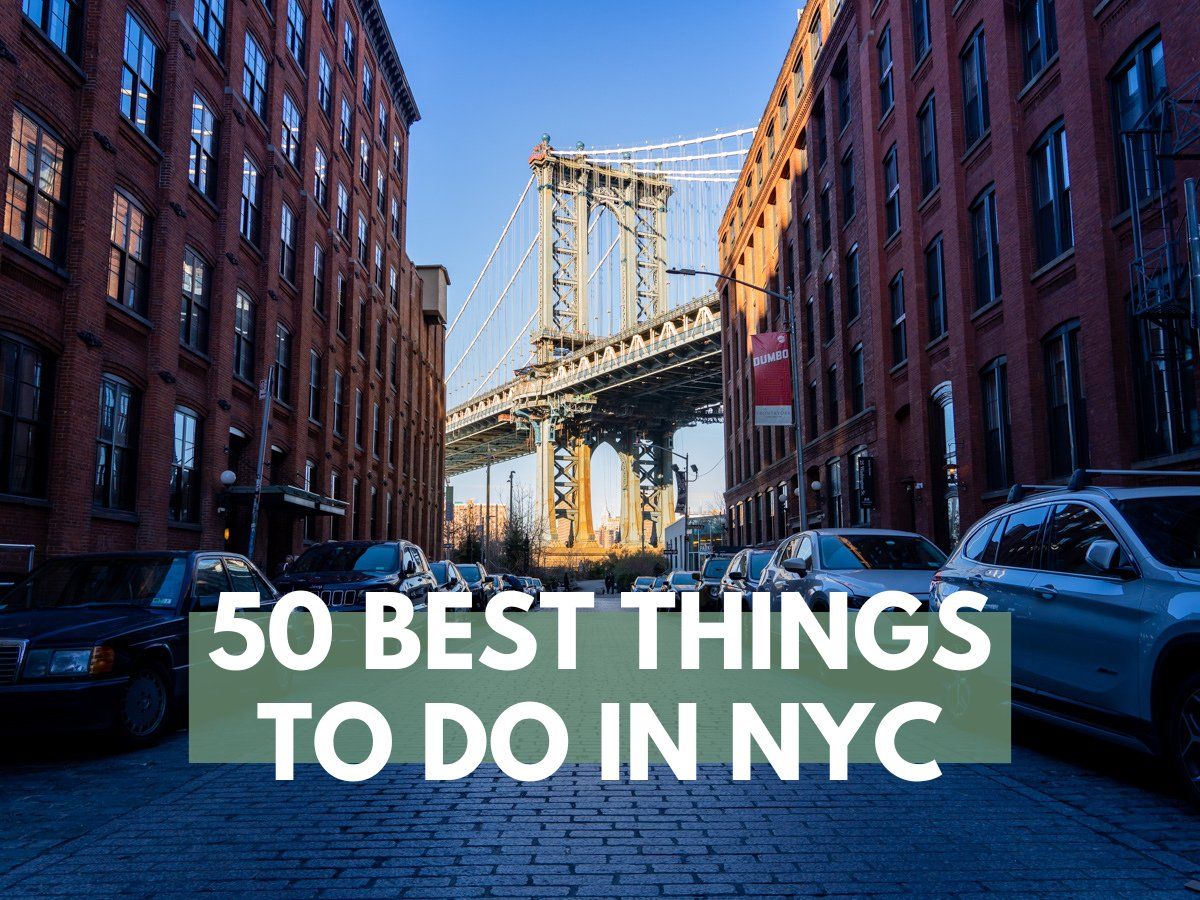
What to do in New York City is no longer just a question of which museum to visit or which restaurant to book; it is a question of how to engage with a living, breathing technological organism. From the OMNY readers at the subway turnstiles to the AI startups in the lofts of DUMBO, NYC is a masterclass in how technology can be integrated into every facet of human life. By leveraging the right apps, understanding the infrastructure, and exploring the innovation hubs, one can experience a version of New York that is at the absolute forefront of the global digital revolution. Whether you are a developer, an investor, or a curious observer, the city’s tech ecosystem offers an endless array of insights into the future of our digital world.
aViewFromTheCave is a participant in the Amazon Services LLC Associates Program, an affiliate advertising program designed to provide a means for sites to earn advertising fees by advertising and linking to Amazon.com. Amazon, the Amazon logo, AmazonSupply, and the AmazonSupply logo are trademarks of Amazon.com, Inc. or its affiliates. As an Amazon Associate we earn affiliate commissions from qualifying purchases.