
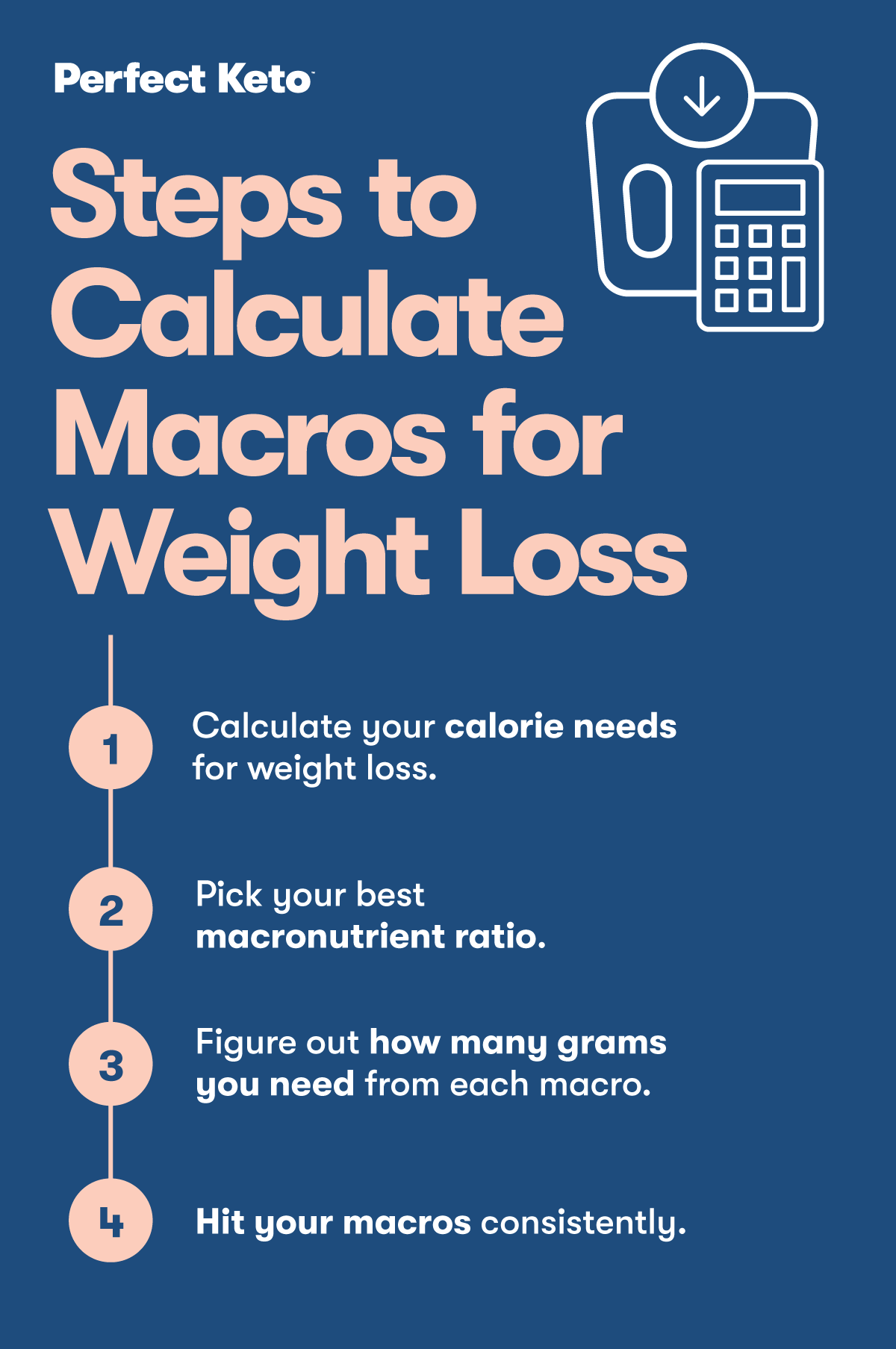
In the modern digital era, the phrase “weight loss” has transitioned from a nebulous fitness goal into a precise data science problem. We no longer rely on guesswork or generic food pyramids; instead, we utilize sophisticated algorithms and software ecosystems to optimize human physiology. At the heart of this transformation is the calculation of macronutrients—proteins, carbohydrates, and fats. Understanding how to calculate macros for weight loss today is less about manual arithmetic and more about leveraging the right technology stack to achieve biological precision.
The Evolution of Nutritional Computation: From Spreadsheets to AI
The journey of tracking what we consume has undergone a radical digital transformation. Decades ago, individuals were forced to rely on printed calorie booklets and handheld calculators. Today, the process is driven by massive cloud-based databases and complex software architectures.

From Manual Tracking to Automated Inputs
The first iteration of digital macro tracking involved simple spreadsheet software like Excel. Users would manually input values, creating their own formulas to determine their daily intake. However, the margin for error was high. The emergence of specialized SaaS (Software as a Service) platforms revolutionized this by automating the data entry process. With barcode scanning technology and extensive API integrations with global food databases, the “tech” of macro calculation has become a seamless background process.
The Role of Big Data in Food Databases
Modern macro-calculation apps do not exist in a vacuum. They rely on “Big Data.” Platforms like MyFitnessPal, Cronometer, and Lose It! maintain databases containing millions of entries. These databases utilize crowd-sourced data verified by algorithmic cross-referencing to ensure accuracy. When you search for a specific food item, the software uses search algorithms to prioritize verified entries, ensuring that your macro ratios are calculated against high-quality data points rather than erroneous user submissions.
Leveraging AI and Machine Learning for Personalized Macronutrient Targets
The core challenge of calculating macros for weight loss is that every human body is a unique biological system. A static formula—like the aging Harris-Benedict equation—often fails to account for metabolic adaptations. This is where Artificial Intelligence (AI) and Machine Learning (ML) have stepped in to provide a more dynamic approach.
Basal Metabolic Rate (BMR) Algorithms and Predictive Modeling
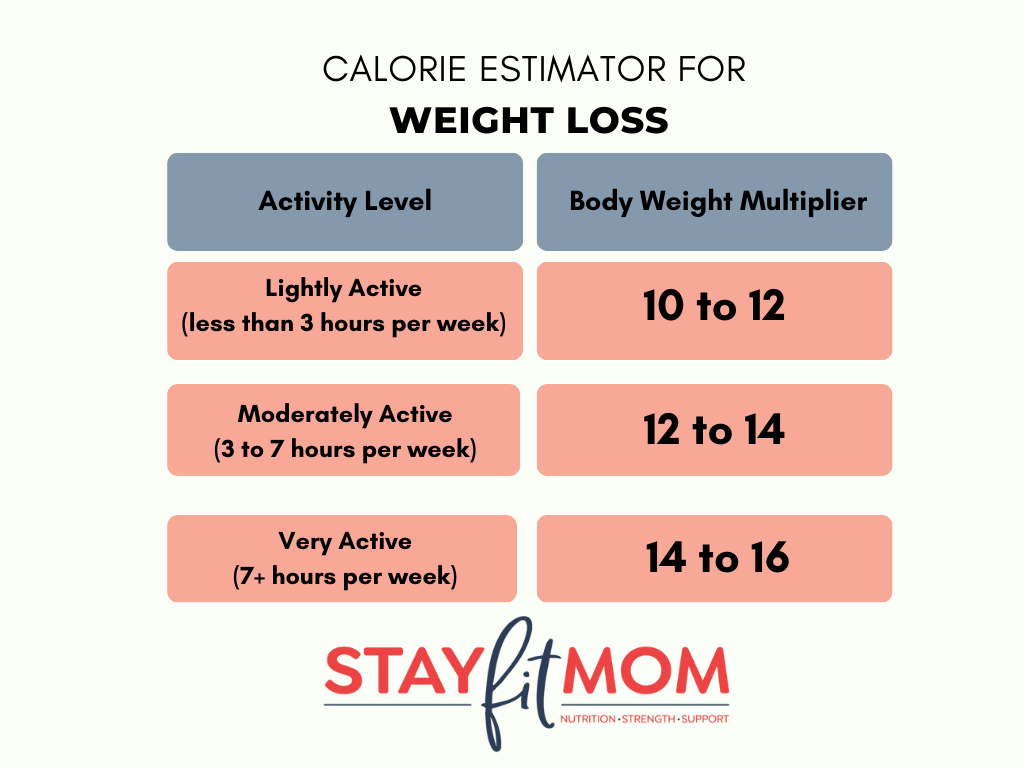
The starting point for any macro calculation is determining the Basal Metabolic Rate (BMR) and Total Daily Energy Expenditure (TDEE). Traditional tech used fixed multipliers for activity levels. However, modern “smart” macro calculators utilize predictive modeling. By inputting variables such as age, weight, height, and body fat percentage, the software runs simulations to predict how many calories an individual burns at rest. Advanced tools now incorporate machine learning to refine these predictions over time based on the user’s logged progress, adjusting the macro targets automatically as the user’s weight changes.
Dynamic Adjustments via Machine Learning
The most significant tech advancement in weight loss is the shift from “static” to “dynamic” macro targets. AI-driven coaching apps (such as Carbon Diet Coach or MacroFactor) utilize “adherence-neutral” algorithms. Instead of punishing a user for missing a target, the software analyzes the data—weight fluctuations versus actual intake—to determine the user’s true “expenditure” in real-time. If the weight loss stalls, the algorithm identifies the trend and recalculates the protein-to-fat-to-carb ratio to break the plateau, mimicking the logic of a human nutritionists but with the speed and objectivity of a computer.
Integrating Wearable Ecosystems into Your Macro Strategy
Calculating macros is only half of the equation; the other half is understanding the “energy out” side of the data loop. The integration of wearable tech into the nutrition stack has created a closed-loop system for weight management.
Biometric Feedback Loops
Devices such as the Apple Watch, WHOOP, and Oura Ring provide a continuous stream of biometric data. This includes heart rate variability (HRV), sleep quality, and active energy burn. High-end macro-calculating software can now ingest this data via health kits (like Apple Health or Google Fit). For instance, if a wearable detects an unusually high-strain day, a connected nutrition app might automatically adjust the carbohydrate allocation for that evening to facilitate glycogen recovery while maintaining a caloric deficit for weight loss.
Real-Time Expenditure Tracking vs. Static Formulas
One of the greatest technical hurdles in weight loss is the inaccuracy of self-reported activity. Humans are notoriously poor at estimating how much they move. Wearable technology solves this by providing “Active Calories” data directly to the macro calculator. This creates a “Live Macro Target” where your carbohydrate or fat allowance may fluctuate throughout the day based on real-time expenditure. This level of tech integration ensures that the macro calculation remains optimized for the user’s actual movement, rather than a theoretical average.
Reviewing the Tech Stack: Top Apps and Tools for Macro Calculation
For anyone looking to implement a data-driven weight loss strategy, choosing the right software stack is critical. Different tools offer varying levels of complexity, from simple database access to deep AI-driven coaching.
AI-Powered Image Recognition for Calorie Counting
One of the most exciting frontiers in nutritional tech is computer vision. New apps are implementing AI-powered image recognition that allows users to simply take a photo of their meal. The software analyzes the volume and type of food, estimates the portion size, and breaks it down into constituent macros. While still in its refinement phase, this technology reduces the friction of manual logging, which is the primary point of failure for most digital weight loss attempts.
API Integration for Holistic Health Management
The best tech for macro calculation doesn’t work in isolation. A sophisticated “Health Tech Stack” often involves an interconnected web of apps. A user might track their weight on a Wi-Fi-connected smart scale (like Withings), which automatically updates their weight in their macro calculator. That calculator, in turn, adjusts the daily macro targets and pushes those targets to a meal-planning app. This synergy, powered by robust APIs (Application Programming Interfaces), creates an automated environment where the user only needs to focus on execution, while the software handles the complex mathematics of the caloric deficit.
The Future of Digital Nutrition and Bio-Optimization
As we look toward the future, the technology behind macro calculation is moving toward even greater levels of personalization, moving beyond general population data into the realm of “N-of-1” experimentation.
Predictive Modeling for Long-term Weight Loss
The next generation of macro-calculation software will likely utilize digital twins—virtual models of a user’s metabolism. By running “what-if” scenarios, the software can predict how a specific macro split (e.g., high protein/low carb vs. moderate/moderate) will affect body composition over a six-month period. These simulations allow users to choose the most efficient path to their weight loss goals based on their unique metabolic signature.
Integration with Real-Time Glucose Monitoring (CGM)
The integration of Continuous Glucose Monitors (CGMs) into the consumer tech market is the next big step for macro calculation. Currently, CGMs are primarily used by diabetics, but fitness tech companies like Levels and Nutrisense are bringing them to the mass market. By syncing CGM data with a macro tracker, a user can see exactly how their body responds to specific carbohydrate sources. The software can then “calculate” a custom macro profile that minimizes insulin spikes, potentially optimizing the body for fat oxidation. This represents the pinnacle of tech-driven weight loss: a diet calculated not just by calories, but by real-time hormonal response.
Conclusion
Calculating macros for weight loss has evolved from a chore into a sophisticated technological process. By utilizing AI-driven apps, integrating wearable data, and leveraging the power of big data, individuals can now approach their health with the precision of a software engineer. The “calculator” is no longer just a tool for addition and subtraction; it is a complex engine of bio-optimization that adapts to our lives in real-time. As the software continues to advance, the barrier to entry for successful weight loss will continue to drop, replaced by an automated, data-backed roadmap to physical health.
aViewFromTheCave is a participant in the Amazon Services LLC Associates Program, an affiliate advertising program designed to provide a means for sites to earn advertising fees by advertising and linking to Amazon.com. Amazon, the Amazon logo, AmazonSupply, and the AmazonSupply logo are trademarks of Amazon.com, Inc. or its affiliates. As an Amazon Associate we earn affiliate commissions from qualifying purchases.