
Tax season is a recurring fixture in the financial calendar, often met with a mix of anxiety and meticulous preparation. One of the most common questions taxpayers ask—long before they even calculate their liability or potential refund—is, “How much is this going to cost me?” The answer is rarely a single flat rate. The cost of filing taxes is a variable equation influenced by the complexity of your financial life, the methods you choose, and the professional expertise you require.
Understanding the landscape of tax preparation fees is essential for effective personal financial planning. Whether you are a salaried employee with a single W-2 or a freelance entrepreneur with multiple income streams, knowing what to expect can help you budget appropriately and ensure you aren’t overpaying for services you don’t need.

Understanding the Variables: Why Tax Preparation Costs Vary
The price of filing a tax return is not standardized across the industry. Instead, it is a reflection of time, risk, and specialized knowledge. Several factors dictate whether you will pay $50 or $1,500 to satisfy your obligations to the IRS.
Complexity of the Tax Return
The primary driver of cost is the complexity of your financial situation. A standard Form 1040 for an individual with no dependents and a single source of income requires minimal time. However, as you add layers—such as itemized deductions (Schedule A), self-employment income (Schedule C), rental properties (Schedule E), or capital gains from stock and cryptocurrency trades—the labor involved increases. Each additional schedule or form requires more data entry, verification, and knowledge of current tax laws.
Geographic Location and Local Market Rates
Like many professional services, tax preparation costs are influenced by the cost of living in your area. Preparing a return in a major metropolitan hub like New York City or San Francisco will almost certainly cost more than the same service in a rural community. Firms in high-cost areas have higher overhead, including office rent and professional insurance, which are passed on to the consumer.
The Professional’s Experience and Credentials
Who prepares your taxes is just as important as what is on them. You can choose between a basic tax preparer, an Enrolled Agent (EA), or a Certified Public Accountant (CPA).
- Basic Preparers: Often found at seasonal retail tax chains, they are suitable for simple returns.
- Enrolled Agents: Federally licensed practitioners who specialize in taxation and have unlimited representation rights before the IRS.
- CPAs: Highly trained financial professionals who offer a broad range of accounting services. Because of their extensive education and licensing requirements, CPAs typically command the highest fees.
Comparing the Three Main Methods of Filing
Taxpayers generally fall into one of three categories when it comes to filing: the DIY software user, the professional service client, or the “Free File” eligible individual. Each path has a distinct price point and value proposition.
Professional Human Tax Preparers (CPAs and EAs)
For many, the peace of mind offered by a human professional is worth the premium. On average, a professional tax preparer may charge between $200 and $600 for a standard return that includes itemized deductions and a state return. If you are a business owner or have complex investments, these fees can easily exceed $1,000. The benefit here is not just the filing, but the year-round tax planning advice and audit representation that many professionals provide.
Assisted Software and Online Platforms
Tax software has become the middle ground for the modern taxpayer. Brands like TurboTax, H&R Block, and FreeTaxUSA offer tiered pricing.
- Basic/Deluxe Tiers: Usually range from $40 to $70, designed for homeowners or those with simple investments.
- Premium/Self-Employed Tiers: Range from $90 to $120, catering to freelancers and contractors.
It is important to note that these prices often exclude state filing fees, which can add another $40 to $60 per state.
Free Filing Options for Eligible Individuals
It is a common misconception that everyone must pay to file. The IRS Free File program is a partnership between the IRS and many tax-preparation software companies. If your Adjusted Gross Income (AGI) is $79,000 or less, you can use high-end software to file your federal return for free. Additionally, the Volunteer Income Tax Assistance (VITA) program offers free tax help to people who generally make $64,000 or less, persons with disabilities, and limited English-speaking taxpayers.
Breaking Down the Fees: What to Expect in 2024 and Beyond

To plan your budget, it is helpful to look at the specific price tags associated with different tax scenarios. While these are averages, they represent the current market landscape for financial services.
Average Costs for Standard Form 1040
For a taxpayer who does not itemize deductions (taking the standard deduction instead), the national average fee for a professional preparer is approximately $175 to $225. This usually includes the federal 1040 and one state return. This is the baseline for professional service; if your quote is significantly lower, ensure the preparer is properly registered with a PTIN (Preparer Tax Identification Number).
Itemized Deductions (Schedule A) and Their Impact
Once you move beyond the standard deduction to itemize (deducting mortgage interest, charitable donations, medical expenses, etc.), the price jumps. Professionals typically charge an additional $100 to $150 for Schedule A. This is because the preparer must vet your receipts and documentation to ensure every deduction is defensible under IRS scrutiny.
Business Owners, Freelancers, and Schedule C
The “Gig Economy” has changed the way millions of people file taxes, but it has also made filing more expensive. If you are self-employed, you must file a Schedule C to report profit or loss. Due to the complexity of calculating deductible business expenses, home office deductions, and self-employment taxes, professionals often charge $400 to $800 for these returns. Software providers also reserve their highest price tiers for this category.
Hidden Costs and Potential Add-ons
The “sticker price” of tax filing is often not the final amount you pay. There are several ancillary costs that can inflate the total bill if you aren’t careful.
State Filing Fees
Many online software platforms advertise “Free Federal Filing,” only to charge a significant fee—often $40 to $60—for each state return. If you lived or worked in multiple states during the year, these costs can multiply quickly. Always read the fine print to see if state filing is included in your package.
Audit Defense and Protection Plans
Both software companies and private firms offer “Audit Defense” or “Audit Protection.” For an additional fee (usually $40 to $100), the provider promises to represent you or assist you if the IRS flags your return for an audit. While this provides peace of mind, it is essentially an insurance product. If your finances are straightforward and you have kept good records, this may be an unnecessary expense.
Refund Advance and Filing-from-Refund Charges
Some tax preparation chains offer “Refund Anticipation Loans” or the option to pay your filing fees directly out of your refund. While this seems convenient, it often comes with “service fees” or “convenience fees” that can range from $30 to $100. Over time, these small deductions eat away at your total financial health. Whenever possible, it is more cost-effective to pay your filing fees upfront with a credit or debit card.
Strategies to Minimize Your Tax Preparation Expenses
Reducing the cost of filing taxes doesn’t necessarily mean choosing the cheapest option; it means maximizing the value of the service you receive and avoiding unnecessary charges.
Organizing Documentation Early
Whether you use a software program or a CPA, time is money. If you hand a CPA a shoebox full of unorganized receipts, they will charge you their hourly rate to organize them. By summarizing your expenses in a spreadsheet and ensuring all W-2s and 1099s are present before your first meeting, you can significantly reduce the billable hours required to complete your return.
Leveraging Software During Off-Peak Times
Many tax software companies offer “early bird” discounts in January and early February. As the April deadline approaches, prices often rise. Furthermore, some platforms offer bundle deals if you use their other financial tools, such as bookkeeping or investment tracking software.
Exploring IRS Free File and VITA Programs
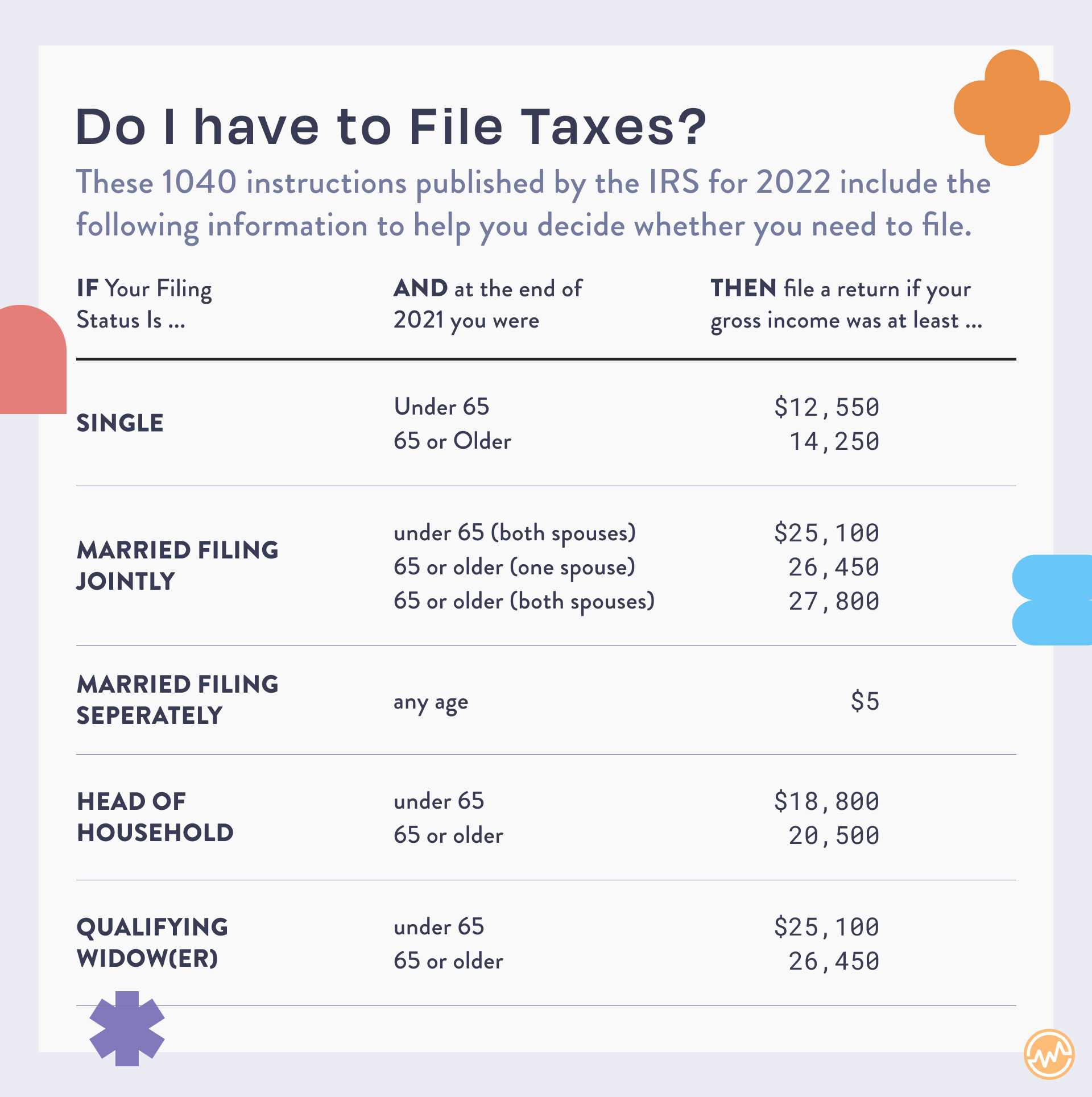
The most effective way to minimize cost is to utilize the free resources provided by the government. The IRS “Direct File” pilot program is also expanding, allowing certain taxpayers in participating states to file directly with the IRS for free, bypassing third-party software entirely. For those who qualify based on income, the VITA and Tax Counseling for the Elderly (TCE) programs provide high-quality, professional-grade preparation at zero cost.
In conclusion, the cost of filing taxes is a reflection of your financial complexity and your personal preference for convenience and security. By understanding the fee structures of software vs. professionals and being aware of hidden add-ons, you can navigate tax season with financial confidence. The goal should always be a balance: paying enough to ensure accuracy and maximize deductions, without overpaying for the process itself.
aViewFromTheCave is a participant in the Amazon Services LLC Associates Program, an affiliate advertising program designed to provide a means for sites to earn advertising fees by advertising and linking to Amazon.com. Amazon, the Amazon logo, AmazonSupply, and the AmazonSupply logo are trademarks of Amazon.com, Inc. or its affiliates. As an Amazon Associate we earn affiliate commissions from qualifying purchases.