
In the contemporary real estate landscape, the term “multi-listing”—more formally known as the Multiple Listing Service (MLS)—is often used to describe a simple directory of homes for sale. However, from a technological perspective, the MLS is far more complex. It is a sophisticated, high-interoperability data network that serves as the backbone of the global property market. At its core, a multi-listing service is a suite of proprietary software, standardized data protocols, and digital tools that allow real estate professionals to share property information across disparate platforms seamlessly.
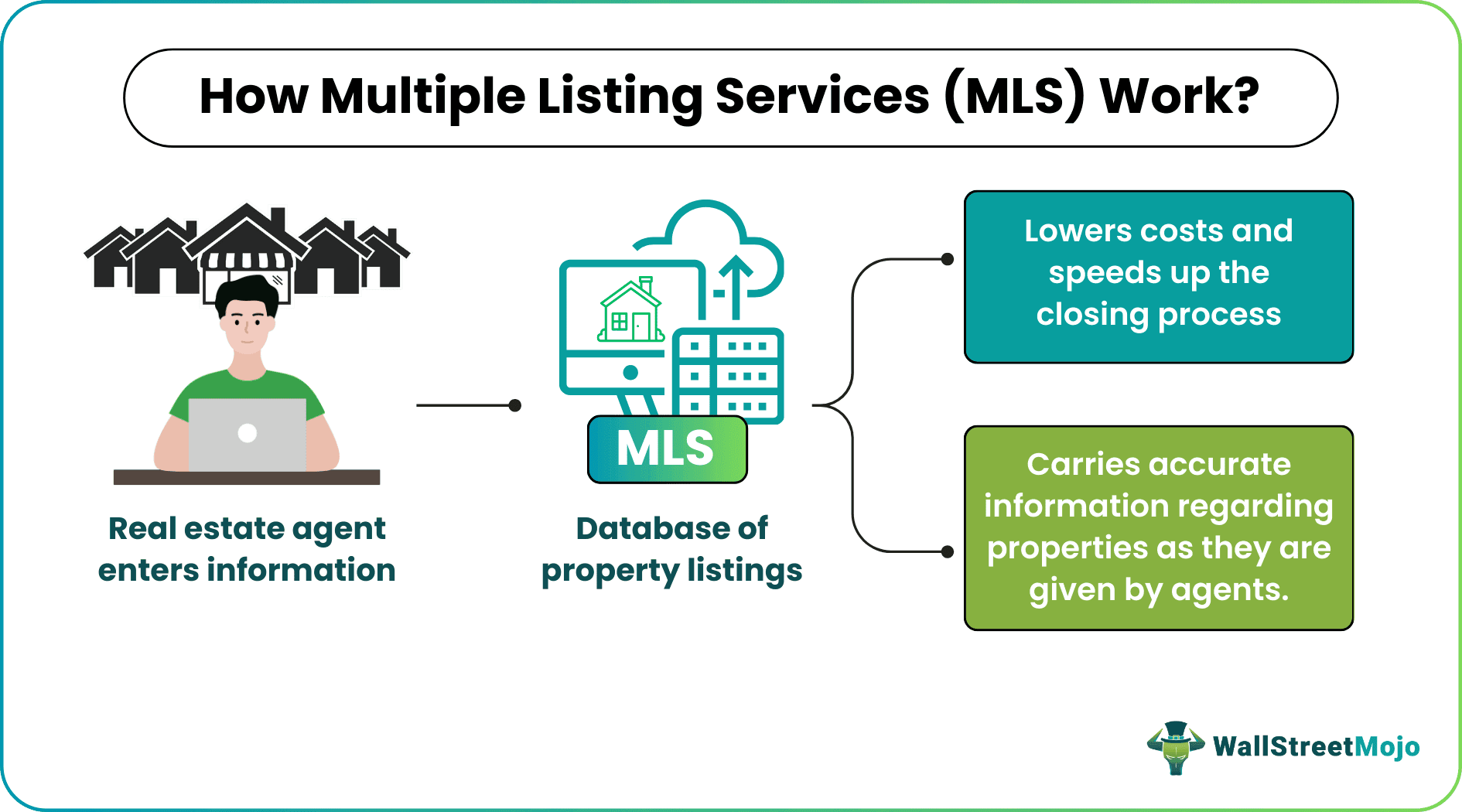
To understand what a multi-listing system is today, one must look beyond the “For Sale” signs. We must examine the tech infrastructure that powers real-time updates, the AI algorithms that categorize property features, and the secure APIs that allow third-party apps to sync with master databases. In this deep dive, we explore the technological evolution and current state of multi-listing systems, focusing on how data science and digital security have transformed property transactions.
The Digital Architecture of Multi-Listing Systems
The transition of the MLS from physical books to cloud-based databases represents one of the most significant digital shifts in professional services. The tech architecture of a modern multi-listing system is built on the principle of “Data Normalization.” Because thousands of different brokerages input data, the system must use standardized protocols to ensure that a “three-bedroom house” in one application is recognized as the same in another.
The Role of IDX and RETS in Data Synchronization
Two acronyms dominate the technical side of multi-listing: IDX (Internet Data Exchange) and RETS (Real Estate Transaction Standard). IDX is the software policy that allows brokers to display each other’s listings on their own websites. It is the reason you can see the same house on five different real estate apps simultaneously.
RETS, and its more modern successor, the Web API (standardized by the Real Estate Standards Organization or RESO), provides the “pipes” through which this data flows. These protocols ensure that when an agent updates a price in the central database, that change is pushed to thousands of synced websites within seconds. This level of synchronization requires robust server infrastructure and high-frequency data polling to prevent “stale” information from misleading users.
API Integration and Global Interoperability
The modern MLS is no longer a walled garden. Through secure APIs (Application Programming Interfaces), the multi-listing system can now talk to external tech stacks. For example, a listing can automatically pull tax data from government servers, school ratings from educational databases, and walkability scores from mapping services. This “mashup” of data points creates a comprehensive digital profile for a property, generated almost entirely through automated software handshakes.
PropTech Innovations Enhancing the MLS Experience
The “Multi-Listing” concept is currently being supercharged by the rise of PropTech (Property Technology). It is no longer enough to have a static photo and a text description. The tech stack integrated into modern MLS platforms now includes advanced visualization and predictive tools.
AI-Driven Predictive Analytics and Computer Vision
Artificial Intelligence is fundamentally changing how properties are categorized within a multi-listing environment. Through computer vision, AI algorithms can scan uploaded property photos and automatically tag features. If an agent uploads a photo of a kitchen, the AI identifies “stainless steel appliances,” “quartz countertops,” and “island seating,” instantly adding these as searchable metadata without manual entry.
Furthermore, predictive analytics use the vast historical data stored in the MLS to forecast market trends. By analyzing thousands of data points—from how long a listing stays “active” to the delta between listing price and sale price—machine learning models can provide agents with “Smart Pricing” suggestions, optimizing the listing for the digital market before it even goes live.
Virtual Tours and 3D Modeling Integration
Modern multi-listing services have moved beyond the 2D plane. Integration with platforms like Matterport or Zillow 3D Home allows for immersive digital twins of properties to be embedded directly into the MLS data feed. This requires significant bandwidth and high-end cloud hosting capabilities. The technological challenge here is ensuring that these data-heavy assets remain accessible across all devices, from high-end desktop workstations to mobile devices with limited processing power.
Cybersecurity and Data Integrity in Real Estate Networks
As the MLS becomes a more central repository for valuable data, it also becomes a prime target for cyber threats. Protecting the integrity of a multi-listing system is a top priority for the tech teams behind these platforms. A breach doesn’t just mean a leaked email; it could mean the manipulation of property values or the theft of sensitive closing documents.
Protecting Sensitive Transactional Data
The security layer of a multi-listing system involves multi-factor authentication (MFA) for agents and high-level encryption for data at rest and in transit. Because the MLS often links to transaction management software, it handles sensitive information, including contracts and escrow details. Security protocols must be rigorous enough to prevent “scraping”—where bots attempt to steal entire databases of listings—while remaining open enough for legitimate IDX feeds to function.
Blockchain and the Future of Immutable Listings
The next frontier for multi-listing technology is the implementation of blockchain or Distributed Ledger Technology (DLT). One of the perennial problems in real estate tech is “fragmented data”—the risk that different versions of a listing exist in different places.
By using a blockchain-based MLS, every change to a listing (a price drop, a status change, or a new photo) would be recorded as a “block” in a chain, creating an immutable history of the property. This would eliminate disputes over listing ownership and provide a transparent, unhackable audit trail. While still in the pilot phase in many regions, the integration of DLT into multi-listing systems represents the ultimate evolution of data integrity.
The Impact of Mobile Ecosystems and SaaS Integration
In the modern era, the MLS has transitioned into a SaaS (Software as a Service) model. Real estate professionals no longer “buy” software; they subscribe to an evolving ecosystem that lives on the cloud and is accessed primarily via mobile devices.
Real-Time Synchronization for Mobile Agents
The “office” for a modern agent is a smartphone. This shift has forced MLS providers to prioritize “Mobile-First” design. The technical challenge is maintaining a persistent connection to the central database in areas with fluctuating cellular signals. Modern multi-listing apps use “Delta Sync” technology, which only downloads the specific pieces of data that have changed since the last refresh, rather than reloading the entire database. This ensures that an agent standing in a driveway has the most accurate, up-to-the-second data available.
Enhancing User Experience (UX) for the Modern Homebuyer
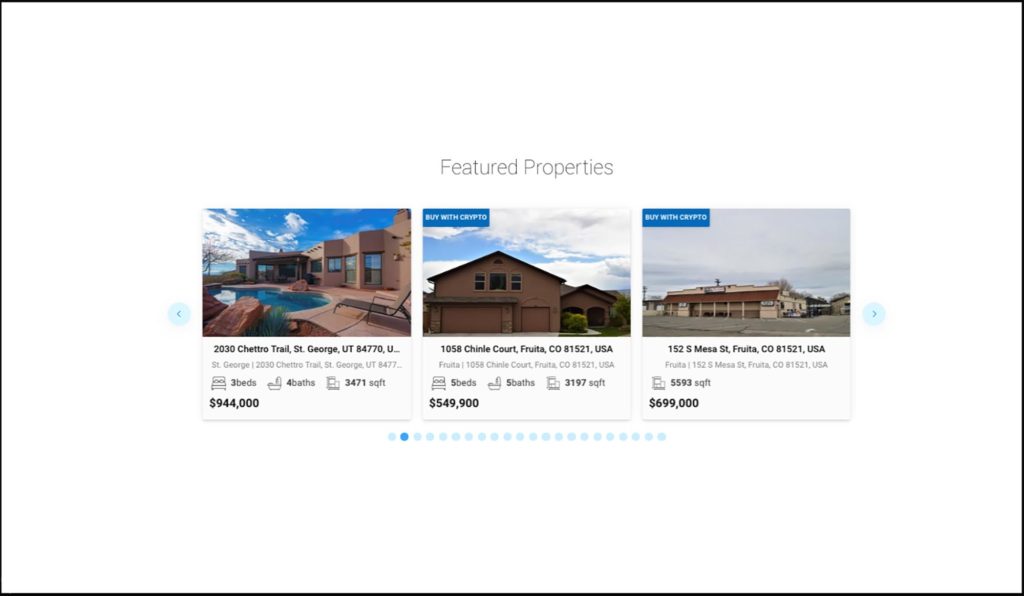
While the MLS is a B2B (Business to Business) tool, its data eventually reaches the consumer. The tech focus has shifted toward making this data “human-readable.” This involves sophisticated UX/UI design that takes complex database fields and translates them into intuitive maps, charts, and notifications. Push notification engines are a critical part of this tech; when a property matching a user’s “saved search” hits the MLS, the system must be capable of triggering millions of simultaneous alerts across various platforms without latency.
Conclusion: The Future of the Multi-Listing Tech Stack
What is multi-listing in real estate? It is the intersection of big data, cybersecurity, and cloud computing. It has evolved from a simple collaborative agreement between brokers into a massive, automated engine that dictates the speed and transparency of the global property market.
As we look toward the future, the “Multi-Listing” concept will likely expand even further into the realms of the Internet of Things (IoT)—where “smart homes” might automatically update their own MLS listings with energy efficiency data—and advanced Augmented Reality (AR), allowing buyers to see MLS data overlaid on a house just by pointing their phone at it.
The technology behind the listing is what makes the modern market possible. By maintaining high standards for data normalization, embracing AI for better categorization, and securing the network through advanced encryption, the real estate industry ensures that its most valuable asset—information—remains accurate, accessible, and actionable in a digital-first world. In this context, the MLS is not just a tool for real estate; it is a masterclass in how legacy industries can be successfully reimagined through the lens of modern technology.
aViewFromTheCave is a participant in the Amazon Services LLC Associates Program, an affiliate advertising program designed to provide a means for sites to earn advertising fees by advertising and linking to Amazon.com. Amazon, the Amazon logo, AmazonSupply, and the AmazonSupply logo are trademarks of Amazon.com, Inc. or its affiliates. As an Amazon Associate we earn affiliate commissions from qualifying purchases.