
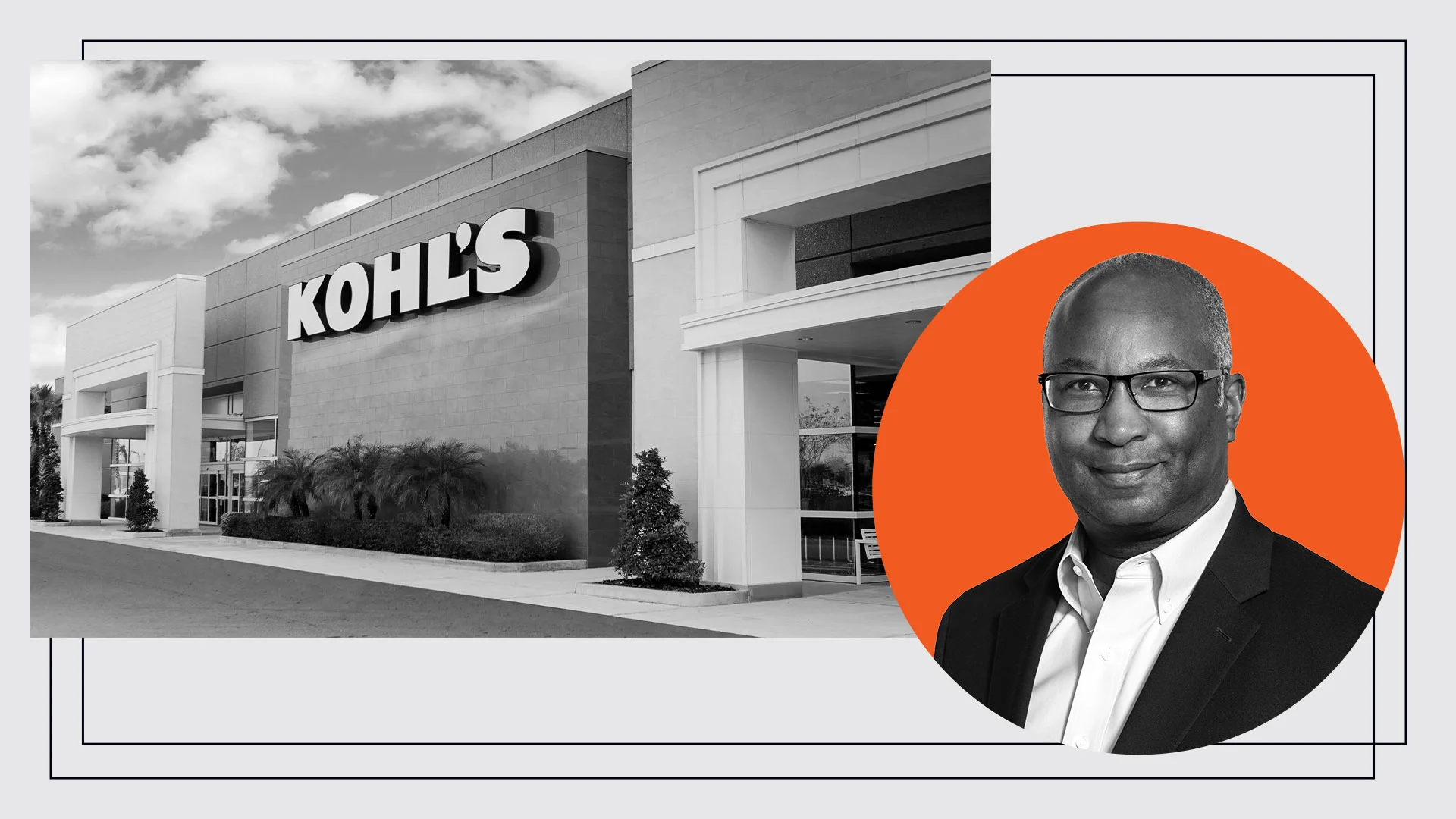
In the complex landscape of American retail, few names are as recognizable as Kohl’s. As a dominant force in the department store sector, Kohl’s Corporation operates over 1,100 stores across 49 states. However, for investors, financial analysts, and curious consumers, the question of “who owns Kohl’s” is not answered by pointing to a single founder or a private family. Instead, Kohl’s is a publicly traded entity, meaning its ownership is a shifting mosaic of institutional investors, hedge funds, and individual shareholders.
Understanding the ownership structure of Kohl’s is essential for grasping the company’s strategic direction, its susceptibility to market trends, and its financial resilience in an era of digital transformation. This article explores the institutional giants, activist investors, and financial mechanisms that govern one of America’s largest retail chains.

The Public Ownership Structure of Kohl’s Corporation
Kohl’s operates as a public corporation, listed on the New York Stock Exchange (NYSE) under the ticker symbol KSS. Because it is a publicly traded company, ownership is divided into millions of shares that can be bought and sold by anyone with access to the stock market. This structure means that the “owners” are a diverse group ranging from massive global investment firms to individual retail investors holding a few shares in a 401(k).
Understanding the Publicly Traded Model
Unlike private competitors or family-run businesses, Kohl’s does not have a single majority owner with controlling interest. In the financial world, this is known as a widely held company. This structure requires the company to be highly transparent, filing regular reports with the Securities and Exchange Commission (SEC) to disclose its financial health and major shareholders. The lack of a single “owner” means that corporate governance is handled by a Board of Directors, who are elected by the shareholders to oversee the executive leadership team.
The Role of the Board of Directors and Executive Leadership
In the absence of a sole proprietor, the Board of Directors acts as the fiduciary representative of the shareholders. They are responsible for making high-level decisions, such as appointing the CEO, approving mergers and acquisitions, and determining dividend policies. Currently, the leadership under CEO Tom Kingsbury must balance the demands of a wide variety of stakeholders, each with different financial objectives—from long-term growth seekers to short-term profit-driven activists.
Institutional Giants: The Real Power Behind the Scenes
While thousands of individuals own Kohl’s stock, the vast majority of the company’s shares are held by institutional investors. These are organizations that pool large sums of money to buy blocks of stocks, bonds, or other securities. In the case of Kohl’s, institutional ownership typically hovers around 90% to 95%, meaning that a handful of major investment firms wield significant influence over the company’s future.
Vanguard and BlackRock: The Passive Investment Influence
Two of the largest asset managers in the world, The Vanguard Group and BlackRock, Inc., consistently rank as the top shareholders of Kohl’s. These firms often own between 8% and 12% of the company each. Their ownership is primarily “passive,” meaning they hold the stock because Kohl’s is included in various index funds (like the S&P 400).
For Kohl’s, having Vanguard and BlackRock as major owners provides a level of stock price stability. However, it also means that these firms’ Environmental, Social, and Governance (ESG) policies can influence how Kohl’s operates, as these institutional giants use their massive voting power to sway board elections and corporate policies.
Mutual Funds and Pension Plans
Beyond the big two, other institutional owners include Dimensional Fund Advisors, State Street Global Advisors, and various state pension funds. These entities invest in Kohl’s as part of diversified portfolios designed to provide returns for retirees and long-term savers. For these owners, Kohl’s is valued for its dividend yield and its ability to generate consistent cash flow, even in a volatile retail environment.

Activist Investors and Recent Ownership Battles
In recent years, the question of “who owns Kohl’s” has become a point of intense financial drama. Unlike passive index funds, “activist investors” buy significant stakes in a company with the explicit intent of forcing changes in management or strategy to unlock shareholder value. Kohl’s has been a primary target for such maneuvers due to its valuable real estate holdings and perceived undervalued stock price.
The Influence of Macellum Capital Management
One of the most vocal owners in recent history has been Macellum Capital Management, led by Jonathan Duskin. At various points, Macellum has held a significant percentage of Kohl’s shares and used that position to launch proxy fights. Their argument was that Kohl’s leadership was failing to adapt to the modern retail landscape and that the company should consider a full sale or a “sale-leaseback” of its real estate to generate immediate cash for shareholders.
Failed Acquisition Bids and Their Impact
The pressure from activist owners led Kohl’s to explore a sale of the entire company in 2022. Several entities, including Sycamore Partners and Franchise Group (the owner of Vitamin Shoppe), entered negotiations to buy the retailer. At one point, a bid reached nearly $9 billion. However, due to tightening credit markets and retail instability, the deal collapsed. This period highlighted a unique aspect of Kohl’s ownership: while the “owners” wanted a sale, the market conditions and the board’s valuation expectations created a stalemate that left the company public but under heavy scrutiny.
Financial Performance and Its Relationship with Ownership
The ownership of Kohl’s is intrinsically linked to its financial health. Investors do not hold KSS stock out of loyalty to the brand; they hold it for financial returns through capital appreciation (stock price increases) and dividends.
Dividend Strategies and Shareholder Loyalty
Kohl’s has historically been known as a “dividend play.” For many institutional and retail owners, the quarterly dividend check is the primary reason to hold the stock. When the company maintains or increases its dividend, it attracts income-focused investors. However, when financial performance dips—as it did during the post-pandemic inflationary period—maintaining that dividend becomes a point of contention. Ownership groups often clash over whether the company should spend its cash on dividends or reinvest it into “tech-forward” initiatives like Sephora at Kohl’s shops.
Market Capitalization and Volatility in Retail
Kohl’s market capitalization (the total value of all its shares) has fluctuated significantly over the last decade. This volatility changes the “type” of owner the company attracts. When the price is low, the company becomes a target for value investors and private equity firms looking for a bargain. When the price stabilizes, it attracts more traditional institutional holders. Understanding these shifts is key to understanding why the company’s strategic priorities seem to change every few years.
Future Outlook: Could Kohl’s Go Private?
The ongoing tension between current management and the investment community leads to a recurring question: Is Kohl’s better off as a private company? In the world of business finance, “going private” involves a private equity firm buying all outstanding shares and delisting the company from the stock exchange.
Private Equity Interest
Firms like Sycamore Partners and Oak Street Real Estate Capital have shown repeated interest in Kohl’s. Private ownership would allow Kohl’s to undergo a radical restructuring—potentially closing underperforming stores or selling off real estate—without the quarterly pressure of pleasing public shareholders. For the current owners, a private equity buyout would offer a “premium” price for their shares, providing an exit strategy during a difficult time for department stores.
The Strategic Direction for 2024 and Beyond
As of now, Kohl’s remains a public company owned by a diverse group of shareholders. The current focus is on the “Sephora at Kohl’s” partnership, which has been a significant driver of foot traffic and revenue. If this strategy continues to boost the bottom line, the company may see a shift back toward long-term institutional ownership and away from the aggressive demands of activist hedge funds.
In conclusion, “who owns Kohl’s” is a question with a dynamic answer. While the brand is a household name for shoppers, its financial destiny is controlled by a sophisticated network of asset managers like Vanguard, activist firms like Macellum, and a Board of Directors tasked with navigating a treacherous retail climate. For the savvy observer, watching the shifts in Kohl’s ownership provides a masterclass in corporate finance, shareholder activism, and the evolving nature of the American department store.
aViewFromTheCave is a participant in the Amazon Services LLC Associates Program, an affiliate advertising program designed to provide a means for sites to earn advertising fees by advertising and linking to Amazon.com. Amazon, the Amazon logo, AmazonSupply, and the AmazonSupply logo are trademarks of Amazon.com, Inc. or its affiliates. As an Amazon Associate we earn affiliate commissions from qualifying purchases.