
In the modern financial landscape, a monthly budget is far more than a simple list of expenses; it is a strategic blueprint for your economic future. Many individuals view budgeting as a form of financial restriction, a digital shackle that prevents them from enjoying their hard-earned money. However, the reality is quite the opposite. A well-constructed budget provides the freedom to spend without guilt, the security to face emergencies without panic, and the clarity to pursue long-term wealth. Whether you are looking to pay down debt, save for a primary residence, or invest in the markets, the journey begins with a granular understanding of your monthly cash flow.
1. Establishing Your Financial Foundation: Tracking Income and Expenses
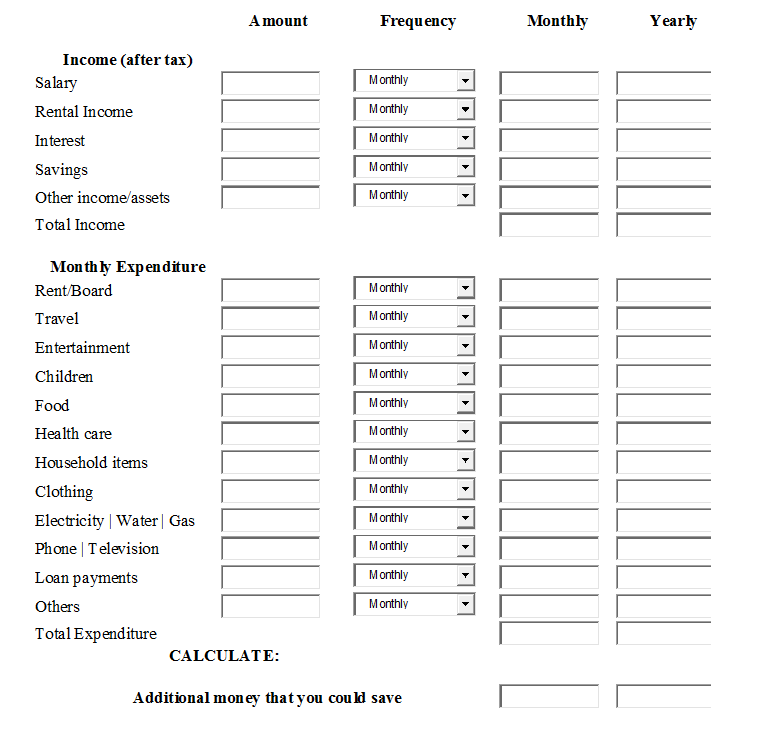
Before you can allocate a single dollar to a specific category, you must have an uncompromisingly honest view of your current financial standing. This stage is about data collection and categorization, forming the bedrock upon which your entire strategy will rest.
Understanding Your Net Income
The first mistake many novice budgeters make is calculating their budget based on their gross salary. To build a functional monthly budget, you must work exclusively with your net income—the amount that actually hits your bank account after taxes, insurance premiums, and retirement contributions. If you are a freelancer or a gig economy worker with fluctuating income, it is prudent to use a “conservative average” of your last six months of earnings or, better yet, base your budget on your lowest-earning month to ensure a safety margin.
Auditing Variable and Fixed Expenses
Once your income is clear, you must scrutinize your outflows. Fixed expenses are the easiest to track; these include rent or mortgage payments, car insurance, and subscription services that cost the same amount every month. Variable expenses, however, require more diligence. This category encompasses groceries, utilities, dining out, and fuel. To get an accurate picture, review your bank statements from the last three months. Categorizing these transactions will reveal spending patterns you might not have been consciously aware of, such as the cumulative cost of daily convenience purchases.
Identifying “Leaky” Spending Habits
Every budget has “leaks”—small, recurring costs that seem insignificant in isolation but drain your wealth over time. This could be an unused gym membership, premium cable channels you never watch, or excessive delivery fees from food apps. Identifying these leaks during the tracking phase allows you to make immediate “quick wins” for your budget before you even begin the formal allocation process.
2. Choosing a Budgeting Framework That Aligns with Your Goals
There is no one-size-fits-all approach to financial management. The methodology you choose should reflect your personality, your level of financial discipline, and your specific objectives.
The 50/30/20 Rule
For those who prefer a high-level, intuitive approach, the 50/30/20 rule is an excellent starting point. In this model, 50% of your net income goes toward “Needs” (housing, utilities, basic groceries), 30% goes toward “Wants” (hobbies, dining out, entertainment), and 20% is strictly reserved for “Financial Goals” (debt repayment, emergency funds, and investments). This framework ensures that you are prioritizing your future self while still maintaining a lifestyle that is enjoyable in the present.
Zero-Based Budgeting
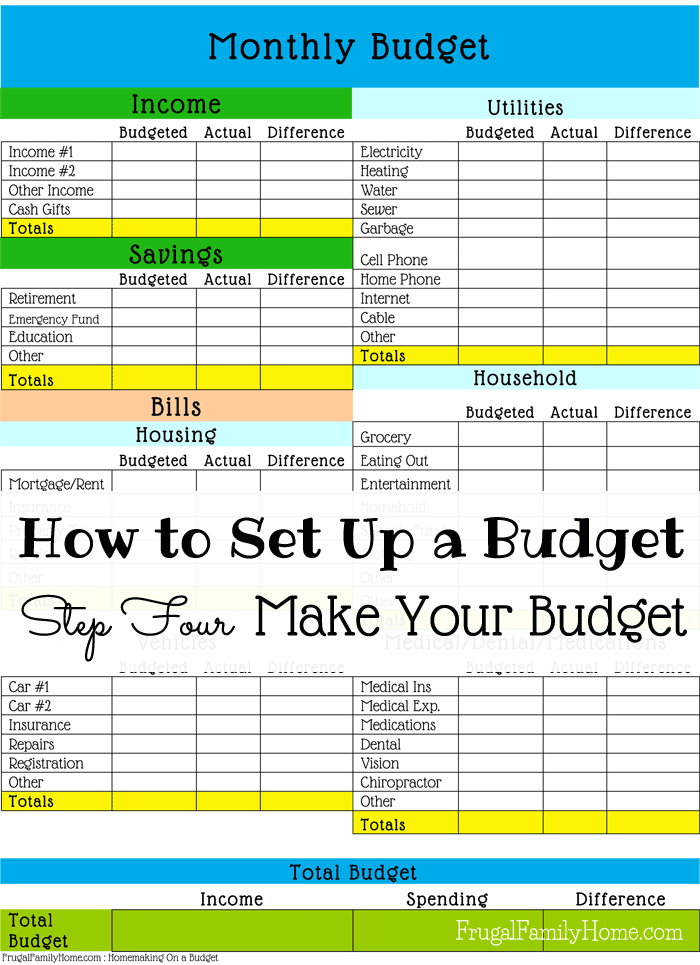
Zero-based budgeting is the gold standard for those who want total control over every cent. The philosophy is simple: Income minus Expenses equals Zero. This does not mean you have zero dollars in your bank account; rather, it means every dollar has been assigned a specific job. If you have $4,000 in monthly income, you must assign all $4,000 to various categories, including savings and investments. This method is highly effective for aggressive debt repayment because it prevents “idle money” from being mindlessly spent.
The Envelope System and Digital Alternatives
The envelope system is a traditional method where you use physical cash for variable categories like groceries and entertainment. Once the cash in the “Dining Out” envelope is gone, you cannot spend any more in that category for the month. In our increasingly cashless society, many people use “digital envelopes” through specialized apps or by setting up multiple sub-accounts with their bank. This provides a hard boundary that prevents overspending in discretionary areas.
3. Integrating Financial Tools and Automation for Efficiency
In the digital age, manual tracking can become a chore that leads to burnout. Leveraging the right financial tools can transform budgeting from a high-effort task into a streamlined, automated process.

Utilizing Budgeting Software and Apps
Modern software can sync directly with your bank accounts and credit cards to categorize transactions in real-time. These tools provide visual dashboards, showing you exactly what percentage of your budget has been spent at any point in the month. When choosing a tool, look for features like custom tagging, goal tracking, and bank-level security. The goal of using software is to reduce the “friction” of budgeting, making it easier to stick to the plan long-term.
The Power of Automated Transfers
The most successful budgeters remove human willpower from the equation as much as possible. Set up “Pay Yourself First” automations. On the day your paycheck arrives, your bank should automatically move a predetermined amount into your high-yield savings account or brokerage account. By automating your savings and debt payments, you ensure that your financial goals are met before you have the chance to spend that money on non-essentials.
Monitoring Your Credit and Debt Tools
A comprehensive budget should also incorporate a view of your liabilities. Use tools that allow you to track your credit score and the interest rates on your various debts. Understanding the “cost of carry” for your debt allows you to prioritize high-interest balances—such as credit cards—within your budget, potentially saving you thousands of dollars in interest over the life of the loan.
4. Strategic Allocation: Balancing Survival, Security, and Growth
A budget is not just about paying bills; it is about building a hierarchy of financial health. Your monthly allocations should reflect a progression from immediate needs to long-term wealth.
Building and Maintaining an Emergency Fund
Before aggressively investing in the stock market or splurging on luxury items, your budget must prioritize an emergency fund. Most financial experts recommend holding three to six months of essential living expenses in a liquid, high-yield savings account. This fund acts as your financial insurance policy, protecting you against job loss, medical emergencies, or major home repairs. Your monthly budget should include a “line item” for this fund until it is fully capitalized.
Debt Repayment Strategies: Snowball vs. Avalanche
If you carry debt, your budget should clearly define your repayment strategy. The “Debt Snowball” method focuses on paying off the smallest balances first to gain psychological momentum. The “Debt Avalanche” method focuses on the debts with the highest interest rates first to minimize total interest paid. Whichever method you choose, your budget must reflect the specific monthly amount dedicated to these extra payments beyond the minimums.
Investing for the Future
Once your high-interest debt is managed and your emergency fund is stable, your budget should shift focus toward wealth-building. This includes contributing to retirement accounts (like a 401(k) or IRA) and taxable brokerage accounts. Treat these investments as non-negotiable monthly expenses. Over time, the power of compound interest will turn these monthly budgetary allocations into significant capital, providing the foundation for financial independence.
5. Maintenance, Optimization, and the Psychology of Budgeting
A budget is a living document, not a static monument. As your life changes—through raises, marriage, children, or moving—your budget must evolve to remain relevant and effective.
Conducting the Monthly Audit
At the end of every month, spend 30 minutes reviewing your performance. Did you overspend in the “Wants” category? Did a utility bill come in higher than expected? This audit isn’t about self-criticism; it’s about calibration. Use the data from the past month to adjust your categories for the next month. This constant refinement process ensures that your budget stays realistic and attainable.
Combating Lifestyle Creep
“Lifestyle creep” occurs when your expenses increase at the same rate as your income. When you receive a raise or a bonus, the temptation is to upgrade your car or move into a more expensive apartment. A disciplined budgeter views an increase in income as an opportunity to accelerate financial goals. By keeping your expenses relatively flat while your income grows, you widen the gap between what you earn and what you spend—this gap is where true wealth is created.
The Psychological Benefit of Financial Clarity
Finally, it is important to recognize the mental health benefits of a monthly budget. Financial stress is one of the leading causes of anxiety and relationship strain. When you have a clear plan, you replace uncertainty with control. You no longer have to wonder if you can afford a purchase; you simply check your budget. This clarity reduces “financial noise” and allows you to focus your energy on your career, your family, and your personal growth.
In conclusion, making a monthly budget is the single most important step you can take toward financial mastery. By identifying your baseline, choosing a framework, leveraging modern tools, and strategically allocating your resources, you transform your relationship with money. It is a process of continuous improvement that rewards discipline with security and foresight with freedom. Start today, stay consistent, and watch as your financial aspirations transition from distant dreams into concrete realities.
aViewFromTheCave is a participant in the Amazon Services LLC Associates Program, an affiliate advertising program designed to provide a means for sites to earn advertising fees by advertising and linking to Amazon.com. Amazon, the Amazon logo, AmazonSupply, and the AmazonSupply logo are trademarks of Amazon.com, Inc. or its affiliates. As an Amazon Associate we earn affiliate commissions from qualifying purchases.