
In the modern landscape of personal finance, healthcare costs remain one of the most volatile and significant threats to a balanced budget. For millions of Americans, the cost of life-saving medications can fluctuate wildly based on insurance coverage, pharmacy locations, and PBM (Pharmacy Benefit Manager) negotiations. This volatility has birthed a specific category of financial tools: the free prescription discount card.
While these cards are often marketed as simple coupons, they are actually sophisticated financial instruments that provide access to pre-negotiated rates that are otherwise hidden from the general public. Choosing the “best” card is not a one-size-fits-all endeavor; it requires an understanding of how these platforms interact with the pharmaceutical supply chain and your personal financial goals.
Understanding Prescription Discount Cards as Financial Tools
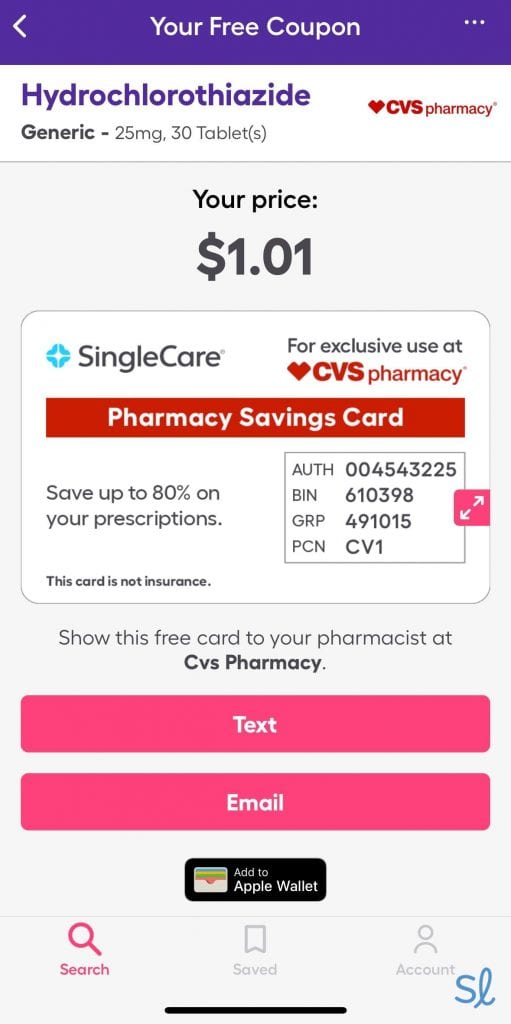
To identify the best discount card, one must first understand the mechanism behind them. These cards are not insurance. Instead, they represent a partnership between discount card companies and PBMs. PBMs negotiate prices with pharmacies for large groups; discount card companies essentially “rent” these rates and pass them on to consumers.
The Business Model Behind the “Free” Label
In the realm of personal finance, nothing is truly free. When you use a prescription discount card, the pharmacy pays a small transaction fee to the card issuer and the PBM. In some cases, your data regarding the medication purchased is also a valuable commodity. Understanding this helps a savvy consumer realize that these cards are competitive businesses vying for your transaction, which is why prices vary so significantly between platforms.
Why Prices Vary by Pharmacy
Unlike a standard retail product with a fixed MSRP, drug pricing is a fluid market. A discount card might offer a 70% discount at a large chain like CVS but only 20% at a local independent pharmacy. This is due to the varying contracts between the PBMs and the specific pharmacy chains. From a money-management perspective, this means that the “best” card is often the one that has the strongest relationship with the pharmacy closest to your home.
Strategic Use Alongside Insurance
A common misconception is that these cards are only for the uninsured. In reality, they are a powerful tool for those with high-deductible health plans (HDHPs). If your insurance co-pay for a generic drug is $30, but a discount card can get it for $12, it is financially prudent to use the card. However, consumers must remember that purchases made with discount cards typically do not count toward an insurance deductible. This creates a strategic choice: save cash now or pay more to reach a deductible sooner.
Top Contenders for the Best Free Prescription Discount Card
While the market is saturated with options, a few platforms stand out for their reliability, network size, and the depth of their discounts. When evaluating these from a financial perspective, we look for transparency, ease of use, and consistency in pricing.
GoodRx: The Market Leader in Transparency
GoodRx is arguably the most recognized name in the industry, and for good reason. Their primary strength lies in their massive database and user-friendly interface. For a financial tool to be effective, it must provide real-time data. GoodRx aggregates prices from over 70,000 pharmacies, allowing users to compare prices blocks away from each other. Their “Gold” subscription offers even deeper discounts, but for the average person, their free version remains the gold standard for quick price checks.
SingleCare: Loyalty and Consistency
SingleCare competes directly with GoodRx but distinguishes itself through its “Member Savings” program. While the card is free, creating an account often unlocks extra “bonus savings” that are applied at checkout. From a side-by-side comparison, SingleCare occasionally outperforms GoodRx on common generic medications. Their transparency regarding which pharmacies are “preferred” helps users avoid the frustration of a card being declined at the counter.
WellRx: Comprehensive Data and Tools
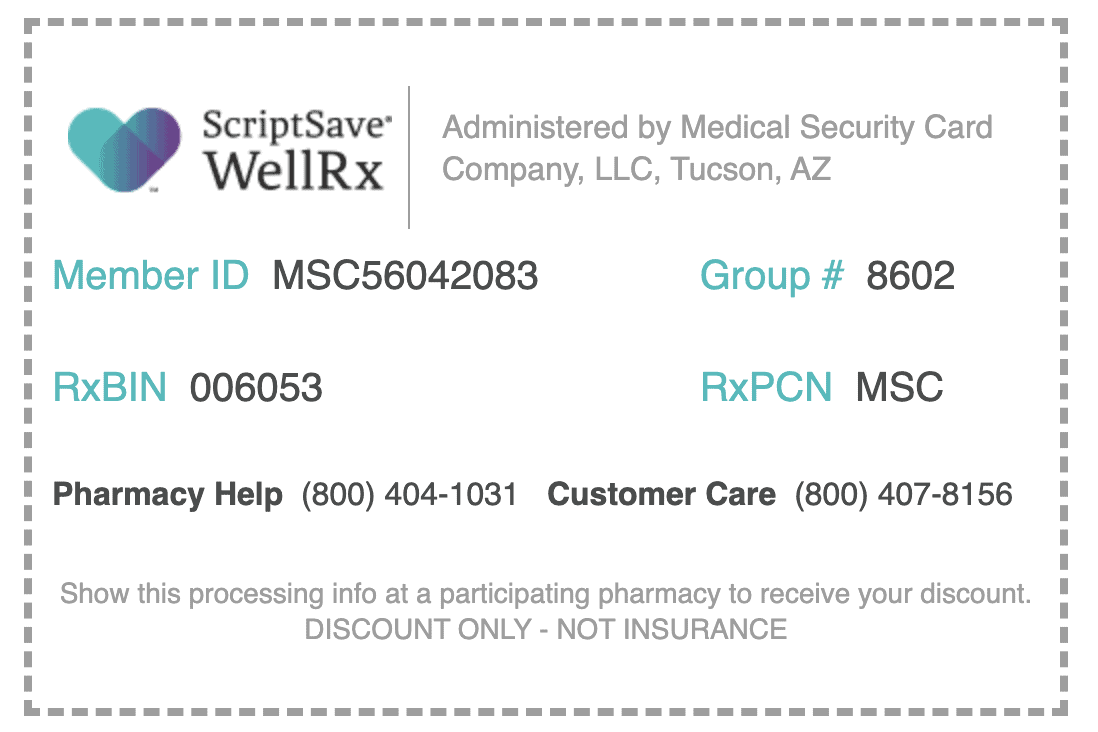
WellRx (by ScriptSave) is a veteran in the space. What makes it a top contender for those focused on business and personal finance is its integration of health tools alongside price comparisons. They offer medication alerts and pill identifiers, which add value beyond the transaction. Financially, they often have strong partnerships with grocery-store pharmacies (like Kroger or Safeway), which can sometimes offer lower overhead prices than dedicated drugstores.
Optum Perks: The Power of UnitedHealth Group
Optum Perks is the discount arm of Optum, which is owned by UnitedHealth Group. This corporate pedigree gives them significant leverage in negotiations. For consumers, this often translates to highly competitive prices on brand-name medications that other discount cards struggle to discount effectively. If you are taking a specialized medication without a generic equivalent, Optum Perks is often the first place a financial advisor would suggest looking.
Evaluating the Financial Impact: How Much Can You Actually Save?
The effectiveness of these cards is most visible when looking at generic versus brand-name drugs. The pharmaceutical industry operates on massive margins for new drugs, but generics are a commodity market where these discount cards thrive.
Generic vs. Brand Name Economics
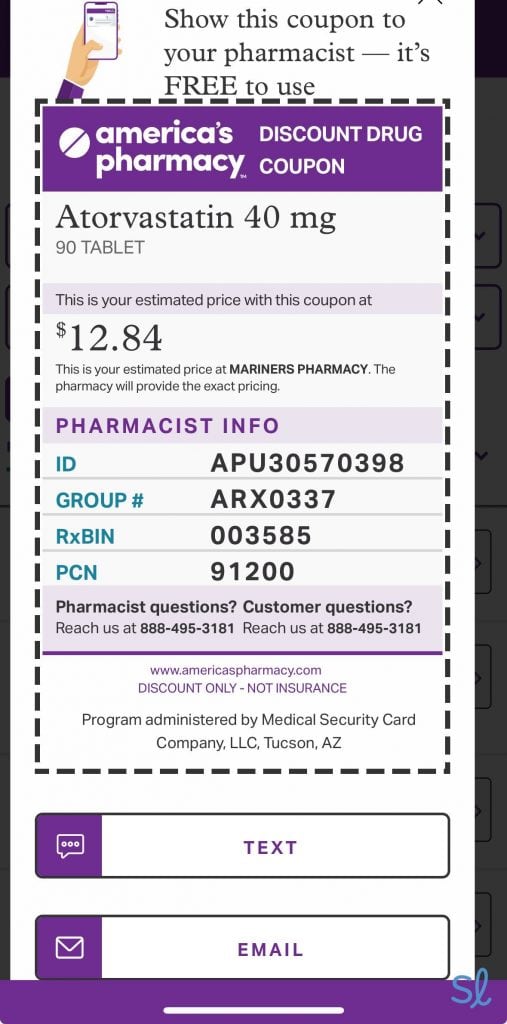
Generic drugs account for roughly 90% of prescriptions filled in the U.S. Because multiple manufacturers produce these, price competition is fierce. A discount card can often reduce the price of a generic drug by 80% or more. For a household managing chronic conditions like hypertension or high cholesterol, this can result in annual savings of $500 to $2,000—a significant “raise” in disposable income achieved simply through better shopping habits.
Bypassing the Insurance Middleman
There is a growing trend where the “cash price” via a discount card is lower than the negotiated “insurance price.” This is a quirk of the American healthcare system that every budget-conscious individual should exploit. By asking the pharmacist, “What is the cash price versus my insurance price?” and then presenting a discount card, you are performing a simple arbitrage that keeps more money in your savings account.
The Role of Manufacturer Coupons
While third-party discount cards are great for generics, brand-name medications often have “Manufacturer Co-pay Cards.” These are different from the general cards discussed so far. These are issued by the drug maker (like Pfizer or Eli Lilly) to lower the barrier to entry for expensive new drugs. A savvy financial strategy involves checking for a manufacturer coupon first, and if none exist, falling back on a general discount card like GoodRx or SingleCare.
Strategic Tips for Maximizing Your Healthcare Budget
Using a discount card is only one part of a broader financial wellness strategy. To truly optimize your healthcare spending, you must integrate these tools into your overall financial planning.
Stacking Discounts with HSAs and FSAs
The ultimate “money move” in healthcare is the triple-tax advantage of a Health Savings Account (HSA). You can use a prescription discount card to lower the price of your medication and then pay for that discounted price using your HSA. This allows you to pay for your healthcare with pre-tax dollars while simultaneously ensuring you are paying the lowest possible price. This compounding of savings is essential for long-term wealth building.
Price Transparency as a Lifestyle
In the same way that a savvy investor monitors their portfolio, a budget-conscious individual should monitor their recurring costs. Prescription prices change monthly. Just because GoodRx had the best price in January doesn’t mean SingleCare won’t have a better one in March. Using a “price aggregator” approach—checking at least two apps before a refill—takes less than two minutes but can yield a 20-30% variance in price.
Mail-Order vs. Local Pharmacy
Many discount card platforms now offer their own mail-order services. Financially, mail-order is often cheaper for 90-day supplies because it reduces the “dispensing fee” charged by physical pharmacies. If your medication is for a long-term, stable condition, switching to a 90-day mail-order supply via a discount platform can reduce your annual costs by an additional 10-15%.
Limitations and Critical Considerations
No financial tool is without its drawbacks. To use prescription discount cards effectively, one must be aware of the trade-offs involved, particularly regarding data and insurance integration.
Privacy and Data Value
As mentioned, these cards are free because your data has value. While HIPAA laws protect your medical records, the “de-identified” data regarding which drugs are being purchased at which locations is often used for market research. For most, the financial savings outweigh the privacy concerns, but it is a factor to consider if you are highly protective of your digital footprint.
The “Deductible Trap”
The biggest financial risk of using a discount card is the failure to reach your insurance deductible. If you have a $3,000 deductible and a $500 monthly medication, using a discount card to pay $100 out-of-pocket might seem smart. However, that $100 does not count toward your $3,000 limit. If you have a major surgery later in the year, you will still owe the full deductible. You must calculate whether the immediate cash savings are worth the delay in reaching your out-of-pocket maximum for the year.
Pharmacy Participation
Not all pharmacies are required to honor every card. While the major chains (Walgreens, CVS, Rite Aid) generally participate in the large programs, they may opt out of certain PBM contracts that they find unprofitable. Always confirm the price on the app matches the pharmacy’s system before the pharmacist rings up the transaction.
Conclusion: The Verdict on the Best Card
If you are looking for the absolute “best” free prescription discount card, the answer is that the best card is a combination of GoodRx and SingleCare.
GoodRx provides the most comprehensive data set and the most reliable price comparisons across the widest network of pharmacies. It is the essential starting point for any price-conscious consumer. However, SingleCare often provides deeper “member-only” discounts that can beat GoodRx on specific generic medications.
From a professional financial perspective, the goal is not loyalty to a single brand, but the optimization of your capital. By treating prescription medications as a shoppable commodity rather than a fixed cost, and by utilizing these digital tools to navigate the complexities of PBM pricing, you can reclaim a significant portion of your healthcare budget. In the world of personal finance, saving $50 a month on a prescription is functionally identical to earning $50 a month in passive income—it is a win for your bottom line.
aViewFromTheCave is a participant in the Amazon Services LLC Associates Program, an affiliate advertising program designed to provide a means for sites to earn advertising fees by advertising and linking to Amazon.com. Amazon, the Amazon logo, AmazonSupply, and the AmazonSupply logo are trademarks of Amazon.com, Inc. or its affiliates. As an Amazon Associate we earn affiliate commissions from qualifying purchases.