
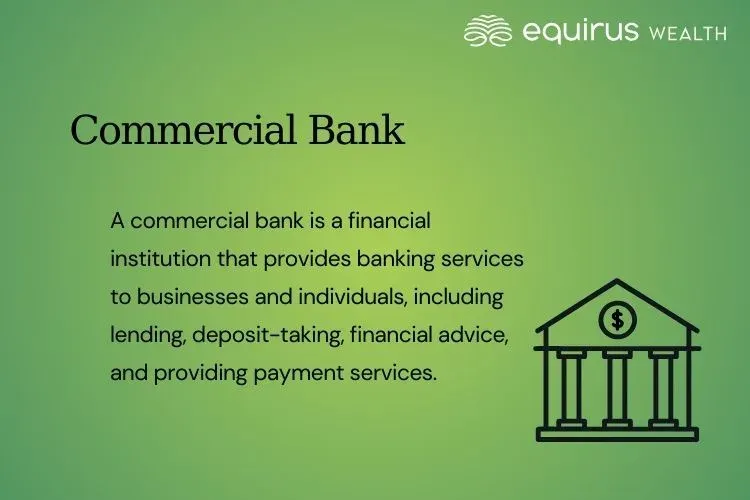
In the complex ecosystem of global finance, the commercial bank stands as the most critical pillar of stability and growth. While most people interact with these institutions daily—whether by swiping a debit card, checking an app, or applying for a mortgage—the underlying mechanics of how a commercial bank functions and its pivotal role in the economy are often misunderstood. At its simplest, a commercial bank is a financial institution that accepts deposits from the public and provides loans for consumption and investment to make a profit. However, in the modern era, their scope has expanded far beyond these traditional boundaries.
Understanding the Core Functions of Commercial Banks
To understand what a commercial bank is, one must first look at its primary responsibilities. These institutions act as intermediaries between those who have excess capital (depositors) and those who need capital (borrowers). This process is known as financial intermediation, and it is the heartbeat of a functioning capitalist society.
The Mobilization of Savings and Deposits
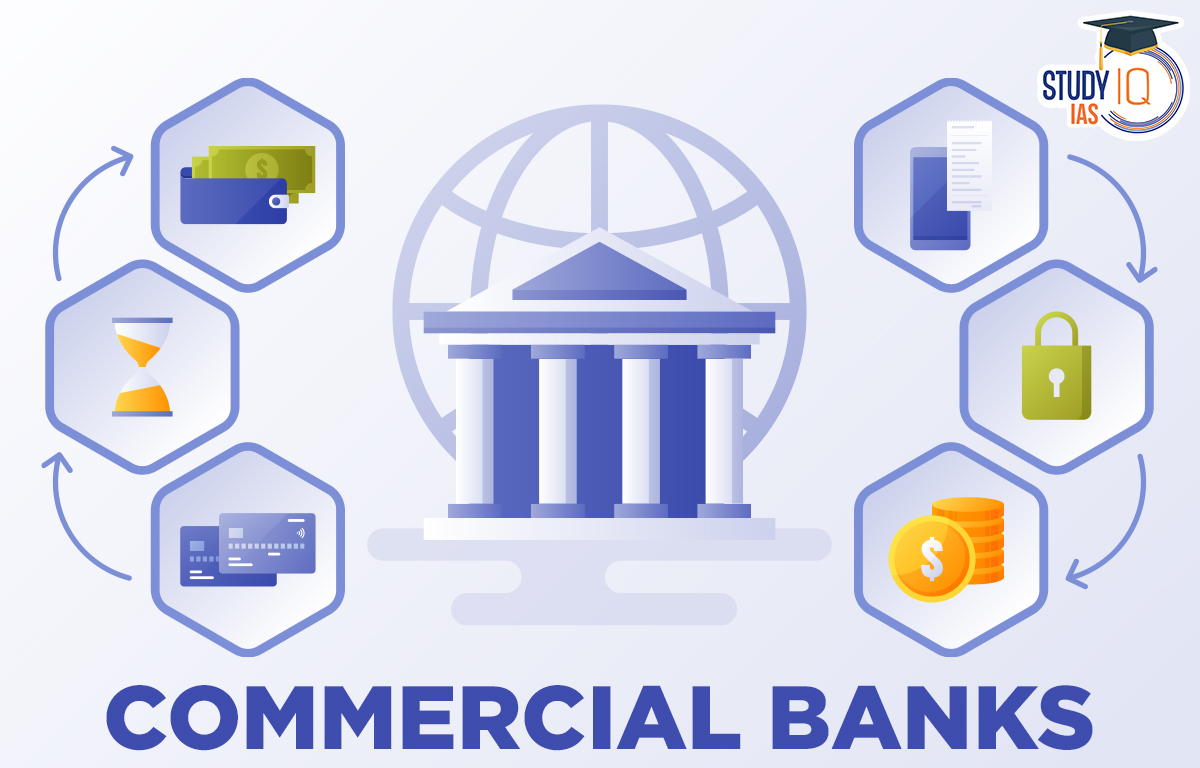
The most visible function of a commercial bank is the acceptance of deposits. Banks provide a secure environment for individuals and businesses to store their wealth. This includes various types of accounts:
- Demand Deposits: Commonly known as checking accounts, these allow for immediate access to funds through withdrawals, checks, or electronic transfers.
- Savings Accounts: These offer a modest interest rate in exchange for keeping money in the account, though they may have limits on the number of monthly transactions.
- Time Deposits (Certificates of Deposit): These are accounts where the depositor agrees to leave their money for a fixed period (ranging from months to years) in exchange for a higher interest rate.
Credit Creation and Lending Operations
Lending is the primary way commercial banks generate value. By taking the “idle” money from depositors, banks can issue loans to others. This includes personal loans, auto loans, mortgages, and business lines of credit. This function is essential for economic expansion; without commercial bank lending, most individuals could not afford homes, and most businesses could not fund the equipment or inventory needed to scale.
Payment Processing and Settlement Systems
In the modern economy, commercial banks serve as the “plumbing” for the financial system. They facilitate the movement of money across the globe through wire transfers, Automated Clearing House (ACH) payments, and credit/debit card processing. This ensures that commerce remains fluid and that transactions can occur instantaneously between parties who may be thousands of miles apart.
How Commercial Banks Generate Revenue and Manage Risk
While commercial banks provide essential public services, they are private, profit-seeking entities. Their business model relies on a delicate balance of managing interest rates and mitigating financial risks.
The Net Interest Margin
The primary source of income for a commercial bank is the “spread,” or the Net Interest Margin (NIM). This is the difference between the interest the bank pays to its depositors and the interest it charges to its borrowers. For example, if a bank pays 1% interest on a savings account but charges 7% on a small business loan, the 6% difference (minus operational costs and defaults) represents the bank’s gross profit.
Fee-Based Services and Non-Interest Income
As interest rates fluctuate, many banks have diversified their income streams through fee-based services. These include:
- Account Maintenance Fees: Monthly charges for keeping accounts open.
- Transaction Fees: Costs associated with wire transfers, overdrafts, and ATM usage.
- Advisory and Wealth Management: Charging commissions or flat fees for helping clients manage investments or plan for retirement.
- Treasury Management: Providing specialized cash flow services for large corporations.
Risk Management and Capital Adequacy
Because banks lend out money that technically belongs to their depositors, they must manage risk with extreme precision. They utilize credit scoring models to determine the likelihood of a borrower defaulting. Furthermore, regulators require banks to maintain a certain level of “capital adequacy,” ensuring they have enough liquid reserves to survive economic downturns or a sudden surge in withdrawal requests.
The Role of Commercial Banks in the Broader Economy
Commercial banks do more than just manage individual accounts; they are the primary engines of “money creation” in a modern economy through a process known as fractional reserve banking.
Fractional Reserve Banking and Money Supply
When you deposit $1,000 into a bank, the bank does not keep all that cash in a vault. Instead, they are required to keep only a small fraction (the reserve requirement) and are free to lend out the rest. If the reserve requirement is 10%, the bank keeps $100 and lends $900. That $900 eventually ends up in another bank, which then lends out $810. This cycle effectively expands the money supply, providing the liquidity necessary for a growing economy to function.
Support for Small and Medium Enterprises (SMEs)
Small businesses are often described as the backbone of the economy, but they rarely have the capital to self-fund their growth. Commercial banks provide the specialized commercial loans, equipment financing, and revolving credit lines that allow these businesses to hire employees and innovate. By assessing the viability of local businesses, commercial banks act as “gatekeepers” of credit, directing capital toward the most productive uses.
Transmission of Monetary Policy
When a country’s central bank (such as the Federal Reserve in the U.S.) changes interest rates, it uses commercial banks to transmit these changes to the public. If the central bank raises rates, commercial banks increase the cost of borrowing, which cools down an overheating economy. Conversely, lowering rates encourages commercial banks to lend more cheaply, stimulating economic activity during a recession.
Distinguishing Commercial Banks from Other Financial Institutions
The term “bank” is often used as a catch-all, but commercial banks differ significantly from investment banks, credit unions, and central banks.
Commercial vs. Investment Banking
While commercial banks deal primarily with deposits and loans for the general public and businesses, investment banks focus on high-level corporate finance. Investment banks help companies go public through Initial Public Offerings (IPOs), facilitate mergers and acquisitions (M&A), and engage in complex securities trading. While some massive “universal banks” (like JPMorgan Chase or Citigroup) do both, the functions remain distinct in terms of regulation and objective.
Commercial Banks vs. Credit Unions
The primary difference here is ownership and intent. Commercial banks are owned by shareholders and aim to maximize profit. Credit unions are member-owned cooperatives. While they offer similar services like checking accounts and loans, credit unions are non-profit entities that typically return “profits” to members in the form of lower interest rates on loans or higher rates on deposits.
Retail vs. Wholesale Banking
Within the realm of commercial banking, there is a further split. Retail banking focuses on the individual consumer—providing personal checking, mortgages, and credit cards. Wholesale banking (or corporate banking) deals with large-scale clients, such as multinational corporations, offering them massive syndicated loans, foreign exchange services, and complex trade financing.
The Evolution of Commercial Banking: Digital Transformation and Future Trends
The definition of a commercial bank is currently undergoing its most significant transformation since the invention of the ATM. The intersection of finance and technology has changed how users perceive value and access their money.
The Rise of Neo-Banks and Fintech
Traditionally, the strength of a commercial bank was measured by its physical branch network. Today, “Neo-banks”—banks with no physical branches—are challenging traditional giants. These digital-first institutions offer lower fees and better user experiences by stripping away the overhead costs of brick-and-mortar locations. This competition has forced traditional commercial banks to invest billions in mobile technology and digital security.
Financial Inclusion and Global Connectivity
Modern commercial banking is becoming more inclusive. With the rise of mobile banking, populations that were previously “unbanked” in developing nations can now access credit and savings tools through their smartphones. Furthermore, blockchain and distributed ledger technology are being explored by commercial banks to make international trade finance faster and less expensive, potentially removing the friction of cross-border commerce.

The Enduring Importance of Trust
Despite the technological shifts, the fundamental “product” of a commercial bank remains the same: Trust. A commercial bank is an institution where you place your labor’s earnings with the confidence that it will be there when you need it. As we move further into a digital age, the role of the commercial bank as a regulated, insured, and stable guardian of wealth becomes even more vital to the health of the global financial system.
In conclusion, a commercial bank is far more than a building with a vault. It is a dynamic engine of economic growth, a facilitator of daily commerce, and a vital partner for both personal financial security and business expansion. By understanding how these institutions operate—from the way they create credit to the way they manage risk—individuals and business owners can better navigate the financial landscape and leverage banking tools to achieve their long-term monetary goals.
aViewFromTheCave is a participant in the Amazon Services LLC Associates Program, an affiliate advertising program designed to provide a means for sites to earn advertising fees by advertising and linking to Amazon.com. Amazon, the Amazon logo, AmazonSupply, and the AmazonSupply logo are trademarks of Amazon.com, Inc. or its affiliates. As an Amazon Associate we earn affiliate commissions from qualifying purchases.