
In the modern financial landscape, the ability to quickly and securely access your banking information is a cornerstone of effective personal finance management. Whether you are setting up a new direct deposit for a side hustle, organizing automated bill payments, or linking your accounts to an investment platform, your Chase account and routing numbers are the primary keys to your liquid assets. However, for many users, these strings of digits are not immediately visible upon logging into a banking portal—a deliberate security measure designed to protect your sensitive data from prying eyes.

Understanding how to navigate the Chase ecosystem to retrieve this information is more than just a technical necessity; it is a fundamental skill in maintaining financial agility. This guide provides a comprehensive walkthrough of the various methods available to find your Chase account details, while offering insights into the broader context of banking security and financial organization.
Understanding Your Chase Banking Information: Why It Matters
Before diving into the “how,” it is essential for every account holder to understand the “what.” Your Chase account is identified by two distinct sets of numbers that serve different purposes in the global financial network.
Account Numbers vs. Routing Numbers
While they are often requested together, your account number and routing number perform very different functions. Your routing number (also known as an ABA routing transit number) is a nine-digit code that identifies Chase as the specific financial institution. Think of it as the “address” for the bank itself. Because Chase is a massive national entity, routing numbers can vary depending on the state or region where your account was originally opened.
Conversely, your account number is unique to you. It identifies your specific checking, savings, or business account within the Chase system. When combined, these two numbers ensure that funds moving through the Electronic Funds Transfer (EFT) system or the Automated Clearing House (ACH) network land in the correct pocket.
When You’ll Need This Information
The demand for these numbers usually arises during pivotal financial transitions. You will need them for:
- Direct Deposits: Ensuring your paycheck or government benefits are deposited accurately.
- Automated Clearing House (ACH) Transfers: Moving money between different banks or credit unions.
- Electronic Bill Pay: Authorizing utilities, mortgage lenders, or credit card companies to pull funds directly.
- Wire Transfers: Facilitating high-value, immediate transfers that require specific domestic or international routing details.
How to Find Your Chase Account Number Digitally
As the world shifts toward a “digital-first” banking experience, Chase has streamlined its online interfaces to provide account details with just a few clicks or taps. This is the most efficient method for the modern consumer.
Using the Chase Mobile® App
For many, the Chase Mobile® app is the primary hub for daily financial activity. To find your account number here, follow these steps:
- Log In: Use your biometric data (Face ID/Fingerprint) or your secure password.
- Select the Account: Tap on the specific checking or savings account you wish to view.
- Find the “Account Details” Link: On the main account screen, look for the “Show details” link or the “See more” chevron near the top where your balance is displayed.
- View the Numbers: Upon clicking, the app will expand a section displaying both the full account number and the routing number.
Accessing Information via Chase Online℠ Banking
If you are working from a desktop or laptop, the web portal offers a comprehensive view of your financial standing.
- Secure Login: Navigate to the official Chase website and enter your credentials.
- Dashboard Overview: From your main dashboard, click on the specific account name (e.g., “Total Checking”).
- Account Services: Look for the “Account details” section, which is typically located under the account balance.
- Reveal Hidden Digits: For security, the account number is often masked (showing only the last four digits). Click the “Show” or “View” icon to reveal the full string of numbers.
The Security Benefits of Paperless Information
Retrieving your account number digitally is not only convenient but also inherently more secure than keeping physical records. Digital access allows you to retrieve information on a “need-to-know” basis, reducing the risk of a physical checkbook or statement falling into the wrong hands. By leveraging the Chase app’s encryption and multi-factor authentication, you ensure that your most sensitive financial identifiers remain protected behind layers of cybersecurity.
Alternative Ways to Locate Your Account Details
While digital methods are preferred for speed, there are several “analog” or alternative ways to find your Chase account and routing numbers. These are particularly useful if you are in a location with poor internet connectivity or if you prefer physical documentation.
Checking Your Monthly Statements
Every monthly statement issued by Chase—whether delivered via mail or as a PDF “eStatement”—contains your account details. You can find these in the “Paperless” or “Statements” section of the Chase website. The account number is usually listed at the top of the first page. Note that for security, some printed statements may partially mask the account number; however, the full number is almost always present on the formal PDF versions used for official record-keeping.
Examining Your Physical Checks
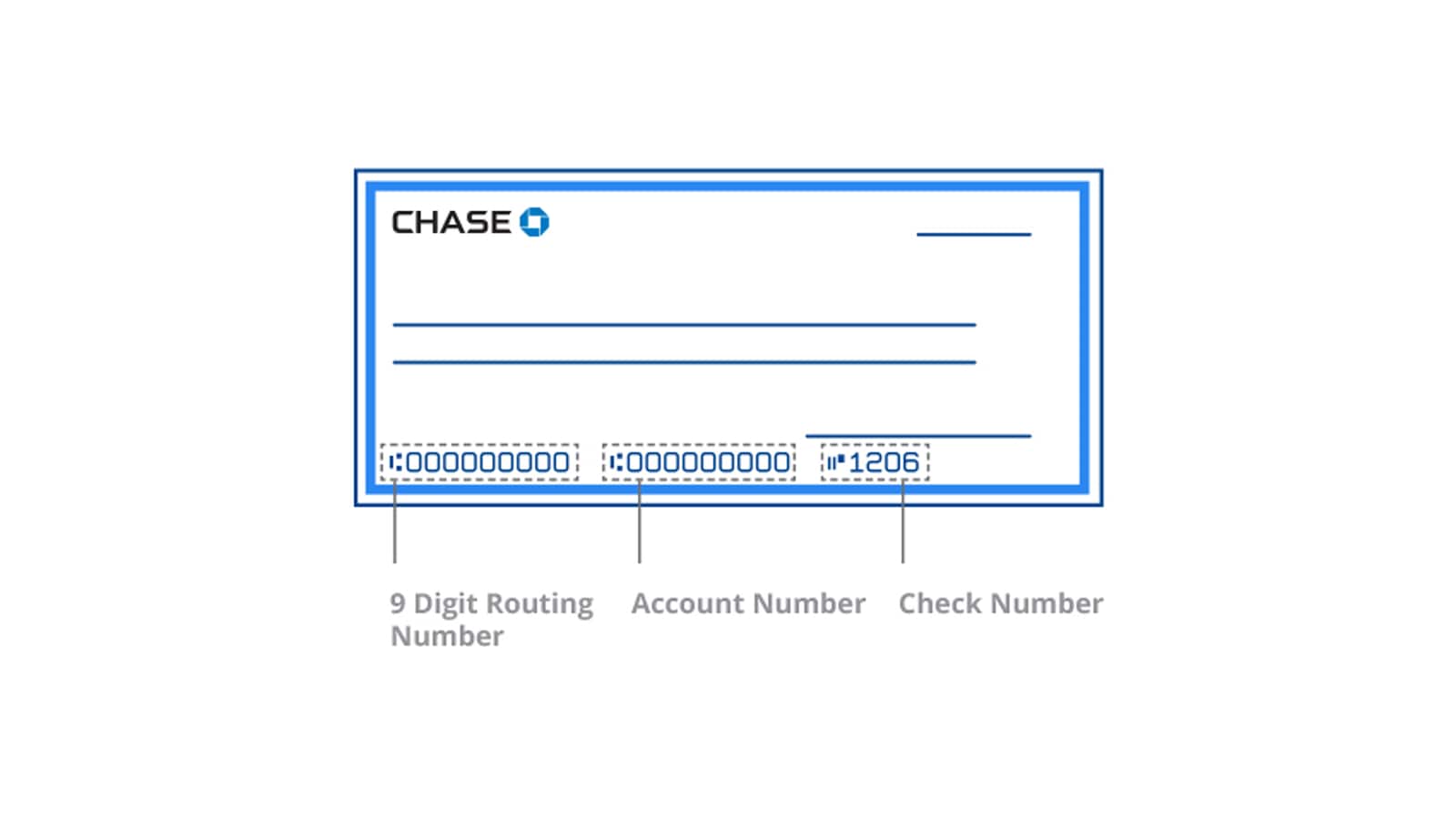
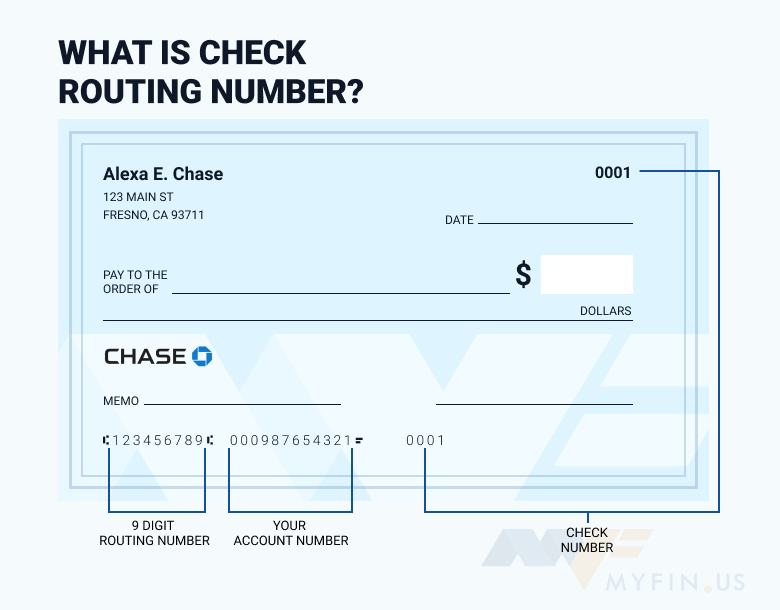
If you still use a physical checkbook, the information you need is printed at the bottom of every check.
- Routing Number: The first set of nine digits on the bottom-left.
- Account Number: The second set of numbers (usually 10 to 12 digits).
- Check Number: The third, shorter set of digits that corresponds to the number in the top-right corner of the check.
Contacting Chase Customer Service
If you are unable to access your account online and do not have a check or statement handy, you can visit a local Chase branch or call their customer service line. For security reasons, a representative will never provide your full account number over the phone without extensive identity verification. Visiting a branch with a government-issued ID is the most reliable way to retrieve this information in person.
Best Practices for Financial Security and Data Protection
Possessing your account and routing numbers is a responsibility. In the wrong hands, these numbers can be used to initiate unauthorized ACH withdrawals or create fraudulent checks. Within the realm of personal finance, data hygiene is as important as budgeting.
Protecting Your Account Information from Fraud
Treat your account number with the same level of secrecy as your Social Security Number. Avoid emailing these numbers in plain text. If you must send them to a financial advisor or a family member, use an encrypted messaging service or provide them over a secure phone call. Furthermore, be wary of “phishing” scams where fraudulent emails appear to be from Chase asking you to “verify” your account number. Chase will never ask you to provide your full account number via an unsolicited email.
The Role of Multi-Factor Authentication (MFA)
To safeguard your digital access, always ensure that Multi-Factor Authentication (MFA) is enabled on your Chase profile. This adds a secondary layer of protection—usually a code sent to your mobile device—that prevents unauthorized users from logging in to view your account details even if they have stolen your password. In the niche of modern money management, MFA is the single most effective tool against digital asset theft.
Optimizing Your Personal Finance Workflow
Once you have located and secured your Chase account details, you can leverage them to optimize your financial life. Efficiently managing these numbers allows you to move away from manual payments and toward an automated, “set-it-and-forget-it” system.
Setting Up Direct Deposits and Automated Payments
The most common use for your Chase account number is the setup of direct deposits. For those involved in the “Online Income” or “Side Hustle” space, getting paid via ACH is faster and more reliable than waiting for a physical check. By providing your routing and account numbers to platforms like PayPal, Stripe, or your employer’s payroll portal, you ensure that your earnings are put to work immediately.
Integrating with Third-Party Financial Tools
For advanced personal finance management, you may wish to link your Chase account to budgeting apps (like YNAB or Monarch Money) or investment platforms (like Vanguard or Fidelity). These services often use secure aggregators like Plaid, which may ask for your Chase login credentials rather than your account number directly. However, knowing your specific account and routing numbers allows you to perform “manual” links via micro-deposits, which is often considered a more secure method for high-value investment accounts.
By mastering the simple task of locating your Chase account number, you are taking an active role in your financial literacy. You are moving beyond being a passive consumer and becoming an informed manager of your personal capital, ensuring that your money is accessible, secure, and ready to be deployed toward your long-term financial goals.
aViewFromTheCave is a participant in the Amazon Services LLC Associates Program, an affiliate advertising program designed to provide a means for sites to earn advertising fees by advertising and linking to Amazon.com. Amazon, the Amazon logo, AmazonSupply, and the AmazonSupply logo are trademarks of Amazon.com, Inc. or its affiliates. As an Amazon Associate we earn affiliate commissions from qualifying purchases.