
In the modern landscape of personal finance, your bank account number is more than just a string of digits; it is the fundamental key to your financial identity within the banking ecosystem. Whether you are setting up a direct deposit for a new career opportunity, automating your monthly mortgage payments, or linking your accounts to a sophisticated wealth management tool, knowing exactly where and how to locate your Chase account number is an essential skill.
While digital banking has made accessing information easier than ever, the security protocols surrounding these sensitive details often mean they aren’t displayed prominently on every screen. This guide provides a comprehensive overview of how to securely retrieve your Chase account and routing numbers through various platforms, while also exploring the broader context of why these identifiers are critical to your overall financial health.
Understanding the Anatomy of Your Financial Identifiers
Before diving into the “how,” it is vital to understand the “what.” In the realm of personal finance, many consumers confuse their account number with their routing number or even their debit card number. Each serves a distinct purpose in the movement of capital.
What Exactly is a Chase Account Number?
Your Chase account number is a unique 10-to-12-digit identifier assigned specifically to your individual checking, savings, or investment account. Unlike your debit card number—which can change if the card is lost, stolen, or expires—your account number typically remains constant for the life of that specific account. It acts as the “address” for your funds, ensuring that money intended for you actually lands in your pocket rather than someone else’s.
The Role of the ABA Routing Number
Often found alongside your account number, the American Bankers Association (ABA) routing number is a nine-digit code that identifies the specific financial institution—in this case, JPMorgan Chase. However, Chase uses different routing numbers based on the state where you opened your account and the type of transaction (e.g., electronic vs. wire transfer). Understanding this distinction is crucial for ensuring that transfers are processed without delays or fees.
Why Your Debit Card Number is Not an Alternative
A common mistake in personal finance management is attempting to use a 16-digit debit card number for ACH (Automated Clearing House) transfers or direct deposits. Debit card numbers are part of the payment processing networks (like Visa or Mastercard) and are used for point-of-sale transactions. They do not represent the underlying depository account. Using a card number for a direct deposit will result in a failed transaction.
Digital Methods: Navigating the Chase Ecosystem
In the age of fintech, most users prefer to access their financial data through digital interfaces. Chase has invested heavily in its digital infrastructure, providing a seamless experience through both its mobile application and its web portal.
Finding Your Account Number via the Chase Mobile App
The Chase Mobile app is the most convenient tool for on-the-go financial management. To find your account number:
- Secure Login: Open the app and authenticate using your biometric data (Face ID/Fingerprint) or your password.
- Select the Account: Tap on the specific checking or savings account you are interested in.
- Account Details: Look for the “See details” link or the “Account details” tab, usually located near the top of the screen under your current balance.
- Display Toggle: For security, the account number is often masked (showing only the last four digits). Tap on the “Show” or “Eye” icon to reveal the full number.
Utilizing the Chase Online Banking Website
For those who prefer a desktop view for their financial planning, the Chase website offers a robust interface.
- Login: Go to the official Chase website and enter your credentials.
- Dashboard Navigation: Once on your account dashboard, click on the specific account you wish to view.
- The “More” Menu: Often, the full account number is tucked away for security. Look for a dropdown menu labeled “Account services” or “Show details.”
- Copy and Verify: The website will display both your account number and the associated routing number. This is an ideal time to cross-reference the numbers if you are setting up an external transfer.
Leveraging Electronic Statements (e-Statements)
If you need a formal document that includes your account number, e-Statements are your best resource. These PDF documents are digital versions of the paper statements you would receive in the mail. They can be found in the “Paperless” or “Statements & Documents” section of the Chase portal. The account number is prominently displayed in the header of every statement, making it an excellent source of truth for financial record-keeping.
Physical and Traditional Methods of Retrieval

While digital access is dominant, traditional physical methods remain reliable and are often necessary for certain financial workflows, such as providing a voided check for payroll departments.
The Anatomy of a Personal Check
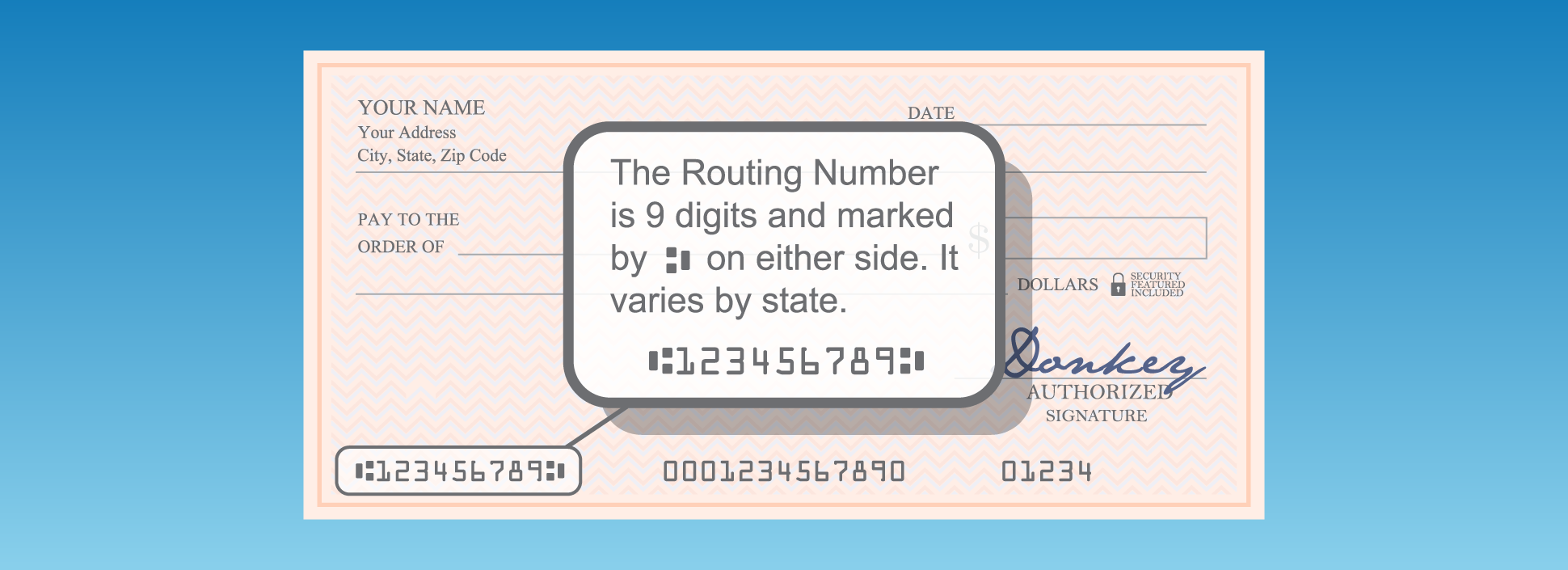
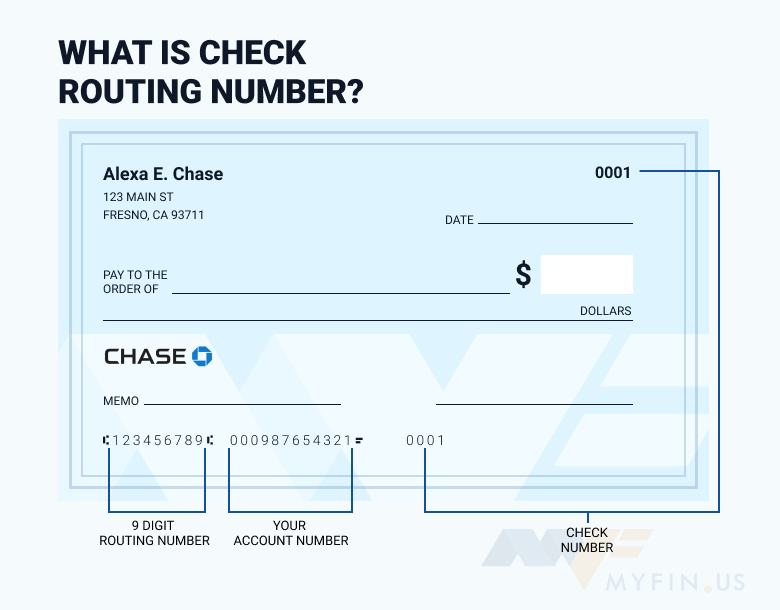
If you have a Chase checkbook, your account number is literally at your fingertips. At the bottom of any check, you will see a string of numbers printed in a specialized magnetic ink (MICR).
- The first set of nine digits is your ABA routing number.
- The second set of digits (usually 10-12 digits) is your account number.
- The final set of digits is the specific check number.
Using a check is often the most foolproof way to provide your information to third parties, as it contains all the necessary data for electronic transfers in a standardized format.
Visiting a Chase Branch
In an era of digital-first banking, the value of personalized service cannot be overlooked. If you are unable to access your accounts digitally and do not have checks, you can visit any Chase branch. To protect your financial security, you will be required to provide a valid government-issued photo ID. A personal banker can then provide you with your account details and even print a “direct deposit form” that includes your account and routing numbers officially verified by the bank.
Reviewing Mailed Correspondence
Although many have transitioned to paperless billing to reduce their environmental footprint, those who still receive physical mail can find their account numbers on monthly statements. Note that for security purposes, some general correspondence from the bank may mask the first few digits of your account number, so always refer to the “Statement of Account” for the full, unmasked version.
Safeguarding Your Financial Identity
Accessing your account number is a matter of convenience, but protecting it is a matter of financial survival. In the wrong hands, an account and routing number can be used to authorize unauthorized ACH withdrawals or create fraudulent checks.
Best Practices for Digital Security
When accessing your Chase account number online, ensure you are on a private, secure Wi-Fi network. Avoid checking sensitive financial details on public hotspots (like those at cafes or airports), which are vulnerable to “man-in-the-middle” attacks. Furthermore, always enable Multi-Factor Authentication (MFA) on your Chase account. This ensures that even if someone gains access to your password, they cannot view your account details without a secondary verification code.
The Dangers of Phishing
Be wary of emails or text messages that claim to be from Chase asking you to “verify” your account number by clicking a link. Chase will never ask you to provide your full account number or password via an unprompted communication. If you receive such a request, it is likely a phishing attempt designed to drain your assets.
Disposing of Physical Documents
If you print out statements or have old checkbooks, never simply throw them in the trash. Use a cross-cut shredder to destroy any document that contains your full account number. Identity thieves often engage in “dumpster diving” to find the exact information you are looking for today.
Practical Applications: Why Your Account Number Matters
Understanding how to find your account number is the first step toward sophisticated financial management. This information is the “piping” through which your financial life flows.
Streamlining Direct Deposits
The most common use for your account number is setting up a direct deposit. By providing your employer with your Chase account and routing numbers, you ensure that your salary is available to you immediately on payday, bypassing the need to physically deposit a check and wait for it to clear. This is a foundational step in building a consistent savings habit.
Automating Wealth Building
If you are focused on long-term investing, you will need your account number to link your Chase checking account to external brokerage platforms or high-yield savings accounts. Automating the transfer of funds from your primary Chase account to an investment vehicle is one of the most effective strategies for accumulating wealth over time.
Managing Large Transactions (Wires and Tax Payments)
When making significant financial moves—such as paying a down payment on a home or settling a balance with the IRS—you will invariably need your account number. Wire transfers, in particular, require absolute precision; a single digit error in an account number can lead to funds being held in limbo for weeks. By knowing exactly where to find and verify your Chase account number, you can execute these high-stakes transactions with confidence.
In conclusion, your Chase account number is a vital tool in your personal finance toolkit. By mastering the digital and physical ways to locate it, and by maintaining a rigorous standard of security, you empower yourself to manage your money with greater efficiency and peace of mind. Whether through the app, a paper check, or a visit to the branch, keeping this information accessible yet secure is a hallmark of sound financial stewardship.
aViewFromTheCave is a participant in the Amazon Services LLC Associates Program, an affiliate advertising program designed to provide a means for sites to earn advertising fees by advertising and linking to Amazon.com. Amazon, the Amazon logo, AmazonSupply, and the AmazonSupply logo are trademarks of Amazon.com, Inc. or its affiliates. As an Amazon Associate we earn affiliate commissions from qualifying purchases.