
In the vast landscape of American consumer finance, few institutions occupy as specific a niche as Credit One Bank. For many individuals navigating the complexities of personal finance—particularly those looking to establish or repair their credit scores—the name “Credit One” frequently appears in mailboxes and online searches. However, despite its massive presence as one of the fastest-growing credit card issuers in the United States, there remains a significant amount of confusion regarding what the bank offers, how it operates, and where it fits within a healthy financial strategy.
Understanding Credit One requires a deep dive into the “subprime” and “near-prime” lending markets. Unlike traditional “big box” banks that may prioritize consumers with pristine credit histories, Credit One focuses on providing financial tools to those who are often overlooked by the broader banking industry. This article provides a comprehensive analysis of Credit One’s financial ecosystem, its product offerings, and how consumers can leverage these tools to improve their long-term financial health.
What is Credit One Bank? An Overview of the Financial Institution
Credit One Bank, N.A. is a technology-driven financial services company headquartered in Las Vegas, Nevada. While it might not have the physical branch presence of a Chase or a Bank of America, it is a formidable player in the credit card industry, boasting millions of cardholders nationwide. It operates as a subsidiary of Credit One Financial, which is itself part of the larger Sherman Financial Group.
The History and Evolution of Credit One
Credit One began its journey in 1984 as First City Bank in San Rafael, California. In its early years, it functioned as a more traditional full-service bank. However, a pivotal shift occurred in the late 1990s when the institution began focusing its resources on the underserved credit market. By 2006, the bank officially rebranded as Credit One Bank and moved its operations to Nevada.
Since that transition, the bank has leveraged data-driven underwriting to provide credit products to individuals with limited or damaged credit histories. Today, it is recognized not just for its credit cards, but also for its high-yield savings accounts and certificates of deposit (CDs), positioning itself as a more holistic financial partner for the modern consumer.
Credit One vs. Capital One: Clearing the Confusion
Perhaps the most common question in the personal finance world is whether Credit One and Capital One are the same company. The answer is a definitive no. The confusion stems from their remarkably similar logos—both featuring a “swoosh” design—and their overlapping target markets.
Interestingly, Credit One actually used the “swoosh” logo first. While Capital One is a much larger, diversified financial corporation offering everything from auto loans to premium travel cards (like the Venture series), Credit One remains more specialized. When choosing a financial tool, it is vital for consumers to distinguish between the two, as their fee structures, interest rates, and reward programs differ significantly.
Exploring Credit One’s Credit Card Portfolio
At its core, Credit One is a credit card company. Their product lineup is designed to grow with the customer, offering a “ladder” of sorts that begins with basic credit-building tools and ascends to more competitive rewards cards.
Cards for Rebuilding Credit
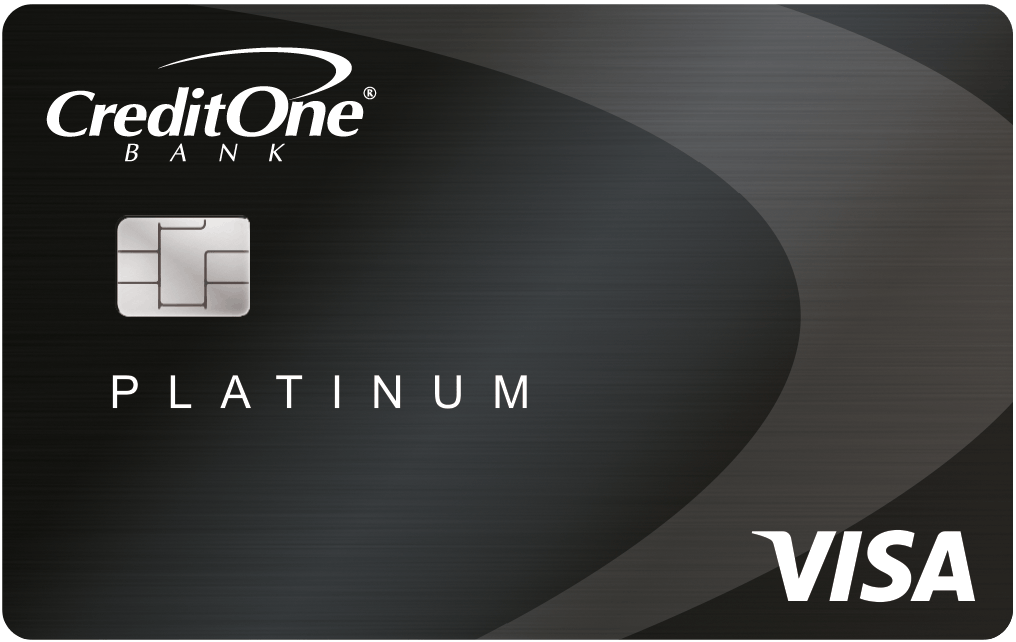
For individuals with a FICO score in the 500s or low 600s, traditional credit cards are often out of reach. Credit One fills this gap with products like the Platinum Visa for Rebuilding Credit. These cards are designed with accessibility in mind. The application process often includes a “pre-qualification” step that allows users to see if they are eligible without a “hard pull” on their credit report, which can temporarily lower a credit score.
These cards typically come with lower initial credit limits—often starting at $300 to $500. The primary purpose of these cards is not large-scale spending, but rather the creation of a consistent “payment history,” which is the single most important factor in calculating a credit score.
Rewards and Cashback Programs for Established Credit
As a consumer’s credit profile improves, Credit One offers more robust options. The bank has expanded its portfolio to include cards that offer 1% to 5% cash back on specific categories such as gas, groceries, and dining.
For example, the Credit One Bank Wander Card targets travelers, offering enhanced points on flights and hotels. By offering these perks, Credit One attempts to retain customers as they transition from “at-risk” borrowers to “prime” consumers, providing an alternative to switching to a different bank once their credit score improves.
Key Features and Member Benefits
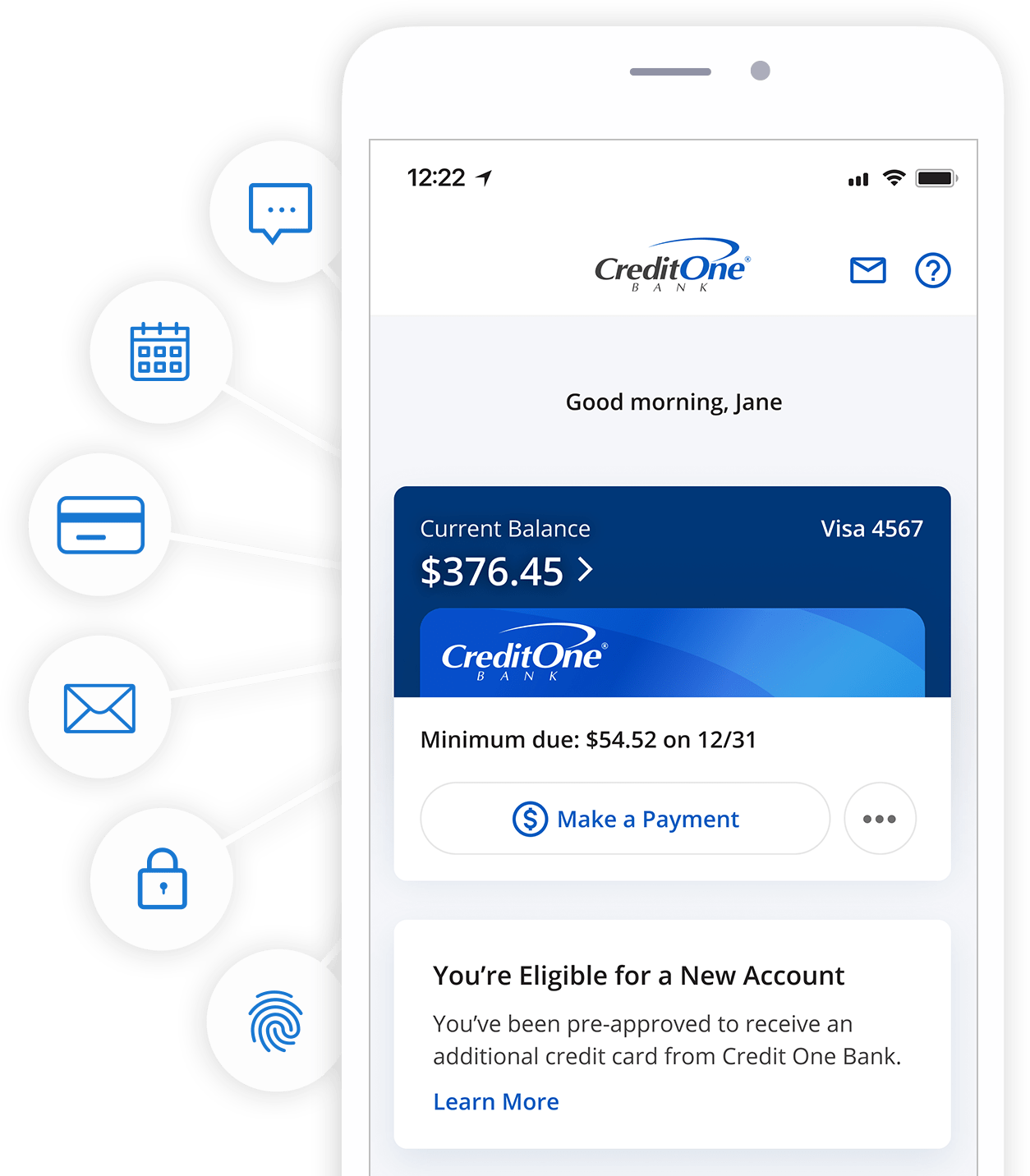
Beyond the revolving line of credit, Credit One provides several financial management tools. Most notably, they offer free access to the user’s Experian Credit Score. In the realm of personal finance, knowledge is power; being able to track score fluctuations in real-time allows users to see the immediate impact of their financial behaviors.
Additionally, most Credit One cards come with “Zero Fraud Liability,” protecting cardholders from unauthorized charges. While this is a standard feature for many high-end cards, it is an essential security layer for those just starting their financial journey.
Navigating the Costs: Fees, Interest Rates, and Terms
While Credit One provides essential access to capital, it is important to analyze the costs associated with their products. In the world of subprime lending, risk is mitigated through higher fees and interest rates. A savvy consumer must understand these terms to ensure the cost of the “credit tool” does not outweigh its benefits.
Understanding Annual Fees and Maintenance Charges
Unlike premium cards that may waive the annual fee for the first year, many Credit One cards charge an annual fee immediately. Depending on the specific card and the applicant’s creditworthiness, this fee can range from $39 to $95 or more.
In some cases, the annual fee is deducted from the initial credit limit. For instance, if a card has a $300 limit and a $75 annual fee, the available credit upon activation would be $225. Furthermore, some older or specific card versions may carry monthly maintenance fees. It is imperative to read the “Schumer Box”—the standardized table of rates and fees—before accepting any card offer.
Interest Rates and APR Considerations
Credit One cards generally carry higher-than-average Annual Percentage Rates (APR). While a prime card from a major bank might offer an APR of 16% to 22%, Credit One cards often hover between 24% and 29%.
From a personal finance perspective, this means that carrying a balance on a Credit One card is expensive. To use these cards effectively, a consumer should aim to pay their balance in full every month. This strategy allows the user to reap the benefits of credit reporting and rewards without losing money to high-interest charges.
Avoiding Common Financial Pitfalls
One unique aspect of some Credit One cards is the lack of a “grace period” on certain transactions or older account types. A grace period is the window between the end of a billing cycle and the payment due date where interest doesn’t accrue. If a card lacks a grace period, interest begins accruing the moment a purchase is made. While most modern Credit One cards have adopted standard grace periods, users must verify this in their specific cardholder agreement to avoid unexpected costs.
Strategic Credit Building with Credit One
The primary reason to use Credit One is to build a bridge to a better financial future. When used strategically, a Credit One account can be the catalyst for a significant score increase over 12 to 24 months.
Reporting to Major Credit Bureaus
The most valuable service Credit One provides is consistent reporting. They report to all three major credit bureaus: Experian, Equifax, and TransUnion. For a “credit invisible” individual or someone recovering from bankruptcy, this consistent data stream is vital. By showing a pattern of on-time payments and low credit utilization, the cardholder demonstrates to the entire lending industry that they are a responsible borrower.
Responsible Usage for Score Optimization
To maximize the benefits of a Credit One card, users should follow the “30% Rule.” This means never using more than 30% of the available credit limit at any given time. On a $300 limit card, a balance should never exceed $90. Keeping utilization low, combined with flawless payment history, can lead to rapid score improvements and eventual offers for higher credit limits or better interest rates.
Transitioning to Premium Financial Products
A Credit One card should often be viewed as a “stepping stone” rather than a “destination.” As a user’s score climbs into the mid-to-high 600s, they may become eligible for cards with no annual fees and lower interest rates. The goal of using a financial tool like Credit One is to eventually qualify for the lowest possible cost of capital, allowing for easier access to mortgages, auto loans, and high-limit rewards cards.
Is Credit One the Right Choice for Your Financial Journey?
Deciding whether to open a Credit One account depends entirely on your current financial profile and your immediate goals.
Assessing Your Financial Profile
If you have a credit score above 670, you can likely find cards with better terms, lower fees, and more lucrative rewards elsewhere. However, if your score is below 600, or if you have a “thin” credit file with no history at all, Credit One offers a legitimate, regulated pathway into the financial system. It is a far better alternative to predatory “payday loans” or “title loans,” which do not help build credit and carry astronomical interest rates.
Comparing Alternatives in the Subprime Market
Before committing, consumers should also look at “Secured Credit Cards” from other major banks. A secured card requires a refundable security deposit, which usually serves as the credit limit. Secured cards often have lower fees than Credit One’s unsecured subprime cards. However, if you do not have the cash upfront for a deposit, an unsecured card from Credit One might be the more accessible entry point.
In conclusion, Credit One Bank serves a vital function in the modern economy by providing credit access to millions of Americans who are working to improve their financial standing. While the fees and interest rates require careful management, the bank’s reporting practices and accessible entry requirements make it a powerful tool for credit rehabilitation. By treating a Credit One card as a disciplined financial instrument—paying on time and keeping balances low—consumers can successfully navigate their way toward a more stable and prosperous financial future.
aViewFromTheCave is a participant in the Amazon Services LLC Associates Program, an affiliate advertising program designed to provide a means for sites to earn advertising fees by advertising and linking to Amazon.com. Amazon, the Amazon logo, AmazonSupply, and the AmazonSupply logo are trademarks of Amazon.com, Inc. or its affiliates. As an Amazon Associate we earn affiliate commissions from qualifying purchases.