
The story of Costco is more than just a timeline of retail growth; it is a masterclass in brand strategy, corporate identity, and the art of unconventional marketing. While many associate the retail giant with oversized pallets of mayonnaise and $1.50 hot dog combos, the brand’s origin is rooted in a disruptive business model that redefined the relationship between retailer and consumer. To understand when Costco began is to understand a pivotal shift in the American retail landscape—one that prioritized long-term loyalty over short-term margins.
The Genesis of a Retail Revolution (1976–1983)
Costco’s brand DNA can be traced back to two distinct but intertwined origins. While the first warehouse under the Costco name opened in 1983, the spiritual and strategic foundation was laid seven years earlier by a retail pioneer named Sol Price.

Sol Price and the Birth of the Warehouse Concept
In 1976, Sol Price opened Price Club in San Diego, California. This was the world’s first membership warehouse club, originally conceptualized to serve small businesses by offering volume discounts in a no-frills environment. Price’s strategy was radical: eliminate the traditional retail “middleman” costs, charge customers a small fee for the privilege of shopping, and maintain a strict cap on markups. This created a brand identity built on “extreme value.” The Price Club model proved that consumers were willing to pay for access if the perceived savings outweighed the membership cost.
Jim Sinegal and Jeff Brotman’s 1983 Vision
James (Jim) Sinegal, a former executive at Price Club, teamed up with attorney Jeffrey Brotman to launch the first Costco Wholesale warehouse in Seattle, Washington, on September 15, 1983. Sinegal understood that the “warehouse” brand didn’t have to be limited to business owners. By targeting the affluent suburban demographic, Costco positioned itself as a “smart” shopping destination rather than a “cheap” one. This subtle shift in brand positioning allowed Costco to grow at an unprecedented rate, reaching $1 billion in sales in less than six years—a feat no other company had achieved at the time.
The 1993 Merger and Unified Identity
By the early 1990s, Price Club and Costco were fierce competitors with nearly identical business models. In 1933, the two companies merged to form PriceCostco. However, the management styles of the two founding groups differed significantly. By 1997, the company officially rebranded all its locations to “Costco,” solidifying the modern corporate identity we recognize today. This rebranding was crucial; it allowed the company to streamline its marketing efforts and focus on a singular, powerful value proposition.
Strategic Branding through the Membership Model
At the heart of the Costco brand is a unique psychological contract: the membership. Unlike traditional retailers that focus on transactional volume, Costco’s brand strategy is centered on “recurring access.”
Psychology of Exclusivity and Paid Access
By charging an annual membership fee, Costco creates a “sunk cost” effect. Once a consumer pays for a membership, they feel a psychological incentive to “get their money’s worth” by shopping at Costco more frequently. From a brand perspective, this transforms the customer from a casual browser into a committed stakeholder. The membership card becomes a symbol of belonging to an “in-the-know” community of savvy shoppers.
Building Loyalty through Transparency
Costco’s brand strategy is famously transparent. The company maintains a strict markup limit—generally 14% to 15%—whereas traditional department stores often mark up items by 30% to 50%. By communicating this philosophy, Costco has built immense brand equity. Customers trust that they are getting the best possible price without needing to wait for a sale. This “honest pricing” identity has shielded the brand from the traditional marketing treadmill of coupons, seasonal discounts, and aggressive advertising.
The “Treasure Hunt” Experience
One of the most brilliant aspects of Costco’s brand design is the “treasure hunt” atmosphere. By intentionally frequently changing the selection of high-end luxury goods—such as $30,000 diamond rings or designer handbags—Costco creates a sense of urgency. The brand narrative tells the consumer: “If you see it today, buy it, because it won’t be here tomorrow.” This experiential branding keeps the warehouse environment exciting, preventing it from feeling like a mundane chore.
The Kirkland Signature Masterclass
Perhaps the most significant achievement in Costco’s brand history was the 1995 launch of Kirkland Signature. Before Kirkland, private-label brands were often viewed as “generic” or “budget” alternatives of inferior quality. Costco flipped this narrative on its head.
Consolidating Brand Identity under One Umbrella
In the mid-90s, Costco had over 30 different private labels, such as “Simply Soda” and “Chelsea Toilet Paper.” Jim Sinegal realized that this fragmented approach diluted the brand’s power. He decided to consolidate every private-label product under a single name: Kirkland Signature (named after the city where the corporate headquarters were then located). This strategic move allowed Costco to build a “mega-brand” that consumers could trust across multiple categories, from olive oil to car batteries.
Quality over Variety: The Strategic Curation Model
Kirkland Signature’s brand strategy is built on a “Better than National Brand” promise. Costco identifies a leading national brand, analyzes its quality, and then works with manufacturers (often the same ones making the national brand) to create a superior version for a lower price. By limiting the total number of Stock Keeping Units (SKUs) in a warehouse to roughly 4,000—compared to a typical supermarket’s 30,000—Costco uses its brand power to curate the “best” choice for the consumer. This reduces “choice overload” and reinforces the brand as a trusted curator.
Defining Corporate Identity through Human Capital
A brand is not just what it sells; it is how it behaves. Costco’s corporate identity is inextricably linked to its treatment of employees and its “Anti-Walmart” reputation.
The “Employee First” Brand Narrative
Since its inception, Costco has maintained a philosophy that paying employees well is good for business. While many retail competitors focused on minimizing labor costs, Costco chose to offer higher-than-average wages and robust benefits. This has resulted in some of the lowest employee turnover rates in the retail industry. From a brand strategy standpoint, this creates a positive feedback loop: happy, long-term employees provide better service, which enhances the customer experience and strengthens brand loyalty.
Resilience through Ethical Positioning
Costco’s brand is often cited in case studies for its ethical consistency. During economic downturns, the company has famously resisted pressure from Wall Street to raise prices or cut employee benefits. A classic example is the $1.50 hot dog and soda combo, the price of which has remained unchanged since 1985. While it may lose money on the transaction, the “loss leader” serves as a powerful brand anchor, symbolizing the company’s unwavering commitment to value.
Future-Proofing the Costco Brand
As we look toward the future, the Costco brand faces the challenge of maintaining its physical-first “treasure hunt” appeal in an increasingly digital world.
Adapting to Digital without Losing the “Treasure Hunt”
Costco has been historically slow to embrace e-commerce, a move that was actually a deliberate brand choice. The warehouse model relies on foot traffic to drive impulse buys. However, in recent years, the brand has successfully integrated digital tools—such as its mobile app and “Costco Next” (a curated marketplace for members)—to enhance the membership value without cannibalizing the in-store experience. The brand is positioning itself as an omnichannel solution for the modern, busy household.
Global Expansion and Cultural Consistency
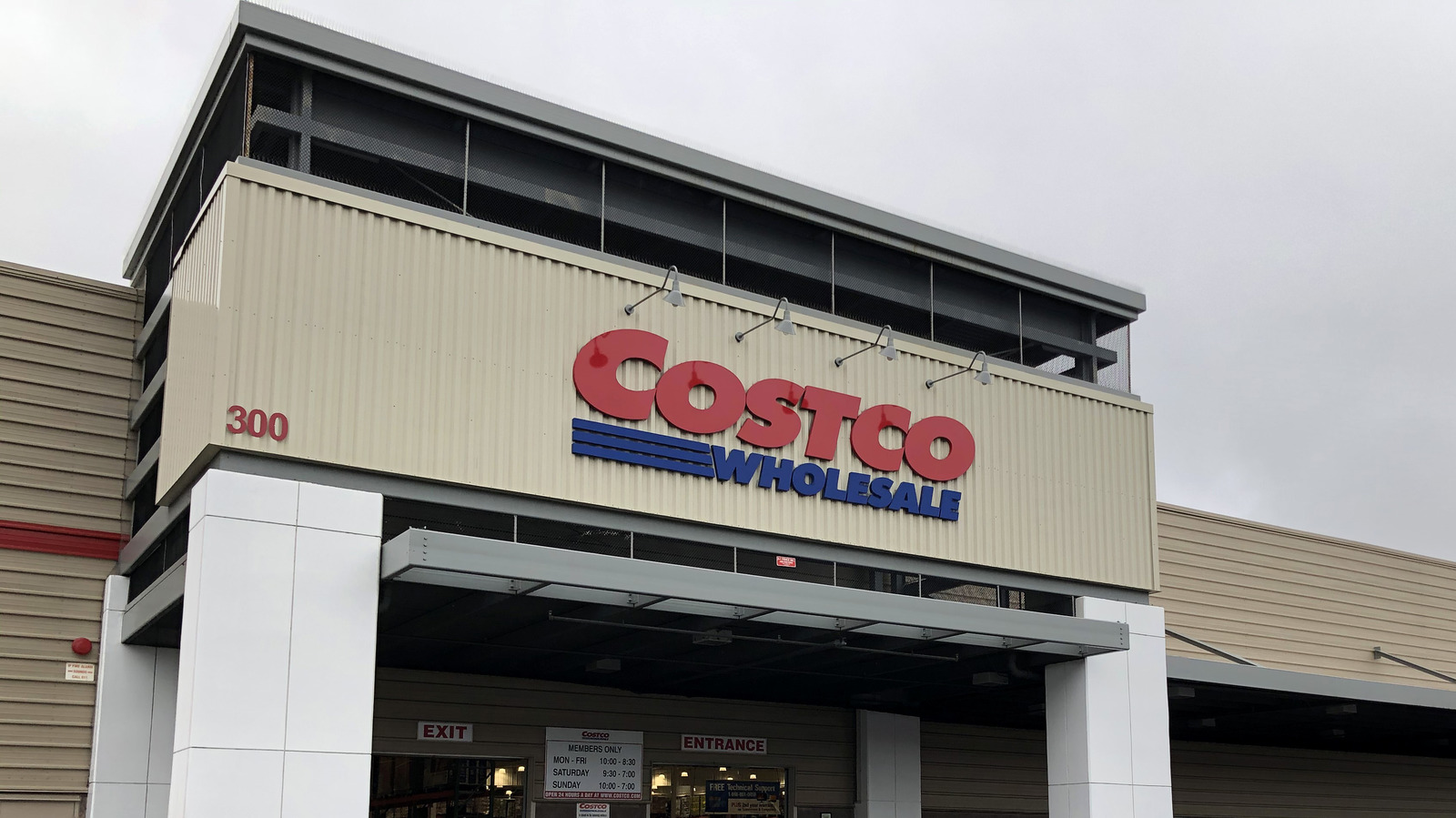
As Costco expands into markets like China, Iceland, and Australia, its brand identity remains remarkably consistent. The core pillars—membership, quality, and value—translate across cultures. The sight of a Costco warehouse in Shanghai attracting thousands of people on opening day is a testament to the universal appeal of the brand strategy Jim Sinegal and Jeff Brotman began in 1983.
In conclusion, “when Costco began” is more than a date on a calendar; it marks the beginning of a retail philosophy that prioritized the consumer’s trust above all else. By leveraging the membership model, the power of Kirkland Signature, and an ethical corporate culture, Costco has built a brand that is not just a place to shop, but a lifestyle choice for millions. As the retail landscape continues to shift, the foundation laid in Seattle in 1983 remains a blueprint for how to build a brand that lasts.
aViewFromTheCave is a participant in the Amazon Services LLC Associates Program, an affiliate advertising program designed to provide a means for sites to earn advertising fees by advertising and linking to Amazon.com. Amazon, the Amazon logo, AmazonSupply, and the AmazonSupply logo are trademarks of Amazon.com, Inc. or its affiliates. As an Amazon Associate we earn affiliate commissions from qualifying purchases.