
In the rapidly evolving landscape of personal finance, the way we exchange value has undergone a seismic shift. The days of fumbling for exact change or writing paper checks for a shared dinner are largely behind us, replaced by the seamless tap of a smartphone screen. At the forefront of this revolution is Venmo, a mobile payment service that has transformed from a simple peer-to-peer (P2P) utility into a multifaceted financial ecosystem. Understanding what Venmo is and how it functions is no longer just a matter of tech-savviness; it is a fundamental requirement for navigating the modern economy.

The Evolution of P2P Payments in Personal Finance
Venmo represents the pinnacle of the “cashless” movement. While credit cards paved the way for digital spending, Venmo solved the problem of micro-transactions between individuals. It bridges the gap between traditional banking and the immediate needs of daily life, acting as a digital wallet that lives on your smartphone.
From Cash to Digital Transactions
For decades, the movement of money between individuals was plagued by friction. If you owed a friend ten dollars, you either needed physical currency or a shared banking infrastructure that often took days to settle. Venmo, owned by PayPal, streamlined this by creating a ledger-based system. Instead of waiting for a bank-to-bank wire transfer, users could move “credits” within the Venmo ecosystem instantly. This shift has not only increased the velocity of money in our personal lives but has also redefined our expectations of financial liquidity.
Why Venmo is a Financial Game Changer
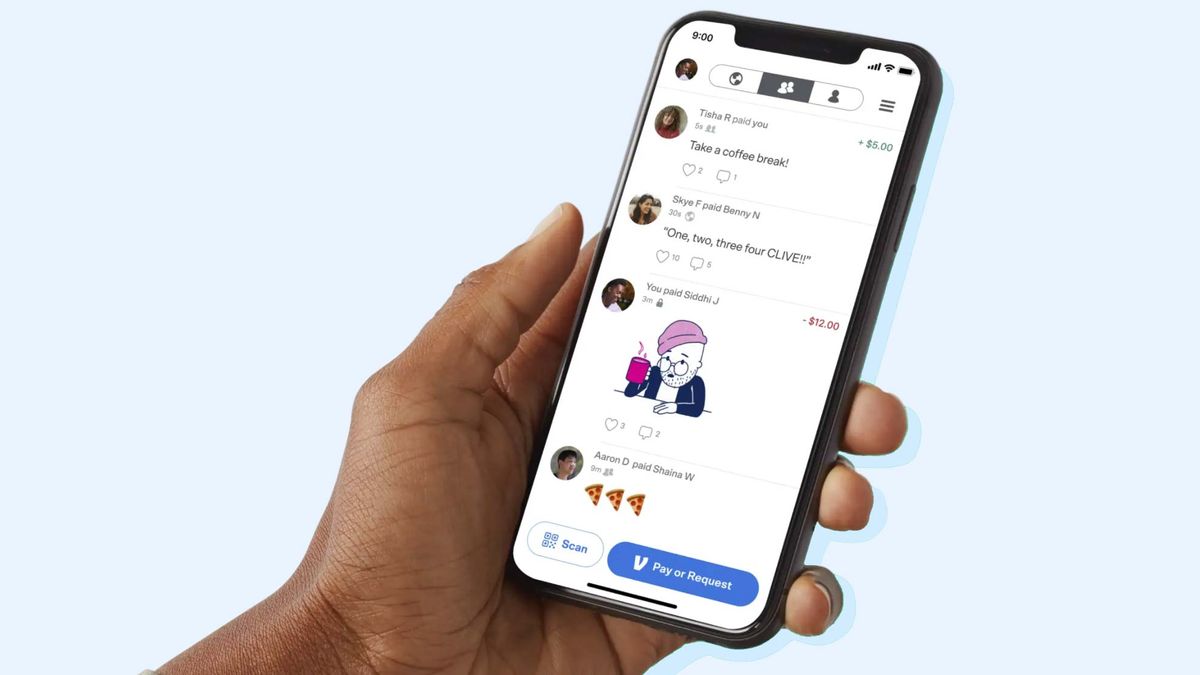
The true utility of Venmo lies in its ability to democratize financial access. It serves as an entry point for the “unbanked” or “underbanked,” while providing a high-velocity tool for the financially sophisticated. By integrating a social element with financial utility, Venmo turned a dry administrative task—paying bills—into a social interaction. From a personal finance perspective, it offers a transparent, searchable record of informal spending, which is a goldmine for those looking to audit their monthly overhead and discretionary spending habits.
Navigating the Venmo Ecosystem: Mechanics and Management
To effectively use Venmo as a financial tool, one must understand its underlying mechanics. It is not a bank in the traditional sense, yet it handles billions of dollars in transactions annually. Knowing how to set up, link, and manage your accounts is the first step toward financial proficiency within the app.
Setting Up Your Digital Wallet
The core of the Venmo experience is the digital wallet. When someone sends you money, it doesn’t automatically land in your checking account; instead, it sits in your Venmo balance. This balance can be used for future payments or transferred to a linked bank account. For users looking to maximize their financial organization, managing this balance is key. Some choose to treat their Venmo balance as a “petty cash” fund for social outings, while others prefer to “sweep” the balance into a high-yield savings account immediately to ensure their money is earning interest.
Linking Financial Accounts: Banks vs. Cards
Venmo allows users to link multiple funding sources, each with different financial implications:
- Bank Accounts: Linking a bank account via ACH is the most cost-effective method for sending money. It is free for P2P transactions and allows for seamless transfers out of the app.
- Debit Cards: These offer the same fee-free benefits for sending money but provide the added utility of “Instant Transfers” (for a fee) when you need to move money out of Venmo quickly.
- Credit Cards: While Venmo allows the use of credit cards, it incurs a 3% fee. From a personal finance standpoint, this is generally discouraged unless necessary, as the fee often outweighs any rewards or points earned on the transaction.
Understanding Limits and Verification
To comply with federal financial regulations, Venmo imposes limits on how much money can be sent and received. Unverified users face much lower caps on their weekly spending. By completing the identity verification process—which involves providing a Social Security Number and legal address—users can unlock higher transaction limits. This is a critical step for those using the platform for larger expenses, such as monthly rent payments or splitting high-end travel costs.
The Cost of Convenience: Fees and Business Utility
While Venmo is famous for being “free,” it is a commercial enterprise with a clear fee structure designed around convenience and professional services. Navigating these costs is essential for maintaining a healthy bottom line, whether you are an individual or a small business owner.
Venmo for Personal Use: When is it Free?
The majority of standard Venmo transactions are free. Sending money from a linked bank account, a debit card, or your Venmo balance costs nothing. Similarly, receiving money and performing a “Standard Transfer” (which takes 1–3 business days) to your bank account is free. The platform makes its money through “Instant Transfers”—charging a small percentage (usually 1.75% with a minimum and maximum cap) to move funds to your debit card within minutes—and through credit card processing fees.
Venmo for Business: Leveraging the Professional Profile
Recognizing its ubiquity, Venmo introduced Business Profiles. This is a dedicated niche for freelancers, side-hustlers, and small business owners. Unlike personal accounts, business profiles are charged a small seller fee per transaction (typically 1.9% + $0.10). In exchange, business owners get increased visibility, the ability to accept “Goods and Services” payments which offer buyer protection, and a professional interface that separates personal social spending from professional income. For a side hustle, this is an invaluable tool for bookkeeping and professionalizing the customer experience.
Instant Transfers vs. Standard Withdrawals
In the world of personal finance, cash flow is king. Venmo’s “Instant Transfer” feature is a luxury that comes at a price. While it is tempting to have your money immediately, a disciplined financial plan usually dictates using the “Standard Transfer.” By planning ahead and allowing for the 1–3 day lag, users avoid the “convenience tax” that can eat into their savings over time. For those running a business on Venmo, these small percentages can add up to hundreds of dollars in lost revenue annually.
Security and Financial Integrity in a Digital World
As with any financial tool, security is paramount. Because Venmo is linked directly to your primary bank accounts, it requires a rigorous approach to digital hygiene and an understanding of the platform’s protective measures.
Safeguarding Your Balance
Venmo offers several layers of security, including multi-factor authentication (MFA) and biometric locks (FaceID or fingerprints). From a financial safety perspective, it is recommended to never keep a high balance within the Venmo app. Unlike a traditional bank account, Venmo balances are not always FDIC-insured unless you have a Venmo Debit Card and have gone through specific verification steps. Therefore, the safest move is to treat Venmo as a transit point rather than a storage vault for your wealth.
Avoiding Common Financial Scams
The ease of use that makes Venmo popular also makes it a target for fraudsters. Common scams include “accidental” transfers where a stranger sends you money and asks for it back, only for the original transaction to be revealed as fraudulent later. Another common pitfall is paying for items from strangers using the “Friends and Family” setting. This setting offers no purchase protection. To maintain financial integrity, users should only use “Friends and Family” for people they actually know, and utilize the “Goods and Services” toggle for any commercial transaction to ensure they have recourse if the deal goes south.
Tax Implications and Reporting (1099-K)
One of the most significant recent shifts in the Venmo ecosystem concerns tax reporting. The IRS has updated thresholds for third-party settlement organizations. If you use a Venmo Business Profile or receive payments marked as “Goods and Services” above a certain annual threshold, Venmo is required to issue a Form 1099-K. This means your side hustle income is now more visible to the tax authorities than ever before. Understanding these implications is vital for avoiding surprises during tax season. It is essential to keep meticulous records of which payments were personal reimbursements (which are not taxable) and which were business income.

Conclusion: Integrating Venmo into Your Financial Strategy
Venmo has evolved far beyond a “cool app” for millennials; it is a robust financial tool that facilitates the movement of billions of dollars. By understanding the mechanics of the digital wallet, the nuances of the fee structure, and the vital importance of security and tax compliance, you can leverage Venmo to simplify your financial life.
Whether you are splitting a utility bill, managing a growing side business, or simply looking for a more transparent way to track your social spending, Venmo provides the infrastructure to do so with ease. However, like any tool in your financial arsenal, it requires a disciplined approach. Minimize fees, maximize security, and always stay informed on the changing regulatory landscape to ensure that your digital transactions contribute to, rather than detract from, your long-term financial health.
aViewFromTheCave is a participant in the Amazon Services LLC Associates Program, an affiliate advertising program designed to provide a means for sites to earn advertising fees by advertising and linking to Amazon.com. Amazon, the Amazon logo, AmazonSupply, and the AmazonSupply logo are trademarks of Amazon.com, Inc. or its affiliates. As an Amazon Associate we earn affiliate commissions from qualifying purchases.