
In an era defined by fluctuating energy prices and a growing imperative for sustainability, solar energy has transitioned from a niche environmental choice to a mainstream financial investment. The fundamental question, “how much is solar energy?” is far more complex than a simple price tag; it encompasses upfront costs, long-term savings, financial incentives, and the intrinsic value of energy independence. For homeowners and businesses alike, understanding the financial landscape of solar power is crucial to making an informed decision that benefits both their wallets and the planet. This guide delves into the economic realities of solar energy, deconstructing its costs, exploring its financial benefits, and ultimately helping you assess its genuine return on investment.
Deconstructing the Upfront Cost of Solar Energy Systems
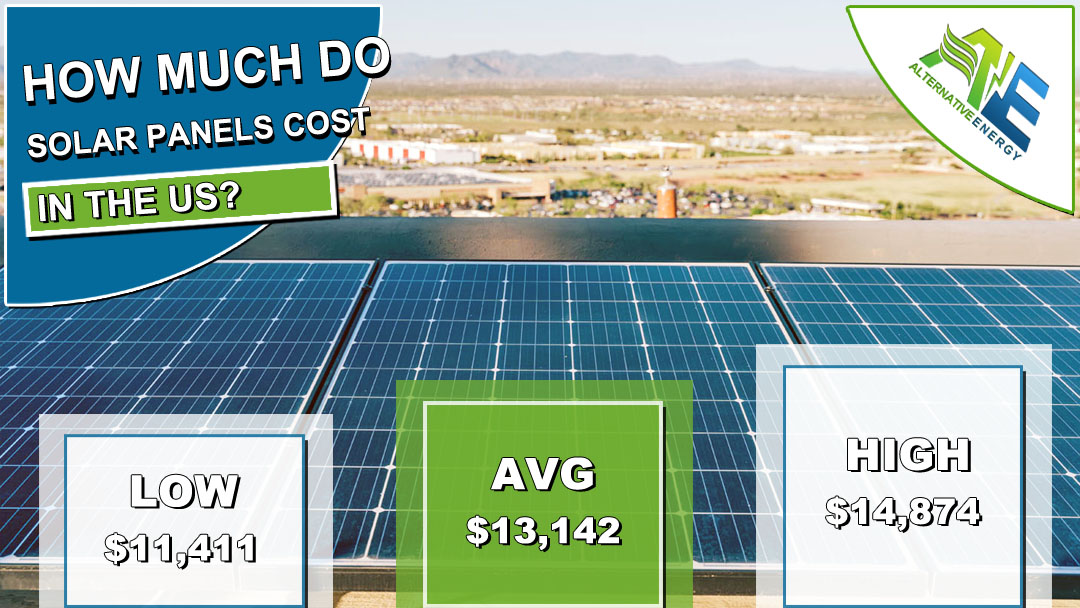
The initial cost of installing a solar energy system is often the first, and sometimes most daunting, barrier for prospective adopters. However, this “sticker price” is a culmination of various components, labor, and logistical considerations, all of which have seen significant cost reductions over the past decade. Understanding these elements is the first step toward accurately budgeting for your solar transition.
Key Components Driving System Price
At the core of any solar installation are the physical components. Solar panels, the most visible part, vary in price based on their type (monocrystalline, polycrystalline, thin-film), efficiency ratings, and manufacturer. Higher efficiency panels, which generate more electricity from a smaller footprint, typically command a higher price per watt. Inverters are equally critical, converting the DC electricity from panels into usable AC electricity for your home or the grid. Options range from string inverters (most common for simple setups) to microinverters (panel-level optimization, often more expensive) and hybrid inverters (compatible with battery storage). Mounting hardware secures the panels to your roof or ground, with costs varying based on roof type, tilt, and wind load requirements. Finally, the wiring, conduits, and electrical components needed to safely integrate the system into your home’s electrical panel add to the material costs. Increasingly, battery storage systems are being integrated, allowing homeowners to store excess solar energy for use at night or during outages. While significantly adding to the upfront cost, batteries offer enhanced energy independence and potentially greater savings by reducing reliance on the grid during peak demand times.
Installation and Labor Costs
Beyond the hardware, the labor involved in designing and installing a solar system constitutes a substantial portion of the total cost. Factors influencing these costs include the complexity of your roof (pitch, obstructions, material), the difficulty of electrical integration, and local labor rates. Permitting, inspection fees, and interconnection charges imposed by local municipalities and utility companies are also necessary expenditures that ensure the system’s safety and compliance. A reputable solar installer will handle these aspects, but their fees are baked into the overall project cost.
System Size and Energy Needs
The most significant determinant of upfront cost is the total capacity of the solar system, measured in kilowatts (kW). This capacity is directly proportional to your household’s or business’s energy consumption. A thorough energy audit helps determine how much electricity you use annually, guiding the system designer in specifying the appropriate number of panels and overall kW capacity required to offset a desired percentage of your electricity bill. Naturally, a larger system designed to power an energy-intensive home will cost more than a smaller system for a modest dwelling.
Regional Variations and Market Dynamics
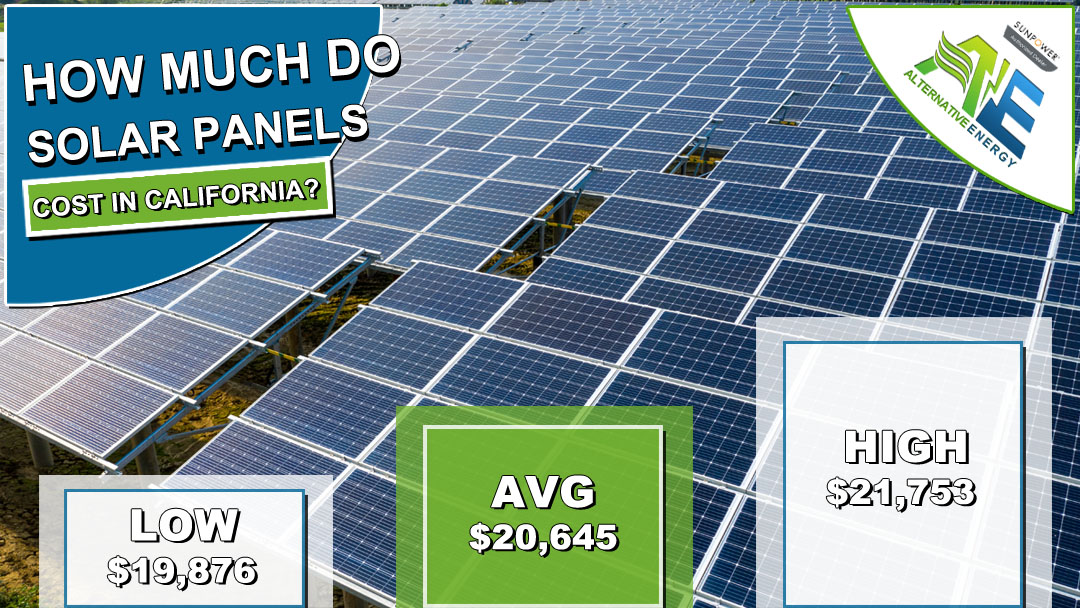
The cost of solar energy can vary significantly based on geographic location. Local competition among installers, the availability of specialized labor, state and local regulations, and even regional supply chain efficiencies all play a role. A densely populated area with numerous solar companies might see more competitive pricing than a rural region with fewer options. Furthermore, government incentives and utility policies (discussed next) can dramatically alter the net cost of solar, making it appear cheaper in some states than others, even if the gross hardware and labor costs are similar.
Beyond the Sticker Price: Financial Incentives and Savings
While the upfront cost of solar can seem substantial, a robust ecosystem of financial incentives and long-term savings mechanisms dramatically reduces the net investment and enhances solar’s financial attractiveness. Understanding these benefits is crucial for a comprehensive assessment of solar energy’s value proposition.
Federal Solar Tax Credit (ITC)
The cornerstone of solar financing in the United States is the federal Investment Tax Credit (ITC), often referred to as the solar tax credit. This credit allows homeowners to deduct a significant percentage of the cost of their solar energy system from their federal taxes. The percentage has fluctuated but has consistently provided a powerful incentive, making solar adoption more affordable. It’s a direct dollar-for-dollar reduction in your tax liability, not just a deduction, making it incredibly valuable. This credit directly reduces your out-of-pocket expenses, effectively lowering the overall net cost of your system by a substantial margin.
State and Local Incentives
Many states and local municipalities offer their own supplementary incentives to encourage solar adoption. These can take various forms:
- Rebates: Direct cash back from state programs or utility companies after installation.
- Property Tax Exemptions: Excluding the added value of a solar system from property tax assessments, meaning you don’t pay higher taxes despite your home’s increased value.
- Sales Tax Exemptions: Waiving sales tax on solar equipment purchases, further reducing upfront costs.
- Solar Renewable Energy Credits (SRECs): In some markets, homeowners earn credits for the clean electricity their systems generate. These SRECs can then be sold on an open market to utility companies that need to meet renewable energy mandates, providing an additional income stream.
Net Metering Policies
Net metering is a critical policy that allows solar homeowners to send excess electricity generated by their panels back to the utility grid. In return, they receive a credit on their electricity bill, often offsetting the cost of electricity they draw from the grid at night or on cloudy days. Effectively, the grid acts as a giant battery for your home, ensuring that any surplus solar production doesn’t go to waste and directly reduces your monthly utility expenses. The specifics of net metering policies vary by state and utility, impacting the degree of savings.
Property Value Increase
Installing a solar energy system can significantly increase the resale value of your home. Studies consistently show that homes with solar panels sell faster and for more money than comparable homes without solar. This is because prospective buyers recognize the long-term savings on electricity bills and the inherent value of an energy-efficient home. This added property value represents a tangible financial return on your solar investment, realized if and when you decide to sell your home.
Long-Term Energy Bill Reductions
Perhaps the most direct and consistent financial benefit of solar energy is the substantial reduction, or even elimination, of your monthly electricity bills. By generating your own power, you become less reliant on your utility company and less susceptible to unpredictable rate hikes. Over the 25-30 year lifespan of a typical solar panel system, these cumulative savings can amount to tens of thousands of dollars, representing a significant return on your initial investment and providing long-term financial stability against rising energy costs.
Financing Your Solar Investment: Options and Considerations

Once you understand the costs and potential savings, the next step is to explore how to finance your solar energy system. There are several pathways available, each with distinct financial implications, benefits, and drawbacks. The best option for you will depend on your personal financial situation, creditworthiness, and long-term goals.
Cash Purchase
Paying for a solar system upfront with cash is the most straightforward financing option and typically yields the highest long-term financial returns.
- Pros: You own the system outright from day one, maximizing your eligibility for all available incentives (like the federal ITC) and fully realizing all future electricity bill savings. There are no interest payments, making the total cost of ownership lowest.
- Cons: Requires a significant upfront capital outlay, which may not be feasible for everyone. It ties up a large sum of money that could potentially be invested elsewhere.
Solar Loans
For those who prefer not to pay cash but still want to own their system, various loan options are available.
- Home Equity Loans/Lines of Credit (HELOCs): These leverage your home’s equity, often offering lower interest rates and longer repayment terms due to the collateral. Interest may also be tax-deductible.
- Personal Loans: Unsecured loans that don’t require collateral but typically come with higher interest rates and shorter repayment periods.
- PACE (Property Assessed Clean Energy) Loans: Available in some regions, PACE loans are repaid through an assessment on your property tax bill. They are tied to the property, not the homeowner, and are typically long-term with fixed interest rates. However, they can complicate refinancing or selling your home, and availability is geographically limited.
- Dedicated Solar Loans: Many solar installers partner with lenders to offer specialized solar loans, often with competitive rates and terms tailored to solar projects.
Considerations for Loans: Carefully evaluate interest rates, loan terms, and any associated fees. A lower interest rate translates to greater overall savings. While loans mean you pay interest, the savings from your electricity bills, combined with incentives, can often exceed your loan payments.
Solar Leases and Power Purchase Agreements (PPAs)
These options are ideal for homeowners who want to benefit from solar energy with little to no upfront cost. However, they involve a different financial structure than ownership.
- Solar Lease: You essentially rent the solar system from a third-party company. You pay a fixed monthly lease payment for the duration of the contract (typically 20-25 years), and the company owns, installs, and maintains the system.
- Power Purchase Agreement (PPA): Similar to a lease, a third-party company installs and owns the system on your roof. Instead of a fixed monthly payment, you agree to purchase the electricity generated by the panels at a fixed rate per kilowatt-hour (kWh) that is typically lower than your utility’s rate.
- Pros (Leases/PPAs): No upfront cost, no maintenance responsibilities, predictable monthly payments (lease) or per-kWh rates (PPA).
- Cons (Leases/PPAs): You don’t own the system, so you don’t directly qualify for the federal ITC or other ownership-based incentives. Your overall long-term savings are generally less than with direct ownership. Selling a home with a lease or PPA can sometimes add complexity as the agreement needs to be transferred to the new owner.
Evaluating the Best Option for Your Financial Situation
The best financing option hinges on several personal financial factors. If you have significant cash reserves and prioritize maximum long-term savings, a cash purchase is often optimal. If you have good credit and want ownership without the upfront outlay, a solar loan might be suitable, especially if you can secure a low interest rate. For those with limited capital or who prefer not to deal with maintenance, leases or PPAs offer a convenient path to clean energy, albeit with slightly lower financial returns. It’s crucial to compare the total cost of each option over the system’s lifespan, accounting for interest, incentives, and projected electricity savings.
Calculating the Return on Investment (ROI) for Solar
Understanding “how much is solar energy” ultimately leads to assessing its return on investment (ROI). This isn’t just about monetary gain; it encompasses a blend of direct financial benefits, asset value appreciation, and insulation from market volatility. Calculating your potential ROI is key to justifying the investment.
Payback Period
The payback period is a fundamental metric for solar ROI, indicating the time it takes for the savings from your solar system (reduced electricity bills plus incentives) to equal the initial investment. For example, if a $20,000 system saves you $1,500 per year, and you receive a $6,000 tax credit, your net cost is $14,000. The payback period would be roughly $14,000 / $1,500 = ~9.3 years. Once the system has paid for itself, the subsequent energy savings represent pure profit. Payback periods vary widely based on system cost, local electricity rates, and available incentives, typically ranging from 6 to 12 years.
Lifetime Savings
Solar panels are designed to last 25-30 years, often with performance warranties guaranteeing a certain output level throughout this period. Projecting the total lifetime savings involves multiplying your average annual savings by the system’s operational lifespan, factoring in a modest annual increase in utility electricity rates. Over decades, these cumulative savings can be substantial, often two to three times the initial net investment. This long-term perspective reveals the true financial power of solar energy.
Environmental, Social, and Governance (ESG) Impact (Financial Lens)
While often discussed in terms of sustainability, the ESG impact of solar energy also has a financial dimension. For businesses, adopting solar can enhance corporate reputation, attract environmentally conscious customers and investors, and potentially qualify for ESG-related financing or investment opportunities. For homeowners, it contributes to a more resilient, self-sufficient property, aligning with a growing societal preference for green living, which can translate into higher property valuations and marketability. From a financial perspective, ESG factors are increasingly recognized as drivers of long-term value and reduced risk.
Protecting Against Energy Price Volatility
One of the most compelling financial arguments for solar energy is its ability to act as a hedge against rising and volatile electricity prices. Traditional utility rates are subject to fluctuations based on fossil fuel costs, infrastructure investments, and regulatory changes. By generating your own power, you fix a significant portion of your energy costs for decades, providing predictable budgeting and immunity from future price shocks. In a world where energy costs are on an upward trend, this stability represents an invaluable financial security, making solar an investment in long-term financial predictability.
The Future of Solar Energy Costs and Accessibility
The trajectory of solar energy costs has been consistently downward, a trend that experts predict will continue, making solar even more accessible and financially appealing in the years to come. This ongoing evolution further solidifies solar’s position as a smart investment for the future.
Declining Technology Costs
Over the past decade, the cost of solar panels has plummeted dramatically due to advancements in manufacturing processes, economies of scale, and increased competition. This trend is expected to continue, albeit perhaps at a slower pace, driven by further innovations in material science and production efficiency. As panels become cheaper and more efficient, the upfront cost of solar installations will continue to decrease, making the technology viable for a broader range of budgets.
Innovations in Storage and Grid Integration
The financial value proposition of solar is increasingly being enhanced by advancements in battery storage technology. As battery costs decline and their capabilities improve, more homeowners and businesses will be able to store their excess solar energy, maximizing self-consumption and further reducing reliance on the grid. This also enables greater resilience during power outages. Innovations in smart grid technology and software for energy management will also allow solar systems to interact more intelligently with the grid, optimizing energy flows and maximizing financial returns through advanced demand response programs.
Policy Landscape and Continued Support
Government policies have played a pivotal role in driving solar adoption and will continue to shape its financial landscape. While specific incentives may evolve, there is a strong global commitment to renewable energy, suggesting continued support in various forms – be it tax credits, grants, or favorable regulatory environments. Long-term energy policy goals focused on decarbonization will likely ensure that solar energy remains a strategically important and financially supported sector, providing stability and confidence for investors.
In conclusion, the question “how much is solar energy?” reveals a complex interplay of initial expenditure, significant financial incentives, and profound long-term savings. While the upfront investment is a consideration, the current landscape of federal, state, and local support, combined with substantial reductions in electricity bills and increased property value, positions solar energy as an increasingly shrewd financial decision. By carefully evaluating financing options, understanding the payback period, and considering the lifetime savings and protection against energy price volatility, homeowners and businesses can unlock the full financial potential of harnessing the sun’s power. Solar energy is not merely an environmental choice; it is a powerful investment in financial independence and a more sustainable future.
aViewFromTheCave is a participant in the Amazon Services LLC Associates Program, an affiliate advertising program designed to provide a means for sites to earn advertising fees by advertising and linking to Amazon.com. Amazon, the Amazon logo, AmazonSupply, and the AmazonSupply logo are trademarks of Amazon.com, Inc. or its affiliates. As an Amazon Associate we earn affiliate commissions from qualifying purchases.