
In the early days of nutritional science, calculating calories was a manual, laborious process involving bomb calorimeters and printed booklets of macronutrient values. Today, that process has shifted from the laboratory to the pocket. The question of “how do you calculate calories” is no longer answered by simple addition on a napkin; it is answered by complex software architectures, sophisticated sensor arrays, and machine learning models.
For the modern consumer, the “calculation” happens behind a glass screen. Whether through a wearable device tracking movement or an AI-powered app identifying a meal through a camera lens, the technology involved is a testament to the intersection of data science, hardware engineering, and physiological modeling.
The Software Behind the Plate: Digital Image Recognition and AI
The most significant leap in nutritional technology over the last decade is the transition from manual data entry to automated visual recognition. When a user asks a digital platform to calculate the calories in a meal, they are often engaging with a high-level computer vision stack.
Computer Vision and Neural Networks
Modern nutrition apps utilize Convolutional Neural Networks (CNNs) to identify food items. When you take a photo of a plate of pasta, the software doesn’t just “see” a single object. It breaks the image down into pixels, identifying edges, textures, and colors to distinguish between the pasta, the sauce, and the protein.
The technical challenge lies in volume estimation. Calculating calories requires knowing the mass of the food, which is difficult to derive from a 2D image. Advanced tech solutions now use “depth-sensing” or reference object scaling to estimate portion sizes. By comparing the food to known objects in the frame or utilizing LiDAR (Light Detection and Ranging) sensors found in high-end smartphones, the software can generate a 3D reconstruction of the meal to estimate its weight and, consequently, its caloric density.
Database Integration and API Hooks
Once an item is identified, the software must reference a massive relational database. These databases, such as the USDA FoodData Central or proprietary sets like those owned by MyFitnessPal, contain millions of entries.
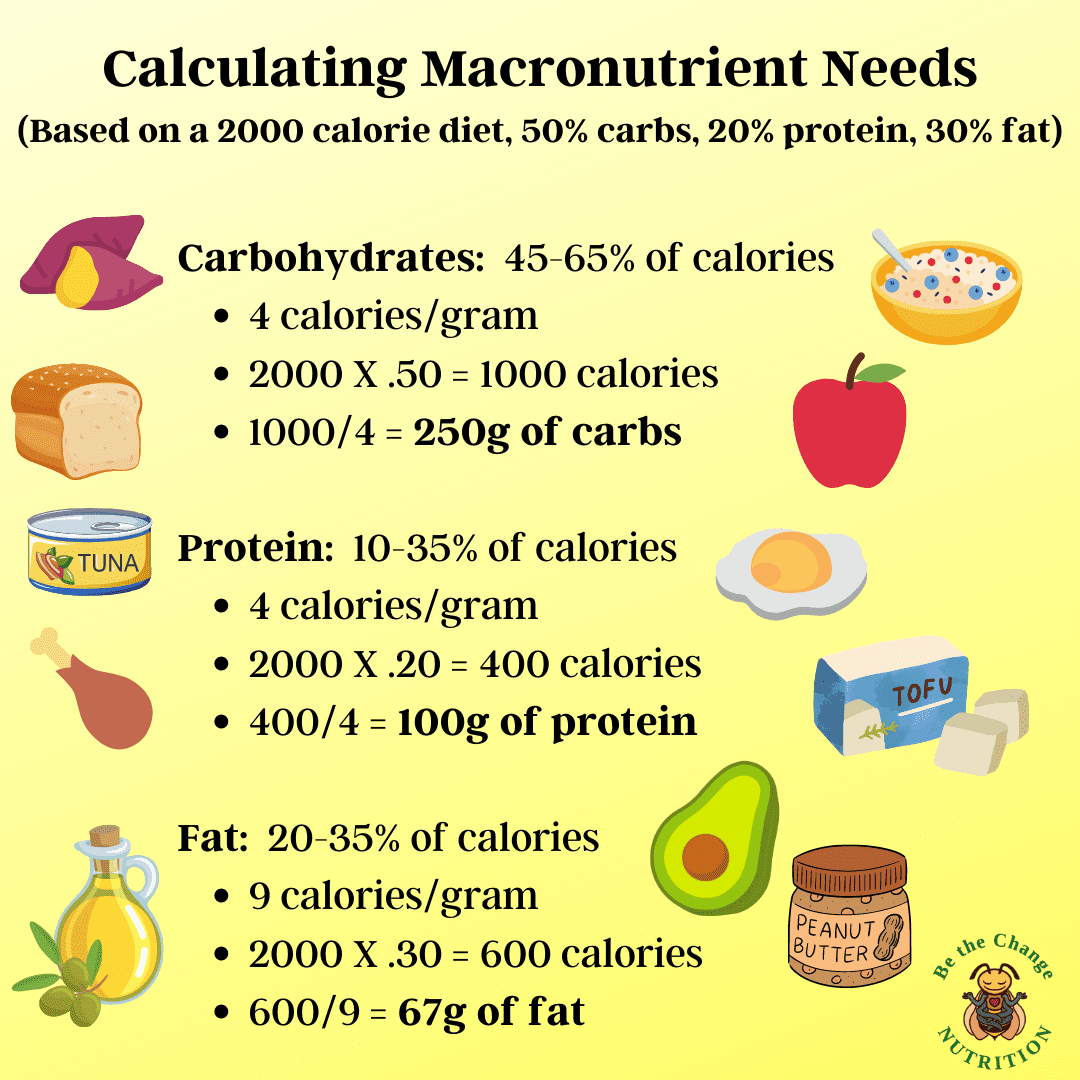
The calculation is performed via API (Application Programming Interface) calls that fetch the macronutrient profile (fats, proteins, carbohydrates) of the identified food. The software then applies the Atwater system—a foundational calculation where protein and carbs are assigned 4 calories per gram, and fats are assigned 9—to produce a final number. This entire process happens in milliseconds, transforming a visual input into a digital data point.
Decoding the Human Engine: How Wearables Calculate Metabolic Expenditure
Calculating calories “in” is only half of the equation; technology has also revolutionized how we calculate calories “out.” Wearable devices like smartwatches and fitness trackers use a suite of biometric sensors to estimate Energy Expenditure (EE) in real-time.
Photoplethysmography (PPG) and Heart Rate Variability
The primary sensor used in caloric calculation on a wearable is the PPG sensor. This tech uses green LED lights paired with light-sensitive photodiodes to measure the volume of blood flow through the wrist. By analyzing the “pulse,” the device determines the heart rate.
However, the calculation doesn’t stop at heart beats. Advanced algorithms use Heart Rate Variability (HRV)—the variation in time between each heartbeat—to determine the state of the user’s autonomic nervous system. Tech companies develop proprietary models that take this heart rate data and cross-reference it with the user’s age, weight, and sex to estimate the Oxygen Consumption ($VO_2$). Since there is a direct correlation between oxygen use and energy burning, the software can calculate the calories burned with surprising accuracy during aerobic activity.
Accelerometers and Multi-Axis Motion Tracking
To differentiate between a person standing still with a high heart rate (perhaps due to stress) and someone running, wearables use 3-axis accelerometers and gyroscopes. These sensors track movement across the X, Y, and Z planes.

The technology uses “Signal Integration” to turn movement into “Metabolic Equivalents” (METs). If the accelerometer detects the specific rhythmic signature of running, the software applies a different algorithmic coefficient to the heart rate data than it would for a sedentary activity. This fusion of sensor data—often called “Sensor Fusion”—is what allows a device to calculate calories burned during a variety of activities, from swimming to high-intensity interval training.
The Mathematics of Metabolism: From BMR to TDEE Algorithms
At the core of every calorie-tracking application is a mathematical engine. Before any sensors are activated or photos are taken, the software must establish a baseline for the user. This is where classical biology meets modern coding.
The Mifflin-St Jeor and Harris-Benedict Formulas in Code
Most fitness technology relies on two primary sets of equations: the Harris-Benedict principle and the Mifflin-St Jeor equation. These formulas calculate the Basal Metabolic Rate (BMR)—the number of calories the body needs to function at rest.
When a developer builds a health app, they translate these algebraic formulas into a functional algorithm. For example, the Mifflin-St Jeor equation:
- For men: $10 times text{weight (kg)} + 6.25 times text{height (cm)} – 5 times text{age (y)} + 5$
- For women: $10 times text{weight (kg)} + 6.25 times text{height (cm)} – 5 times text{age (y)} – 161$
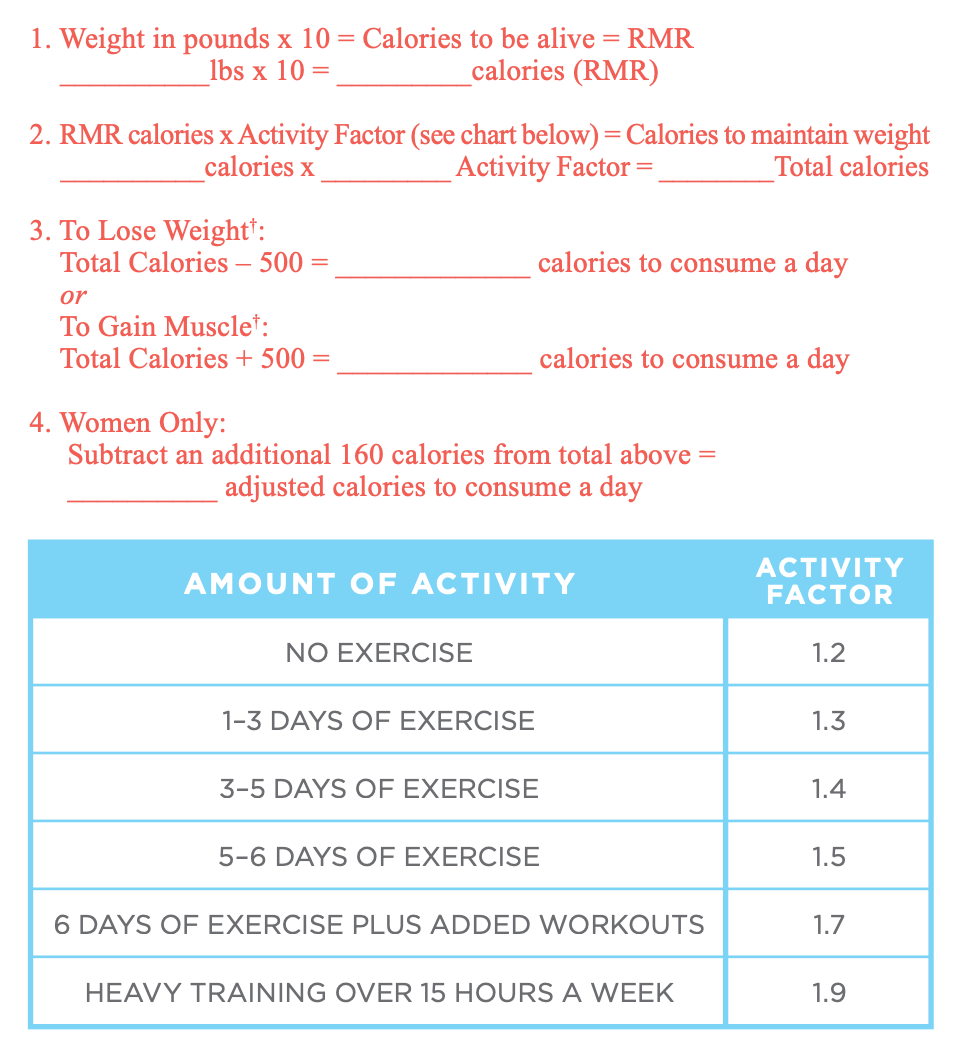
The software then applies an “Activity Multiplier” to calculate the Total Daily Energy Expenditure (TDEE). The tech aspect comes into play as the software dynamically updates these numbers. As a user logs weight loss or as a wearable detects increased daily steps, the TDEE is recalculated in real-time, providing a “living” data point rather than a static estimate.
Real-Time Dynamic Adjustments through Machine Learning
Static formulas are often criticized for lack of precision because they don’t account for individual metabolic variance. This is where Machine Learning (ML) is beginning to take over.
Modern platforms use “Feedback Loops.” If a user logs 2,000 calories a day and their wearable tracks 500 calories burned, but the user’s weight doesn’t change as predicted by the standard formulas, the ML model recognizes the discrepancy. The algorithm “learns” the user’s specific metabolic efficiency and adjusts the caloric calculation coefficients. This moves the tech from general population averages to personalized precision medicine.
Future Frontiers: Molecular Sensors and Continuous Glucose Monitoring (CGM)
The next generation of calorie-calculating technology is moving from “outside-in” to “inside-out.” We are entering an era where hardware can monitor the molecular composition of the body to provide the most accurate caloric data yet.
Bio-Sensing Wearables and Interstitial Fluid Analysis
Continuous Glucose Monitors (CGMs), originally developed for diabetics, are being adopted by the wider tech-health community. These devices use a tiny filament inserted under the skin to measure glucose levels in the interstitial fluid.
From a tech standpoint, this provides a direct window into how the body is processing energy. Future iterations of this tech aim to measure not just glucose, but also ketones and lactate. By analyzing these biomarkers, software can calculate exactly how many calories are being oxidized from fat versus carbohydrates. This removes the “guesswork” of heart rate-based calculations and provides a biochemical ledger of caloric use.
The Integration of Genomics and Personalized Nutrition Tech
The ultimate evolution of calorie calculation lies in the integration of DNA data into nutritional software. Startups are currently working on platforms where a user’s genetic sequence is uploaded to an AI engine.
The tech analyzes specific genetic markers—such as the FTO gene associated with metabolism—to determine how a specific individual’s body calculates energy. If the software “knows” through your genetic code that you have a lower thermic effect of food (TEF), it will automatically down-adjust the “calories burned” during digestion in your daily dashboard. This level of hyper-personalization represents the pinnacle of how technology calculates the complexities of human biology, turning the simple calorie into a multifaceted data point within a broader “Digital Twin” model of the human body.
In conclusion, the question of “how do you calculate calories” has evolved into a sophisticated technological symphony. It involves the visual intelligence of AI, the physical precision of wearable sensors, the logic of mathematical algorithms, and the emerging field of bio-molecular sensing. As these technologies continue to converge, the accuracy of our digital health data will only increase, providing a more transparent view of the energy that fuels our lives.
aViewFromTheCave is a participant in the Amazon Services LLC Associates Program, an affiliate advertising program designed to provide a means for sites to earn advertising fees by advertising and linking to Amazon.com. Amazon, the Amazon logo, AmazonSupply, and the AmazonSupply logo are trademarks of Amazon.com, Inc. or its affiliates. As an Amazon Associate we earn affiliate commissions from qualifying purchases.