
The question of when the stock market will crash is perhaps the most persistent inquiry in the world of finance. For seasoned investors, it is a matter of “when,” not “if.” For the novice, it is a source of paralyzing anxiety that often leads to sitting on the sidelines while wealth-building opportunities pass them by. Markets, by their very nature, are cyclical. They breathe in through periods of expansion and breathe out through contractions.
However, predicting the exact moment a correction turns into a crash is notoriously difficult. History is littered with “doomsday prophets” who predicted ten of the last two recessions. To navigate the “Money” niche effectively, one must look past the sensationalist headlines and focus on the structural mechanics of the economy, the psychological drivers of market participants, and the timeless principles of risk management.
The Mechanics of a Market Crash: Understanding Volatility and Cycles
To understand when a crash might occur, one must first define what a crash actually is. In technical terms, a “correction” is a decline of 10% from recent highs, while a “bear market” is a decline of 20% or more. A “crash,” though not a formal term, usually refers to a sudden, double-digit percentage drop within a few days or weeks, often triggered by a systemic shock or a burst bubble.
Historical Context: Learning from 1929, 2008, and 2020
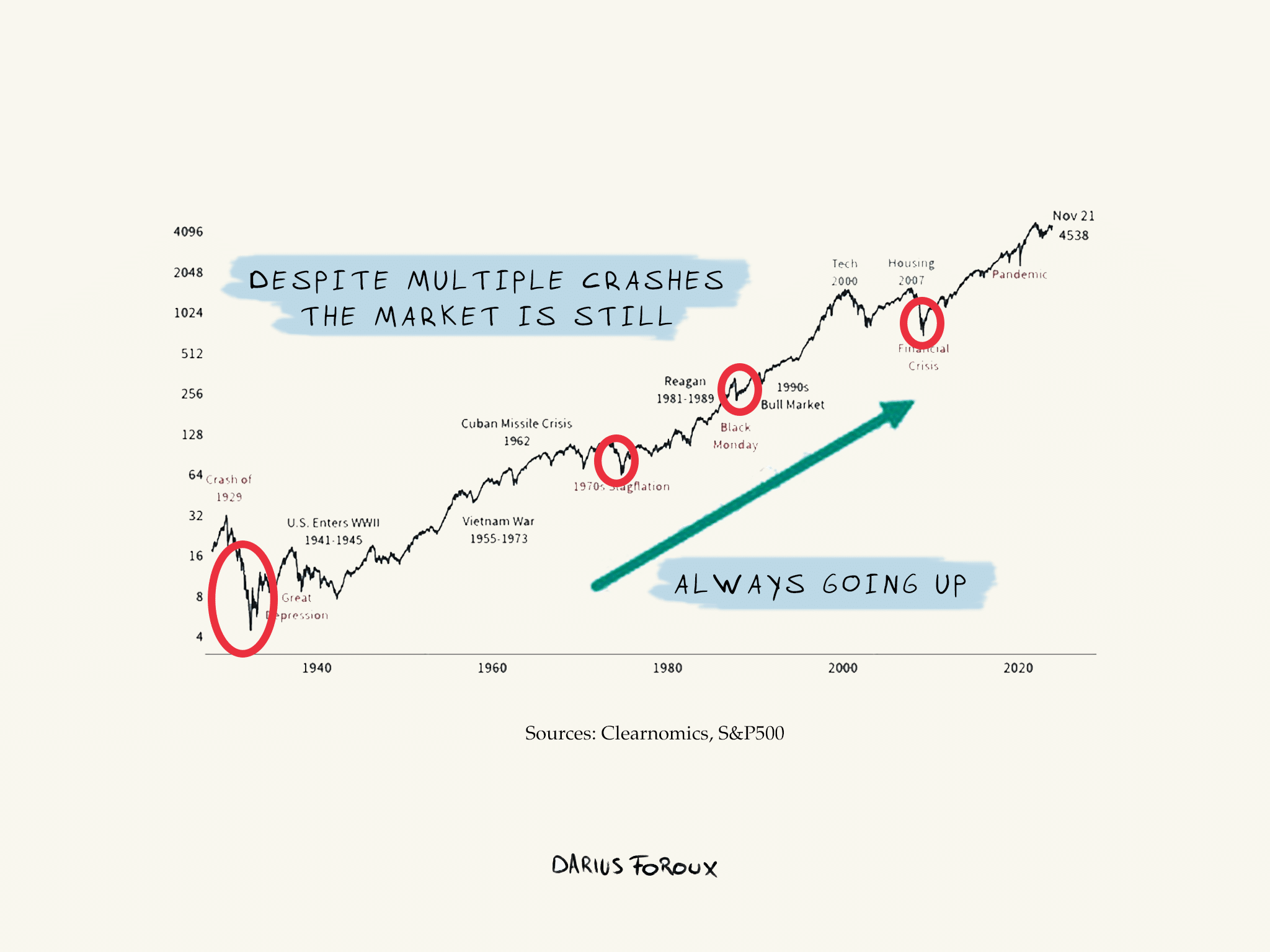
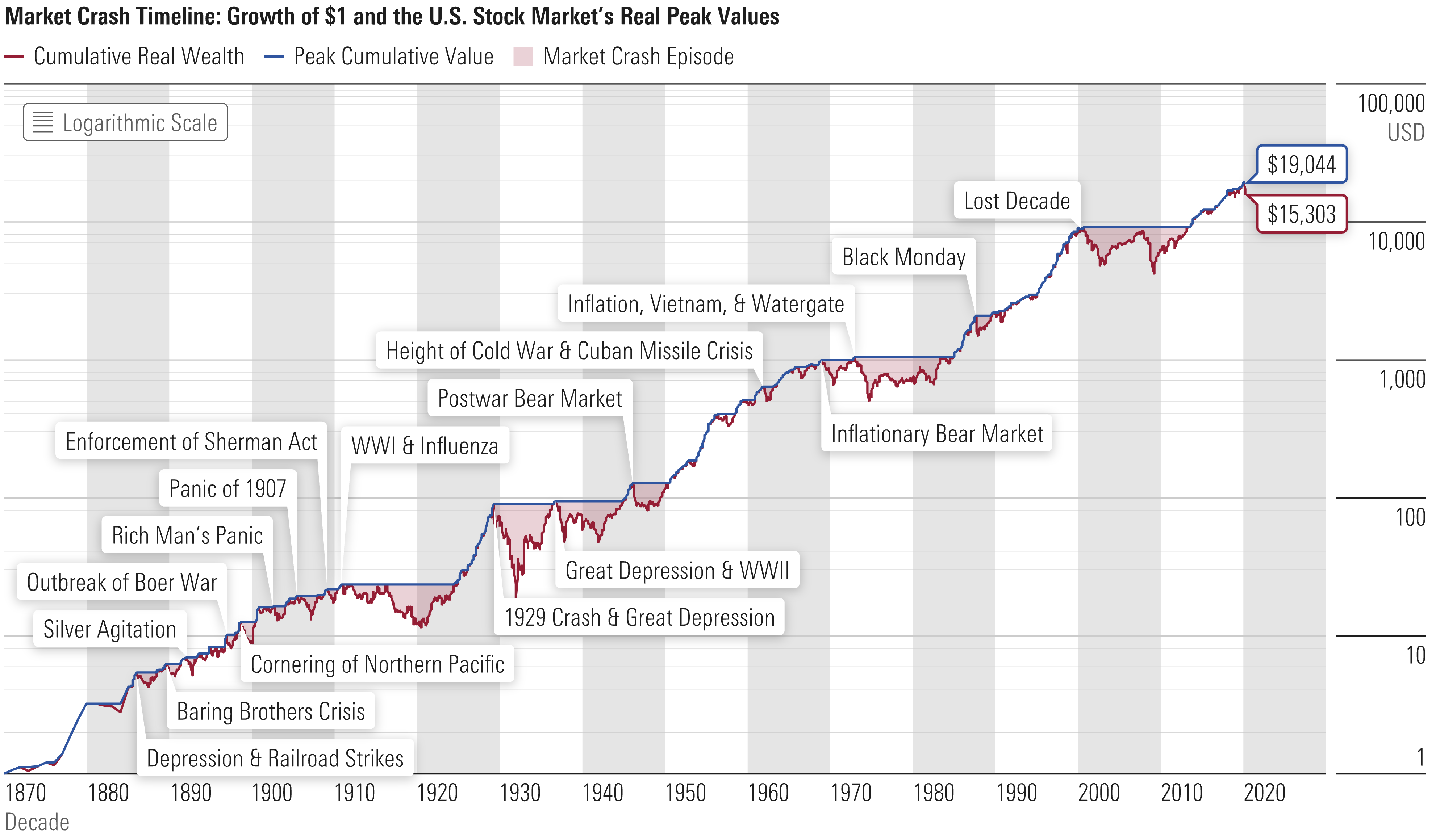
History serves as the ultimate laboratory for investors. The Great Depression of 1929 was fueled by excessive leverage and speculation. The Great Recession of 2008 was a result of a systemic failure in the housing market and complex derivatives. The 2020 crash was an exogenous shock—a “Black Swan” event caused by a global pandemic.
The common thread in almost every major crash is a disconnect between asset prices and underlying economic reality. When the price of an asset (be it stocks, real estate, or tulips) is driven by the expectation of future price increases rather than intrinsic value, the foundation becomes brittle.
The Role of Central Banks and Interest Rates
In the modern financial era, the Federal Reserve and other central banks act as the primary drivers of market liquidity. Lower interest rates generally lead to “cheap money,” encouraging borrowing and investment, which pushes stock prices higher. Conversely, when central banks raise rates to combat inflation, the cost of capital increases, corporate earnings may shrink, and the discount rate applied to future cash flows rises, often leading to a market pullback. A crash often occurs when the market realizes that the “Goldilocks” environment of low inflation and high growth is no longer sustainable.
Red Flags: Warning Signs in the Modern Economy
While no one has a crystal ball, certain macroeconomic indicators have historically signaled that the market is “overheated.” Monitoring these signs allows investors to adjust their risk tolerance before the volatility begins.
Overvaluation and the Buffett Indicator
One of the most cited metrics for market temperature is the “Buffett Indicator”—the ratio of total market capitalization to Gross Domestic Product (GDP). When the stock market’s total value significantly outpaces the actual economic output of the country, it suggests that stocks are overvalued. Similarly, looking at Price-to-Earnings (P/E) ratios, particularly the Shiller PE (CAPE) ratio, helps investors understand if they are paying a premium for stocks compared to historical averages. When these ratios hit extreme highs, the margin of safety disappears, making the market vulnerable to even minor negative news.
The Inverted Yield Curve and Economic Deceleration
In the world of fixed income, the yield curve is a powerful predictor. Normally, long-term bonds pay higher interest than short-term bonds. When this relationship flips—an “inverted yield curve”—it suggests that investors are pessimistic about the near-term future. Historically, an inverted yield curve has preceded almost every major recession in the last five decades. While it doesn’t tell us exactly when the crash will happen, it acts as a siren, warning that the economic engine is stalling.
Excessive Leverage and Consumer Debt
Wealth is often built on credit, but crashes are often fueled by the forced liquidation of that credit. When margin debt (money borrowed to buy stocks) reaches record highs, a small dip in the market can trigger “margin calls,” forcing investors to sell their positions to cover their loans. This creates a domino effect of selling pressure. On a broader scale, high levels of corporate and consumer debt make the economy less resilient to interest rate hikes, increasing the likelihood of a systemic “snap.”
The Psychology of Fear and the “Bubble” Mentality
Market crashes are as much a psychological phenomenon as they are a financial one. Human emotions—specifically greed and fear—drive the momentum that leads to both parabolic peaks and gut-wrenching troughs.
The Rise of Euphoria and FOMO
The final stage of a bull market is often characterized by “euphoria.” This is when retail participation hits an all-time high, and the “Fear of Missing Out” (FOMO) drives people to invest in assets they don’t fully understand. When your neighbor, your barber, and your social media feed are all discussing a specific “can’t-lose” investment, the market may be nearing a top. This speculative fervor creates a bubble that eventually requires only a small needle to burst.
Algorithmic Trading and Flash Crashes
In today’s digital age, psychology is no longer limited to humans. High-frequency trading (HFT) and algorithmic models are programmed to respond to market movements in milliseconds. When a certain threshold is hit, these algorithms may trigger automated sell orders. This can lead to a “flash crash,” where the market drops significantly in a matter of minutes. While these are often temporary, they can trigger panic among human investors, turning a technical glitch into a psychological rout.
Portfolio Protection: How to Survive (and Thrive) During a Crash
For a serious investor, the goal is not to avoid every downturn—which is impossible—but to ensure that a downturn doesn’t wipe out their financial future. Wealth is not just made during the bull runs; it is preserved during the crashes.
Strategic Diversification and Asset Allocation
The most effective defense against a market crash is a well-diversified portfolio. This means not having all your capital in a single sector (like Tech) or a single asset class (like Equities). By holding a mix of stocks, bonds, real estate, and cash equivalents, you ensure that a decline in one area is offset by stability in another. True diversification also involves geographic spread, ensuring your wealth isn’t tied solely to the economy of a single nation.
The Power of Dollar-Cost Averaging
Trying to “time” the bottom of a crash is a fool’s errand. Instead, many successful investors utilize Dollar-Cost Averaging (DCA). By investing a fixed amount of money at regular intervals, regardless of the share price, you naturally buy more shares when prices are low and fewer when prices are high. This removes the emotional burden of trying to guess when the crash will happen and ensures you are consistently building your position.
Maintaining Liquidity and an “Opportunity Fund”
Cash is often criticized during periods of high inflation, but during a market crash, cash is king. Maintaining a robust emergency fund ensures you aren’t forced to sell your stocks at a loss to cover living expenses. Furthermore, having “dry powder”—excess cash set aside for investing—allows you to view a market crash not as a disaster, but as a “generational sale.” Some of the greatest fortunes in history were made by those who had the liquidity and the courage to buy when everyone else was selling in a panic.
Conclusion: Perspective Over Prediction
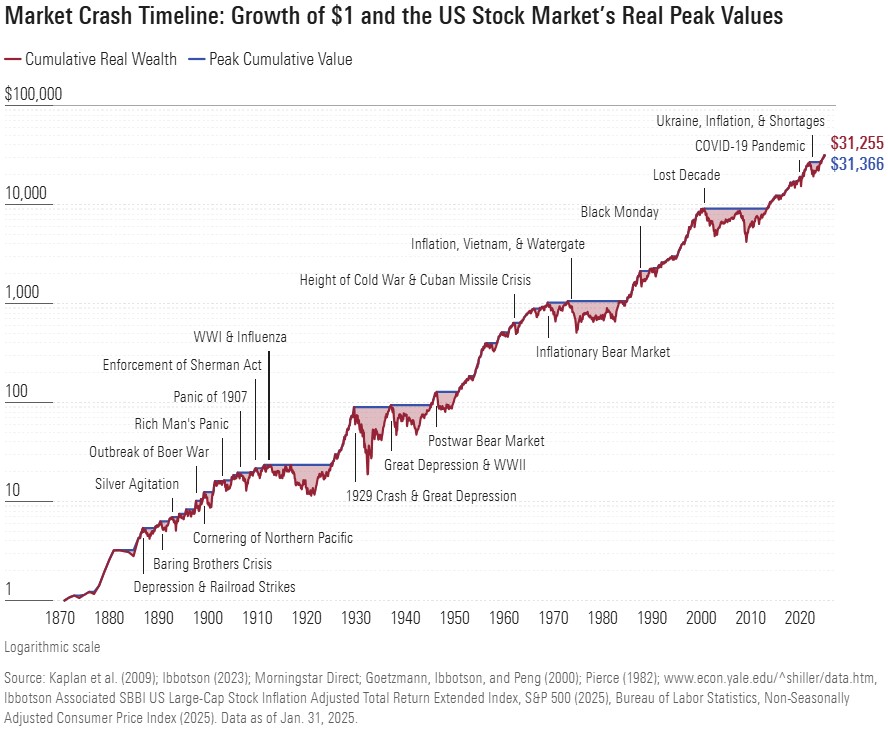
When will the stock market crash? It is a question that will always be asked and never definitively answered until after the fact. The reality is that the market will inevitably face periods of extreme volatility. However, for the disciplined investor, a crash is merely a temporary setback in a long-term journey of wealth accumulation.
Rather than obsessing over the date of the next decline, focus on what you can control: your savings rate, your asset allocation, and your emotional reaction to market noise. The stock market has survived every crash in its history and has gone on to reach new highs. By understanding the cycles, recognizing the warning signs, and building a resilient financial strategy, you can stop fearing the “when” and start preparing for the “how”—how you will maintain your composure and capitalize on the opportunities that only a market crash can provide. In the world of money, time in the market almost always beats timing the market.
aViewFromTheCave is a participant in the Amazon Services LLC Associates Program, an affiliate advertising program designed to provide a means for sites to earn advertising fees by advertising and linking to Amazon.com. Amazon, the Amazon logo, AmazonSupply, and the AmazonSupply logo are trademarks of Amazon.com, Inc. or its affiliates. As an Amazon Associate we earn affiliate commissions from qualifying purchases.