
In the modern financial landscape, few activities carry as much mystique, excitement, and potential for wealth creation as stock trading. For many, the phrase conjures images of chaotic trading floors, flashing green and red tickers, and the high-stakes world of Wall Street. However, at its core, stock trading is a disciplined financial practice that allows individuals to participate in the growth of some of the world’s most influential corporations. Whether you are looking to supplement your income, build a retirement nest egg, or master the nuances of market dynamics, understanding what stock trading is—and how it differs from traditional long-term investing—is the first step toward financial literacy and independence.
The Fundamentals of Stock Trading
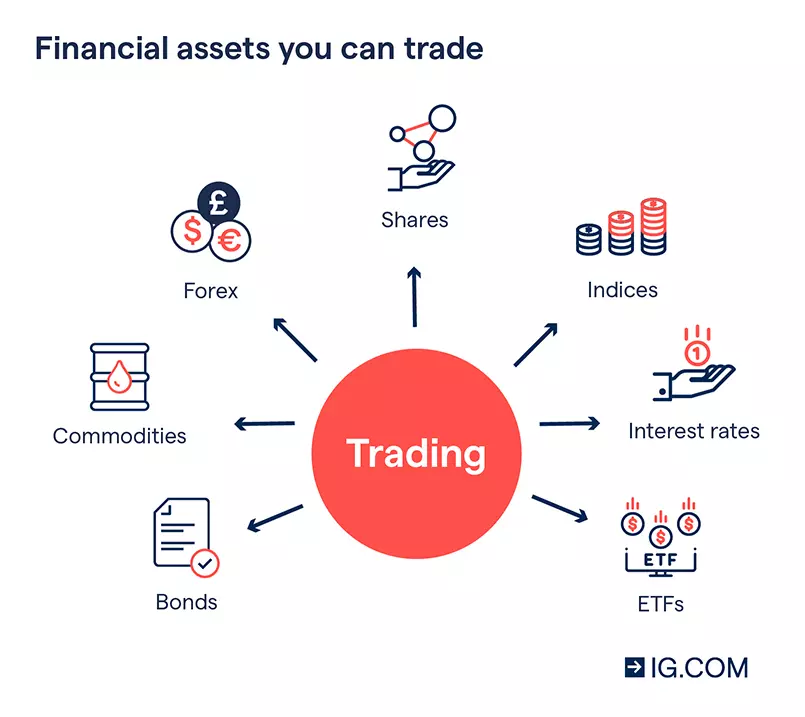
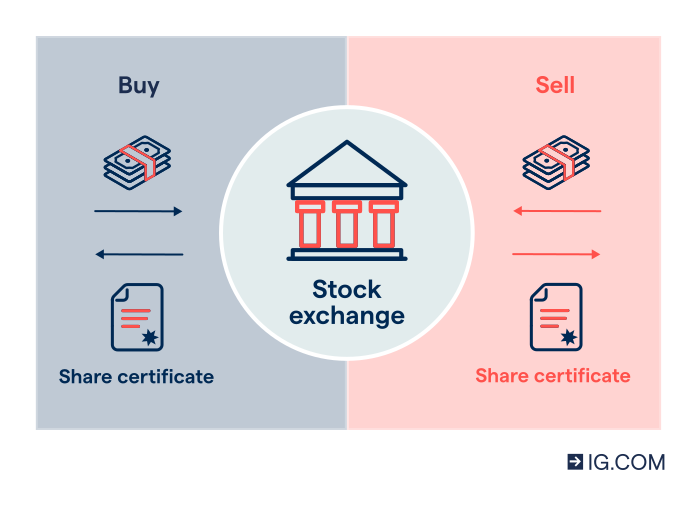
Before one can execute their first trade, it is essential to understand the mechanics of the marketplace. Stock trading is the act of buying and selling shares of ownership in a publicly listed company. These transactions occur on regulated exchanges, acting as a bridge between corporations seeking capital and individuals or institutions looking to deploy their money.
How the Stock Market Functions
The stock market is a vast network of exchanges where buyers and sellers meet. Unlike a traditional auction, modern stock trading is largely electronic and instantaneous. When a company decides to “go public” through an Initial Public Offering (IPO), it divides its ownership into millions of small units called shares. Once these shares are in the secondary market, their price is determined by the law of supply and demand. If more people want to buy a stock than sell it, the price rises; if selling pressure outweighs buying interest, the price falls.
Stocks vs. Shares: Understanding Equity
While the terms are often used interchangeably, “stock” refers to the general ownership certificate of any company, whereas “shares” refers to the specific amount of stock an individual owns in a particular corporation. When you trade stocks, you are trading equity. This equity represents a claim on a portion of the company’s assets and earnings. For the trader, the goal is rarely to own the company indefinitely, but rather to capitalize on the fluctuation of the share price to generate a profit.
The Role of Exchanges: NYSE and NASDAQ
Global trading is anchored by major exchanges such as the New York Stock Exchange (NYSE) and the NASDAQ. The NYSE is a “listed” exchange where a specialist acts as a facilitator, while the NASDAQ is a “dealer” market where multiple market makers compete to provide the best prices. Understanding where a stock is traded can provide insights into its volatility and the regulatory requirements the company must meet, which are critical data points for any serious trader.
Core Trading Strategies and Styles
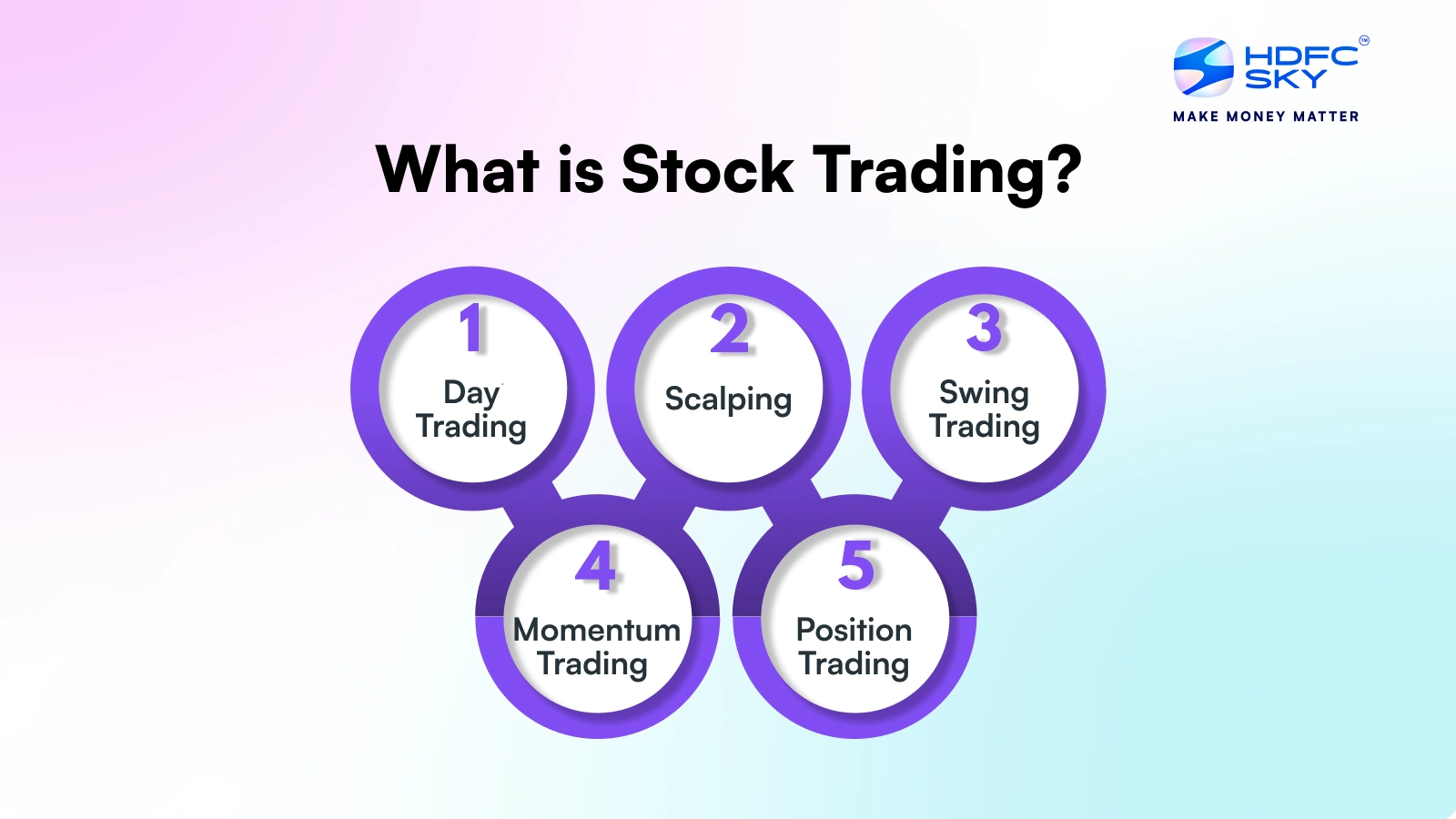
Stock trading is not a monolithic activity; it is a spectrum of strategies defined by time horizons and risk tolerance. While an investor might hold a stock for decades, a trader operates on much shorter timelines, looking to profit from market inefficiencies and price movements.
Day Trading: The Fast-Paced Pursuit
Day trading is perhaps the most well-known—and most intensive—style of trading. A day trader opens and closes all of their positions within a single trading day, never holding a stock overnight. The goal is to profit from small price fluctuations in highly liquid stocks. This requires a high level of discipline, a deep understanding of market technicals, and the ability to make split-second decisions. While the potential for rapid gains is high, the risks are equally significant, as leverage and market noise can lead to quick losses.
Swing Trading: Capturing Medium-Term Momentum
For those who cannot commit to watching a screen all day, swing trading offers a middle ground. Swing traders typically hold positions for several days or weeks. They look for “swings” in price movements, often driven by earnings reports, news cycles, or broader sector trends. By identifying a stock that is beginning a new trend, the swing trader attempts to capture the “meat” of the move before exiting once the momentum begins to fade.
Position Trading: Bridging the Gap to Investing
Position traders use the longest timeframes among traders, often holding stocks for months. While this looks similar to investing, the primary difference remains the intent. A position trader is focused on the price action of the stock rather than the fundamental long-term health of the company for the next twenty years. They use a combination of technical trends and macroeconomic shifts to determine when a stock has reached its peak value before rotating their capital into a new opportunity.
Essential Tools and Analysis Techniques
To succeed in stock trading, one cannot rely on “gut feelings” or tips from social media. Profitable trading is a data-driven endeavor that requires a robust toolkit for evaluating potential trades.
Fundamental Analysis: Evaluating the Business
Fundamental analysis involves looking at the underlying health of the company. Traders examine financial statements, revenue growth, debt levels, and the Price-to-Earnings (P/E) ratio. In the context of trading, fundamental analysis helps determine what to buy. For example, a trader might look for an undervalued company with an upcoming product launch that could serve as a catalyst for a price increase. Even for short-term traders, knowing the “story” behind the stock provides a layer of security against unexpected market shifts.
Technical Analysis: Reading the Charts
If fundamental analysis tells you what to buy, technical analysis tells you when to buy. This discipline focuses on historical price action and volume data. Traders use charts to identify patterns, such as “head and shoulders” or “cup and handle,” and utilize indicators like Moving Averages, the Relative Strength Index (RSI), and MACD. The philosophy behind technical analysis is that all known information is already baked into the price, and by studying the footprints of past buyers and sellers, one can predict future movements.
The Importance of Risk Management
Risk management is the most critical tool in a trader’s arsenal. Without it, even the best strategy will eventually lead to ruin. Professional traders use techniques such as “position sizing” to ensure they never lose more than a small percentage of their total capital on a single trade. They also utilize stop-loss orders—automated instructions to sell a stock if it hits a certain price—to prevent a minor setback from becoming a catastrophic loss.
The Psychology and Mechanics of the Trade
Success in the stock market is often 20% strategy and 80% psychology. Understanding the mechanics of how to execute a trade is simple, but managing the human emotions of fear and greed is a lifelong challenge.
Order Types: Market, Limit, and Stop-Loss
When a trader is ready to enter the market, they must choose how to execute the order. A “Market Order” buys the stock immediately at the best available current price. A “Limit Order” specifies the maximum price the trader is willing to pay, ensuring they don’t overpay during a period of high volatility. Finally, “Stop-Loss” and “Take-Profit” orders allow traders to automate their exit strategies, removing the emotional burden of deciding when to sell while the trade is live.
Behavioral Finance: Managing Emotion and Greed
The market is driven by human emotion. “Fear Of Missing Out” (FOMO) often leads traders to buy at the top of a bubble, while panic leads them to sell at the bottom of a crash. Successful stock trading requires a “mechanical” mindset—sticking to a predetermined plan regardless of how the market feels in the moment. Developing this emotional resilience is what separates the professional “Money” managers from the amateurs who view the market as a casino.
Capital Allocation and Portfolio Balance
Effective trading also requires smart capital allocation. This means not putting all your “eggs in one basket.” By diversifying across different sectors—such as technology, healthcare, and energy—a trader can protect themselves if one specific industry faces a downturn. In the world of personal finance, this balance ensures that your trading activities complement, rather than jeopardize, your overall financial stability.
Getting Started in the Modern Market
The barrier to entry for stock trading has never been lower. Thanks to digital transformation and the “Money” revolution in fintech, anyone with a smartphone and a few dollars can participate in the global economy.
Selecting a Brokerage Platform
Your choice of broker is your most important partnership. Modern traders look for platforms that offer low or zero commissions, robust mobile apps, and access to research tools. It is also vital to ensure the broker is regulated by authorities such as the SEC or FINRA. Some platforms are tailored for beginners with educational resources, while others provide the high-speed execution and complex charting required by professional day traders.
Building a Trading Plan
A trading plan is a written document that outlines your goals, risk tolerance, and the specific criteria for entering and exiting trades. It serves as your “business plan” for the market. Without a plan, you are simply gambling. A professional plan includes your daily routine, the types of stocks you will trade, and a log to record every trade you make—both winners and losers—for future review.
Continuous Learning and Adaptation
The stock market is a dynamic, living organism that evolves every day. What worked in the “bull market” of the 2010s may not work in the inflationary environment of the 2020s. To stay profitable, a trader must be a lifelong student of the markets. This involves reading financial news, attending webinars, and constantly refining one’s strategy. In the realm of money and finance, knowledge is the only true currency that appreciates over time.
In conclusion, stock trading is a sophisticated financial discipline that offers a path to wealth for those willing to put in the work. By mastering the fundamentals, choosing a strategy that fits your lifestyle, and maintaining a rigorous focus on risk management and psychology, you can transform the stock market from a source of confusion into a powerful tool for financial growth.
aViewFromTheCave is a participant in the Amazon Services LLC Associates Program, an affiliate advertising program designed to provide a means for sites to earn advertising fees by advertising and linking to Amazon.com. Amazon, the Amazon logo, AmazonSupply, and the AmazonSupply logo are trademarks of Amazon.com, Inc. or its affiliates. As an Amazon Associate we earn affiliate commissions from qualifying purchases.