
Securing a business loan is often the most significant milestone in a company’s lifecycle. Whether you are a budding entrepreneur looking to launch a startup or an established business owner aiming to scale operations, capital is the fuel that drives growth. However, the path to obtaining a business loan is frequently perceived as a daunting labyrinth of paperwork, stringent requirements, and complex financial jargon.
In today’s evolving financial landscape, getting a business loan is no longer just about walking into a local bank with a handshake and a dream. It requires a strategic approach, a deep understanding of your own financial health, and the ability to present a compelling case to potential lenders. This guide breaks down the essential steps to navigating the world of business finance, ensuring you are well-prepared to secure the funding your enterprise deserves.
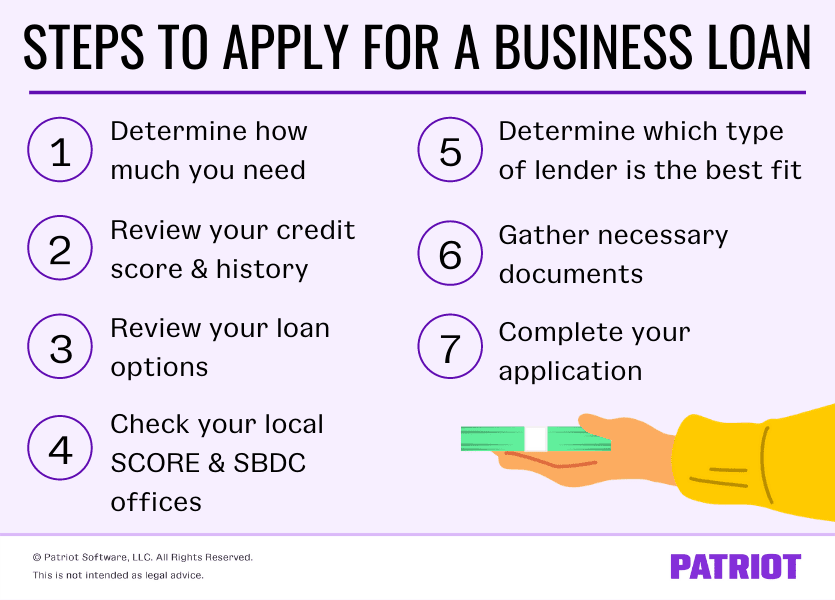
1. Laying the Groundwork: Assessing Your Financial Readiness
Before you approach a lender, you must perform a rigorous internal audit. Lenders are risk-averse by nature; they want to see that you have a firm grasp of your numbers and a clear plan for repayment. Preparing your financial profile is the first and most critical step in the process.
Defining Your Funding Purpose
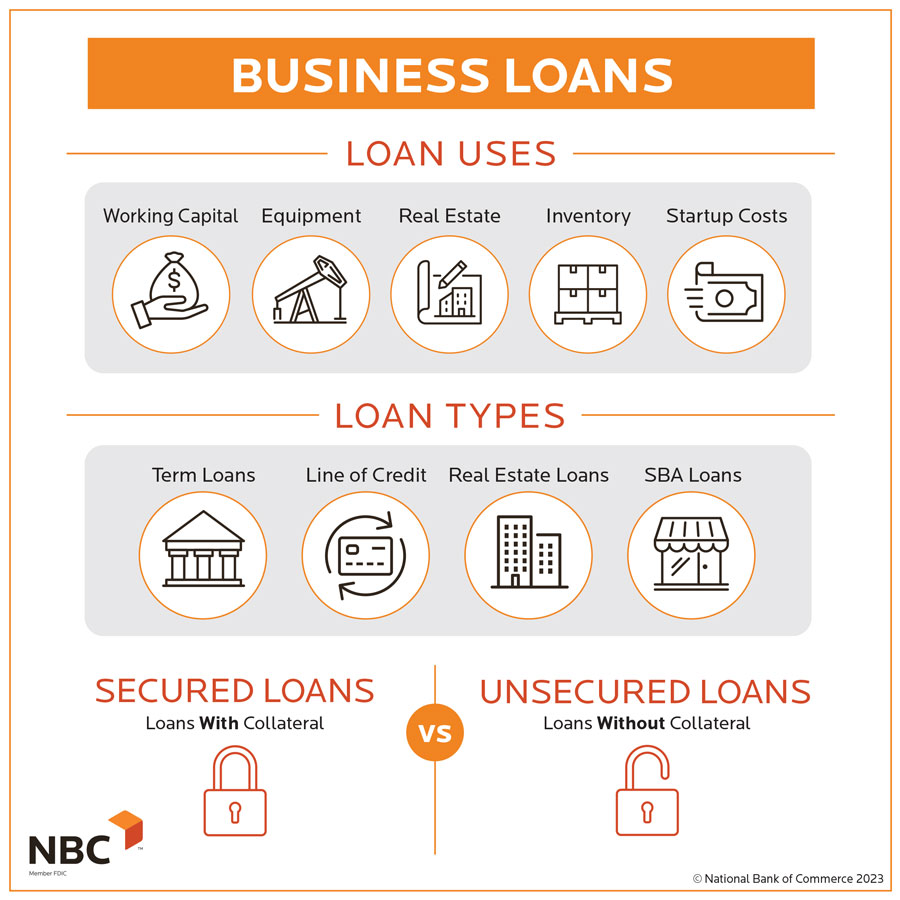
One of the first questions a lender will ask is, “What will this money be used for?” Clarity here is paramount. Are you seeking working capital to manage seasonal fluctuations? Do you need an equipment loan to increase production capacity? Or are you looking for a long-term commercial real estate loan?
Lenders categorize loans based on risk and asset backing. If you are buying a piece of machinery, the machinery itself serves as collateral, making the loan less risky. If you are seeking funds for “general growth,” lenders may be more hesitant unless you can provide a detailed breakdown of how those funds will directly increase revenue.
Assessing Your Financial Health and Credit Scores
In the world of business finance, your personal financial history often matters as much as your business’s performance, especially for small business owners. Lenders will look at two primary scores:
- Personal Credit Score (FICO): Most traditional lenders require a score of 680 or higher. This score indicates your personal reliability and history of debt management.
- Business Credit Score: Systems like Dun & Bradstreet (D-U-N-S), Experian Business, and Equifax Business track how your company pays its bills. Building a strong business credit profile involves paying vendors on time and ensuring your business is registered as a separate legal entity.
Calculating Debt-to-Income and Cash Flow Projections
Lenders use the Debt Service Coverage Ratio (DSCR) to determine if your business generates enough income to cover the new loan payments alongside existing debts. A DSCR of 1.25 or higher is typically the industry standard. This means for every $1 of debt payment, your business generates $1.25 in net operating income. You should prepare detailed cash flow projections for the next 12 to 24 months to prove that your business can sustain the additional financial burden.
2. Navigating the Business Loan Landscape: Choosing the Right Product
Not all business loans are created equal. The “right” loan depends on your business’s age, your creditworthiness, and how quickly you need the funds. Understanding the nuances of different lending vehicles can save you thousands of dollars in interest and fees.
Traditional Bank Loans and SBA-Backed Financing
Traditional term loans from commercial banks offer some of the lowest interest rates and longest repayment terms. However, they also have the strictest qualification criteria.
If you find it difficult to qualify for a traditional bank loan, the Small Business Administration (SBA) offers guarantee programs. The SBA doesn’t lend money directly; instead, it guarantees a portion of the loan made by a bank, reducing the lender’s risk.
- SBA 7(a) Loans: The most popular program, used for working capital, debt refinancing, or purchasing supplies.
- SBA 504 Loans: Specifically designed for fixed assets like real estate or major equipment.

Online Lenders and Fintech Solutions
For businesses that need capital quickly or those with less-than-perfect credit, the rise of financial technology (Fintech) has opened new doors. Online lenders like OnDeck, BlueVine, or Funding Circle use sophisticated algorithms to evaluate creditworthiness beyond just a FICO score. While these loans are often processed within 24 to 48 hours, they typically come with higher interest rates and shorter repayment periods. They are ideal for short-term gaps but should be used cautiously for long-term expansion.
Lines of Credit and Equipment Financing
Sometimes, a lump-sum loan isn’t the best tool.
- Business Line of Credit: This functions like a credit card for your business. You are approved for a maximum amount and only pay interest on what you actually draw. This is the ultimate tool for managing day-to-day operational liquidity.
- Equipment Financing: If the loan is specifically for a vehicle, computer system, or industrial machine, the equipment acts as collateral. This often allows for easier approval and competitive rates, as the lender has a tangible asset to seize if the loan defaults.
3. The Documentation Essentials: Building Your Application Package
Once you have identified the right lender, the heavy lifting begins. The application process is essentially a storytelling exercise supported by hard data. You are telling the story of a successful, stable business that is poised for even greater things.
Crafting a Robust Business Plan
A business plan is not just for startups; it is a vital document for any loan application. It should outline your business model, target market, competitive landscape, and management team’s expertise. Most importantly, it must include a “Use of Proceeds” section that explains exactly how the loan will be deployed to generate more profit. If the lender can see a direct correlation between the loan and increased revenue, your chances of approval skyrocket.
Organizing Financial Statements and Tax Returns
Transparency is the foundation of trust in lending. You will typically need to provide:
- Profit and Loss (P&L) Statements: Usually for the last three years and the current year-to-date.
- Balance Sheets: A snapshot of your assets, liabilities, and equity.
- Tax Returns: Both personal and business tax returns for the last two to three years.
- Bank Statements: Usually the last six months of business bank statements to verify cash flow.
Collateral and Personal Guarantees
Depending on the loan type, you may need to pledge assets. This could include business real estate, inventory, or accounts receivable. Furthermore, almost all small business loans require a “Personal Guarantee.” This is a legal agreement stating that if the business cannot pay back the loan, you, as the owner, are personally responsible. Understanding the implications of a personal guarantee is vital, as it puts your personal assets—like your home or savings—on the line.
4. The Application and Approval Process: From Submission to Funding
The final stage is the actual submission and the period of underwriting. This is where patience and attention to detail are tested.
Selecting the Right Lender for Your Industry
Not every bank understands every industry. Some lenders specialize in medical practices, while others prefer e-commerce or construction. Before applying, research lenders who have a history of working within your niche. Industry-specific lenders are more likely to understand your business’s unique cycles and risks, leading to a smoother approval process.
Submitting the Application and Navigating Underwriting
After submission, your file goes to an underwriter. This is the person whose job it is to find reasons not to give you the loan. They will verify every detail in your application. During this phase, the lender may ask for “additional disclosures” or clarifications. Speed is your friend here; responding to these requests within 24 hours shows the lender that you are professional and organized.
Reviewing the Terms: APR, Covenants, and Repayment
If you receive an approval—congratulations! However, don’t sign until you fully understand the terms. Look beyond the “interest rate” and focus on the Annual Percentage Rate (APR), which includes all fees and closing costs.
- Covenants: Are there restrictions on how you run your business while you have the loan? Some lenders require you to maintain a certain amount of cash in the bank at all times.
- Prepayment Penalties: Can you pay the loan off early to save on interest without being penalized?
- Repayment Schedule: Is it a monthly, bi-weekly, or daily draw? Daily draws can significantly impact your daily cash flow.
Conclusion: Securing Your Business’s Future
Getting a business loan is a rigorous process, but it is also an opportunity to refine your business strategy and prove your company’s viability. By meticulously preparing your financials, choosing the right lending product, and presenting a professional application, you position yourself as a low-risk, high-reward partner for lenders.
Remember that a loan is a tool, not a solution in itself. When used wisely, it provides the leverage needed to reach new heights, enter new markets, and secure your company’s financial future. Whether you are seeking a few thousand dollars or several million, the principles of clarity, preparation, and financial discipline remain the keys to opening the door to capital.
aViewFromTheCave is a participant in the Amazon Services LLC Associates Program, an affiliate advertising program designed to provide a means for sites to earn advertising fees by advertising and linking to Amazon.com. Amazon, the Amazon logo, AmazonSupply, and the AmazonSupply logo are trademarks of Amazon.com, Inc. or its affiliates. As an Amazon Associate we earn affiliate commissions from qualifying purchases.