
For anyone with even a passing interest in finance or the broader economy, the daily closing number of the Dow Jones Industrial Average (DJIA) is a ubiquitous piece of information. It flashes across news tickers, dominates financial headlines, and serves as a quick barometer for market health. But what does this single number truly represent, and why does its daily finish command so much attention? Beyond being a mere statistic, the Dow’s performance reflects a complex interplay of economic indicators, corporate performance, and investor sentiment, offering a critical pulse on the state of global capital markets. Understanding where the Dow finished today, and more importantly, why it finished there, is fundamental to deciphering the economic narrative unfolding around us.
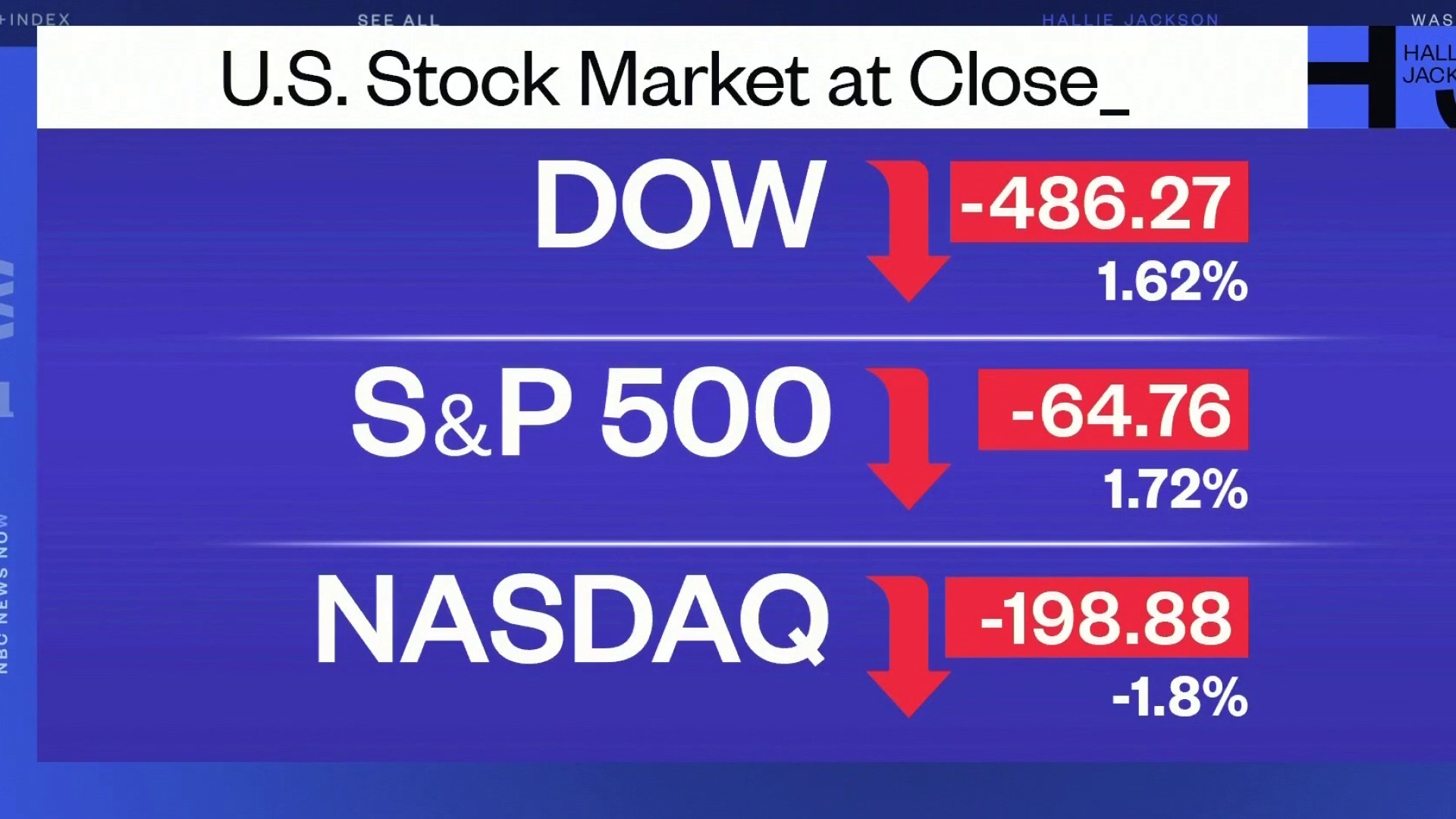
Understanding the Dow Jones Industrial Average
The Dow Jones Industrial Average is arguably the most recognized stock market index in the world. Established over a century ago, it has evolved from a simple measure of industrial companies into a sophisticated, yet often simplified, representation of the broader U.S. economy.
What is the Dow?
At its core, the Dow is a price-weighted index of 30 significant, publicly traded companies based in the United States. Unlike market-capitalization-weighted indexes like the S&P 500, where larger companies have a greater impact, the Dow’s movements are more heavily influenced by stocks with higher share prices. This means a one-dollar change in a high-priced stock like UnitedHealth Group or Goldman Sachs will have a larger effect on the index than the same dollar change in a lower-priced stock, regardless of their respective market capitalizations.
The Dow was first calculated by Charles Dow in 1896, initially comprising just 12 industrial companies. Its purpose was to provide a clear, concise measure of the health of the American industrial sector. Over the decades, it expanded to 30 companies and diversified to include firms from various sectors, reflecting the changing landscape of the U.S. economy – from manufacturing and raw materials to technology, finance, and healthcare. Despite its age and unique weighting methodology, the Dow remains a powerful symbol of Wall Street and a key indicator for many.
Its Role in Financial Markets
The Dow serves several critical roles within the financial ecosystem. Primarily, it acts as a market barometer. For many investors, economists, and the general public, the Dow’s movement offers a quick, albeit sometimes superficial, snapshot of market sentiment and overall economic performance. A rising Dow is often interpreted as a sign of economic expansion and corporate profitability, while a falling Dow can signal concerns about recessions, market instability, or declining corporate earnings.
It also functions as a historical benchmark. Generations of investors have tracked their portfolio’s performance against the Dow, using its long-term trends to contextualize their own investment strategies. While modern portfolio theory advocates for diversification beyond a single index, the Dow’s historical data provides invaluable insights into market cycles, economic booms, and downturns over more than a century.
The Companies Behind the Index
The 30 companies that comprise the Dow are often referred to as “blue-chip stocks.” These are typically large, well-established, and financially sound companies with long track records of profitability and stability. The composition of the Dow is not static; it changes periodically to ensure the index remains a relevant reflection of the U.S. economy. When a company is added or removed, it’s usually due to mergers, significant shifts in industry dominance, or to maintain the index’s representativeness.
Examples of current Dow components include tech giants like Apple and Microsoft, financial powerhouses like JPMorgan Chase and Goldman Sachs, industrial stalwarts such as Boeing and Caterpillar, and consumer staples like Coca-Cola and Procter & Gamble. This diverse mix ensures that the index touches upon a wide array of economic sectors, from technology and healthcare to consumer goods and manufacturing, making it a powerful, albeit concentrated, cross-section of American corporate might.
Why the Dow’s Daily Performance Matters
While savvy investors understand that a single day’s movement is just one data point in a much larger trend, the Dow’s daily close holds significant weight for several reasons, influencing everything from investor psychology to national economic narratives.
A Snapshot of Market Health
For the average person, the Dow’s daily percentage change or point gain/loss is the most accessible and frequently reported metric of market performance. It provides an immediate, easily digestible update on whether the market is “up” or “down” for the day. This simple indicator quickly conveys a sense of optimism or pessimism, often becoming the headline for financial news reports and impacting general public perception of the economy. While other, broader indexes like the S&P 500 or Nasdaq Composite might offer a more comprehensive view, the Dow’s legacy and straightforward reporting make it the default market health check for many.
Impact on Investor Sentiment
Stock markets are profoundly influenced by sentiment – the collective attitude of investors towards financial assets. A strong upward move in the Dow can foster a sense of confidence and enthusiasm, encouraging more buying activity, often referred to as a “bullish” mood. Conversely, a significant drop can trigger fear and uncertainty, leading to panic selling and a “bearish” outlook. This psychological aspect is crucial, as investor sentiment can become a self-fulfilling prophecy, driving further market movements. Even experienced investors, while aiming for rational decisions, are not immune to the pervasive emotional currents that large Dow movements can generate.
A Bellwether for the Broader Economy
Because the Dow consists of 30 influential companies across various sectors, its performance is often viewed as a leading indicator of the broader U.S. economy. While it’s not a perfect predictor, its movements can reflect underlying economic strengths or weaknesses before they are fully apparent in official government statistics. For instance, strong corporate earnings from Dow components might signal robust consumer spending or business investment, suggesting economic expansion. Conversely, multiple Dow companies issuing cautious guidance could hint at an impending economic slowdown. Policymakers and economists frequently monitor the Dow’s trajectory as part of their assessment of current economic conditions and future forecasts.
Key Factors Influencing the Dow’s Movement
The Dow’s daily fluctuations are not random but are the result of a multitude of interconnected factors, ranging from micro-level corporate events to macro-level global dynamics. Understanding these drivers is essential for anyone trying to interpret the market’s behavior.
Economic Indicators
Macroeconomic data releases are powerful catalysts for market movement. Reports on Gross Domestic Product (GDP), unemployment rates, inflation (like the Consumer Price Index), retail sales, manufacturing output, and consumer confidence all provide critical insights into the health and direction of the economy. Strong economic data generally fuels optimism, pushing the Dow higher, as it suggests greater corporate profits and consumer spending. Conversely, weak data can trigger concerns about economic slowdowns or recessions, leading to declines. Interest rate decisions by the Federal Reserve, often influenced by these indicators, are also paramount, as they directly impact borrowing costs for businesses and consumers, affecting profitability and investment.
Corporate Earnings and News

Since the Dow is composed of 30 individual companies, news related to these specific entities significantly impacts the index. Quarterly earnings reports are particularly influential. When a Dow component announces earnings that beat expectations, or provides an optimistic outlook for future quarters, its stock price typically rises, contributing positively to the overall index. Conversely, missed earnings, reduced guidance, or negative news (e.g., lawsuits, product recalls, management changes) can lead to a stock’s decline, pulling the Dow down. Mergers, acquisitions, and divestitures involving Dow companies also frequently cause notable shifts.
Geopolitical Events and Policy Decisions
Global events and governmental actions exert substantial influence. Trade wars, international conflicts, significant policy changes (like tax reforms or new regulations), and even major political elections can introduce uncertainty or opportunity, directly affecting market sentiment and corporate profitability. For example, tariffs on imports can impact the supply chains and costs for industrial Dow components, while a new healthcare policy could drastically alter the outlook for pharmaceutical or insurance companies within the index. The interconnectedness of the global economy means that events in one region can have ripple effects across markets worldwide, including the Dow.
Global Market Trends
The U.S. market does not operate in a vacuum. Performance in major international markets—Europe, Asia, and emerging economies—can influence the Dow. A significant downturn in the Chinese economy, for instance, might reduce demand for products from U.S. multinational corporations, impacting their earnings. Similarly, a strong rally in European equities might spill over into U.S. markets as global investor confidence improves. Currency fluctuations also play a role; a strong dollar can make U.S. exports more expensive, potentially hurting the international sales of Dow components.
Interpreting the Dow’s Close: What it Means for Investors
For investors, merely knowing “where the Dow finished today” is only the first step. The real value comes from interpreting that information within a broader investment strategy and understanding its implications.
Short-Term Volatility vs. Long-Term Trends
One of the most crucial distinctions for investors is recognizing the difference between short-term market noise and long-term trends. A single day’s rally or decline in the Dow, even if substantial, is often just volatility. These short-term movements can be driven by fleeting news cycles, algorithmic trading, or momentary shifts in sentiment. Over-reacting to daily fluctuations can lead to poor investment decisions, such as selling during a dip and missing the subsequent recovery, or buying into a temporary surge that quickly dissipates.
Long-term trends, however, are more indicative of fundamental economic shifts and corporate performance. Investors focused on building wealth over years or decades understand that market corrections and booms are part of the natural cycle. They typically look at the Dow’s performance over weeks, months, or even years, identifying sustained patterns that align with their investment goals rather than being swayed by daily headlines.
How Different Investors React
The significance of the Dow’s daily close varies greatly depending on an investor’s time horizon and strategy.
- Day Traders and Short-Term Speculators: For these individuals, daily movements are everything. They aim to profit from small, rapid fluctuations, often using leverage. The Dow’s finish today directly informs their immediate next moves.
- Long-Term Investors and Retirees: These investors typically have a multi-year or multi-decade outlook. They are less concerned with daily swings and more focused on fundamental analysis, diversification, and the long-term growth potential of their portfolios. A Dow dip might even be seen as a buying opportunity, while a surge might prompt rebalancing.
- Institutional Investors and Fund Managers: These professionals constantly monitor the Dow and other indexes, using daily performance as one data point among many to adjust portfolio weightings, manage risk, and communicate with clients. Their decisions are usually based on extensive research and strategic models, not just a single day’s close.
The Importance of Context
Never look at the Dow’s closing number in isolation. Always seek context.
- Why did it move? Was it due to strong corporate earnings, a new economic report, or geopolitical news? Understanding the cause is far more important than just the effect.
- What else happened? How did other major indexes (S&P 500, Nasdaq) perform? Was there a divergence, indicating sector-specific issues, or a broad market trend?
- What’s the broader trend? Is today’s move part of a larger upward or downward trend, or an anomaly?
Considering these contextual factors allows investors to make more informed decisions, distinguishing meaningful market signals from daily noise.
Beyond the Daily Close: A Long-Term Perspective
While the daily “where did the Dow finish today?” question provides an immediate update, successful investing, particularly in the “Money” category, necessitates looking beyond these fleeting snapshots towards a more enduring strategy.
Diversification and Risk Management
Relying solely on the Dow Jones Industrial Average as an indicator or as a singular investment target is inherently risky. The Dow, despite its diverse components, represents only 30 companies and is weighted in a specific way. A robust investment strategy emphasizes diversification across different asset classes (stocks, bonds, real estate), industries, geographies, and company sizes. This approach helps mitigate risk, as poor performance in one area can be offset by gains in another. Investing in index funds or Exchange Traded Funds (ETFs) that track broader markets, like the S&P 500 or even global indexes, provides a more comprehensive and diversified exposure than focusing solely on the Dow.
The Power of Compounding and Patience
Perhaps the most critical lesson for investors is the power of compounding returns over time. Daily market fluctuations, including the Dow’s close, become less significant when viewed through a lens of decades. Patiently staying invested, reinvesting dividends, and allowing returns to generate further returns is how true wealth is built. Historically, equity markets, including the Dow, have demonstrated an upward trend over the long run, despite numerous short-term corrections and crises. Successful investors understand that time in the market is often more important than timing the market.
Strategic Investing, Not Speculation
Answering “where did the Dow finish today?” is a factual query. However, translating that fact into wise investment decisions requires strategic thinking, not mere speculation. Strategic investing involves setting clear financial goals, understanding one’s risk tolerance, performing due diligence on investments (or selecting broadly diversified funds), and adhering to a long-term plan. It’s about making informed choices based on fundamental analysis and economic outlook, rather than chasing daily gains or panicking over daily losses. For many, this means regularly contributing to retirement accounts, investing in low-cost index funds, and maintaining a disciplined approach regardless of daily market headlines.
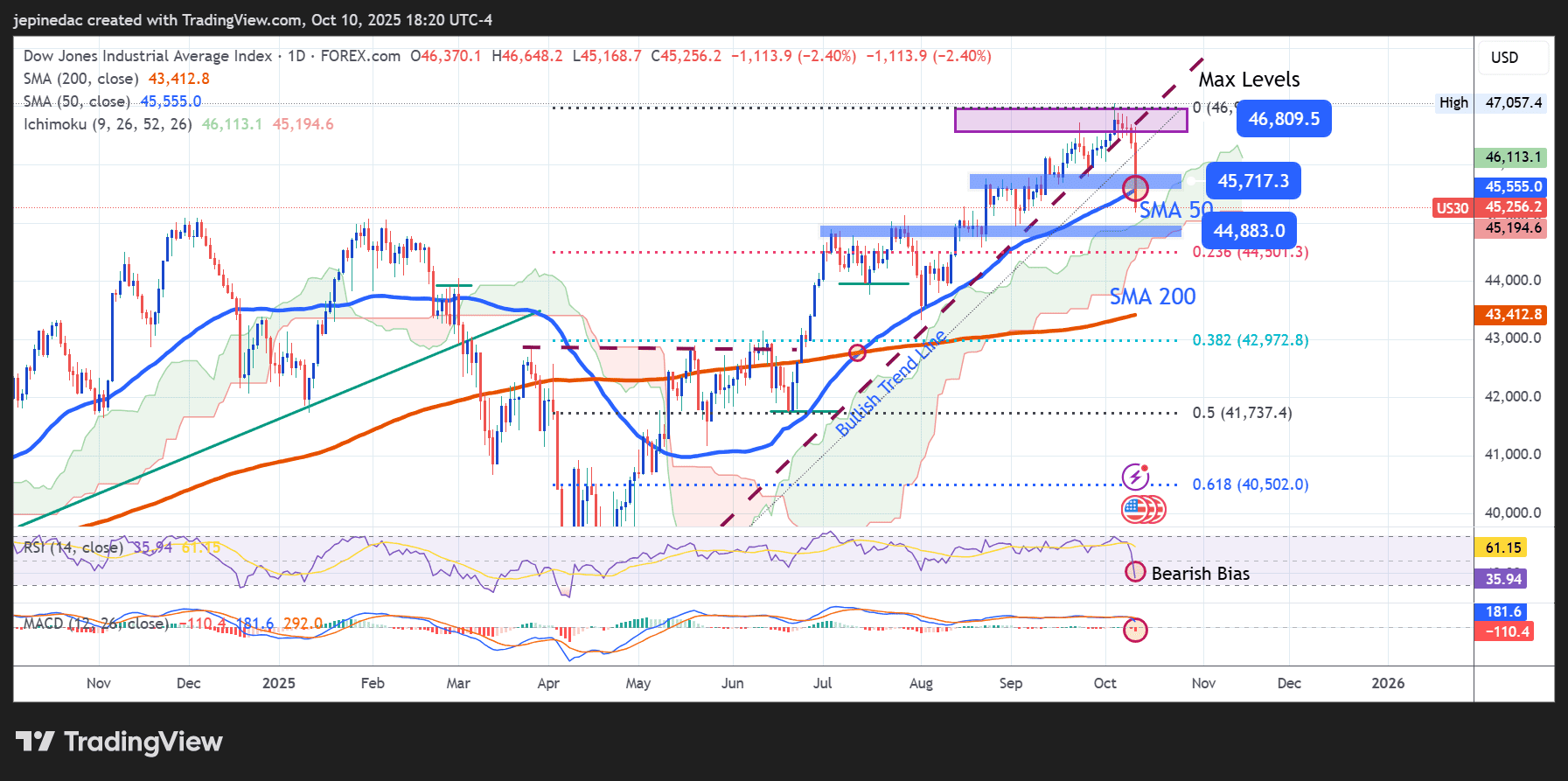
Leveraging Financial Tools and Advice
In today’s complex financial landscape, investors have access to an array of financial tools and professional advice. Robo-advisors can help automate portfolio management and diversification, while financial advisors can provide personalized guidance tailored to individual circumstances and goals. Online platforms offer real-time data, analytical tools, and educational resources to empower investors. Utilizing these resources can help individuals move beyond simply observing the Dow’s daily close to actively participating in financial markets in an informed, strategic, and ultimately more successful manner, aligning with the core principles of sound money management and investing.
The Dow’s daily close is more than just a number; it’s a headline, a mood setter, and a critical piece of the financial puzzle. But for those dedicated to building lasting wealth, it’s also a reminder to look deeper, to understand the forces at play, and to maintain a strategic, long-term perspective that transcends the immediate ups and downs of the market.
aViewFromTheCave is a participant in the Amazon Services LLC Associates Program, an affiliate advertising program designed to provide a means for sites to earn advertising fees by advertising and linking to Amazon.com. Amazon, the Amazon logo, AmazonSupply, and the AmazonSupply logo are trademarks of Amazon.com, Inc. or its affiliates. As an Amazon Associate we earn affiliate commissions from qualifying purchases.