
In the modern era of high-frequency trading and 24/7 digital connectivity, it can often feel counterintuitive that the stock market—the very heart of global capitalism—takes breaks. For the individual investor, seeing a “Market Closed” notification on a brokerage app can trigger a range of emotions, from mild curiosity to strategic frustration. Understanding “why the share market is closed today” requires more than just looking at a calendar; it requires an understanding of the regulatory, cultural, and structural pillars that support the financial world.
This article explores the fundamental reasons behind market closures, the types of holidays observed by global exchanges, and how these pauses in activity serve as a vital mechanism for financial stability and investor well-being.
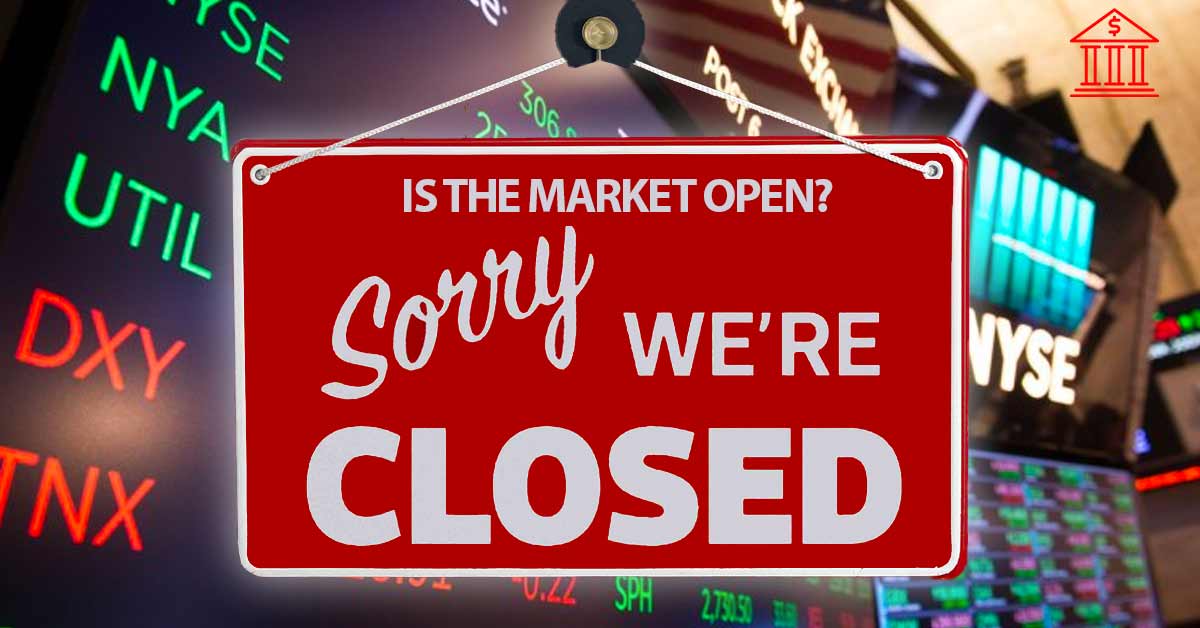
1. The Anatomy of Trading Hours: Why Markets Aren’t 24/7
Unlike the cryptocurrency market, which operates 365 days a year, traditional equity markets follow a strictly regulated schedule. These hours are designed to ensure liquidity, transparency, and a level playing field for all participants.
The Role of Centralized Liquidity
One of the primary reasons markets close is to concentrate “liquidity.” If trading were spread across 24 hours every day, the volume of buyers and sellers at any given moment would be significantly lower. By funneling all trading activity into a 6-to-7-hour window, exchanges ensure that there are enough participants to facilitate fair pricing. When the market is “closed,” it allows for the accumulation of information and orders, which then leads to a robust price discovery process when the opening bell rings.
The Human Element in Finance
Despite the prevalence of algorithms and AI, the financial sector still relies on human oversight. Market closures provide essential downtime for traders, analysts, and regulatory officials. Constant 24/7 trading in equity markets could lead to extreme burnout and an increased margin for error. Furthermore, these breaks allow clearinghouses and banks to settle transactions, reconcile books, and ensure that the “pipes” of the financial system are functioning correctly.
Settlement and Clearing Cycles
When you buy a stock, the exchange of ownership isn’t instantaneous in the backend. Most markets operate on a T+1 or T+2 settlement cycle (Trade date plus one or two days). Market closures, particularly on weekends, provide the necessary window for these complex administrative tasks to be finalized without the interference of new, incoming trades.
2. Public, National, and Gazetted Holidays
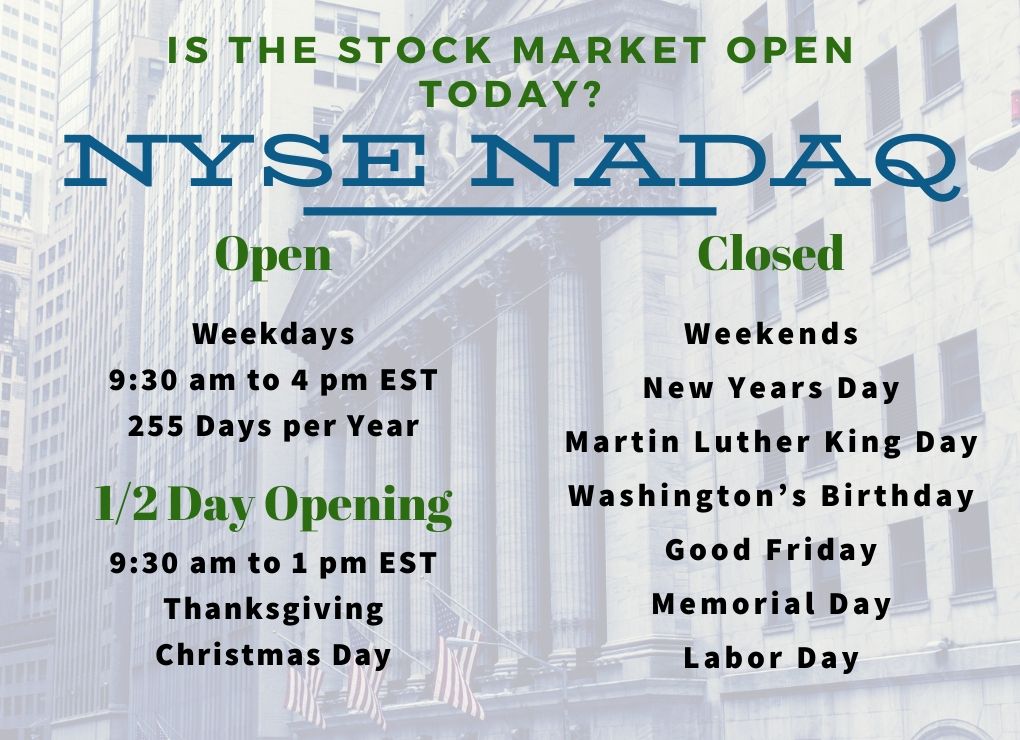
The most common reason you will find the share market closed today is the observance of a public or national holiday. These dates are typically announced by the exchange (such as the NYSE, NASDAQ, NSE, or LSE) at the beginning of the calendar year.
Federal and National Observances
Each country’s stock exchange follows the cultural and political calendar of its home nation. For example, in the United States, the markets close for Thanksgiving, Independence Day, and Labor Day. In India, the markets observe Diwali, Eid, and Republic Day. These closures reflect the exchange’s status as a national institution. When a country celebrates a significant milestone or observes a day of mourning, the financial heart of that nation stops in solidarity.
The “Weekend Effect”
The most frequent market closures occur on Saturdays and Sundays. Historically, this was to allow the physical exchange floors to be cleaned and for paperwork to be manually processed. In the digital age, the weekend serves as a cooling-off period. It prevents “panic selling” from spiraling out of control over long periods and allows investors to digest the news of the week before making their next move on Monday morning.
Regional Differences and Global Synchronization
It is important to note that just because your local market is closed doesn’t mean the global market is. An investor in New York might find the NYSE closed for Memorial Day, while the London Stock Exchange is operating as usual. This desynchronization can create unique opportunities and risks, as international events may influence a stock’s “grey market” price even while its primary exchange is shuttered.
3. Extraordinary Closures: Circuit Breakers and Technical Glitches
Sometimes, the market is closed not because of a holiday, but because of an intervention. These are “unscheduled” closures designed to protect the integrity of the financial system.
Market-Wide Circuit Breakers
In times of extreme volatility, exchanges employ “circuit breakers.” These are automated regulatory measures that temporarily halt trading when a major index (like the S&P 500) drops by a certain percentage (typically 7%, 13%, and 20%) within a single session. The goal of this forced closure is to provide a “breathing space” for investors to re-evaluate their positions and to prevent a flash crash driven by algorithmic feedback loops.
Technical Outages and System Failures
While rare, technology is not infallible. In the past, major exchanges have had to close or delay openings due to software bugs, hardware failures, or connectivity issues. In these instances, the market is closed to prevent unfair advantages where some traders might have access to the order book while others do not. Ensuring “fair and equitable access” is a mandate for most regulators, and a temporary closure is often the only way to restore that balance.
National Emergencies
Historical events, such as the 9/11 attacks or extreme weather events like Hurricane Sandy, have forced the closure of markets for multiple days. In these cases, the closure is a matter of public safety and the physical inability of personnel to reach the exchange or maintain the necessary digital infrastructure.
4. The Investor’s Perspective: What to Do When the Market is Closed
For many, a closed market feels like a missed opportunity. However, savvy investors view these pauses as a critical component of their wealth-building strategy.
Order Placement and “After-Hours” Considerations
Even when the market is closed, most modern brokerage platforms allow you to place “After-Market Orders” (AMO). These orders are queued and executed as soon as the market opens on the next trading day. While this offers convenience, investors must be cautious of “gapping”—the difference between the closing price today and the opening price tomorrow. Significant news released while the market is closed can cause the price to jump or drop significantly before you have a chance to react.
Analyzing the Macro Environment
Market closures provide the perfect environment for deep-dive research. Without the distraction of fluctuating tickers and intraday “noise,” an investor can focus on fundamental analysis. This is the time to read through 10-K filings, analyze quarterly earnings reports, and study industry trends. Successful investing is 90% preparation and 10% execution; the days the market is closed are the days the 90% happens.
Rebalancing and Strategy Review
Use the downtime to review your portfolio’s asset allocation. Does your current exposure align with your long-term financial goals? Market holidays are an excellent time to check if your portfolio has become too top-heavy in one sector or if your risk tolerance has changed. Since you cannot act impulsively during a closure, it encourages a more rational, long-term approach to wealth management.
5. The Economic Impact of Market Closures
While it may seem like just a “day off,” a market closure has real economic implications for the financial services industry and the broader economy.
Impact on Daily Turnover and Revenue
For brokerage firms and the exchanges themselves, a closed market means zero transaction fees for that day. This affects the quarterly revenue of financial institutions. However, this is usually priced into their business models. For the individual trader, a closure prevents the realization of gains or losses, which can impact cash flow—especially for those who rely on day trading for income.
Psychological Stability and Market Health
Constant exposure to market volatility can lead to “investor fatigue.” Periodic closures act as a psychological reset. Studies have shown that constant monitoring of stock prices often leads to over-trading and lower long-term returns. By having designated days where trading is impossible, the system forces a level of patience that is ultimately beneficial for the stability of the capital markets.
The Anticipation of the “Opening Bell”
The period during which the market is closed often sees an accumulation of “pent-up demand.” This is why Monday mornings or the day after a major holiday often see higher-than-average volume and volatility. The market is essentially “catching up” with the world. For the disciplined investor, understanding this surge is key to avoiding the traps of high-volatility openings.

Conclusion
The question of “why the share market is closed today” usually has a simple answer rooted in a calendar date, but the underlying reasons are a complex blend of tradition, regulation, and system maintenance. Whether it is a national holiday, a scheduled weekend, or an emergency halt, market closures are a necessary feature of a healthy financial ecosystem.
Rather than viewing a closed market as a barrier, investors should see it as a vital “cooldown” period. It is a time for the system to settle, for regulators to oversee, and for individuals to step back from the screen and refine their long-term financial strategies. In the world of money, sometimes the best move you can make is to wait for the bell.
aViewFromTheCave is a participant in the Amazon Services LLC Associates Program, an affiliate advertising program designed to provide a means for sites to earn advertising fees by advertising and linking to Amazon.com. Amazon, the Amazon logo, AmazonSupply, and the AmazonSupply logo are trademarks of Amazon.com, Inc. or its affiliates. As an Amazon Associate we earn affiliate commissions from qualifying purchases.