
Investing can often feel like navigating a labyrinth of jargon, complex charts, and conflicting advice. However, for those looking to build sustainable long-term wealth without the stress of picking individual stocks, one name consistently rises to the top: the S&P 500. Often cited by legendary investors like Warren Buffett as the most practical vehicle for the average person, the S&P 500 offers a blend of stability, growth, and simplicity.
In this guide, we will break down exactly how the S&P 500 works, why it remains the gold standard of investing, and the practical steps you can take today to start your journey toward financial independence.
Understanding the S&P 500: The Engine of American Growth
Before putting your hard-earned money into any asset, it is essential to understand what that asset actually represents. The S&P 500, or the Standard & Poor’s 500 Index, is a stock market index that tracks the performance of 500 of the largest publicly traded companies in the United States. It is widely regarded as the best single gauge of large-cap U.S. equities.
The Index Composition and Market Capitalization
The S&P 500 is not a random collection of companies. It is a “market-capitalization-weighted” index. This means that larger companies—like Apple, Microsoft, and Amazon—have a greater impact on the index’s performance than smaller ones. To be included, a company must meet specific criteria regarding its size (market cap), liquidity, and profitability.
By investing in the S&P 500, you are effectively buying a small piece of the 500 most successful corporations in America. If one company fails or shrinks, it is eventually removed from the index and replaced by a rising star, ensuring that the index remains a reflection of the current economic leaders.
Historical Performance and the Power of Time
Historically, the S&P 500 has delivered an average annual return of approximately 10% before inflation. While the market fluctuates—experiencing “bull markets” (growth) and “bear markets” (decline)—the long-term trajectory of the S&P 500 has been consistently upward. For a beginner, this historical reliability provides a sense of security. You are not betting on the success of a single “meme stock”; you are betting on the collective innovation and productivity of the U.S. economy.
Why the S&P 500 is Ideal for Beginner Investors
For many beginners, the primary barriers to investing are a lack of time and a fear of losing money. The S&P 500 addresses both of these concerns through its inherent structure.
Instant Diversification
One of the golden rules of finance is “don’t put all your eggs in one basket.” If you invest all your savings into a single tech company and that company faces a scandal or a product failure, your portfolio could plummet. The S&P 500 provides instant diversification. Your investment is spread across sectors including technology, healthcare, finance, consumer staples, and energy. This diversification acts as a safety net; even if one sector is underperforming, others may be thriving, which helps smooth out your returns over time.
Passive Management vs. Active Picking
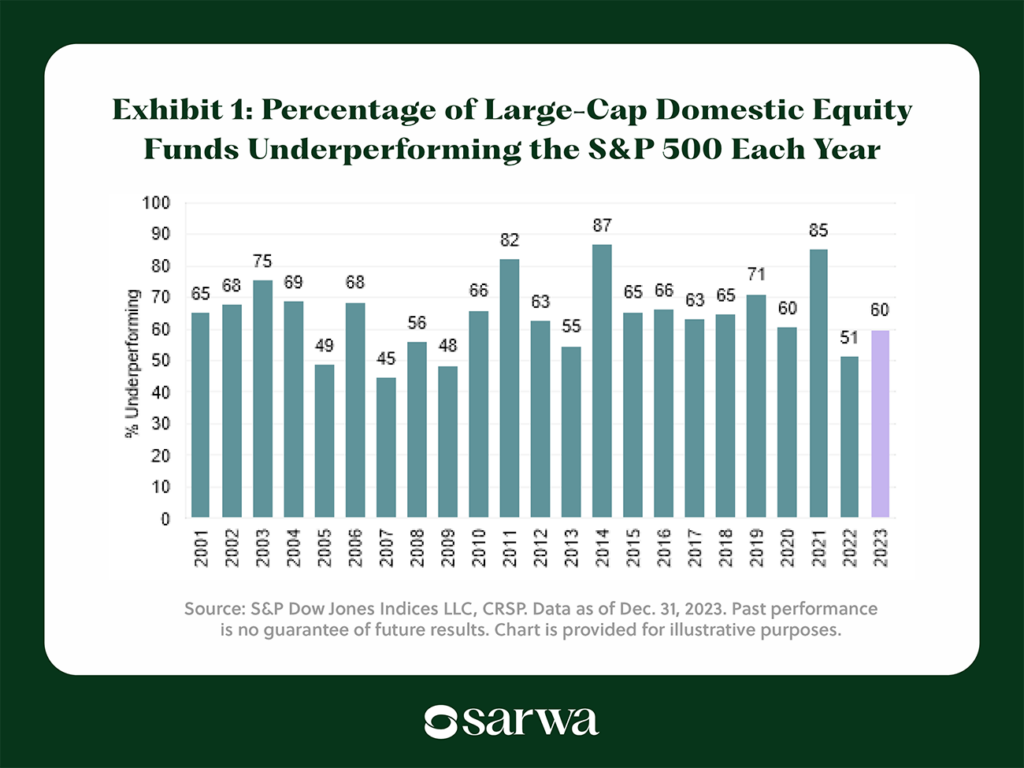
Many people believe they need to spend hours analyzing financial statements to be successful. In reality, “active” fund managers—professionals who try to beat the market by picking specific stocks—often fail to outperform the S&P 500 over the long run. By choosing an S&P 500 index fund, you are engaging in “passive” investing. You aren’t trying to beat the market; you are capturing the market’s growth. This approach requires significantly less effort and typically yields better results for the average investor.
Low Barriers to Entry and Transparency
In the past, investing was reserved for the wealthy or those with access to expensive brokers. Today, the S&P 500 is accessible to almost anyone with a smartphone and a few dollars. Because it is one of the most watched indices in the world, there is immense transparency. You can check the price, the holdings, and the performance of your S&P 500 investment at any second of the day.
How to Start Investing: A Step-by-Step Execution Plan
Now that you understand the “why,” let’s focus on the “how.” You cannot buy “The S&P 500” directly because it is just an index (a list of names). Instead, you buy a fund that mimics the index.

Step 1: Choosing a Brokerage Platform
To buy an S&P 500 fund, you need a brokerage account. Think of this as a bank account specifically for your investments. Modern investors have many excellent choices:
- Established Giants: Vanguard, Fidelity, and Charles Schwab are renowned for their low fees and educational resources.
- Fintech Apps: Platforms like Robinhood or Betterment offer user-friendly interfaces that are perfect for those who want a mobile-first experience.
When choosing, look for a broker that offers $0 commissions on trades and a robust mobile app.
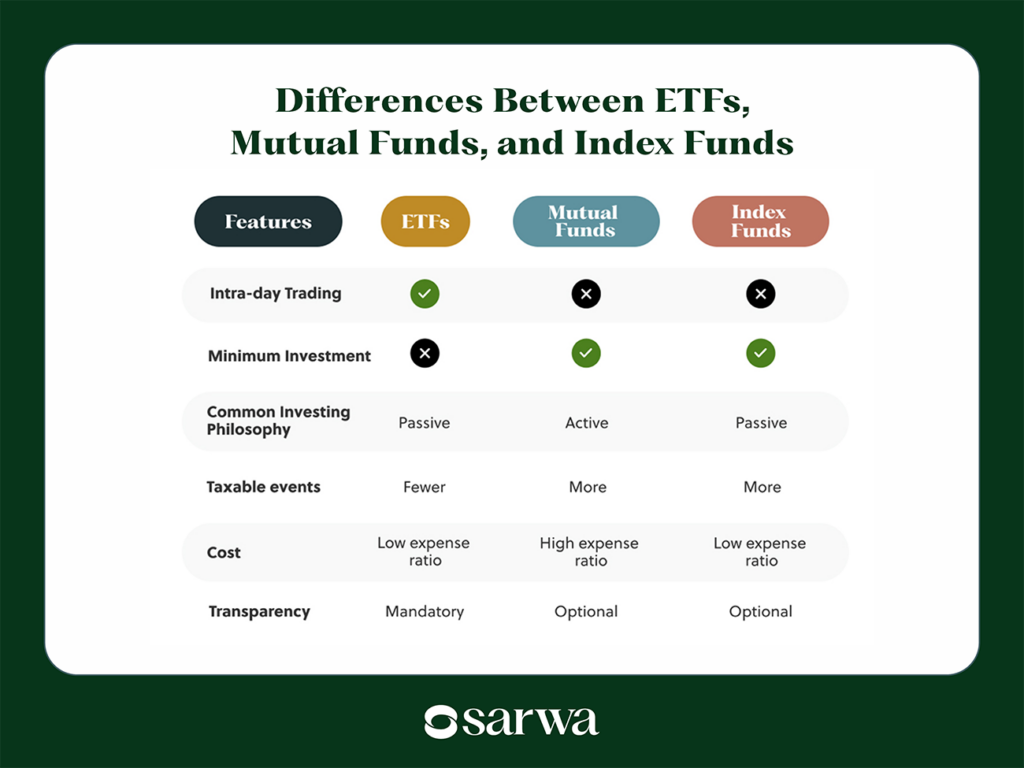
Step 2: Index Funds vs. ETFs
Once your account is open, you will need to choose between two primary types of vehicles:
- Mutual Funds (Index Funds): These are priced once at the end of the day. They are excellent for automated investing where you want to contribute a set amount of money every month.
- Exchange-Traded Funds (ETFs): These trade like stocks throughout the day. Popular S&P 500 ETFs include VOO (Vanguard), IVV (iShares), and SPY (SPDR). ETFs are generally more tax-efficient and have no minimum investment requirement beyond the price of a single share (and many brokers now allow “fractional shares”).
Step 3: Setting Your Budget and Automating
The biggest mistake beginners make is waiting for the “perfect time” to invest. The best strategy is to determine a fixed amount you can afford to lose from your monthly budget—whether it’s $50 or $500—and automate the contribution. Most brokerages allow you to set up an automatic transfer from your checking account into your S&P 500 fund. This “set it and forget it” mentality removes the emotional stress of watching daily market swings.
Strategies for Long-Term Financial Success
Investing in the S&P 500 is not a “get rich quick” scheme; it is a “get wealthy eventually” strategy. To maximize your returns, you should employ a few core financial principles.
The Power of Compound Interest
Albert Einstein famously called compound interest the “eighth wonder of the world.” When you invest in the S&P 500, many of the companies pay dividends (a share of their profits). When you reinvest those dividends to buy more shares, you begin to earn interest on your interest. Over 20 or 30 years, this compounding effect can turn modest monthly contributions into a substantial seven-figure nest egg.
Dollar-Cost Averaging (DCA)
Market volatility is inevitable. Prices will go up, and prices will go down. Dollar-cost averaging is the practice of investing the same amount of money at regular intervals, regardless of the price. When the market is down, your money buys more shares. When the market is up, your money buys fewer shares. Over time, this lowers your average cost per share and eliminates the risk of accidentally “buying at the top.”
Managing Risk and Your Emotional Quotient
The S&P 500 is safe in the long run, but it can be rocky in the short run. During a recession, the index might drop 20% or more. The most successful investors are not those with the highest IQ, but those with the highest “Emotional Quotient” (EQ). They remain calm during downturns and resist the urge to sell. Remember: you only lose money in the S&P 500 if you sell during a dip. If you stay the course, history suggests the market will eventually recover and reach new highs.
Common Pitfalls and How to Protect Your Portfolio
While the S&P 500 is a relatively safe bet, there are still ways that beginners can sabotage their own success. Awareness of these pitfalls is the first step toward avoiding them.
Overlooking the “Expense Ratio”
Not all S&P 500 funds are created equal. Some funds charge higher management fees than others. These fees are expressed as an “expense ratio.” For example, an expense ratio of 0.03% (like Vanguard’s VOO) means you pay only $3 for every $10,000 invested. Some older mutual funds might charge 1.0% or more. While 1% sounds small, it can eat tens of thousands of dollars out of your final portfolio over several decades. Always look for the lowest expense ratio possible.
Trying to Time the Market
Beginners often hear “the market is about to crash” on the news and decide to wait until the “bottom” to buy. This is almost always a mistake. Missing just a few of the market’s best-performing days can drastically reduce your long-term returns. As the saying goes: “Time in the market beats timing the market.”
Neglecting the “Tax-Advantaged” Accounts
Before investing in a standard taxable brokerage account, beginners should check if they can invest through a 401(k) or a Roth IRA. These accounts offer significant tax advantages that can help your S&P 500 investment grow even faster by shielding your gains from the IRS.
Conclusion: The Path to Wealth Starts Today
The S&P 500 represents the collective resilience and innovation of the world’s most powerful economy. By choosing to invest in this index, you are moving away from the speculation of “gambling” on individual stocks and moving toward the discipline of true wealth creation.
The beauty of the S&P 500 lies in its simplicity. You don’t need to be a Wall Street analyst to succeed; you simply need a brokerage account, a low-cost index fund, and the patience to let time do the heavy lifting. Start small, stay consistent, and let the 500 largest companies in America work for you. Your future self will thank you for the seeds you plant today.
aViewFromTheCave is a participant in the Amazon Services LLC Associates Program, an affiliate advertising program designed to provide a means for sites to earn advertising fees by advertising and linking to Amazon.com. Amazon, the Amazon logo, AmazonSupply, and the AmazonSupply logo are trademarks of Amazon.com, Inc. or its affiliates. As an Amazon Associate we earn affiliate commissions from qualifying purchases.