
In the fast-paced world of finance, timing is often just as important as the assets you choose to trade. For the modern investor, the question “what time do the markets open?” is rarely a simple one. In a globalized economy, the financial sun never truly sets; as one exchange closes in New York, another is preparing to open in Tokyo or London. Understanding these operational windows is essential for managing liquidity, navigating volatility, and executing strategic trades.
Whether you are a day trader looking for the morning “pop” or a long-term investor checking your portfolio, knowing when the doors open—and what happens behind those doors—is the foundation of market literacy. This guide explores the hours of the world’s major exchanges, the mechanics of extended trading, and the strategic implications of time zones on your financial success.
The Pillars of the West: North American Market Hours
For the vast majority of retail and institutional investors in the West, the New York Stock Exchange (NYSE) and the NASDAQ define the trading day. These institutions operate on Eastern Time (ET) and set the pace for global equity movements.
The Opening Bell: Standard Trading Hours
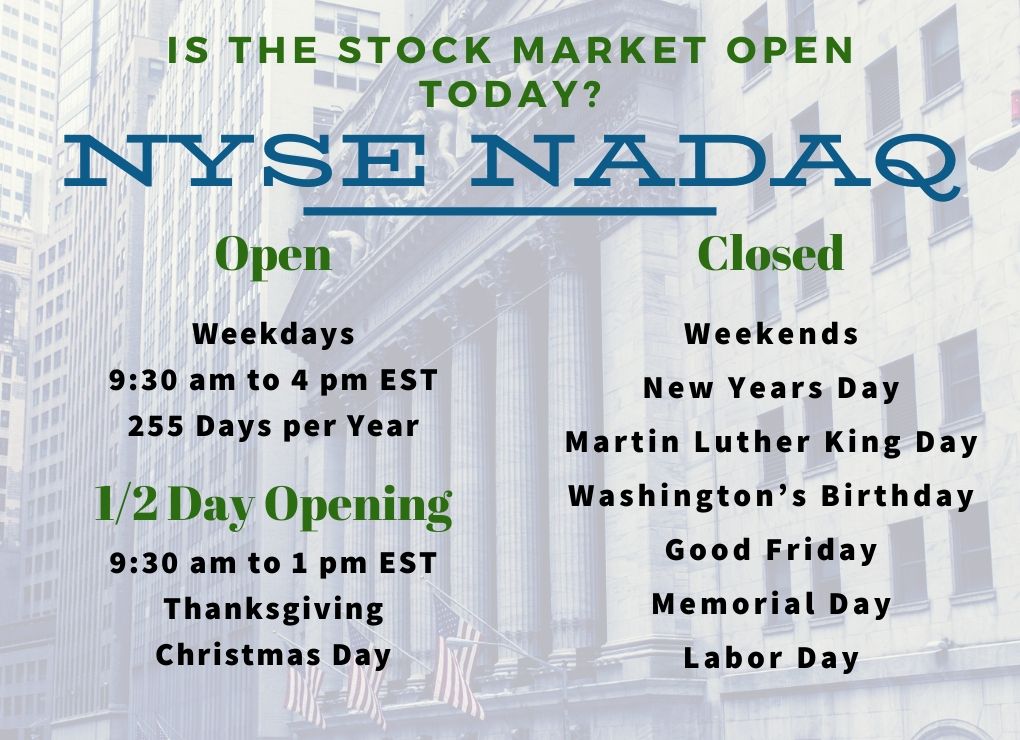
The standard trading session for the NYSE and NASDAQ runs from 9:30 AM to 4:00 PM ET, Monday through Friday. This 6.5-hour window is when the highest volume of trading occurs. The “Opening Bell” at 9:30 AM is more than just a ceremony; it represents the moment when the market’s price discovery mechanism shifts from the speculative environment of the overnight hours to the high-liquidity environment of the live floor.
During these hours, spreads (the difference between the buy and sell price) are typically at their narrowest because there are more participants. For the casual investor, this is the safest time to execute trades, as the high volume ensures that orders are filled quickly and at prices close to the quoted market rate.
Extended Hours: Pre-Market and After-Hours Trading
While the “official” day begins at 9:30 AM, the digital nature of modern finance allows for trading outside these hours. Pre-market trading typically occurs from 4:00 AM to 9:30 AM ET, while after-hours trading runs from 4:00 PM to 8:00 PM ET.
Extended-hours trading is primarily used by investors to react to news that breaks outside of standard hours, such as quarterly earnings reports or geopolitical events. However, these sessions come with significant risks. Liquidity is much lower, meaning price swings can be erratic and extreme. Furthermore, the bid-ask spreads are often wider, which can result in “slippage”—where you end up paying significantly more (or receiving significantly less) for a stock than you intended.
Market Holidays and Half-Day Sessions
It is also vital to keep a calendar of market holidays. In the United States, the markets are closed on major federal holidays, including New Year’s Day, Martin Luther King Jr. Day, President’s Day, Good Friday, Memorial Day, Juneteenth, Independence Day, Labor Day, Thanksgiving, and Christmas.
Occasionally, the market will observe “half-days,” typically closing at 1:00 PM ET on the Friday after Thanksgiving or on Christmas Eve. Being aware of these closures prevents the frustration of attempting to execute a trade when the liquidity providers have gone home for the holiday.
A Global Perspective: Navigating European and Asian Sessions
If you are interested in diversifying your portfolio internationally or trading forex, you must look beyond Wall Street. The global market operates in three primary shifts: the American session, the European session, and the Asian session.
The London Stock Exchange and European Hubs
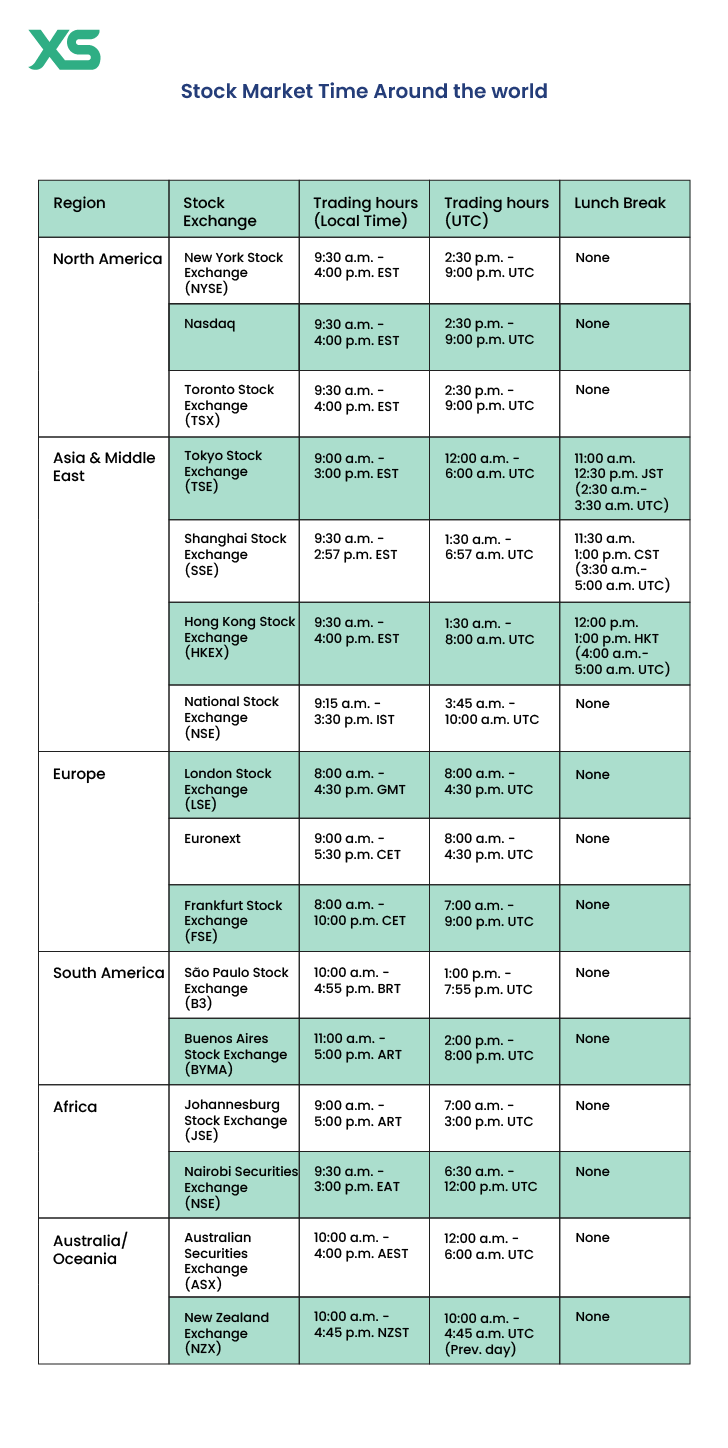
The London Stock Exchange (LSE) is the crown jewel of the European session. It typically opens at 8:00 AM and closes at 4:30 PM local time (GMT or BST). Other major European exchanges, such as the Euronext Paris and the Frankfurt Stock Exchange (DAX), follow similar schedules, usually operating from 9:00 AM to 5:30 PM Central European Time.
European markets are particularly influential because they serve as a bridge between the closing of the Asian markets and the opening of the American markets. Many global investors watch the early hours of the London session to gauge the “risk-on” or “risk-off” sentiment for the day ahead.
The Asian Session: Tokyo, Hong Kong, and Shanghai
The Asian trading day begins while the Americas are asleep. The Tokyo Stock Exchange (TSE) generally operates from 9:00 AM to 3:00 PM local time. One unique feature of many Asian exchanges, including Tokyo and the Hong Kong Stock Exchange (HKEX), is the “lunch break.” Unlike Western markets, which trade continuously through the day, these exchanges often pause for 60 to 90 minutes in the middle of the day, allowing traders to reset before the afternoon session.
Understanding the Asian session is critical for investors in the tech and manufacturing sectors, as the performance of giants like Samsung, TSMC, and Toyota can set the trend for tech stocks in the U.S. later that morning.
The “Golden Hour”: When Major Markets Overlap
The most significant period for global finance occurs when two major markets are open simultaneously. The most notable overlap is between the London and New York sessions, which happens roughly between 8:00 AM and 12:00 PM ET. During this four-hour window, the world’s two largest financial hubs are active. This is often the period of maximum liquidity and highest volatility, making it a favorite time for professional traders to execute large-scale positions.
The Rise of the 24/7 Market: Cryptocurrency and Forex
In the traditional equity world, markets have clear start and end times. However, the rise of digital finance and global currency trading has introduced the concept of the “always-on” market.
The Borderless Nature of Digital Assets
Unlike the NYSE or the LSE, the cryptocurrency market never closes. Bitcoin, Ethereum, and thousands of other digital assets trade 24 hours a day, 7 days a week, 365 days a year. This constant availability has changed the psychological landscape of investing. In the crypto world, “market open” is a localized concept; there is no bell, only a continuous stream of data.
While 24/7 access provides freedom, it also demands higher vigilance. A market-moving event can happen at 3:00 AM on a Sunday, and without the circuit breakers or “close of business” cooling-off periods found in traditional markets, prices can move violently in a very short time.
Foreign Exchange (Forex) Cycles
The Forex market is another near-continuous market, though it does take a break over the weekend. Forex trading begins on Sunday evening (around 5:00 PM ET) when the Sydney session opens and runs through Friday afternoon when the New York session closes. Because currencies are traded in pairs (e.g., EUR/USD), there is always a market open somewhere in the world during the workweek. For the personal finance enthusiast looking into side hustles, Forex offers the flexibility to trade at night or in the early morning, provided they understand the risks of leverage.
Strategic Implications of Market Timing
Knowing the hours is one thing; knowing how to use them is another. The time at which you enter the market can significantly impact your cost basis and your overall strategy.
The Impact of the “Open” on Volatility
The first 30 to 60 minutes of the market open (9:30 AM – 10:30 AM ET) are notoriously volatile. This is often called the “amateur hour” by professionals, as it is the time when all the pent-up orders from the night before are filled. Prices can swing wildly as the market “finds” its true value for the day. For conservative investors, it is often wise to wait for this initial volatility to settle before making a move. Conversely, momentum traders thrive on this early-morning energy.
The “Lunchtime Lull” and “Power Hour”
Following the morning rush, the market often enters a “lunchtime lull” between 12:00 PM and 2:00 PM ET. Volume thins out as institutional traders take breaks, and prices may drift sideways. Activity picks up again during the “Power Hour”—the final hour of trading from 3:00 PM to 4:00 PM ET. This is when institutional investors rebalance their portfolios and “close out” their day positions, often leading to a surge in volume and definitive price movements that signal how the market feels about the next day’s prospects.
Risk Management Across Time Zones
For those trading in markets outside their home time zone, risk management is paramount. If you are a U.S.-based investor holding sensitive positions in the Japanese market, you must account for the fact that major news could break while you are asleep. Using “stop-loss” orders and “limit” orders is essential in these scenarios to ensure that your portfolio is protected even when you aren’t physically watching the ticker.
Tools for Tracking Global Hours
In a world where time zones can be confusing, technology is the investor’s best friend. Staying synchronized with global markets is easier than ever with the right suite of tools.
World Clock Apps and Financial Calendars
Most professional trading platforms, such as Thinkorswim, Interactive Brokers, or Bloomberg, have built-in clocks that show the local time of every major exchange. For the retail investor, websites like Investing.com or MarketWatch provide “Market Status” bars that show at a glance which global markets are currently open, closed, or in pre-market.

Automated Trading and Time-Locked Orders
For those who cannot be at their desks when a specific market opens, automated trading tools are invaluable. Most modern brokerages allow for “Good ’til Canceled” (GTC) orders or orders that only trigger during specific sessions (e.g., “Regular Trading Hours only”). By utilizing these tools, you can set your strategy during your own waking hours and let the brokerage’s servers execute the plan when the relevant market opens.
In conclusion, understanding what time the markets open is the first step in mastering the mechanics of wealth creation. By recognizing the rhythm of the global trading day—from the frantic energy of the New York open to the 24/7 pulse of the crypto world—you can position yourself to trade more effectively, reduce your transaction costs, and manage your risks with professional-grade precision. Keep your eyes on the clock; in finance, every second counts.
aViewFromTheCave is a participant in the Amazon Services LLC Associates Program, an affiliate advertising program designed to provide a means for sites to earn advertising fees by advertising and linking to Amazon.com. Amazon, the Amazon logo, AmazonSupply, and the AmazonSupply logo are trademarks of Amazon.com, Inc. or its affiliates. As an Amazon Associate we earn affiliate commissions from qualifying purchases.