
In the rapidly evolving landscape of the digital economy, the ability to process payments efficiently is no longer just a technical requirement—it is a core pillar of business finance. Square has emerged as a titan in the fintech space, democratizing access to merchant services that were once reserved for large-scale corporations with significant capital. For small business owners, freelancers, and side hustlers, understanding how to sign up for and leverage Square is a vital step toward professionalizing their financial operations and stabilizing cash flow.
Signing up for Square is more than a simple registration process; it is the act of establishing a financial hub that manages revenue, taxes, and business growth. This guide explores the strategic financial implications of choosing Square and provides a detailed roadmap to integrating this powerful tool into your business’s monetary framework.
The Financial Case for Square in the Modern Economy
Before diving into the mechanics of signing up, it is essential to understand why Square represents a significant shift in business finance. Traditionally, obtaining a merchant account required rigorous credit checks, long-term contracts, and high monthly overhead costs. Square disrupted this model by offering a low-barrier entry point with a transparent, pay-as-you-go pricing structure.
Lowering Barriers to Entry for Small Businesses
For many entrepreneurs, the initial hurdle to starting a business is the cost of financial infrastructure. Square’s model allows businesses to start accepting payments with zero upfront monthly fees. This shift from “fixed cost” to “variable cost” is a game-changer for personal finance and small business budgeting. By only paying when you make a sale, you preserve your liquid capital during the lean early stages of your venture.
Understanding the Fee Structure and Profit Margins
A critical aspect of financial planning is understanding your margins. Square typically operates on a flat-rate processing fee (often around 2.6% + $0.10 for in-person transactions). While some high-volume businesses might find interchange-plus pricing more competitive, the predictability of Square’s fees allows for simpler financial forecasting. When you sign up, you are choosing a partner that simplifies your bookkeeping, as the “net” amount deposited into your bank account is already calculated, reducing the administrative burden of manual reconciliation.
Navigating the Registration Process: Securing Your Business Identity
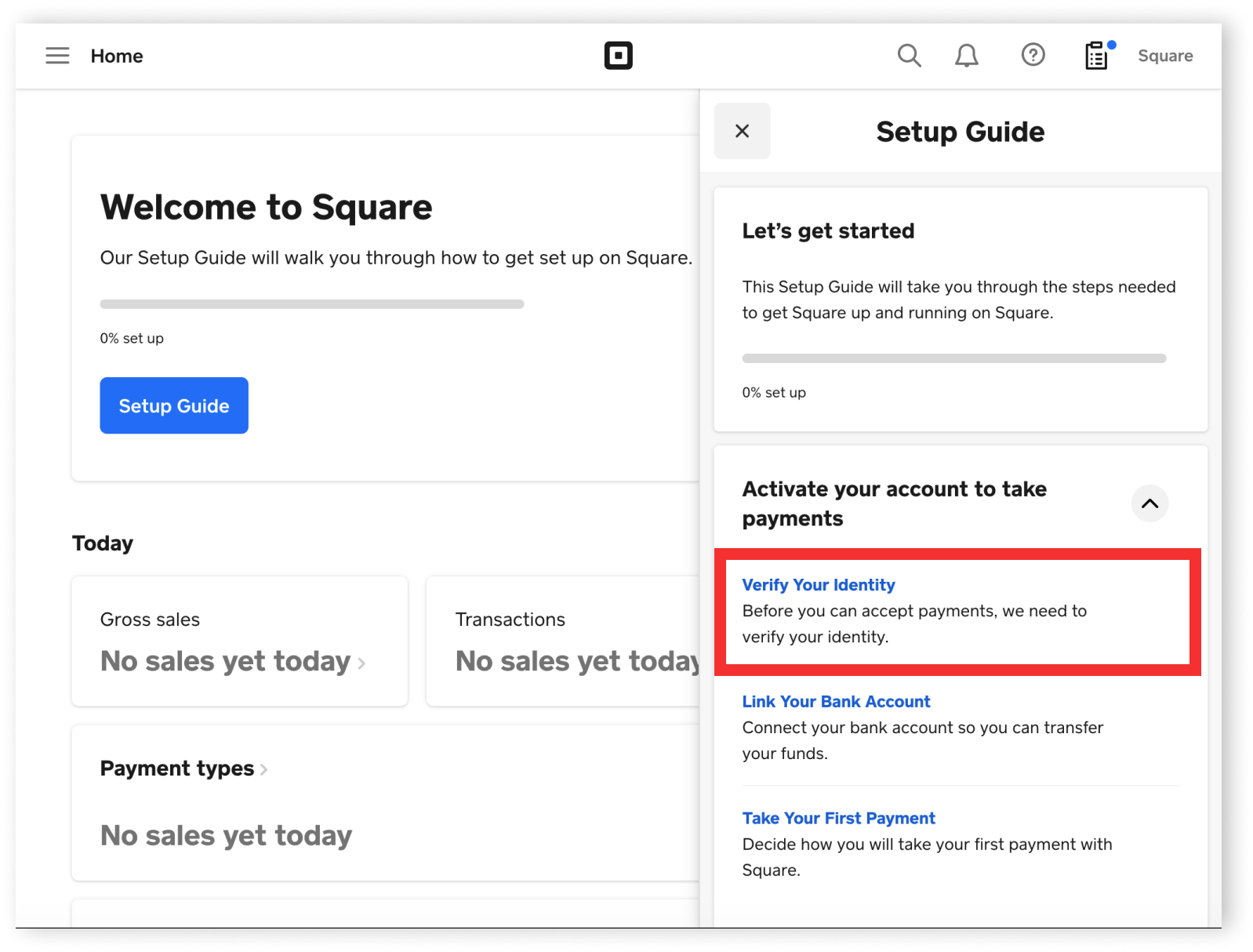
The process of signing up for Square is designed to be streamlined, yet it requires a high degree of financial accuracy. Because Square acts as a payment processor, they are subject to strict “Know Your Customer” (KYC) and Anti-Money Laundering (AML) regulations. This means your signup process is essentially a financial vetting procedure.
Step 1: Account Creation and Business Classification
To begin, you will visit the Square website and enter your email address and a secure password. The first major financial decision comes with classifying your business. You must choose whether you are operating as an individual/sole proprietor, an LLC, a Corporation, or a Non-profit. This choice has significant implications for your tax liability and how your 1099-K forms will be issued at the end of the fiscal year. Ensuring your legal name and Taxpayer Identification Number (TIN) or Social Security Number (SSN) match official records is paramount to avoiding frozen funds later.
Step 2: Linking Bank Accounts for Seamless Cash Flow
The “Money” aspect of Square hinges on the link between the processor and your business bank account. During the signup, you will be asked to provide your routing and account numbers. Square will perform a verification process, often through a series of small “micro-deposits” or through instant verification services. From a financial management perspective, it is highly recommended to link a dedicated business checking account rather than a personal one. This maintains the “corporate veil” and simplifies your path to building business credit.
Step 3: Identity Verification and Security
Because you are handling financial transactions, Square requires verification of your identity. You may be asked for your home address, date of birth, and the last four digits of your SSN. While this may feel invasive, it is a standard security measure in the financial services industry to protect both the merchant and the consumer from fraud. Completing this step accurately ensures that your “deposit limits” are set appropriately for your expected sales volume.
Maximizing Profitability Through Square’s Integrated Financial Tools

Once the initial signup is complete, the true power of Square lies in its ability to function as a comprehensive financial dashboard. It is no longer just about “taking cards”; it is about managing the entire lifecycle of your business’s capital.
Utilizing the Square Dashboard for Financial Reporting
The Square Dashboard is an institutional-grade reporting tool that provides real-time insights into your revenue trends. For any business focused on growth, monitoring “Gross Sales” versus “Net Sales” is vital. The dashboard allows you to track which products or services have the highest profit margins and identify seasonal trends in your income. This data is the foundation of sound financial decision-making, allowing you to pivot your business strategy based on empirical evidence rather than intuition.
Invoicing and Recurring Revenue Streams
For service-based businesses or B2B operations, Square’s invoicing system is a critical tool for managing accounts receivable. You can sign up for and send professional invoices directly from the platform. From a money-management standpoint, the “Auto-pay” and “Scheduled Invoices” features are essential for creating predictable recurring revenue. Shortening the time between “work performed” and “payment received” is the most effective way to improve a business’s health, and Square’s digital invoicing significantly reduces this “Days Sales Outstanding” (DSO) metric.
Expanding Your Financial Ecosystem: Square Banking and Capital
As your business matures, your financial needs will evolve beyond simple payment processing. Square has expanded into the banking sector, providing tools that compete directly with traditional financial institutions but with a focus on integration.
Square Checking and Savings
Upon signing up, you have the option to open a Square Checking account. The primary financial benefit here is speed. While traditional bank transfers can take 1–2 business days, sales processed through Square can be available in a Square Checking account instantly. This immediate access to liquid capital can be the difference between meeting a surprise payroll expense or missing a vendor payment. Furthermore, Square Savings allows you to automatically set aside a percentage of every sale into a high-yield folder, automating the process of saving for taxes or future capital expenditures.
Square Capital: Accessing Growth Funding
One of the most innovative financial features of the Square ecosystem is Square Capital. Unlike traditional bank loans that require mountains of paperwork and collateral, Square Capital offers “merchant cash advances” based on your payment history. Because Square sees your daily cash flow, they can offer pre-approved funding amounts with a repayment structure that scales with your sales. On a busy day, you pay back more; on a slow day, you pay back less. This flexibility is a sophisticated financial tool for managing debt without the stress of fixed monthly payments that might outpace your revenue.
Managing Financial Risks, Compliance, and Tax Obligations
No discussion of business finance is complete without addressing the responsibilities that come with earning income. Signing up for Square places you firmly within the view of national tax authorities, and managing this relationship is key to long-term financial survival.
Tax Reporting and the 1099-K Form
Square is required by the IRS to report the gross unadjusted volume of your transactions. When you reach the prevailing federal or state threshold for payment processing, Square will issue a Form 1099-K. It is a common financial pitfall for new business owners to view their gross Square deposits as “pure profit.” You must account for the fact that the 1099-K reports the total amount before fees are deducted. Proper financial hygiene involves using Square’s integration with accounting software like QuickBooks or Xero to ensure your deductible expenses (including those Square fees!) are accurately tracked to minimize your tax liability.
Fraud Prevention and Chargeback Management
In the world of online and card-present income, chargebacks represent a significant financial risk. A chargeback occurs when a customer disputes a charge through their bank. Square provides a suite of risk-management tools to protect your bottom line. When you sign up, you should familiarize yourself with their “Chargeback Protection” policies and the “Risk Manager” tool. Being proactive in capturing digital signatures and providing clear refund policies can save your business thousands of dollars in lost revenue and administrative fees.
Conclusion: The Strategic Value of a Square Account
Signing up for Square Payment is the first step in building a robust, modern financial foundation for your business. By transitioning from a fragmented way of handling money to a centralized, data-driven ecosystem, you gain the clarity needed to scale.
From the initial entry of your business details to the advanced utilization of Square Capital and instant checking, every feature is designed to optimize the movement of money. In an era where “cash is king” has been replaced by “cash flow is king,” having a sophisticated financial tool like Square allows you to focus on what you do best—growing your business—while the platform handles the complexities of the global financial grid. Whether you are aiming to supplement your personal income or build a corporate empire, mastering Square is an investment in your financial future.
aViewFromTheCave is a participant in the Amazon Services LLC Associates Program, an affiliate advertising program designed to provide a means for sites to earn advertising fees by advertising and linking to Amazon.com. Amazon, the Amazon logo, AmazonSupply, and the AmazonSupply logo are trademarks of Amazon.com, Inc. or its affiliates. As an Amazon Associate we earn affiliate commissions from qualifying purchases.