
Navigating the complexities of the tax system is often viewed as a daunting annual hurdle, yet it remains one of the most critical pillars of personal and business finance. For the modern professional, whether you are a salaried employee, a dedicated freelancer, or a business owner, understanding the mechanics of how to pay your taxes is more than just a legal obligation—it is a strategic component of wealth management. In an era where financial transparency is heightened by digital auditing and real-time reporting, mastering your tax workflow ensures that you minimize liabilities, avoid soul-crushing penalties, and maintain a clear trajectory toward your long-term financial goals.
Navigating the Tax Ecosystem: Preparation and Documentation
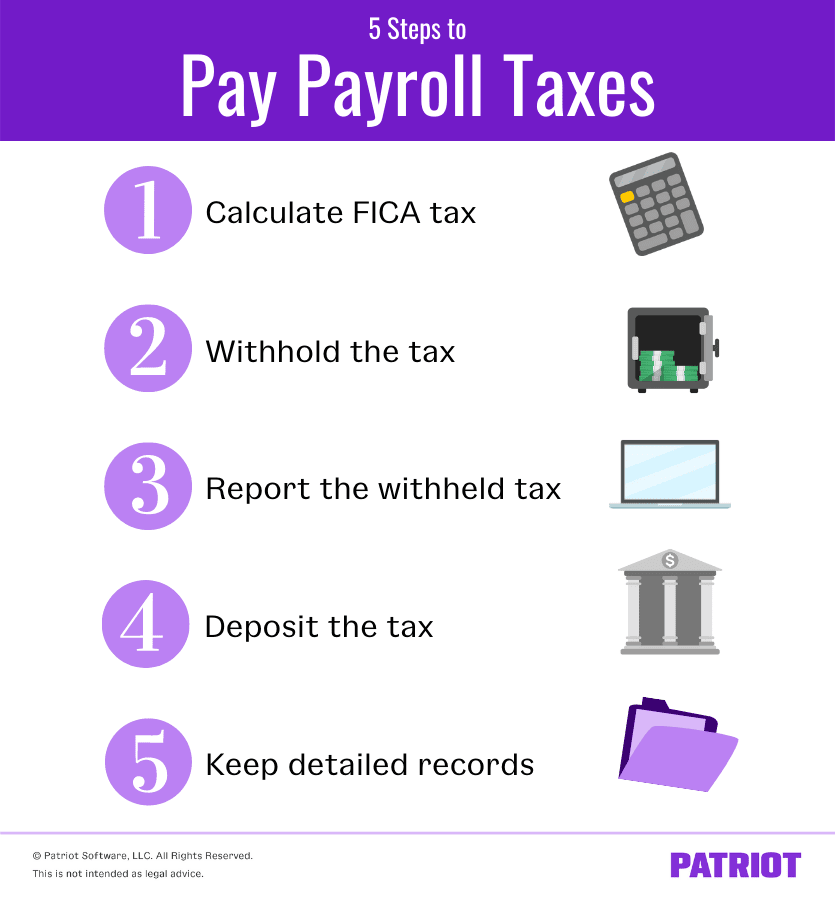
Before a single dollar is transmitted to the revenue service, the foundation of a successful tax payment lies in meticulous preparation. The “how” of paying taxes starts months before the filing deadline through the systematic collection of financial data. Without a robust documentation strategy, taxpayers often miss out on significant savings or, conversely, underreport income, leading to costly audits.
Organizing Your Financial Records
The first step in the payment process is the aggregation of all income streams. For those in the “Money” niche, this often includes diverse sources such as W-2 wages, 1099-NEC income from side hustles, dividend statements from investment portfolios, and capital gains from asset liquidation. Utilizing digital ledger systems or dedicated financial management software allows you to categorize expenses in real-time. Maintaining a “tax-ready” posture means having a digital or physical repository for receipts, invoices, and bank statements that substantiate your financial activity throughout the fiscal year.
Identifying Deductions and Credits
Understanding the difference between a deduction and a credit is vital for optimizing your final payment. Deductions, such as mortgage interest or business expenses, reduce your taxable income. Credits, such as the Child Tax Credit or Earned Income Tax Credit, provide a dollar-for-dollar reduction in the actual tax you owe. By identifying these early, you can calculate an accurate “net” tax liability, ensuring that when you finally initiate a payment, you are not overpaying the government and losing out on the time-value of your money.
Methods of Transmission: How to Facilitate the Payment
Once your liability is calculated, the focus shifts to the logistical execution of the payment. The modern financial landscape offers several avenues for transmitting funds, each with its own set of advantages and potential drawbacks. Choosing the right method depends on your liquidity, your preference for digital security, and the total amount owed.
Direct Pay and Electronic Federal Tax Payment Systems (EFTPS)
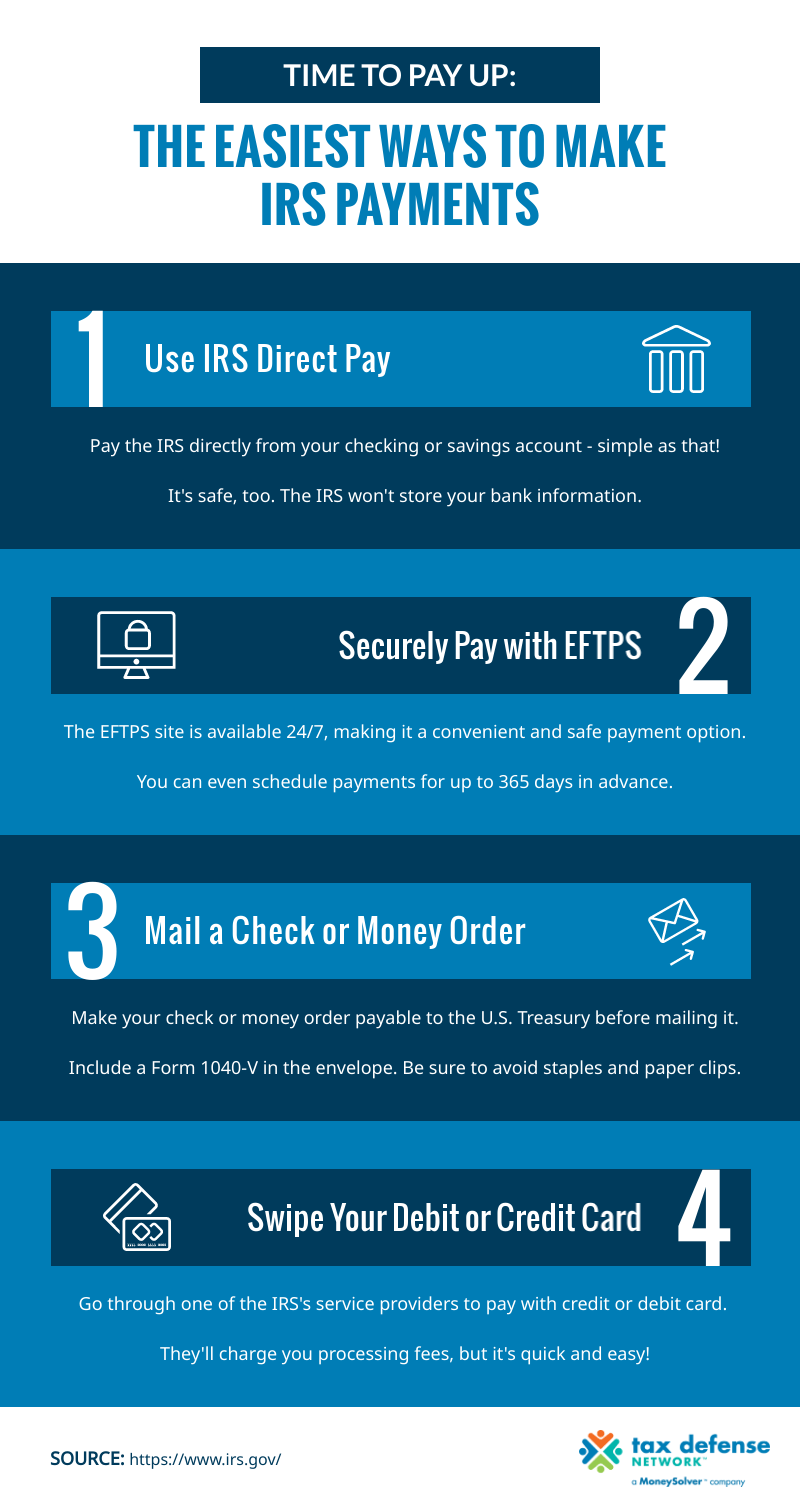
The most efficient way to pay your taxes is through direct electronic transfer. For individual taxpayers, “Direct Pay” allows for a seamless transfer from a checking or savings account without the need for registration. For business owners and high-net-worth individuals with frequent filing requirements, the Electronic Federal Tax Payment System (EFTPS) is the gold standard. It provides a secure, web-based environment to schedule payments in advance, which is particularly useful for managing cash flow and ensuring that deadlines are never missed. These methods are preferred by financial experts because they provide an immediate digital trail, serving as undeniable proof of payment.
Installment Agreements and Payment Flexibility
A common misconception in personal finance is that you should only file your taxes if you have the full amount ready to pay. In reality, the most fiscally responsible move is to file on time regardless of your bank balance. If you cannot pay in full, the tax authorities offer installment agreements. These “payment plans” allow you to spread your liability over several months or years. While these agreements accrue interest and a small setup fee, they protect your credit score and prevent the more aggressive collection actions, such as tax liens or wage garnishments. Navigating these options requires a clear-eyed look at your monthly budget to ensure the installment amount is sustainable.
Tax Planning for the Modern Professional: Side Hustles and Self-Employment
The rise of the gig economy and online income has fundamentally changed how a large segment of the population pays taxes. Unlike traditional employees who have taxes withheld from every paycheck, the self-employed are responsible for managing their own “withholding” through estimated quarterly payments.
The Self-Employed and Freelance Reality
When you transition into the world of side hustles or full-time freelancing, you essentially become both the employer and the employee. This means you are responsible for the “Self-Employment Tax,” which covers Social Security and Medicare. To pay these taxes effectively, financial experts recommend setting aside 25% to 30% of every payment received into a high-yield savings account. This “tax sinking fund” ensures that the money is available when the quarterly deadlines arrive, preventing a massive, unmanageable bill in April.
Estimating Quarterly Payments to Avoid Penalties
The government operates on a “pay-as-you-go” system. If you expect to owe more than a certain threshold (typically $1,000 for individuals), you are required to make estimated payments every quarter. Calculating these involves projecting your annual income and expenses. If you overpay, you will receive a refund; if you underpay, you may be subject to underpayment penalties. Professionals who master this cycle treat tax payments as a recurring business expense rather than a once-a-year surprise, which stabilizes their financial planning and improves overall cash flow management.
Leveraging Financial Tools and Professional Expertise for Efficiency
In the intersection of money and technology, various tools have emerged to simplify the tax payment process. However, the tool is only as good as the strategy behind it. Choosing between DIY software and professional consultancy is a pivotal decision in your financial journey.
Tax Software vs. Certified Public Accountants (CPAs)
For many with straightforward income, modern tax software provides a cost-effective way to calculate and submit payments. These platforms use interview-style interfaces to help users find common deductions. However, as your financial portfolio grows—incorporating rental properties, international investments, or complex business structures—the value of a CPA becomes apparent. A professional does more than just “fill out forms”; they provide strategic tax planning advice that can save thousands of dollars in the long run, often far exceeding their service fees.
Utilizing IRAs and 401(k)s to Lower Liability
One of the most effective ways to “pay” your taxes is actually to pay yourself first. Contributions to traditional IRAs or 401(k) plans are often tax-deductible. By diverting funds into these retirement vehicles, you reduce your taxable income, which in turn reduces the amount you owe to the government. This is a core tenet of sophisticated personal finance: using the tax code to incentivize long-term wealth building. Strategic contributions made right up until the filing deadline can sometimes be applied to the previous tax year, providing a last-minute opportunity to lower a tax bill that might otherwise be unaffordable.

Conclusion: Taxes as a Component of Financial Health
Paying your taxes should not be viewed as an isolated event, but as a integrated part of your broader financial strategy. By staying organized, understanding the various payment methods available, and proactively planning for self-employment liabilities, you move from a position of reactive stress to one of proactive control.
Whether you are utilizing high-tech software to track every deductible business expense or working with a financial advisor to maximize your retirement contributions, the goal remains the same: to meet your obligations with the highest degree of efficiency and the lowest possible stress. In the realm of money, knowledge is the most effective tool for wealth preservation. Mastering the “how” of tax payments is a vital step in securing your financial future and ensuring that your hard-earned income works for you, rather than against you.
aViewFromTheCave is a participant in the Amazon Services LLC Associates Program, an affiliate advertising program designed to provide a means for sites to earn advertising fees by advertising and linking to Amazon.com. Amazon, the Amazon logo, AmazonSupply, and the AmazonSupply logo are trademarks of Amazon.com, Inc. or its affiliates. As an Amazon Associate we earn affiliate commissions from qualifying purchases.