
The stock market remains one of the most potent vehicles for long-term wealth creation in the history of modern finance. While the prospect of trading stocks often evokes images of frantic floor traders or complex digital terminals, the reality of successful investing is far more methodical and accessible. For the individual investor, the stock market represents an opportunity to own a piece of the world’s most innovative and profitable companies, participating in their growth and benefiting from their success. However, entering this arena requires more than just capital; it requires a strategic mindset, a clear understanding of financial principles, and the discipline to navigate market volatility.
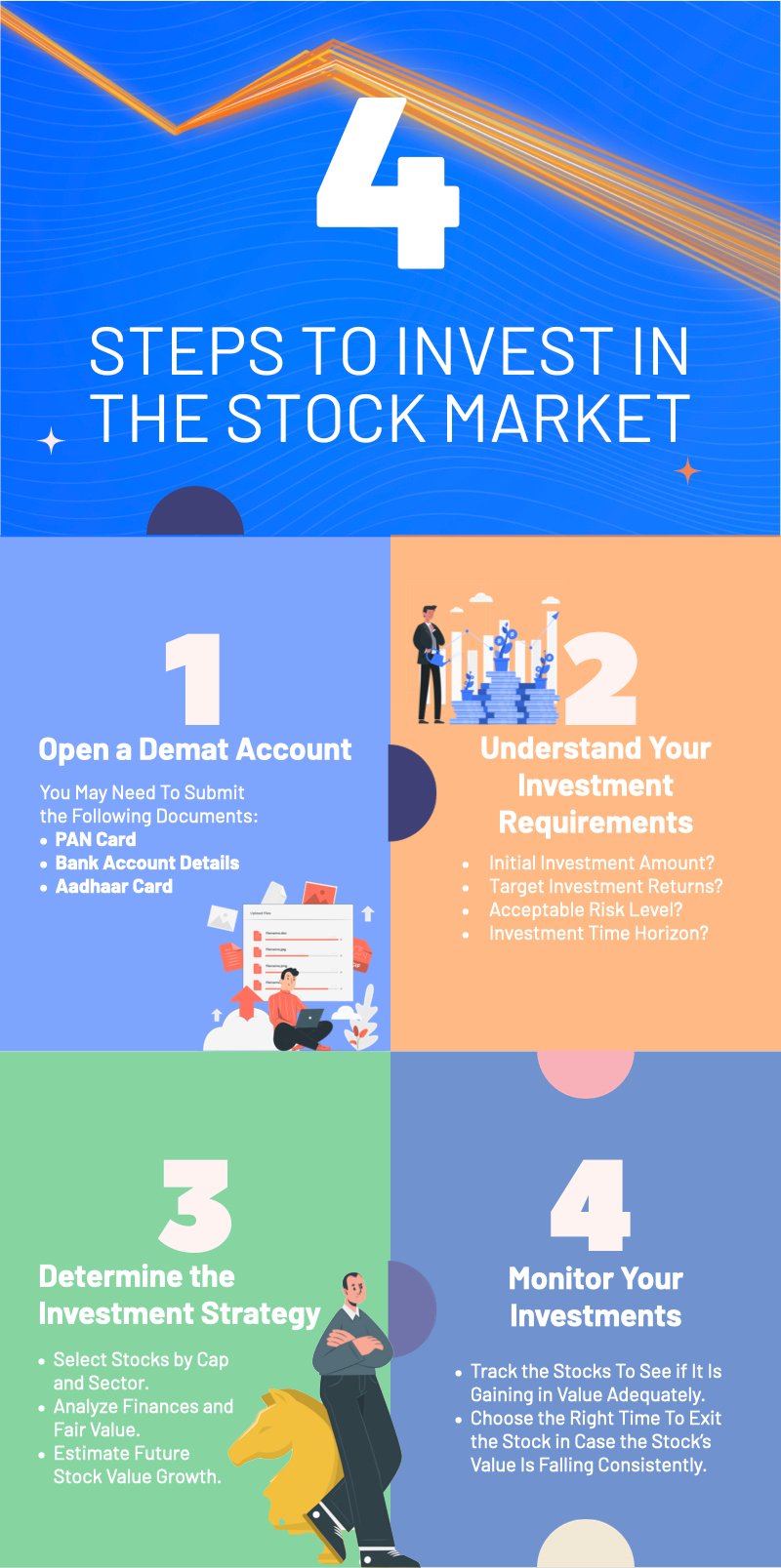
This guide serves as a roadmap for those looking to transition from savers to investors. We will explore the foundational requirements of a sound financial life, the mechanics of how the market operates, and the sophisticated strategies used to build and maintain a diversified portfolio designed for generational wealth.
1. Establishing a Robust Financial Foundation
Before placing a single dollar into a brokerage account, an investor must ensure their personal financial house is in order. Investing is inherently risky, and the stock market should never be treated as a substitute for a liquid savings account. A professional approach to investing begins with fiscal discipline and a clear-eyed assessment of one’s current financial standing.
Assessing Risk Tolerance and Investment Goals
Every investment journey begins with two questions: What are you investing for, and how much volatility can you stomach? Investment goals typically fall into three categories: short-term (under 3 years), medium-term (3 to 10 years), and long-term (10+ years). Generally, the stock market is best suited for long-term goals, such as retirement or a child’s college fund, because time allows the investor to recover from inevitable market downturns.
Risk tolerance is the emotional and financial ability to endure a drop in the value of your investments. A young professional with thirty years until retirement has a high capacity for risk, while someone five years from retirement must prioritize capital preservation. Understanding your “risk profile” prevents the most common mistake in investing: panic selling during a market correction.
The Critical Role of an Emergency Fund and Debt Management
Capital invested in the stock market should be “patient capital.” If you are forced to sell your stocks during a market dip because of a medical emergency or job loss, you lock in losses that might have otherwise been temporary. Therefore, a primary prerequisite for investing is an emergency fund—typically three to six months of living expenses held in a high-yield savings account.
Furthermore, it is mathematically unwise to invest in the stock market if you are carrying high-interest consumer debt, such as credit card balances. If the stock market averages a 10% annual return, but your credit card charges 22% interest, you are effectively losing 12% of your net worth every year. Paying off high-interest debt is a “guaranteed” return on investment that should always precede stock market participation.
Choosing the Right Investment Vehicles: Brokerage vs. Retirement Accounts
In the “Money” niche, where you put your money is often as important as what you buy. Investors generally choose between taxable brokerage accounts and tax-advantaged retirement accounts. Tax-advantaged accounts, such as a 401(k) or an Individual Retirement Account (IRA), offer significant benefits, including tax deductions on contributions or tax-free growth.
A taxable brokerage account, while offering no specific tax breaks, provides the ultimate flexibility. There are no limits on contributions, and you can withdraw your funds at any time without the penalties typically associated with retirement accounts. A balanced financial strategy often involves maximizing tax-advantaged contributions before moving excess capital into a standard brokerage account.
2. Navigating the Mechanics of the Stock Market
To invest effectively, one must understand the underlying structures of the financial markets. A stock, or equity, represents a fractional ownership interest in a corporation. When you buy a share, you are purchasing a claim on a portion of that company’s assets and earnings.
Understanding Asset Classes: Stocks, Bonds, and ETFs
While the focus here is on stocks, a professional investor understands how they interact with other assets.
- Individual Stocks: These allow for targeted exposure to specific companies. While they offer the highest potential for gain, they also carry “idiosyncratic risk”—the risk that a specific company will fail even if the broader market is doing well.
- Bonds: These are debt instruments where you act as the lender to a government or corporation. Bonds are generally less volatile than stocks and provide regular interest payments, acting as a stabilizer in a portfolio.
- Mutual Funds and ETFs (Exchange-Traded Funds): For most investors, these are the preferred tools. They allow you to buy a “basket” of hundreds or thousands of stocks in a single transaction. ETFs, in particular, have gained popularity due to their low fees and the ability to be traded throughout the day like individual stocks.
The Role of Stock Exchanges and Market Capitalization
Stocks are traded on exchanges, the most prominent being the New York Stock Exchange (NYSE) and the NASDAQ. These platforms ensure liquidity, meaning you can buy or sell your shares almost instantly during market hours.
When evaluating companies, investors often look at “Market Capitalization” (Market Cap), which is the total value of all a company’s shares.
- Large-cap companies (over $10 billion) are generally stable, established industry leaders.
- Mid-cap and Small-cap companies offer higher growth potential but come with increased volatility and a higher risk of failure. A well-constructed portfolio often contains a mix of these to balance stability with growth.
The Power of Compound Interest and Long-Term Thinking
The most powerful tool in an investor’s arsenal is not an algorithm or a “hot tip,” but time. Albert Einstein famously referred to compound interest as the eighth wonder of the world. In the stock market, compounding occurs when your investments generate earnings, and those earnings are reinvested to generate their own earnings.
Over decades, this creates an exponential growth curve. This is why “time in the market” is consistently more effective than “timing the market.” Attempting to predict the exact moment to buy or sell is a loser’s game; staying invested through market cycles allows compounding to do the heavy lifting of wealth accumulation.
3. Strategic Approaches to Portfolio Construction
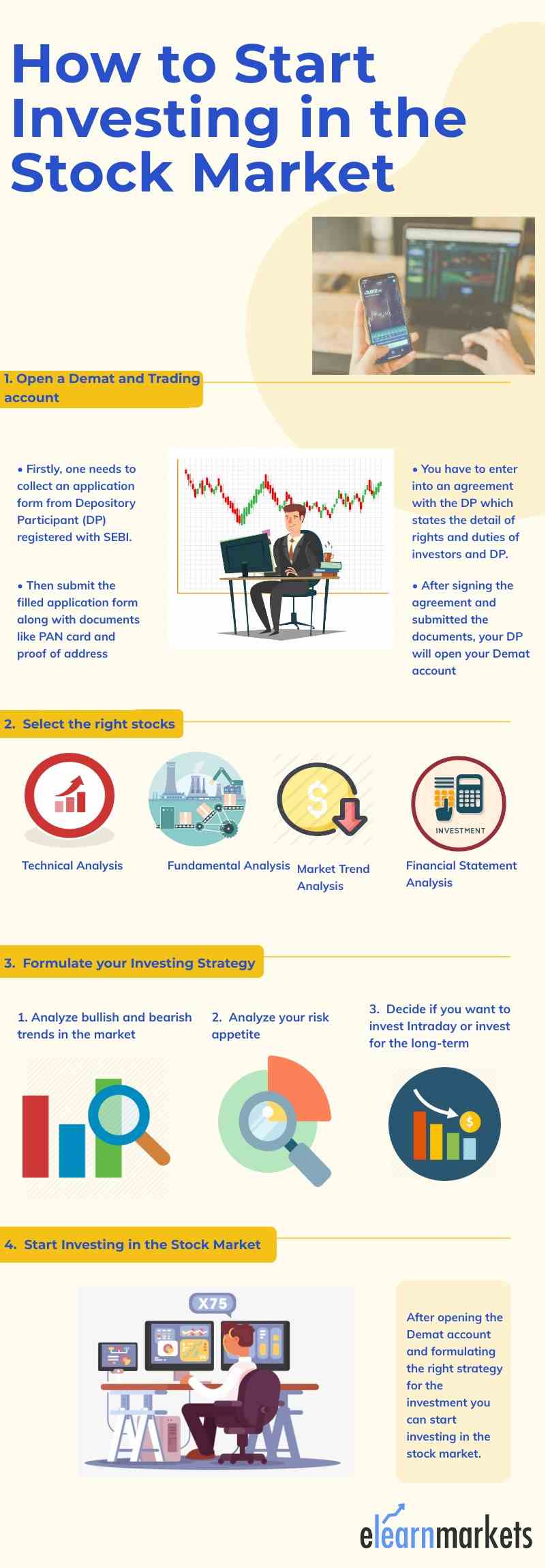
Once the foundation is set and the mechanics are understood, the investor must decide on a strategy. Successful investing is not about gambling; it is about managing risk while positioning oneself for growth.
Passive vs. Active Management
The debate between active and passive investing is central to modern finance. Active management involves picking individual stocks or hiring a fund manager to “beat the market.” While the rewards can be high, data shows that the vast majority of active managers fail to outperform the broader market over long periods after accounting for fees.
Passive investing, often implemented through index funds, seeks to match the performance of a specific market index, such as the S&P 500. By buying an index fund, you are betting on the long-term success of the entire economy rather than a single entity. For the average investor, a passive approach is often the most efficient and least stressful path to wealth.
The Necessity of Diversification and Asset Allocation
Diversification is the only “free lunch” in investing. It involves spreading your capital across different sectors (Tech, Healthcare, Energy), different geographies (Domestic vs. International), and different asset classes (Stocks vs. Bonds). The goal is to ensure that a downturn in one area doesn’t wipe out your entire portfolio.
Asset allocation refers to the specific percentage of your portfolio dedicated to each category. A common “Money” strategy is the “Age-Based Rule,” where you subtract your age from 100 or 110 to determine the percentage of stocks you should hold. As you age, you shift your allocation toward bonds to protect the wealth you’ve spent a lifetime building.
Value vs. Growth: Two Sides of the Same Coin
Investors often categorize their strategy as either “Value” or “Growth.”
- Value Investors look for companies that are trading for less than their intrinsic worth—essentially looking for a bargain. They often focus on “boring” companies with strong balance sheets and consistent dividends.
- Growth Investors look for companies expected to grow at an above-average rate compared to the market. These companies often reinvest all their profits into expansion rather than paying dividends.
A sophisticated portfolio often blends both styles to capture the steady income of value stocks and the explosive potential of growth stocks.
4. Execution, Monitoring, and the Psychology of Investing
The final stage of the journey is the practical application of your strategy. This involves selecting a platform, executing trades, and, perhaps most importantly, managing your own psychological responses to market movements.
Selecting a Brokerage and Executing Your First Trade
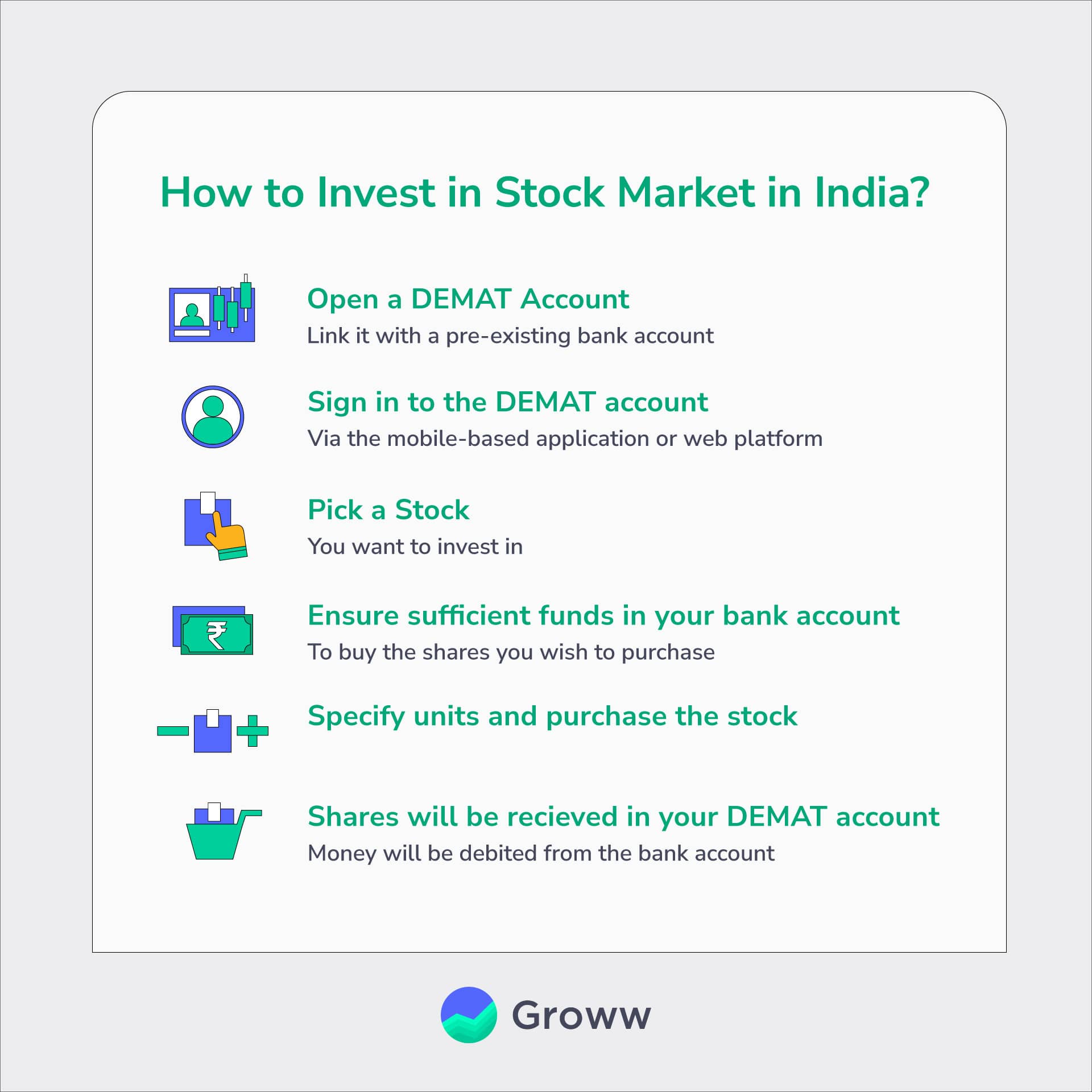
In the digital age, choosing a brokerage is easier than ever. Most modern platforms offer zero-commission trades, user-friendly mobile apps, and robust educational resources. When selecting a platform, consider the available research tools, the ease of the user interface, and whether they offer fractional shares—a feature that allows you to buy $10 worth of an expensive stock rather than having to buy a full share.
When you are ready to buy, you will encounter two primary order types:
- Market Order: An instruction to buy or sell immediately at the best available current price.
- Limit Order: An instruction to buy or sell only at a specific price or better. For long-term investors, market orders are usually sufficient, but limit orders offer more control in volatile markets.
The Discipline of Dollar-Cost Averaging
One of the most effective ways to mitigate the risk of market volatility is Dollar-Cost Averaging (DCA). Instead of trying to pick the “right” time to invest a lump sum, you invest a fixed amount of money at regular intervals (e.g., $500 every month) regardless of the stock price.
When prices are high, your $500 buys fewer shares. When prices are low, your $500 buys more shares. Over time, this lowers your average cost per share and removes the emotional stress of trying to “time” the market’s bottom.
Portfolio Rebalancing and Emotional Resilience
Over time, market fluctuations will cause your original asset allocation to shift. If tech stocks have a massive year, they may grow to represent 80% of your portfolio when you originally intended for them to be 60%. Rebalancing is the process of selling a portion of your “winners” and buying more of your “underperformers” to return to your target allocation. This forces you to follow the golden rule of investing: Buy low and sell high.
Finally, the greatest challenge to any investor is their own psychology. The stock market is a sea of noise, headlines, and “expert” opinions designed to trigger fear or greed. Success requires the discipline to ignore the short-term fluctuations and focus on the long-term horizon. A market crash is not a tragedy; for the disciplined investor, it is a sale. By maintaining a professional, objective view of your finances and sticking to a well-reasoned plan, you can harness the power of the stock market to secure your financial future.
aViewFromTheCave is a participant in the Amazon Services LLC Associates Program, an affiliate advertising program designed to provide a means for sites to earn advertising fees by advertising and linking to Amazon.com. Amazon, the Amazon logo, AmazonSupply, and the AmazonSupply logo are trademarks of Amazon.com, Inc. or its affiliates. As an Amazon Associate we earn affiliate commissions from qualifying purchases.