
Navigating the landscape of higher education financing can often feel like traversing a complex labyrinth. For millions of borrowers, the most critical link in this journey is not the university they attended or even the federal government that provided the funds, but the student loan servicer. A student loan servicer is a private company contracted by the Department of Education (or a private lender) to handle the billing, customer service, and administrative tasks associated with your debt.
Knowing exactly who handles your account is the foundational step in successful financial management. Without this information, you cannot enroll in repayment plans, apply for forgiveness, or ensure your credit score remains protected. This guide provides a deep dive into identifying your servicer, understanding their role, and managing your financial obligations effectively.
Understanding the Role of a Student Loan Servicer
Before you can identify your servicer, it is vital to understand exactly what they do—and what they do not do. A common misconception is that the servicer “owns” your debt. In the case of federal loans, the owner is the U.S. Department of Education; the servicer is simply the administrative arm tasked with managing the lifecycle of the loan.
What Servicers Actually Do
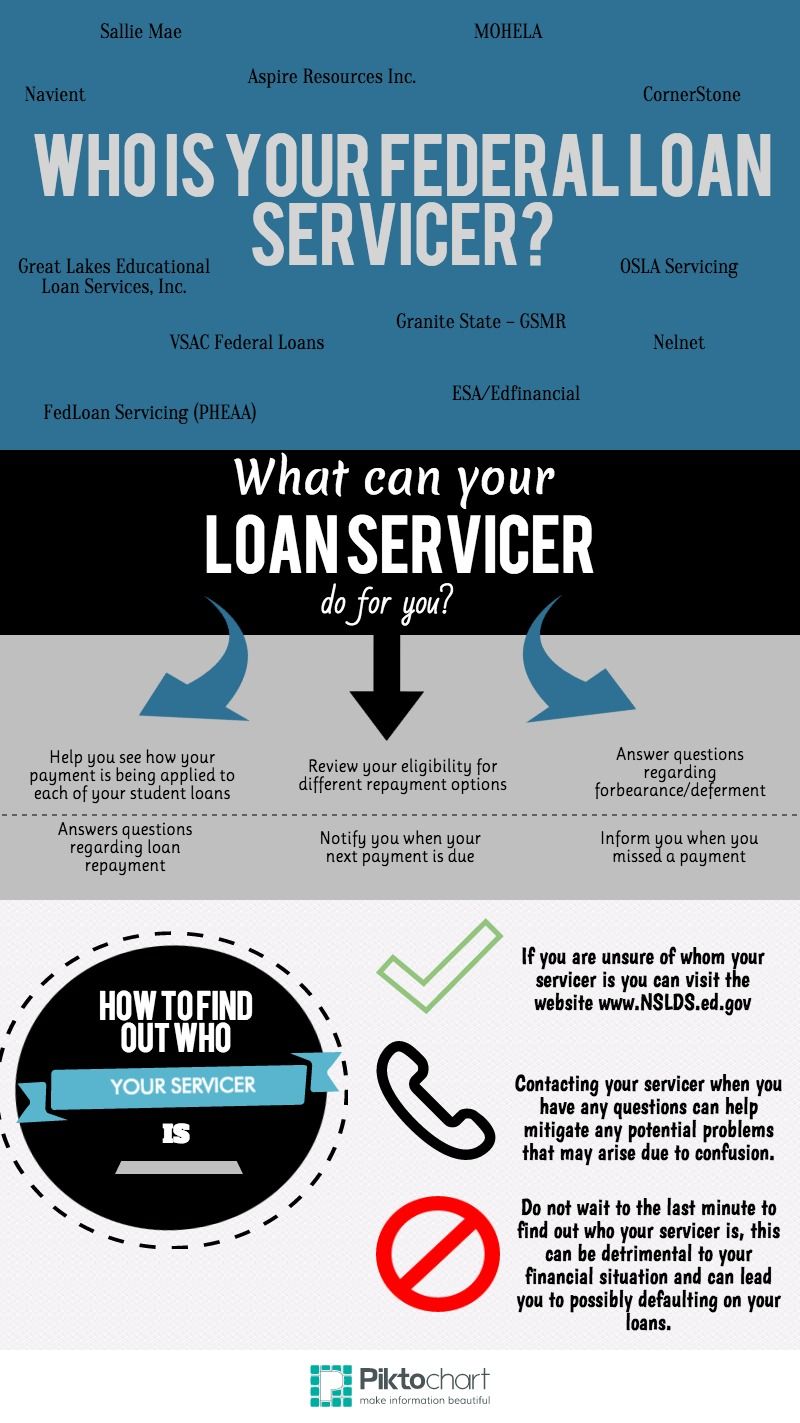
Your servicer is your primary point of contact for everything related to your student loans once the funds have been disbursed. Their responsibilities include:
- Billing and Payment Processing: They generate your monthly statements and process your electronic or check payments.
- Repayment Plan Enrollment: If you wish to switch from a Standard Repayment Plan to an Income-Driven Repayment (IDR) plan, such as the SAVE plan, your servicer processes the application.
- Deferment and Forbearance: They evaluate your eligibility for temporary pauses in payments due to economic hardship, unemployment, or returning to school.
- Year-End Tax Forms: They provide the 1098-E forms required to claim student loan interest deductions on your tax returns.
Federal vs. Private Loan Servicers
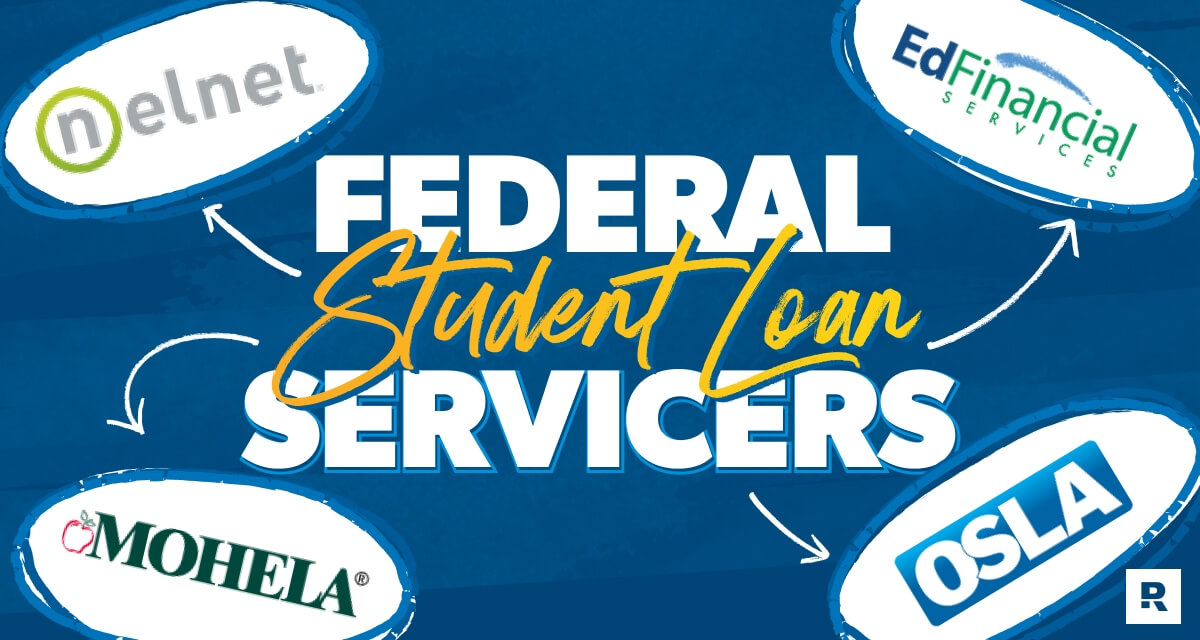
The distinction between federal and private loan servicers is significant. Federal servicers are companies like Nelnet, Aidvantage, and MOHELA that operate under government contracts. Private loan servicers, on the other hand, are often the lenders themselves (such as Sallie Mae or SoFi) or third-party companies hired by banks and credit unions. Private loans do not offer the same flexible repayment options or forgiveness programs as federal loans, making it even more crucial to maintain a direct line of communication with these entities.
How to Identify Your Federal Student Loan Servicer
If you have recently graduated or haven’t checked your accounts in several years, you might not know who your servicer is. This is particularly common because the Department of Education frequently shifts accounts between companies to balance workloads or as contracts expire.
Using the Federal Student Aid (FSA) Dashboard
The most reliable way to find your federal servicer is through the official Federal Student Aid website.
- Visit StudentAid.gov.
- Log in using your FSA ID (username and password).
- Navigate to the “My Aid” section of your dashboard.
- Scroll down to the “Loan Servicers” section. This area will list every servicer currently managing your active loans, along with their contact information and website links.
This portal is the “source of truth” for federal debt. If you see multiple servicers listed, it means your debt is split, and you will likely need to make separate payments to each unless you choose to consolidate.
Checking Your Credit Report
If you cannot access your FSA ID or if you believe you have private student loans, your credit report is the next best resource. Federal law allows you to request a free credit report from each of the three major bureaus (Equifax, Experian, and TransUnion) via AnnualCreditReport.com.
Student loans are reported as “tradelines” on your credit history. Under the “Account Information” or “Liability” section, you will see the name of the company reporting the debt. This is almost always your servicer. This method is particularly useful for identifying “zombie” loans or older private loans that may have been sold to debt purchasers.
Reviewing Official Correspondence and Billing Statements
While it may seem obvious, checking your email (including spam folders) and physical mail for correspondence from financial institutions is essential. Servicers are legally required to notify you of upcoming payments or changes to your account status. Look for names like Edfinancial, MOHELA, or Nelnet. If you are receiving calls from numbers you don’t recognize, they may be automated reminders from your servicer—though you should always verify the entity’s legitimacy before providing personal information over the phone.
What to Do If Your Student Loan Servicer Changes
In the world of personal finance, few things are as frustrating as having a service provider change without your direct consent. However, in the student loan industry, “servicer transfers” are common. Major players like Navient and FedLoan Servicing have exited the federal marketplace in recent years, resulting in millions of accounts being moved to companies like Aidvantage or MOHELA.
Why Transfers Happen
The Department of Education manages contracts with private companies to handle the volume of federal debt. These contracts are periodically re-bid. If a company decides to stop servicing federal loans or loses its contract due to performance issues, the government moves those accounts to a different contracted partner. This does not change the terms of your loan (interest rates and balances remain the same), but it does change where you send your money.
Checklist for a Smooth Transition
When your account is transferred, there is a risk of administrative errors. To protect your financial health, follow this checklist:
- Download Your History: Before the old servicer’s website closes your account, download your full payment history and your most recent billing statement.
- Verify Your Contact Info: Ensure your email and physical address are updated on StudentAid.gov so the new servicer can reach you.
- Create a New Online Account: Once the transfer is complete, you must register a new username and password on the new servicer’s portal.
- Re-establish Auto-Pay: In most cases, automatic payment settings do not transfer. You will need to re-link your bank account to avoid missing a payment and losing any interest rate discounts associated with auto-pay.
Maximizing Your Relationship with Your Servicer
Your student loan servicer should be viewed as a tool for financial optimization rather than just a billing entity. By proactively engaging with them, you can access programs that save you thousands of dollars over the life of your loan.
Exploring Income-Driven Repayment (IDR) Plans
One of the most powerful financial tools available to federal borrowers is the suite of IDR plans. These plans cap your monthly payment at a percentage of your discretionary income—sometimes as low as $0 per month. If you are struggling with cash flow or want to prioritize other investments (like a 401k or a house down payment), ask your servicer to calculate your payment under the SAVE (Saving on a Valuable Education) plan. Your servicer is responsible for verifying your income and re-certifying your plan annually.
Navigating Public Service Loan Forgiveness (PSLF)
If you work for a government agency or a 501(c)(3) non-profit, you may be eligible for PSLF, which forgives the remaining balance on your Direct Loans after 120 qualifying monthly payments. Historically, MOHELA has been the primary servicer for PSLF participants. If you believe you qualify, you must submit a PSLF Employment Certification Form. Your servicer will then track your “qualifying payments” and notify you when you are approaching the finish line.
Common Challenges and How to Resolve Disputes
Despite being professional organizations, student loan servicers can make mistakes. These can range from miscalculating interest to failing to apply a payment correctly. Knowing how to advocate for yourself is a critical financial skill.
Documenting Everything
Whenever you speak with a customer service representative, keep a log. Record the date, the time, the name of the representative, and a summary of the conversation. If you are disputing a balance, keep copies of your bank statements showing the cleared payments.
Escalating Issues to the Student Loan Ombudsman
If you have attempted to resolve a dispute with your servicer and have reached a dead end, you have federal recourse. The Federal Student Aid (FSA) Ombudsman Group is a neutral resource designed to resolve disputes between borrowers and servicers. Additionally, the Consumer Financial Protection Bureau (CFPB) accepts complaints regarding student loan servicing. Filing a formal complaint often triggers a higher-level review of your account, ensuring that errors are corrected and your consumer rights are upheld.
By identifying your servicer and maintaining an active, informed relationship with them, you transform your student debt from an overwhelming burden into a manageable component of your broader financial strategy. Stay proactive, verify your information through StudentAid.gov, and never hesitate to exercise your rights as a borrower.
aViewFromTheCave is a participant in the Amazon Services LLC Associates Program, an affiliate advertising program designed to provide a means for sites to earn advertising fees by advertising and linking to Amazon.com. Amazon, the Amazon logo, AmazonSupply, and the AmazonSupply logo are trademarks of Amazon.com, Inc. or its affiliates. As an Amazon Associate we earn affiliate commissions from qualifying purchases.