
The quest for capital is a fundamental aspect of the modern financial journey. Whether you are looking to consolidate high-interest debt, fund a major life event like a wedding, or inject liquidity into a burgeoning business, the question of “where can I get a loan from” is the starting point of a significant financial decision. In decades past, the answer was singular: you walked into your local bank branch. Today, the financial ecosystem has expanded into a complex web of traditional institutions, digital disruptors, and community-based alternatives.
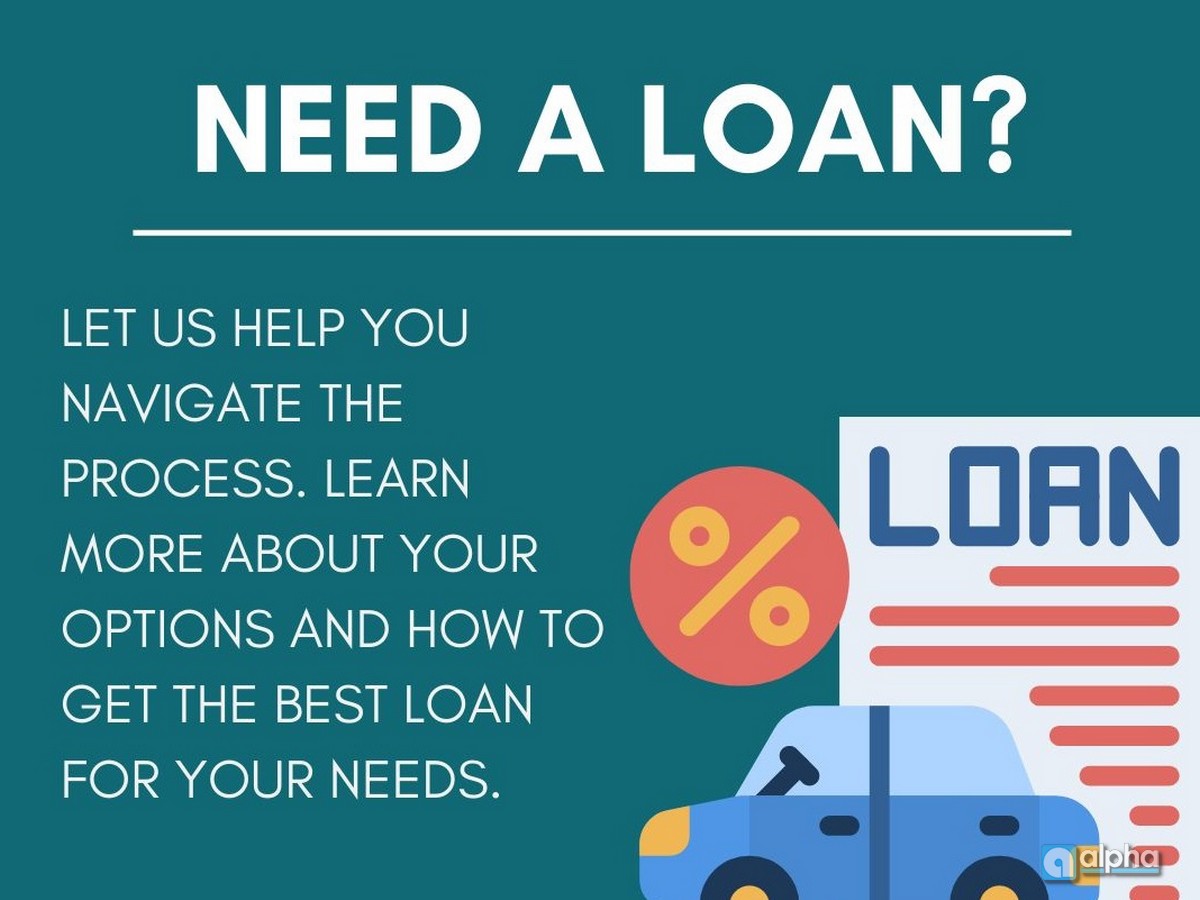
Understanding your options is not merely about finding “any” loan; it is about finding the right financial instrument that aligns with your credit profile, your repayment capacity, and your long-term wealth goals. This guide explores the diverse avenues available for securing a loan in today’s economy, categorized by their structure, requirements, and strategic advantages.
1. Traditional Banking Institutions: The Pillars of Stability
Traditional banks remain the most recognized source of credit. These institutions range from global “Big Banks” to local community banks. They are characterized by their stringent regulatory oversight and their preference for borrowers with established credit histories.
The Role of Commercial Banks
Commercial banks offer a wide array of loan products, including personal loans, mortgages, and auto loans. The primary advantage of borrowing from a large commercial bank is the potential for lower interest rates—provided you have an excellent credit score. Because these banks have massive capital reserves, they can afford to offer competitive pricing to low-risk borrowers.
However, the application process can be rigorous. Banks often require extensive documentation, including tax returns, pay stubs, and a detailed look at your debt-to-income (DTI) ratio. For those with a “prime” credit score (typically above 720), a commercial bank is often the most cost-effective path.
Credit Unions: The Member-Focused Alternative
Credit unions are not-for-profit cooperatives owned by their members. Because they do not have to answer to external shareholders, they often return their “profits” to members in the form of lower interest rates on loans and higher yields on savings accounts.
When asking where to get a loan, many financial advisors point toward credit unions because of their personalized service. If your credit is slightly less than perfect, a credit union might be more willing to look at your overall character and history with the institution rather than just a three-digit score. To get a loan here, you must first become a member, which usually requires living in a certain area or working in a specific industry.
2. The Digital Frontier: Online Lenders and FinTech
The rise of Financial Technology (FinTech) has revolutionized the lending industry. Online lenders have filled the gaps left by traditional banks, particularly regarding speed and accessibility.
Direct Online Lenders
Direct online lenders operate without the overhead of physical branches. This lean business model allows them to process applications with incredible speed—sometimes providing funding within 24 to 48 hours. They use sophisticated algorithms that look beyond traditional FICO scores, sometimes incorporating data points like education level or employment history.
These platforms are ideal for “near-prime” borrowers or those who need funds urgently. While interest rates can be slightly higher than those at a traditional bank, the convenience and transparency of the digital interface make them an attractive option for the modern consumer.
Peer-to-Peer (P2P) Lending
Peer-to-peer lending platforms act as a marketplace, connecting individual borrowers directly with individual or institutional investors. Instead of a bank lending you money, you are essentially borrowing from a group of people who are looking to earn interest on their capital.
P2P lending can offer competitive rates because it removes the “middleman” of the traditional bank. The interest rate you receive is typically tied to a risk grade assigned by the platform. For borrowers, this provides a unique alternative where the “human” element of investing meets digital efficiency.
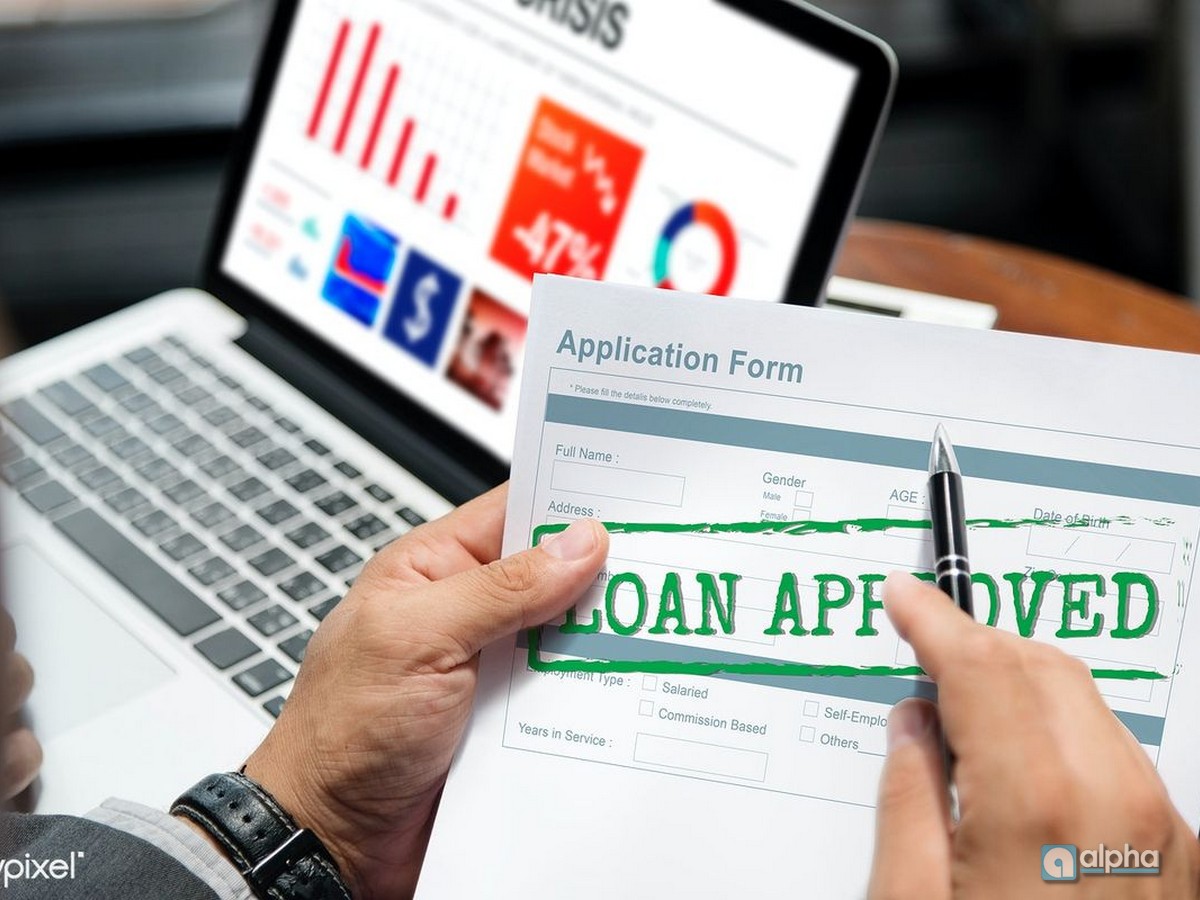
3. Specialized Lending for Businesses and Entrepreneurs
Securing a loan for business purposes involves a different set of criteria and institutions than personal borrowing. When a business asks where to get a loan, the focus shifts toward scalability and cash flow.
Small Business Administration (SBA) Loans
In the United States, the SBA does not lend money directly to entrepreneurs. Instead, it provides a guarantee to banks and lenders, promising to pay back a portion of the loan if the borrower defaults. This reduces the risk for the lender, making it much easier for small business owners to secure funding.
SBA loans are known for having some of the lowest interest rates and longest repayment terms available. They are the “gold standard” for business financing, though the application process is notoriously long and requires a comprehensive business plan and collateral.
Microfinance and Community Development Financial Institutions (CDFIs)
For entrepreneurs in underserved communities or those seeking smaller amounts of capital (typically under $50,000), CDFIs and micro-lenders are vital resources. These organizations are mission-driven rather than profit-driven. They provide “microloans” to help start or expand small businesses that might not qualify for traditional bank financing. These institutions often provide mentorship and financial literacy training alongside the capital, ensuring the borrower has the tools to succeed.
4. Asset-Backed and Alternative Financing
Sometimes, the best way to get a loan is to leverage what you already own. Asset-backed lending uses your existing wealth as security for the loan, which can result in significantly lower interest rates.
Home Equity Lines of Credit (HELOC) and Cash-Out Refinancing
For homeowners, the equity built up in a property is a powerful financial tool. A HELOC acts like a credit card secured by your home, allowing you to borrow as needed. A cash-out refinance, on the other hand, replaces your existing mortgage with a new, larger one, giving you the difference in cash.
Because these loans are secured by real estate, the interest rates are typically much lower than personal loans or credit cards. However, the risk is substantial: if you fail to repay the loan, the lender can foreclose on your home.
Securities-Backed Lending
Wealthy individuals often use their investment portfolios as collateral. Securities-backed lines of credit allow you to borrow against the value of your stocks and bonds without having to sell them. This is a strategic move used to maintain investment positions and avoid capital gains taxes while still accessing liquidity. It is a sophisticated financial tool usually offered through private banking or brokerage firms.
5. Key Considerations Before Choosing a Lender
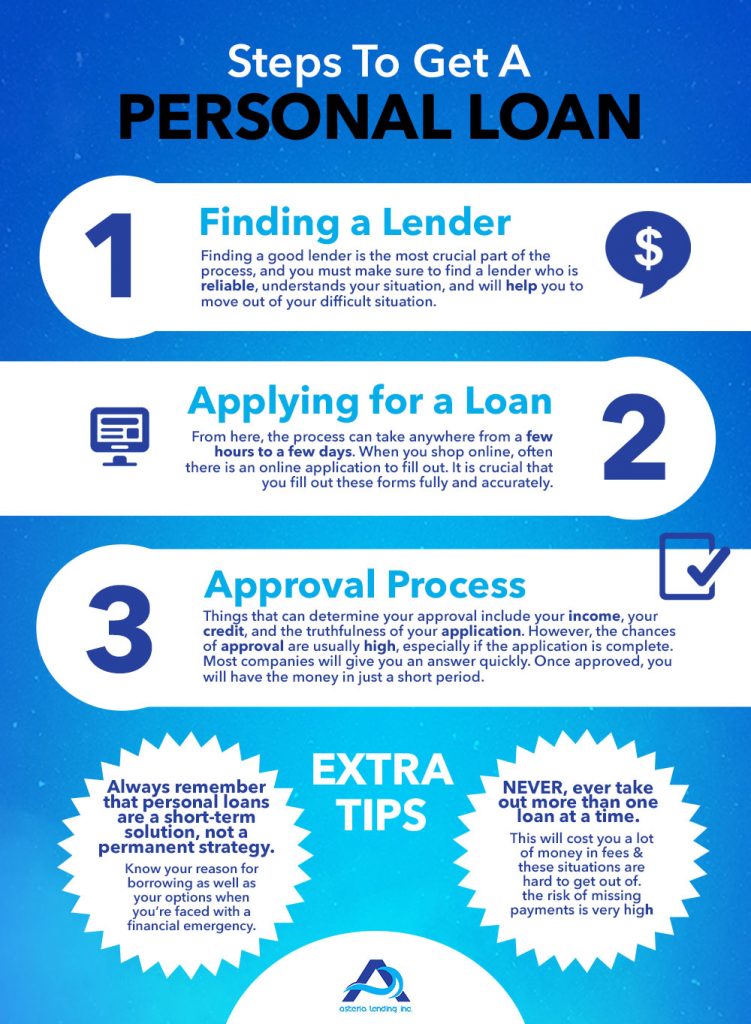
Identifying where to get a loan is only half the battle; the other half is determining which loan is sustainable for your financial future. Before signing a promissory note, a borrower must analyze the underlying mechanics of the offer.
Interest Rates and the True Cost of Borrowing
The most visible cost of a loan is the interest rate, but the Annual Percentage Rate (APR) is a more accurate measure. The APR includes the interest rate plus any fees (such as origination fees or processing fees). When comparing lenders—for example, an online lender versus a credit union—always compare the APR to see the total cost of the capital over the life of the loan.
Impact on Financial Health and Credit Scores
Every loan application involves a “hard inquiry” on your credit report, which can temporarily dip your score. Furthermore, the structure of the loan affects your credit utilization and your debt-to-income ratio. Professional financial planning involves calculating how a new monthly payment fits into your cash flow. Borrowing more than you can comfortably repay—even if a lender approves you for it—can lead to a debt spiral that hampers your ability to invest or save for retirement later.
Terms and Flexibility
Lastly, examine the fine print regarding repayment. Does the lender charge a prepayment penalty if you pay the loan off early? Is there a grace period for late payments? In the modern “money” landscape, flexibility is a premium feature. Some digital lenders offer “unemployment protection” or the ability to skip a payment once a year. These features provide a safety net that can be just as valuable as a low interest rate.
Conclusion
The question of where to secure a loan no longer has a single answer. The choice depends on your specific needs: a traditional bank for those with high credit scores and a need for stability; online lenders for those prioritizing speed; and asset-backed loans for those looking to leverage existing wealth. By navigating these options with a professional and analytical mindset, you can transform a loan from a burden of debt into a strategic tool for financial growth.
aViewFromTheCave is a participant in the Amazon Services LLC Associates Program, an affiliate advertising program designed to provide a means for sites to earn advertising fees by advertising and linking to Amazon.com. Amazon, the Amazon logo, AmazonSupply, and the AmazonSupply logo are trademarks of Amazon.com, Inc. or its affiliates. As an Amazon Associate we earn affiliate commissions from qualifying purchases.