
The decision to purchase a home is often the largest financial commitment an individual or family will ever make. For most, this dream is realized through a home loan, also known as a mortgage. At the heart of every mortgage agreement lies a critical component that dictates a significant portion of its cost: the interest rate. Far from being a mere percentage, the interest rate on a home loan is a complex financial instrument that profoundly influences monthly payments, the total cost of borrowing, and a borrower’s long-term financial health. Understanding what an interest rate is, how it’s determined, and its various forms is not just beneficial—it’s essential for making informed and financially sound homeownership decisions.

In essence, an interest rate is the cost of borrowing money, expressed as a percentage of the principal amount. When you take out a home loan, a lender provides you with a lump sum to purchase property. In return, you agree to repay that sum (the principal) plus an additional charge for the privilege of using their money over time. This additional charge is the interest. The interest rate fundamentally determines how much extra you will pay over the life of your loan beyond the home’s purchase price. A seemingly small difference in percentage points can translate into tens of thousands, or even hundreds of thousands, of dollars over a 15-year or 30-year mortgage term, making it the most scrutinized figure for any prospective homeowner.
The Fundamentals of Home Loan Interest Rates
To truly grasp the implications of a home loan interest rate, it’s crucial to break down its core definition, understand why it holds such sway over personal finance, and recognize the various elements that constitute its final form. This foundational understanding empowers borrowers to navigate the mortgage market with greater confidence and clarity.
Defining Interest Rates in the Context of Mortgages
At its most basic, the interest rate on a mortgage is the annual percentage charged by a lender for the use of the principal loan amount. This percentage is applied to the outstanding balance of your loan. Unlike other simple interest loans, mortgages typically use compound interest, meaning interest is calculated not just on the initial principal but also on the accumulated interest from previous periods. However, mortgage payments are structured to amortize the loan over time, ensuring that early payments consist of a larger proportion of interest, while later payments predominantly go towards reducing the principal. This systematic reduction of the principal balance over the loan term means that the interest charged each period gradually decreases as the outstanding balance shrinks.
Lenders determine this rate based on a myriad of factors, including their cost of funds, risk assessment of the borrower, administrative costs, and their desired profit margin. For a borrower, this rate directly impacts their monthly mortgage payment, which typically comprises principal, interest, property taxes, and homeowner’s insurance (often referred to as PITI). Of these, the interest component is directly tied to the interest rate, making it a pivotal variable in budgeting for homeownership.
Why Interest Rates Matter for Homebuyers
The significance of interest rates for homebuyers cannot be overstated. A lower interest rate translates to lower monthly payments, which directly affects a borrower’s affordability and purchasing power. With a lower rate, a borrower can either afford a more expensive home while keeping their monthly payment constant, or they can afford the same home with a lower monthly outlay, freeing up funds for other financial goals or expenses. Conversely, a higher interest rate can make homeownership prohibitively expensive, pushing desired properties out of reach or straining household budgets.
Beyond the monthly payment, interest rates dramatically influence the total cost of the loan over its entire term. A 0.5% difference in an interest rate on a $300,000, 30-year mortgage can easily amount to tens of thousands of dollars in extra payments over the life of the loan. This long-term financial impact highlights why borrowers often spend considerable time and effort comparing rates and striving to secure the most favorable terms possible. It’s a key factor in building equity, as more of each payment goes towards the principal with a lower interest burden.
Components of a Home Loan Interest Rate
While seemingly a single figure, a home loan interest rate is actually a composite of several underlying components. Understanding these helps decipher how lenders arrive at a specific rate for a given borrower:
- Benchmark Rate: This is the foundational rate upon which most lending rates are built. For home loans in the U.S., this often relates to the yield on U.S. Treasury bonds or the federal funds rate set by the Federal Reserve. These rates reflect the broader economic environment and the cost of money for financial institutions.
- Lender’s Spread/Profit Margin: Lenders add a margin to the benchmark rate to cover their operational costs, administrative expenses, and to generate profit. This spread can vary significantly between lenders based on their business model, efficiency, and competitiveness.
- Risk Premium: This component accounts for the perceived risk associated with lending to a particular borrower. Factors such as credit score, debt-to-income ratio, down payment size, and employment history contribute to this risk assessment. Borrowers with higher credit scores and lower risk profiles typically qualify for lower risk premiums.
- Loan Characteristics: The type of loan (fixed-rate vs. adjustable-rate), loan term (15-year vs. 30-year), and even the property type can influence the rate. For instance, longer loan terms often carry slightly higher rates due to increased interest rate risk for the lender over a longer period.
Types of Home Loan Interest Rates
The mortgage market offers a variety of interest rate structures, each with its own advantages and disadvantages. The choice between them often comes down to a borrower’s financial stability, risk tolerance, and outlook on future economic conditions.
Fixed-Rate Mortgages: Stability and Predictability
A fixed-rate mortgage is characterized by an interest rate that remains constant for the entire duration of the loan. This means your principal and interest payment will never change, regardless of market fluctuations.
- Pros: The primary benefit is predictability. Borrowers know exactly what their principal and interest payments will be for the life of the loan, simplifying budgeting and providing long-term financial security. This type of loan insulates borrowers from rising interest rates in the future.
- Cons: If market interest rates fall significantly, a fixed-rate borrower won’t benefit unless they refinance their loan, which incurs additional costs. Fixed rates are typically slightly higher than initial adjustable rates at the time of origination because lenders factor in the risk of future rate increases.
- Ideal for: Borrowers who prioritize stability, plan to stay in their home for a long time, and are risk-averse regarding interest rate changes. Common terms include 15-year and 30-year fixed mortgages.
Adjustable-Rate Mortgages (ARMs): Flexibility with Risk
An Adjustable-Rate Mortgage (ARM) features an interest rate that can change periodically over the life of the loan, based on a specific index plus a lender’s margin. ARMs typically start with an initial fixed-rate period, after which the rate adjusts at predetermined intervals (e.g., annually).
- Pros: ARMs often offer lower initial interest rates compared to fixed-rate mortgages, making them attractive to borrowers who want lower payments in the early years. This can be beneficial for those who expect their income to increase or plan to sell the home before the fixed-rate period ends.
- Cons: The main drawback is uncertainty. Future payments can increase significantly if market rates rise, potentially making the mortgage unaffordable. ARMs usually have caps (periodic and lifetime) that limit how much the interest rate can change, but even with caps, increases can be substantial.
- Ideal for: Borrowers who anticipate selling or refinancing before the fixed-rate period expires, or those who expect interest rates to fall. They are also suited for individuals with a higher risk tolerance and a stable financial position that can absorb potential payment increases.
Hybrid ARMs and Other Variations
Hybrid ARMs combine features of both fixed and adjustable-rate mortgages. Common examples include 3/1, 5/1, 7/1, or 10/1 ARMs. The first number indicates the number of years the initial interest rate is fixed, while the second number indicates how often the rate will adjust after the initial fixed period (e.g., every one year). For instance, a 5/1 ARM has a fixed rate for the first five years, then adjusts annually thereafter. These offer a middle ground, providing a period of stability before becoming variable.
Beyond these primary types, there are other variations like interest-only mortgages (where for an initial period, you only pay interest, not principal), balloon mortgages (requiring a large lump-sum payment at the end), and specific government-backed loans (FHA, VA, USDA) which may offer unique rate structures or eligibility criteria. Each variation caters to different borrower needs and financial situations, requiring careful consideration of their specific terms and conditions.
Factors Influencing Your Home Loan Interest Rate
The interest rate you receive on a home loan is not arbitrary; it’s the result of a complex interplay between your personal financial profile and broader economic conditions. Lenders assess these factors to determine the level of risk associated with lending to you and to price that risk accordingly.
Your Credit Score and Financial Health
Your credit score (e.g., FICO score) is arguably the most significant personal factor influencing your interest rate. It’s a numerical representation of your creditworthiness, reflecting your payment history, amounts owed, length of credit history, new credit, and credit mix. A higher credit score (generally above 740-760) signals to lenders that you are a responsible borrower with a low risk of default, often qualifying you for the most favorable, lowest interest rates. Conversely, a lower credit score indicates a higher risk, leading to higher interest rates to compensate the lender for that increased risk.
Beyond the score, lenders scrutinize your overall financial health, including your debt-to-income (DTI) ratio, employment history, and income stability. A low DTI indicates you have sufficient income relative to your existing debt obligations, making you a more attractive borrower. A stable employment history with consistent income further reassures lenders of your ability to make regular mortgage payments.
Loan-to-Value (LTV) Ratio and Down Payment
The Loan-to-Value (LTV) ratio is a critical metric calculated by dividing the loan amount by the appraised value of the home. A lower LTV ratio means you’ve made a larger down payment, which translates to less risk for the lender. For example, a 20% down payment results in an 80% LTV. Lenders often offer better interest rates for LTVs below 80% because the borrower has more equity in the property from the start, reducing the lender’s exposure in case of default. A larger down payment also reduces the amount you need to borrow, thus reducing your overall interest expense.
Loan Term and Type
The length of your mortgage term significantly impacts the interest rate. Shorter terms (e.g., 15-year fixed) typically come with lower interest rates than longer terms (e.g., 30-year fixed). This is because lenders face less interest rate risk over a shorter period. While a 15-year mortgage will have higher monthly payments, the lower interest rate and shorter repayment period result in significantly less total interest paid over the life of the loan.
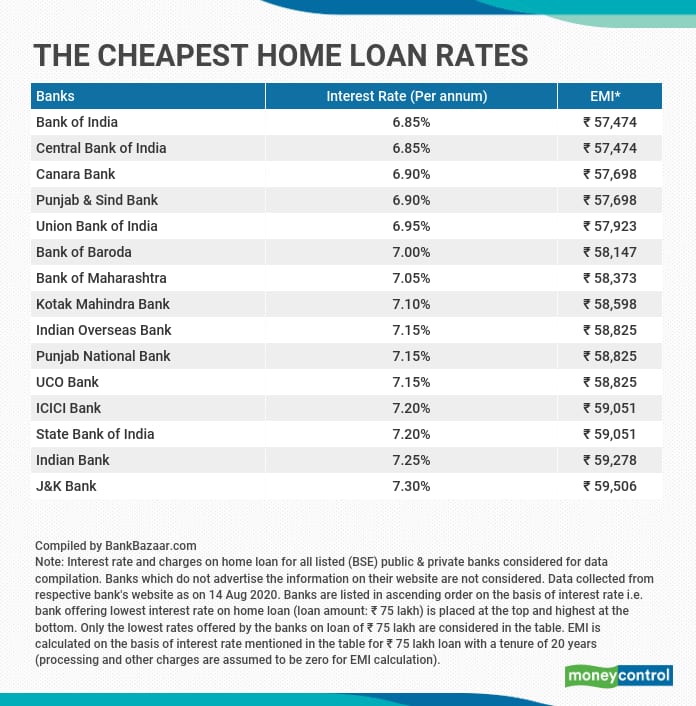
As discussed, the type of loan (fixed-rate vs. ARM) also plays a role. Fixed rates are generally higher than initial ARM rates due to the certainty they offer.
Economic Indicators and Federal Reserve Policy
Broader economic forces exert a powerful influence on mortgage interest rates. Key economic indicators include inflation rates, employment data, and GDP growth.
- Inflation: High inflation can lead to higher interest rates as lenders seek to maintain the purchasing power of their returns.
- Federal Reserve Policy: The Federal Reserve does not directly set mortgage rates, but its monetary policy decisions, particularly changes to the federal funds rate, have a ripple effect on the broader financial market. When the Fed raises its target rate, it generally makes borrowing more expensive for banks, which then pass those costs on to consumers in the form of higher loan rates, including mortgages. Conversely, when the Fed lowers rates, mortgage rates tend to follow suit.
- Bond Market: Mortgage rates are closely tied to the yields on U.S. Treasury bonds, especially the 10-year Treasury note. When bond yields rise, mortgage rates often rise, and vice-versa.
Lender-Specific Policies and Market Competition
Even with all other factors being equal, different lenders may offer slightly different interest rates. This is due to their individual business models, operational costs, desired profit margins, and current marketing strategies. Some lenders might specialize in certain types of loans or borrowers, offering more competitive rates in those niches. The level of competition in the mortgage market also influences rates; a highly competitive environment can drive lenders to offer more attractive rates to attract borrowers. Shopping around and obtaining quotes from multiple lenders is crucial for finding the best available rate.
How Interest Rates Impact Your Mortgage Payments and Total Cost
Understanding the mechanics of interest rates is academic without appreciating their tangible impact on your wallet. The interest rate on your home loan directly shapes both your immediate monthly financial obligations and the cumulative cost of homeownership over decades.
Calculating Monthly Mortgage Payments
The interest rate is the primary variable, alongside the principal loan amount and the loan term, that determines your monthly mortgage payment. For a fixed-rate mortgage, a standard amortization formula is used:
$M = P [ i(1 + i)^n ] / [ (1 + i)^n – 1]$
Where:
- M = Monthly payment
- P = Principal loan amount
- i = Monthly interest rate (annual rate divided by 12)
- n = Total number of payments (loan term in years multiplied by 12)
Even a small change in ‘i’ can have a significant effect on ‘M’. For instance, a $300,000, 30-year fixed loan at 4% interest will have a principal and interest payment of approximately $1,432 per month. If the rate were 4.5%, the payment jumps to around $1,520—an increase of nearly $90 per month. While this might seem minor on a monthly basis, its long-term implications are substantial.
The Long-Term Financial Implications of Rate Differences
The true power of interest rates is revealed over the entire lifespan of the loan. That seemingly small $90 difference in monthly payments mentioned above, over 30 years (360 payments), amounts to an additional $32,400 in total payments. And that’s just for a 0.5% rate difference. Comparing a 3.5% rate to a 5.5% rate on the same $300,000 loan shows a monthly payment difference of about $360, leading to an astonishing $129,600 difference in total payments over 30 years.
This demonstrates why securing the lowest possible interest rate is paramount. A lower rate doesn’t just reduce your monthly burden; it drastically reduces the total amount of interest you pay over the decades, saving you a substantial sum that could be used for investments, retirement, education, or other financial goals. It also means you build equity in your home faster, as more of each payment goes towards paying down the principal.
Understanding Amortization Schedules
An amortization schedule is a table detailing each periodic payment on a loan, showing the amount of principal and interest in each payment, and the remaining balance after each payment. In the early years of a mortgage, a disproportionately large portion of your monthly payment goes towards interest, with only a small fraction reducing the principal balance. As the loan matures, this ratio gradually shifts, with more of each payment allocated to principal repayment and less to interest.
The interest rate directly dictates this distribution. A higher interest rate means a larger share of your early payments will be consumed by interest, slowing down the rate at which you build equity in your home. Conversely, a lower interest rate allows more of your payment to chip away at the principal from the outset, accelerating equity accumulation and reducing the total interest paid over the loan’s life. Understanding your amortization schedule can be a powerful tool for financial planning and for visualizing the long-term impact of your chosen interest rate.
Strategies for Securing a Favorable Home Loan Interest Rate
Given the profound impact of interest rates, proactively working to secure the best possible rate is a cornerstone of responsible homeownership. While some factors are beyond individual control, many strategies can significantly improve your chances of obtaining a competitive rate.
Improving Your Creditworthiness
Since your credit score is a primary determinant of your interest rate, dedicating time to improving it before applying for a mortgage is a highly effective strategy.
- Pay bills on time: Payment history is the most important factor in your credit score.
- Reduce existing debt: Lowering your credit utilization ratio (amount of credit used vs. available) can boost your score. Pay down credit card balances and other high-interest debts.
- Avoid new credit applications: Opening new credit accounts can temporarily lower your score.
- Check your credit report: Regularly review your credit reports from all three major bureaus (Equifax, Experian, TransUnion) for errors and dispute any inaccuracies.
Saving for a Substantial Down Payment
A larger down payment directly translates to a lower Loan-to-Value (LTV) ratio, signaling reduced risk to lenders. Aim for at least 20% down if possible, as this often eliminates the need for private mortgage insurance (PMI) and frequently qualifies you for a better interest rate. Even if you can’t reach 20%, every additional percentage point you put down can potentially shave basis points off your interest rate and certainly reduce your overall borrowing cost.
Shopping Around and Comparing Lenders
This is perhaps one of the simplest yet most overlooked strategies. Different lenders—banks, credit unions, and mortgage brokers—have varying rates and fees. Obtaining quotes from at least three to five different lenders allows you to compare their offered interest rates, origination fees, closing costs, and overall loan terms. What might seem like a small difference from one lender to another can save you thousands over the life of the loan. Don’t just focus on the interest rate; compare the Annual Percentage Rate (APR), which includes certain fees in addition to the interest, giving a more holistic view of the loan’s cost.
Timing the Market (When Possible)
While predicting interest rate movements is difficult, staying informed about economic trends and Federal Reserve policies can help you gauge the general direction of rates. If you have flexibility in your home purchase timeline, applying for a mortgage when rates are historically low can lead to significant savings. However, trying to perfectly time the market can be risky; sometimes, the best rate is the one you can lock in when you’re ready to buy.
Considering Rate Locks
Once you’ve found a lender and received an attractive interest rate, consider requesting a rate lock. A rate lock guarantees that your interest rate will not change between the time you apply for the loan and when it closes, typically for a period of 30 to 60 days. This protects you if market rates rise during your loan processing. Be sure to understand any associated fees or conditions with a rate lock. If rates fall significantly during your lock period, some lenders may offer a “float down” option, allowing you to secure the lower rate for an additional fee.

Conclusion
The interest rate on a home loan is far more than just a number; it’s a pivotal financial lever that shapes the affordability, sustainability, and overall cost of homeownership. From dictating your monthly payments to determining the total amount of money you will pay over decades, its influence is pervasive and profound. Understanding the difference between fixed and adjustable rates, recognizing the myriad factors that influence their determination—from your credit score to the global economy—and implementing strategies to secure the most favorable terms are all indispensable steps in the journey to homeownership.
By approaching the mortgage process with knowledge and diligence, borrowers can empower themselves to make financially savvy decisions, reduce their borrowing costs, and ultimately build a stronger foundation for their financial future. The seemingly small percentage on your loan document translates into tangible financial impact, making it worthy of your utmost attention and strategic consideration.
aViewFromTheCave is a participant in the Amazon Services LLC Associates Program, an affiliate advertising program designed to provide a means for sites to earn advertising fees by advertising and linking to Amazon.com. Amazon, the Amazon logo, AmazonSupply, and the AmazonSupply logo are trademarks of Amazon.com, Inc. or its affiliates. As an Amazon Associate we earn affiliate commissions from qualifying purchases.