
In an era dominated by instant transfers, digital wallets, and contactless payments, the humble paper check might seem like a relic of the past. However, within the realm of personal finance and sophisticated money management, checks remain an essential tool. Whether you are paying rent to a landlord who prefers traditional methods, settling taxes with government agencies, or managing business expenses that require a clear paper trail, knowing how to efficiently procure and manage your checks is a fundamental financial skill.

Bank of America, as one of the largest financial institutions in the world, offers a streamlined process for its account holders to order checks. This guide provides a comprehensive deep dive into the logistics, costs, and strategic financial considerations involved in buying checks from Bank of America.
Understanding the Role of Paper Checks in Modern Personal Finance
Before diving into the “how-to,” it is vital to understand the “why.” Even with the rise of FinTech, physical checks serve specific niches in a well-rounded financial strategy.
Why You Still Need Checks in a Digital World
While apps like Zelle or Venmo are excellent for peer-to-peer transactions, they often have daily or monthly limits that make them unsuitable for large payments, such as a down payment on a vehicle or a security deposit for a new home. Paper checks provide a legal record of payment that is universally accepted. Furthermore, certain service providers—contractors, specialized medical offices, and small-scale landlords—often prefer checks to avoid the processing fees associated with credit cards. From a budgeting perspective, a physical checkbook provides a tangible way to track high-value transactions that might otherwise get lost in the noise of a digital statement.
The Security Features of Bank of America Personal Checks
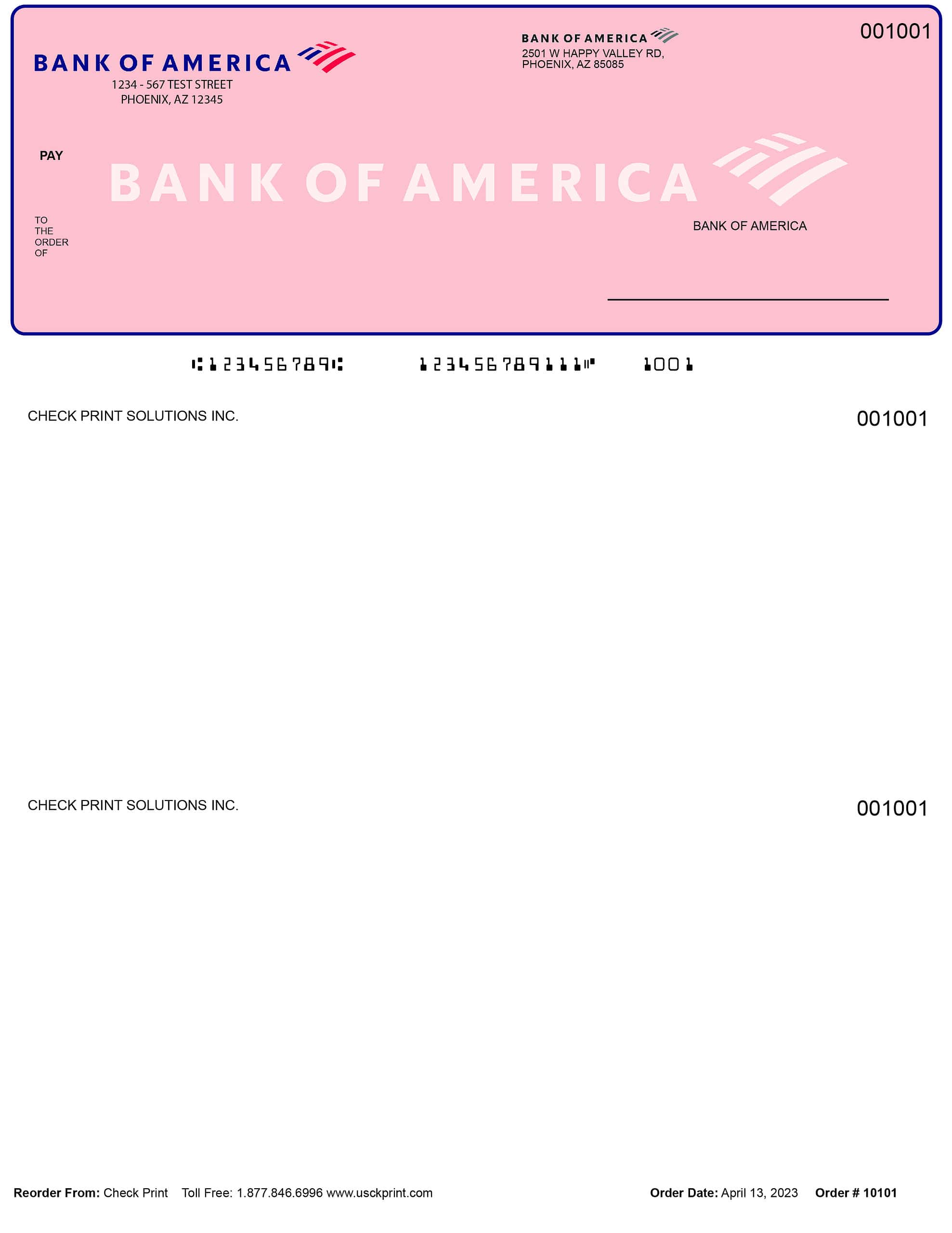
When you buy checks directly through Bank of America’s authorized partners, you are paying for more than just paper; you are paying for security. These checks incorporate sophisticated anti-fraud features, including:
- Microprinting: Tiny text that is visible only under magnification and becomes blurred if photocopied.
- Chemically Sensitive Paper: Material that changes color or shows stains if someone attempts to use chemicals to alter the ink.
- Security Screens: Subtly printed patterns on the back of the check that disappear when scanned or copied, signaling to a teller that the document is not an original.
Ordering through the official bank channel ensures these security protocols are up to date with the latest industry standards, protecting your liquid assets from unauthorized access.
Step-by-Step: How to Order Checks Through Bank of America
Bank of America has optimized its ordering process to be accessible through multiple channels, allowing users to choose the method that best fits their technical comfort level.
Ordering via Online Banking and the Mobile App
For most users, the fastest and most convenient way to order checks is through the Bank of America Online Banking portal or the Mobile Banking app.
- Log In: Access your account using your secure credentials.
- Navigate to Help & Support: In the mobile app, you can often find the “Order Checks” option under the “Help & Support” menu or by selecting the specific checking account you wish to order for.
- Select “Place an Order”: You will be redirected to the website of Harland Clarke, which is Bank of America’s authorized check-printing partner.
- Choose Your Style: Here, you can select from various designs, including standard blue safety checks or themed designs.
- Confirm Details: The system will automatically pull your routing and account numbers, but you should verify your name and address carefully.
- Submit: Choose your shipping speed and confirm the payment, which will be deducted directly from your account.
Alternative Methods: Phone and In-Person Support
If you prefer a more personal touch or are having difficulty with the digital interface, Bank of America provides traditional avenues:
- By Phone: You can call the Bank of America customer service line specifically for check orders. This is particularly useful if you need to change the name on your checks (e.g., following a marriage) or if you need to update the starting check number to match your previous records.
- In-Branch: Visiting a local financial center allows you to speak with a banker who can place the order for you. This is the safest route if you are concerned about technical errors or if you need to order a “counter check”—a temporary check printed on the spot for immediate use while you wait for your permanent book to arrive.
Reordering and Checking Order Status
Once your initial order is placed, reordering is even simpler. Bank of America’s system stores your previous preferences. Most checkbooks include a “reorder form” near the end of the book. You can use the control number on this form to quickly trigger a new shipment through the mobile app without having to re-select your design or verify your address again.
Navigating Costs, Customization, and Third-Party Options

The cost of checks can vary significantly based on your account type and where you choose to buy them. Understanding these variables is key to effective business and personal cash flow management.
Bank of America Check Pricing and Fees
Standard personal checks at Bank of America typically range from $20 to $35 for a box of 100 to 150 checks, depending on the design and shipping options. However, your account tier plays a major role:
- Advantage Relationship Accounts: Clients with higher-tier accounts or those enrolled in Preferred Rewards often receive standard checks at no cost.
- Advantage Plus and Foundation Banking: These accounts usually incur the standard printing fee.
It is worth checking your “Account Details” or the “Schedule of Fees” online to see if you qualify for complimentary checkbooks before finalizing your purchase.
Can You Buy Checks from Third-Party Vendors?
Many savvy consumers look to third-party printers like Deluxe, Vistaprint, or Check Advantage to save money. While you can certainly use these services, there are financial trade-offs. Third-party checks are often 50% cheaper than those ordered through the bank. However, you must manually input your routing and account numbers. A single typo in these numbers can lead to returned checks, late fees from your payees, and potential “non-sufficient funds” (NSF) charges from the bank if the error prevents the transaction from clearing. If you choose this route, double-check your MICR (Magnetic Ink Character Recognition) line numbers against a bank statement before hitting “submit.”
Customizing Your Checks to Reflect Your Brand or Personality
For small business owners using a Bank of America personal or small business checking account, customization is a branding opportunity. You can choose “high-security” business checks that include your company logo and a side-tear voucher for record-keeping. For personal use, customization allows you to select eco-friendly paper or designs that support specific charities. While these “designer” checks cost more, they provide a level of personalization that standard bank-issued checks lack.
Best Practices for Writing and Protecting Your Bank of America Checks
Buying the checks is only the first step. To maintain your financial health, you must manage them with precision.
How to Correctly Fill Out a Check to Prevent Fraud
When writing a check from your Bank of America account, precision is your best defense against “check washing”—a type of fraud where criminals use chemicals to erase the payee and amount.
- Use Permanent Ink: Always use a black or blue ballpoint pen; never use gel pens or pencils.
- Fill All Lines: Draw a line through any empty space after the payee’s name or the written amount to prevent anyone from adding additional words or numbers.
- Match the Box and the Line: Ensure the numerical amount in the box matches the written amount on the line. In the event of a discrepancy, the bank is legally required to honor the written words, not the numbers.
Managing Your Checkbook Ledger and Balancing Accounts
In the age of real-time mobile alerts, many people neglect the checkbook ledger. However, because checks can take days or even weeks to clear, your “available balance” in the Bank of America app may not reflect the money you have already “spent” via check. Maintaining a manual or digital ledger ensures you do not accidentally overdraw your account, helping you avoid the $35 NSF fees that can quickly compound.
What to Do If Your Checks Are Lost or Stolen
If a book of checks goes missing, speed is of the essence. You should immediately:
- Log into Online Banking and use the “Stop Payment” feature if you know the specific check numbers.
- Contact Bank of America customer service to flag your account for fraud.
- In cases of significant theft, the bank may recommend closing the account and opening a new one with a different account number to prevent unauthorized access to your funds.
Future-Proofing Your Finances: Digital Alternatives to Physical Checks
While this guide focuses on buying and using physical checks, a modern financial strategy should also consider when to move away from paper to increase efficiency.
Using Zelle and Online Bill Pay
Bank of America’s Online Bill Pay is a powerful alternative. Instead of writing a check and mailing it yourself, you provide the payee’s information to the bank, and they send an electronic payment (or a paper check on your behalf) at no cost to you. This saves you the expense of buying checks and stamps while still providing a digital paper trail. Similarly, Zelle allows for near-instant transfers for smaller, personal obligations.
The Pros and Cons of Transitioning to a Paperless Workflow
The primary “pro” of going paperless is the reduction in physical clutter and the elimination of the cost of buying checks. It also reduces the risk of mail fraud. However, the “con” remains that some institutions—particularly older government systems or small-scale vendors—are not yet equipped to handle all forms of digital payment.
For the foreseeable future, the most robust financial strategy is a hybrid one: utilizing Bank of America’s digital tools for the majority of your transactions while keeping a securely stored book of high-quality, bank-authorized checks for those moments when only paper will do. By following the steps outlined in this guide, you ensure that your check-buying process is secure, cost-effective, and perfectly integrated into your broader personal finance ecosystem.
aViewFromTheCave is a participant in the Amazon Services LLC Associates Program, an affiliate advertising program designed to provide a means for sites to earn advertising fees by advertising and linking to Amazon.com. Amazon, the Amazon logo, AmazonSupply, and the AmazonSupply logo are trademarks of Amazon.com, Inc. or its affiliates. As an Amazon Associate we earn affiliate commissions from qualifying purchases.