
When investors ask, “What is the price of Apple stock?” they are often looking for more than just the current digit flashing on a ticker tape. In the world of high-stakes finance, the price of Apple (NASDAQ: AAPL) represents a benchmark for the health of the technology sector, a cornerstone of most retirement portfolios, and a testament to the power of compound growth. As one of the first companies to ever cross the $3 trillion market capitalization threshold, Apple occupies a unique space in the financial ecosystem. Understanding its price requires a deep dive into market fundamentals, historical context, and the strategic financial levers the company pulls to maintain its premium valuation.
The Fundamentals of Apple’s Market Valuation
The “price” of a stock is essentially the market’s collective opinion on the present value of all future cash flows of that business. For Apple, this calculation is massive in scale. To understand why the stock trades at its current levels, investors must look past the nominal share price and examine the underlying financial metrics that justify it.
Market Capitalization and Share Price Relationship
While the nominal price per share—whether it is $150 or $200—is what most retail investors track, the market capitalization (the total value of all outstanding shares) is the more significant figure for financial analysis. Apple’s price is a function of its supply and demand in the open market, but that demand is driven by its earnings power. When Apple’s price moves up by just a few percentage points, it can add or subtract hundreds of billions of dollars in total market value, often moving the entire S&P 500 or Nasdaq 100 indices due to its heavy weighting.
Earnings Per Share (EPS) and P/E Ratios
The Price-to-Earnings (P/E) ratio is the primary lens through which the “Money” niche evaluates Apple. Historically, Apple traded at a discount compared to other software-heavy tech firms because it was viewed primarily as a hardware company. However, in the last decade, the market has re-rated Apple’s price-to-earnings multiple. As the company proved it could generate recurring revenue through its ecosystem, its P/E ratio expanded from the mid-teens to the high twenties and thirties. This expansion means that for every dollar Apple earns, investors are willing to pay more today than they were ten years ago, anticipating sustained growth and stability.
Historical Performance and Stock Splits
To understand today’s price, one must look at the trajectory of AAPL over the long term. Apple has been one of the most successful wealth generators in stock market history. However, the price you see today is “split-adjusted.”
The Impact of Apple’s Multi-Decade Growth
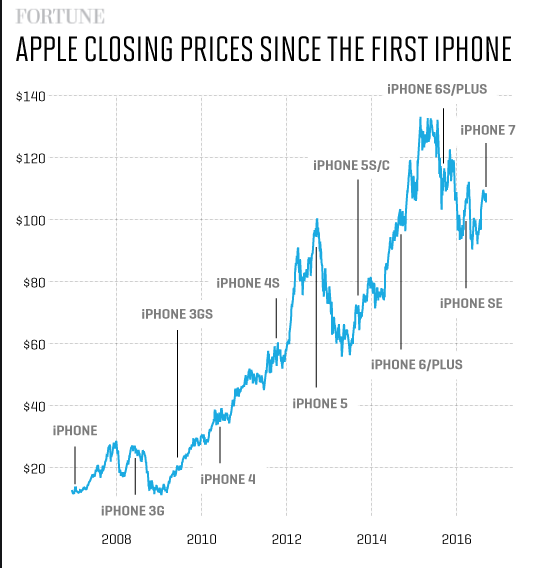
If you look at a chart of Apple’s stock price from the early 2000s to today, the curve is legendary. What started as a niche computer company evolved into a global consumer staples powerhouse. From an investment perspective, the “price” of Apple has consistently outpaced the broader market, driven by a series of revolutionary product cycles. However, from a financial management standpoint, Apple has been remarkably consistent in its ability to manage its balance sheet, ensuring that even during periods of stagnant hardware sales, the stock price remains supported by massive cash reserves and prudent fiscal management.
How Stock Splits Affect Accessibility
Apple has undergone several stock splits throughout its history, most recently a 4-for-1 split in 2020. Stock splits do not change the fundamental value of the company—much like cutting a pizza into eight slices instead of four doesn’t give you more pizza—but they do lower the nominal price per share. This is a strategic move to make the stock more accessible to retail investors and to allow employees more flexibility with their equity-based compensation. When discussing the “price,” it is vital to remember that a lower share price following a split often invites increased liquidity and psychological buying pressure from the retail sector.
Key Drivers Influencing Apple’s Financial Future
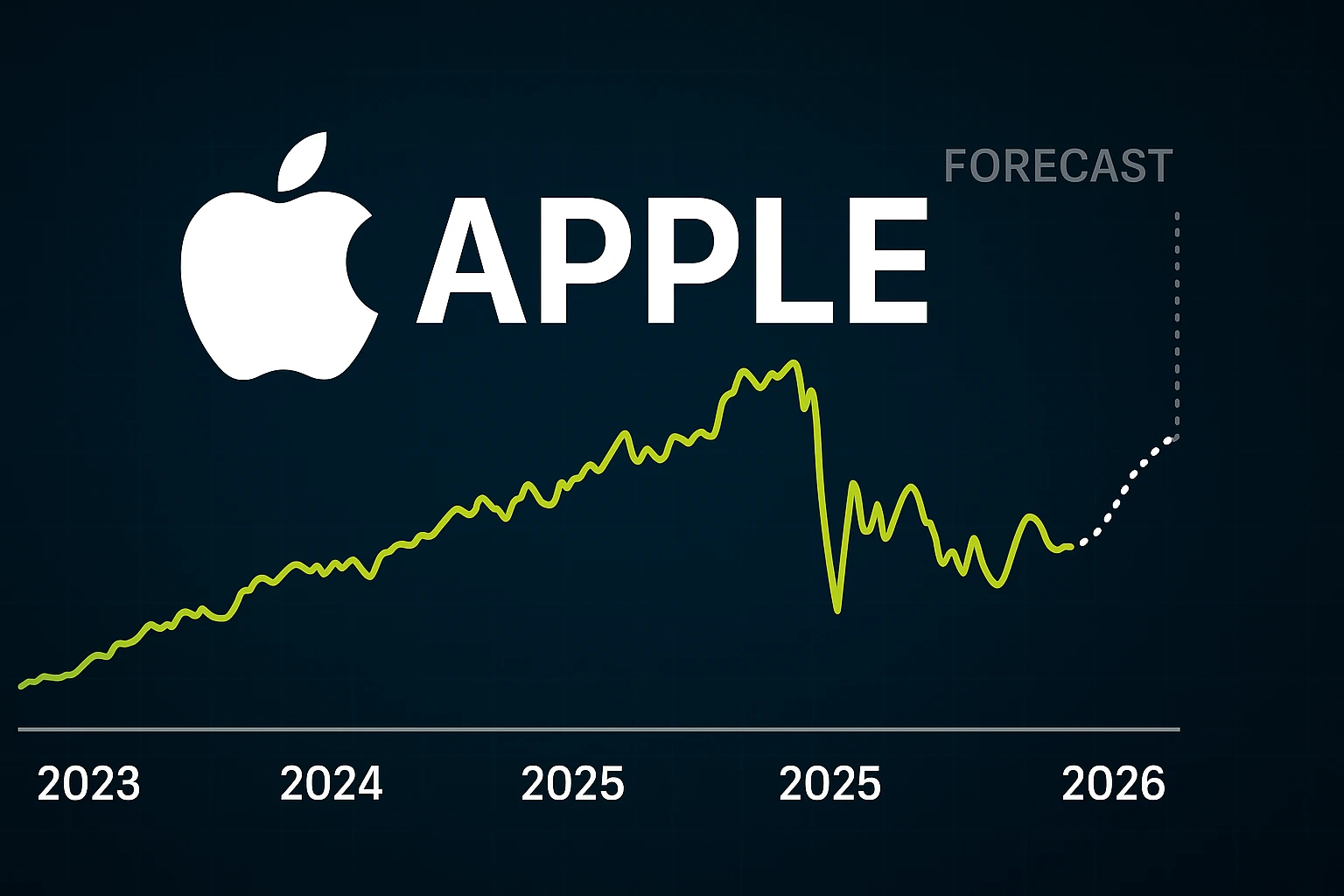
The current price of Apple stock is forward-looking. Investors are not paying for what Apple did in 2010; they are paying for what they believe Apple will earn in 2026 and beyond. Several key financial drivers determine whether the stock price will continue its upward trajectory or face a correction.
The Transition to a Services-Dominant Revenue Model
Perhaps the most significant factor in Apple’s modern valuation is its Services segment. This includes the App Store, iCloud, Apple Music, Apple Pay, and Apple Care. From a “Money” perspective, Services revenue is far more valuable than hardware revenue. Why? Because it is high-margin (often over 70% gross margin) and recurring. As the percentage of total revenue derived from Services increases, the “quality” of Apple’s earnings improves. Financial analysts reward this predictability with a higher stock price multiple, as it reduces the company’s dependence on the “hit-or-miss” nature of annual hardware upgrade cycles.
Dividend Yields and Share Buyback Programs
Apple is a “cash cow.” It generates more free cash flow than almost any other entity on earth. For the value-oriented investor, the price of Apple stock is supported by its aggressive capital return program. Apple is famous for its massive share buybacks. By using its cash to buy back and retire its own shares, Apple reduces the total number of shares outstanding. This makes each remaining share more valuable and increases Earnings Per Share (EPS) even if net income remains flat. This “financial engineering” provides a floor for the stock price during market downturns and is a primary reason why institutional investors view AAPL as a “safe haven” asset.
Analyzing Risks and Market Volatility
No investment is without risk, and the price of Apple stock is subject to various external pressures that can lead to significant volatility. Professional investors must weigh these risks against the company’s growth potential.
Supply Chain Pressures and Macroeconomic Factors
Apple’s price is sensitive to global trade dynamics. Because a significant portion of its manufacturing and assembly occurs in China, any geopolitical tension or supply chain disruption can immediately impact the stock price. Furthermore, as a global company, Apple is exposed to currency fluctuations. A strong U.S. dollar can act as a headwind, making Apple’s products more expensive in international markets and reducing the value of overseas earnings when converted back to dollars. When the “price” of the stock dips, it is often due to these “macro” concerns rather than a failure of the company’s internal strategy.
Regulatory Challenges and Antitrust Scrutiny
In recent years, the biggest threat to Apple’s valuation has come from regulators in the U.S. and the European Union. Antitrust investigations into the App Store’s “walled garden” and its 30% commission fee represent a direct risk to the high-margin Services revenue mentioned earlier. If courts or legislatures force Apple to open its ecosystem to third-party app stores or payment processors, it could compress margins. Investors closely monitor these legal developments, as an adverse ruling could lead to a permanent “re-rating” of the stock price to a lower multiple.
Investment Strategy: Is Apple a Buy, Hold, or Sell?
Determining the “right” price to pay for Apple depends entirely on an investor’s time horizon and financial goals. In the world of personal finance and investing, AAPL is often treated as a “core” holding.
Long-term vs. Short-term Perspectives
For the long-term investor, the daily fluctuations in Apple’s price are often considered “noise.” Given the company’s history of innovation and its massive balance sheet, many financial advisors view dips in the stock price as “buying opportunities.” However, for short-term traders, Apple’s price can be difficult to navigate because it is so heavily influenced by institutional positioning and “option Greeks.” Because AAPL is the largest component of many ETFs, it often moves in tandem with the broader market, regardless of its own specific news.

Portfolio Diversification with AAPL
When evaluating the price of Apple stock, one must also consider its role in a diversified portfolio. Because it is so dominant in the major indices, many investors already have significant exposure to Apple through their 401(k)s or total market index funds. Buying individual shares of AAPL at its current price adds a layer of “concentration risk.” From a financial planning perspective, the question isn’t just “What is the price of Apple?” but rather “How much of my total net worth is tied to this single ticker symbol?”
In conclusion, the price of Apple stock is a complex reflection of its trillion-dollar earnings power, its shift toward high-margin services, and its unprecedented program of returning capital to shareholders. While regulatory risks and global economic shifts can cause short-term price swings, the company’s fundamental financial strength continues to make it a primary focus for investors worldwide. Whether the price is at an all-time high or experiencing a temporary correction, AAPL remains a critical barometer for the modern financial landscape.
aViewFromTheCave is a participant in the Amazon Services LLC Associates Program, an affiliate advertising program designed to provide a means for sites to earn advertising fees by advertising and linking to Amazon.com. Amazon, the Amazon logo, AmazonSupply, and the AmazonSupply logo are trademarks of Amazon.com, Inc. or its affiliates. As an Amazon Associate we earn affiliate commissions from qualifying purchases.