
The question “how much is the movies” used to have a simple answer: the price of a single ticket at the local box office. However, in the modern financial landscape, the cost of consuming film has evolved into a complex matrix of subscription models, premium formats, digital licensing, and ancillary spending. For the modern consumer, understanding the true cost of cinema is no longer just about checking a marquee; it is an exercise in personal finance and value assessment. From the skyrocketing prices of theater concessions to the compounding monthly fees of streaming giants, the “cost” of movies represents a significant portion of the average household’s entertainment budget.
The Rising Cost of the Theater Experience
For many, the silver screen remains the definitive way to experience cinema. Yet, the financial barrier to entry for a night at the movies has risen significantly over the last decade, outpacing general inflation in many urban markets.
Ticket Price Inflation and Regional Variances
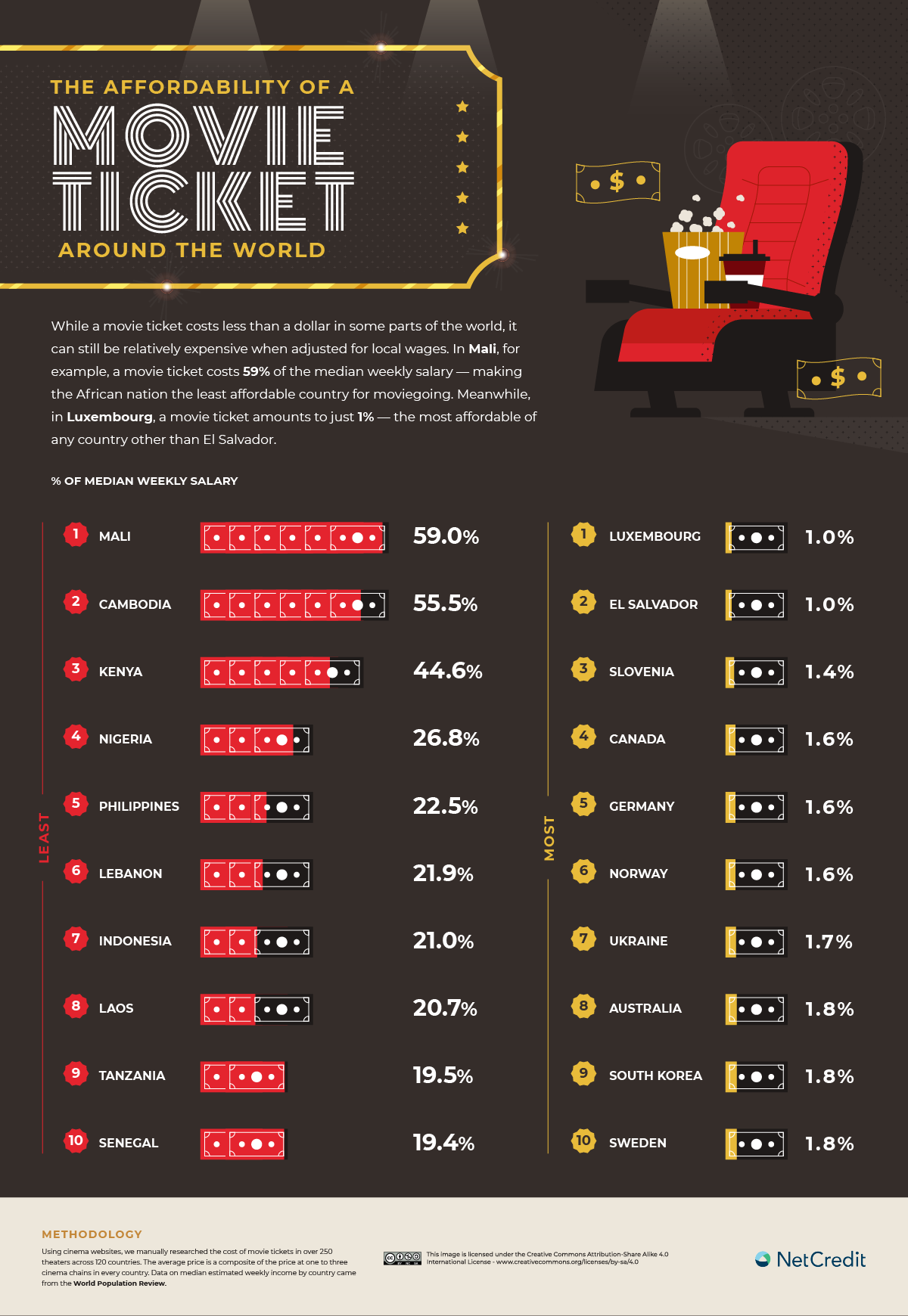
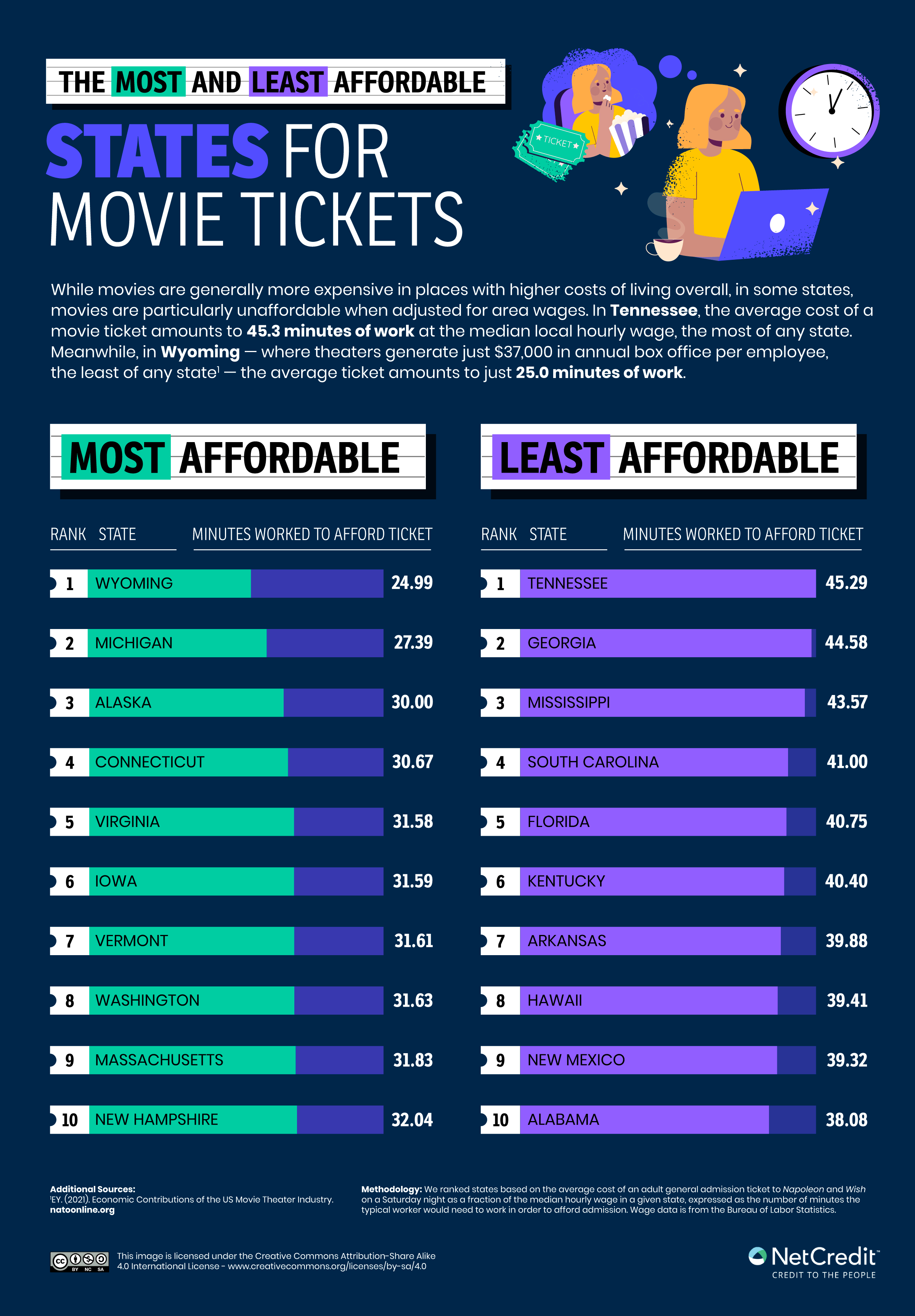
The average price of a movie ticket has seen a steady upward trajectory. While a decade ago a ticket might have cost between $7 and $9, the national average in many developed markets now hovers between $12 and $18. In major metropolitan hubs like New York, London, or Los Angeles, “standard” evening screenings can easily top $20. These prices are driven by the rising overhead costs for theaters, including real estate, energy, and the high-tech projection equipment required to compete with home theaters.
The “Concession Stand” Economy: Why Popcorn Costs More Than the Film
To understand the money behind the movies, one must understand the exhibitor’s dilemma. Movie theaters typically keep only a small percentage of ticket sales during the opening weeks of a blockbuster—often as little as 20% to 30%, with the lion’s share going back to the studios. Consequently, the theater’s primary revenue driver is the concession stand.
The markup on cinema popcorn is legendary, often exceeding 800% of the raw material cost. From a personal finance perspective, a family of four can easily spend more on sodas and snacks than they did on the tickets themselves. This “concession tax” is essentially what keeps the theater doors open, making the “cost” of the movie a secondary factor to the cost of the experience.
Premium Formats: Is IMAX and 4DX Worth the Investment?
The introduction of premium large formats (PLF) like IMAX, Dolby Cinema, and 4DX has added another layer to the pricing structure. These tickets often carry a surcharge of $5 to $15 over the standard admission price. For the consumer, this presents a value-proposition challenge: does the increased visual and auditory fidelity justify a 50% increase in the cost of the outing? For high-budget spectacles, many find the investment worthwhile, but it necessitates a more disciplined approach to the entertainment budget.
The Subscription Pivot: Calculating the Real Cost of Streaming
As the theatrical window has shrunk, the “cost” of movies has largely shifted from a transactional model to a subscription-based one. While this initially promised lower costs, the fragmentation of the market has created a new financial phenomenon.
The “Subscription Fatigue” Financial Trap
The era of having “everything on Netflix” is over. Today, a film lover may feel the need to subscribe to Netflix, Disney+, Max, Hulu, Paramount+, and specialized services like Criterion Channel or Mubi. When aggregated, these services can cost a household upwards of $80 to $120 per month. This “subscription fatigue” often leads to “leakage” in a personal budget—money exiting the account for services that are underutilized. The true cost of “the movies” in this context is the cumulative annual spend, which can easily exceed $1,000.
Ad-Supported vs. Premium Tiers: The Value Proposition
To combat rising costs and churn rates, streaming platforms have introduced tiered pricing. Ad-supported tiers offer a lower entry point, often saving the consumer $5 to $10 a month. From a financial optimization standpoint, these tiers offer the best “per-movie” value, provided the consumer is willing to trade their time and attention for a lower monthly bill. Conversely, premium tiers offering 4K resolution and multiple concurrent streams are targeted at households that treat cinema as a primary form of domestic luxury.
Bundling Strategies: Reducing Your Monthly Entertainment Overhead
Astute consumers are increasingly turning to bundles to manage the cost of movies. Services like the Disney Bundle (Disney+, Hulu, ESPN+) or the integration of streaming services into mobile phone plans and credit card perks have become essential financial tools. By leveraging these bundles, consumers can often reduce their effective monthly movie cost by 30% to 50%, illustrating that in the digital age, movie-watching requires a level of strategic financial planning.

The Hidden Costs of Digital Ownership and VOD
Outside of theaters and subscriptions, the “Transactional Video on Demand” (TVOD) market remains a significant factor in how much we pay for movies.
Transactional Video on Demand (TVOD) vs. Physical Media
When a movie leaves the theater but hasn’t yet reached a “free” streaming service, it enters the “Home Premiere” window. Renting a new release digitally can cost between $19.99 and $24.99. While this seems high for a single viewing, for a family of four, it is significantly cheaper than a trip to the theater. However, the financial downside is the lack of equity. Unlike physical media (Blu-rays or DVDs), which can be resold or shared, a digital rental is a fleeting expense with zero residual value.
The Depreciating Value of Digital Libraries
Buying a digital movie for $14.99 to $19.99 allows for repeated viewings, but it raises questions about long-term financial value. Digital “ownership” is often a misnomer; consumers are essentially purchasing a long-term license that is subject to the platform’s terms of service. From an investment perspective, physical media collectors argue that their “cost” is offset by the tangibility and longevity of the product, whereas digital libraries are subject to the platform’s stability and licensing agreements.
Budgeting for the Big Screen: Personal Finance Strategies
Given the various ways to consume film, managing the cost of movies requires a proactive approach to personal finance.
Leveraging Loyalty Programs and Credit Card Rewards
Movie theater chains like AMC and Regal have introduced subscription passes (e.g., AMC Stubs A-List) that allow for a set number of movies per month for a fixed fee. For a regular moviegoer, these programs can reduce the per-movie cost to less than $5. Additionally, many credit cards offer “entertainment” as a high-cashback category. By aligning movie spending with these financial instruments, consumers can effectively subsidize their hobby through rewards and cash-back cycles.
Determining Your Entertainment-to-Income Ratio
A professional approach to entertainment spending involves setting a strict budget. Financial advisors often suggest that “disposable” spending—which includes movies, dining out, and hobbies—should not exceed 5% to 10% of take-home pay. By calculating the total cost of theater trips, streaming services, and digital rentals, individuals can see if their love for the movies is encroaching on their long-term financial goals, such as savings or debt repayment.
The Macro View: Where Your Movie Dollars Go
To understand why “the movies” cost what they do, one must look at the business finance behind the screen. The price of a ticket or a subscription is not arbitrary; it is a reflection of a massive industrial complex.
Production Budgets vs. Marketing Spends
The cost of creating a modern “tentpole” film often exceeds $200 million, with an additional $100 million or more spent on global marketing. When a consumer pays for a movie, they are paying for the labor of thousands of artists, the logistics of global distribution, and the massive interest on the loans used to finance these productions. High ticket prices are, in part, a necessity of an industry that has seen its middle-budget market disappear in favor of high-risk, high-reward blockbusters.
The Theater’s Cut: How Profit Margins Keep the Lights On
As mentioned earlier, theaters operate on razor-thin margins. After the studio takes its cut and the overhead is paid, a theater might only see a profit of a few cents on the dollar for every ticket sold. This economic reality explains why the “cost” of the movie experience is increasingly supplemented by premium offerings like dine-in services, alcohol sales, and arcade games. The theater is no longer just a room with a screen; it is a multi-revenue-stream hospitality venue.
In conclusion, the answer to “how much is the movies” is multi-faceted. It is a variable cost that can range from a few dollars for an ad-supported stream to nearly $100 for a premium family night out. By understanding the underlying economics of the film industry and applying disciplined personal finance strategies, consumers can enjoy the magic of cinema without compromising their financial health. Whether through strategic bundling, loyalty programs, or careful selection of viewing formats, the goal is to ensure that the value of the experience always outweighs the price on the receipt.
aViewFromTheCave is a participant in the Amazon Services LLC Associates Program, an affiliate advertising program designed to provide a means for sites to earn advertising fees by advertising and linking to Amazon.com. Amazon, the Amazon logo, AmazonSupply, and the AmazonSupply logo are trademarks of Amazon.com, Inc. or its affiliates. As an Amazon Associate we earn affiliate commissions from qualifying purchases.