
The question “how much Bitcoin should I own?” is one of the most frequently asked by new and seasoned investors alike venturing into the realm of digital assets. Far from being a simple query, it delves into the intricate dynamics of personal finance, risk management, market understanding, and future financial aspirations. Bitcoin, since its inception in 2009, has evolved from a niche digital experiment into a global macroeconomic asset, challenging traditional financial paradigms and offering unprecedented opportunities for wealth creation and preservation. This article aims to provide a comprehensive financial perspective on approaching Bitcoin investment, helping individuals formulate a strategy tailored to their unique circumstances.

Understanding Bitcoin’s Market Dynamics and Valuation
Before deciding on an allocation, it’s crucial to grasp the fundamental economic principles and market forces that dictate Bitcoin’s value. Unlike traditional currencies backed by governments or commodities, Bitcoin’s value is derived from its decentralized network, cryptographic security, and, significantly, its predetermined scarcity.
The Scarce Nature of Bitcoin: Supply and Demand
At the core of Bitcoin’s appeal as a store of value is its finite supply. Capped at precisely 21 million coins, Bitcoin’s creation process is algorithmic and predictable. This scarcity is a stark contrast to fiat currencies, which can be printed indefinitely by central banks, often leading to inflation and erosion of purchasing power. The supply schedule is further regulated by “halving” events, occurring approximately every four years, which reduce the rate at which new Bitcoins are mined. Each halving significantly cuts the new supply entering the market, historically preceding periods of substantial price appreciation as demand potentially outstrips the reduced supply. This controlled scarcity is a powerful economic driver, positioning Bitcoin as a potential hedge against inflation and a digital equivalent to scarce commodities like gold.
Factors Influencing Bitcoin’s Price
Bitcoin’s price is notoriously volatile, influenced by a complex interplay of factors:
- Market Sentiment and Adoption: Public perception, media coverage, and the increasing adoption by individuals, businesses, and institutions significantly sway market sentiment, driving both demand and speculation.
- Macroeconomic Factors: Global economic conditions, inflation rates, interest rate decisions by central banks, and geopolitical events can impact investor appetite for risk assets like Bitcoin. In times of economic uncertainty, Bitcoin has sometimes been viewed as a safe-haven asset, similar to gold.
- Regulatory Developments: Government regulations concerning cryptocurrencies can have profound effects. Favorable regulatory frameworks can foster institutional investment and mainstream acceptance, while restrictive policies can trigger sell-offs.
- Technological Developments and Network Health: While primarily a financial asset, the underlying technology’s robustness, security, and ongoing development contribute to its long-term viability and perceived value. Network upgrades or significant security breaches can impact investor confidence.
- Liquidity and Trading Volume: Higher trading volumes generally indicate greater market interest and liquidity, making it easier to buy and sell Bitcoin without significant price impact.
Understanding these dynamics is paramount for any investor, as they highlight the inherent risks and rewards associated with holding Bitcoin.
Market Capitalization vs. Individual Ownership
When discussing “how much Bitcoin,” it’s important to distinguish between Bitcoin’s overall market capitalization – the total value of all Bitcoins in circulation – and the amount an individual might consider owning. Bitcoin’s market cap, often fluctuating in the trillions of dollars, reflects its global significance as an asset class. For an individual investor, the question boils down to what percentage of their personal investment portfolio Bitcoin should represent, given their financial objectives and risk profile. It’s not about owning a large fraction of the total supply but about owning a sufficient allocation that aligns with one’s wealth-building strategy.
Personalizing Your Bitcoin Investment Strategy
There is no universal answer to “how much Bitcoin.” The optimal amount is deeply personal, contingent upon individual financial circumstances, investment goals, and psychological tolerance for risk. A well-considered strategy integrates Bitcoin into a broader financial plan.
Assessing Your Financial Goals and Risk Tolerance
Before allocating capital to Bitcoin, a clear understanding of your financial goals is essential. Are you investing for long-term wealth accumulation, retirement planning, or capital appreciation over a shorter horizon? Bitcoin’s price volatility, while offering substantial upside potential, also carries significant downside risk. Investors with a higher risk tolerance and a longer investment horizon may consider a larger allocation, as they are better positioned to weather market downturns and benefit from long-term growth. Conversely, those with a lower risk tolerance or shorter timeframes might opt for a more conservative approach. It’s crucial to honestly assess how you would react to a significant decline in your Bitcoin holdings and ensure it wouldn’t jeopardize your overall financial stability.
The “Percentage of Portfolio” Approach
A widely adopted strategy in traditional finance, applicable to Bitcoin, is to determine a percentage of your total investment portfolio to allocate to this asset class. Common recommendations for a speculative, high-growth asset like Bitcoin often range from 1% to 10% of a diversified portfolio.
- 1-3% Allocation: This conservative approach allows investors to gain exposure to Bitcoin’s potential upside without taking on excessive risk. It’s suitable for those new to crypto, with lower risk tolerance, or primarily focused on traditional investments.
- 3-7% Allocation: A moderate approach, reflecting a belief in Bitcoin’s long-term potential as an asset class, while still maintaining significant diversification.
- 7-10%+ Allocation: For investors with a high conviction in Bitcoin’s future, a strong understanding of its market dynamics, and a high risk tolerance. This allocation typically assumes a significant portion of an investor’s overall wealth can withstand substantial fluctuations.
The key principle here is diversification. Bitcoin should generally be one component of a broader portfolio that includes traditional assets like stocks, bonds, and real estate, reducing overall portfolio risk.
Dollar-Cost Averaging (DCA): A Prudent Strategy
Given Bitcoin’s volatility, timing the market is notoriously difficult, even for experienced traders. Dollar-Cost Averaging (DCA) is a powerful, disciplined investment strategy that can mitigate the risks associated with market timing. DCA involves investing a fixed amount of money at regular intervals (e.g., weekly, monthly) regardless of Bitcoin’s price.
How DCA Benefits Bitcoin Investors:
- Mitigates Volatility: By investing consistently, you buy more Bitcoin when prices are low and less when prices are high, averaging out your purchase price over time. This reduces the emotional stress of trying to predict market movements.
- Reduces Emotional Decision-Making: DCA fosters a disciplined approach, removing the temptation to panic sell during downturns or chase pumps during bull runs.
- Accessibility: It allows investors to accumulate Bitcoin gradually without needing a large lump sum upfront, making it accessible to a broader range of individuals.
For many, DCA offers a pragmatic and less stressful path to building a Bitcoin position over time.
Considering Your Disposable Income and Investment Horizon
It is a fundamental rule of investing that you should only invest capital you can afford to lose. This maxim is especially pertinent for volatile assets like Bitcoin. Never invest funds necessary for immediate living expenses, emergency savings, or short-term financial goals. Additionally, Bitcoin, while capable of rapid short-term gains, is generally viewed as a long-term investment. Its transformative potential as a financial technology and a global store of value may take years, if not decades, to fully materialize. A long investment horizon allows ample time for market cycles to play out and for the asset to potentially appreciate significantly.
Practical Considerations for Acquiring and Managing Bitcoin
Once you’ve determined your desired allocation and strategy, the next step involves the practicalities of acquiring, securing, and managing your Bitcoin holdings. These steps are crucial for protecting your investment.
Choosing a Reliable Exchange
The first point of entry for most individuals into the Bitcoin market is a cryptocurrency exchange. Selecting a reputable and secure exchange is paramount. Key factors to consider include:
- Security: Look for exchanges with robust security measures, including two-factor authentication (2FA), cold storage for a significant portion of assets, and a strong track record of protecting customer funds.
- Regulatory Compliance: Choose exchanges that comply with local financial regulations and possess necessary licenses. This often indicates a higher level of operational integrity and consumer protection.
- Fees: Understand the trading fees, withdrawal fees, and deposit fees. These can vary significantly between platforms and impact your overall investment returns.
- User Experience: For beginners, an intuitive and user-friendly interface can make the process of buying and selling Bitcoin much smoother.
- Liquidity and Asset Selection: Ensure the exchange has sufficient liquidity for Bitcoin trading and offers other cryptocurrencies if you plan to diversify further.
Popular exchanges include Coinbase, Binance, Kraken, and Gemini, among others, each with its own advantages and disadvantages depending on geographic location and specific needs.
Securing Your Bitcoin Holdings
After purchasing Bitcoin, securing your assets is perhaps the most critical step. Leaving significant amounts of Bitcoin on an exchange carries inherent risks, as exchanges can be targets for hackers or experience operational failures.
- Wallets: Bitcoin is stored in digital wallets, which are software programs or physical devices that hold your cryptographic keys.
- Hot Wallets: Connected to the internet (e.g., exchange wallets, mobile apps, desktop software). Convenient for small amounts and frequent transactions but more susceptible to online threats.
- Cold Wallets (Hardware Wallets): Physical devices (e.g., Ledger, Trezor) that store your keys offline. They offer the highest level of security for larger holdings, making them virtually immune to online hacking attempts.
- Seed Phrase: When setting up a wallet, you will be given a “seed phrase” (a series of 12 or 24 words). This is your ultimate backup and the key to recovering your funds if your wallet is lost or damaged. It must be written down accurately and stored securely offline, never shared with anyone, and never stored digitally.
- Two-Factor Authentication (2FA): Always enable 2FA on your exchange accounts and any software wallets to add an extra layer of security beyond just a password.
Prioritizing robust security practices is non-negotiable for any serious Bitcoin investor.
Tax Implications of Bitcoin Ownership
Investing in Bitcoin carries specific tax obligations that vary by jurisdiction. In many countries, Bitcoin is treated as property for tax purposes, meaning:
- Capital Gains Tax: Selling Bitcoin for a profit typically incurs capital gains tax. The tax rate often depends on how long you’ve held the asset (short-term vs. long-term).
- Income Tax: Receiving Bitcoin as payment for goods or services, or earning it through mining or staking, may be considered taxable income.
- Record-Keeping: Meticulous record-keeping of all your Bitcoin transactions (purchase dates, prices, sale dates, prices, fees) is crucial for accurate tax reporting.
Consulting with a tax professional knowledgeable in cryptocurrency taxation is highly recommended to ensure compliance and optimize your tax strategy. Ignoring these obligations can lead to significant penalties.
Beyond Speculation: Bitcoin’s Role in a Modern Financial Portfolio
While often perceived purely as a speculative asset, Bitcoin is increasingly being recognized for its potential as a strategic component within a well-rounded financial portfolio, offering unique benefits that transcend short-term trading.
Bitcoin as a Store of Value
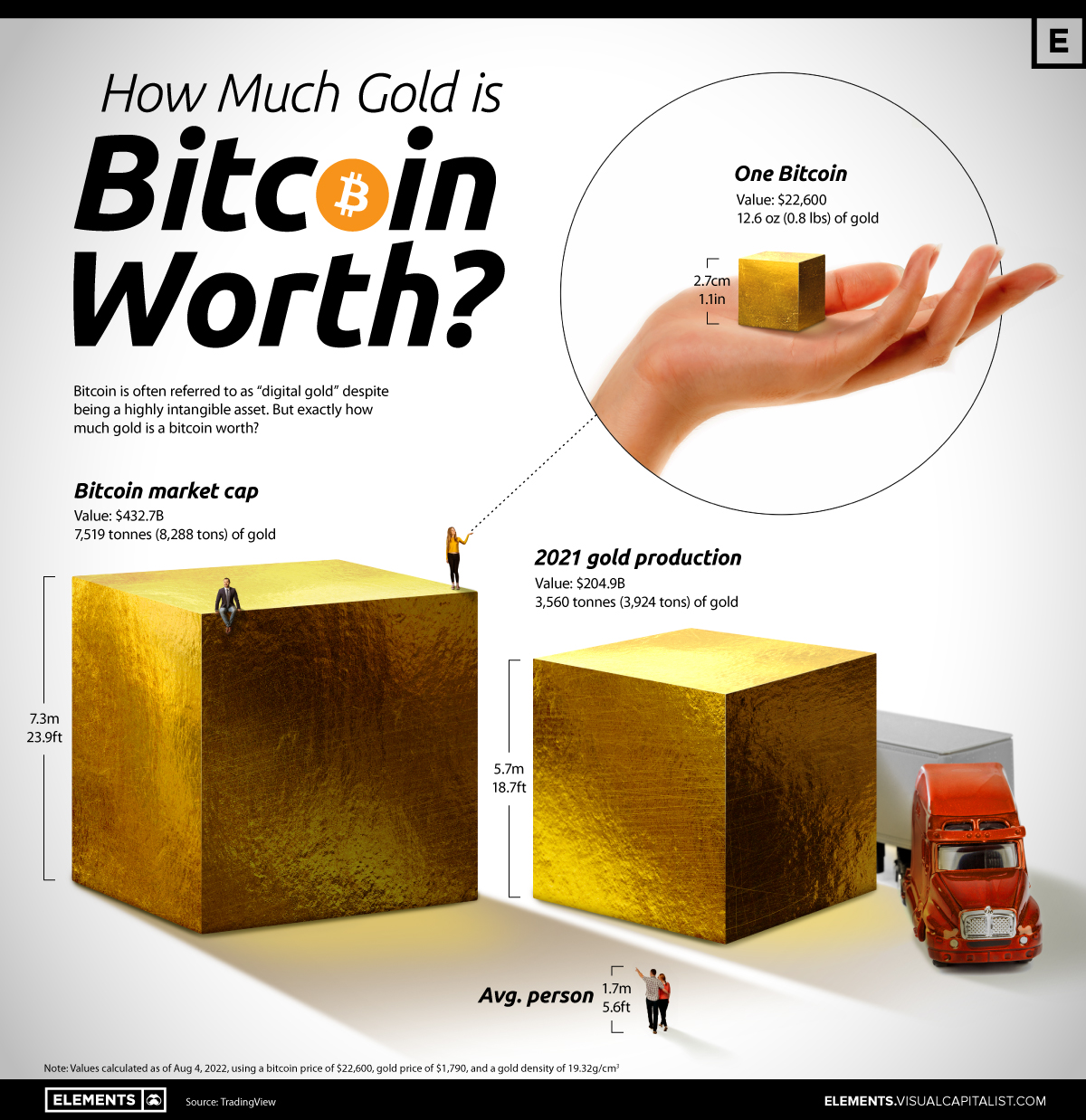
The narrative of “digital gold” has gained significant traction, positioning Bitcoin as a potential alternative or complement to traditional safe-haven assets. Its finite supply, censorship resistance, and global accessibility contribute to its appeal as a long-term store of value, particularly in an era of unprecedented monetary expansion and rising inflation concerns. As central banks continue quantitative easing, the perceived scarcity of Bitcoin makes it attractive to investors seeking to preserve purchasing power over time. While its volatility means it doesn’t always act as a stable store of value in the short term, its long-term potential in this regard is a core tenet of many investment theses.
Diversification Benefits
For sophisticated investors, Bitcoin can offer meaningful diversification benefits within a broader investment portfolio. Historically, Bitcoin has exhibited a relatively low correlation with traditional asset classes like stocks and bonds. This means that Bitcoin’s price movements do not always align with those of conventional markets. Including an asset with low correlation can potentially reduce overall portfolio risk and enhance risk-adjusted returns, especially during periods when traditional markets are under stress. However, it’s important to note that correlations can shift, and Bitcoin’s behavior can sometimes align with other risk assets.
The Future of Bitcoin and Digital Assets
The landscape for Bitcoin and digital assets is continuously evolving. Increasing institutional interest, from investment banks to corporate treasuries, signifies a growing mainstream acceptance of Bitcoin as a legitimate asset class. Furthermore, the development of robust regulatory frameworks in various jurisdictions is paving the way for greater investor confidence and broader adoption. As technology advances and financial infrastructure adapts, Bitcoin’s role in the global financial system is likely to expand, moving beyond merely an investment vehicle to potentially underpinning new forms of digital commerce and finance. Understanding these long-term trends is vital for anyone considering a significant allocation.
Ultimately, “how much Bitcoin” to own is a deeply personal financial decision requiring careful consideration of your unique circumstances, risk tolerance, and investment horizon. There’s no magic number, but rather a journey of research, thoughtful planning, and disciplined execution. By understanding Bitcoin’s market dynamics, personalizing your investment strategy, implementing robust security measures, and staying informed about its evolving role in the global economy, you can approach the cryptocurrency market with greater confidence and purpose, ensuring your allocation aligns with your broader financial aspirations.
aViewFromTheCave is a participant in the Amazon Services LLC Associates Program, an affiliate advertising program designed to provide a means for sites to earn advertising fees by advertising and linking to Amazon.com. Amazon, the Amazon logo, AmazonSupply, and the AmazonSupply logo are trademarks of Amazon.com, Inc. or its affiliates. As an Amazon Associate we earn affiliate commissions from qualifying purchases.