
In the modern digital economy, the convenience of peer-to-peer (P2P) payment applications has transformed the way we handle transactions. Venmo, owned by PayPal, sits at the forefront of this revolution, processing hundreds of billions of dollars in total payment volume annually. However, as the platform’s ubiquity grows, so does the scrutiny regarding its underlying technical infrastructure. For users and cybersecurity enthusiasts alike, the question remains: How secure is Venmo? To answer this, we must look beyond the user interface and examine the encryption standards, authentication protocols, and data privacy frameworks that constitute Venmo’s digital fortress.
The Architecture of Security: How Venmo Protects Data in Transit
At its core, Venmo functions as a complex intermediary between traditional banking systems and a mobile-first user environment. The security of such a system depends heavily on how data is handled during the transition from a user’s device to the server and, eventually, to the financial institution.
Data Encryption Standards and TLS
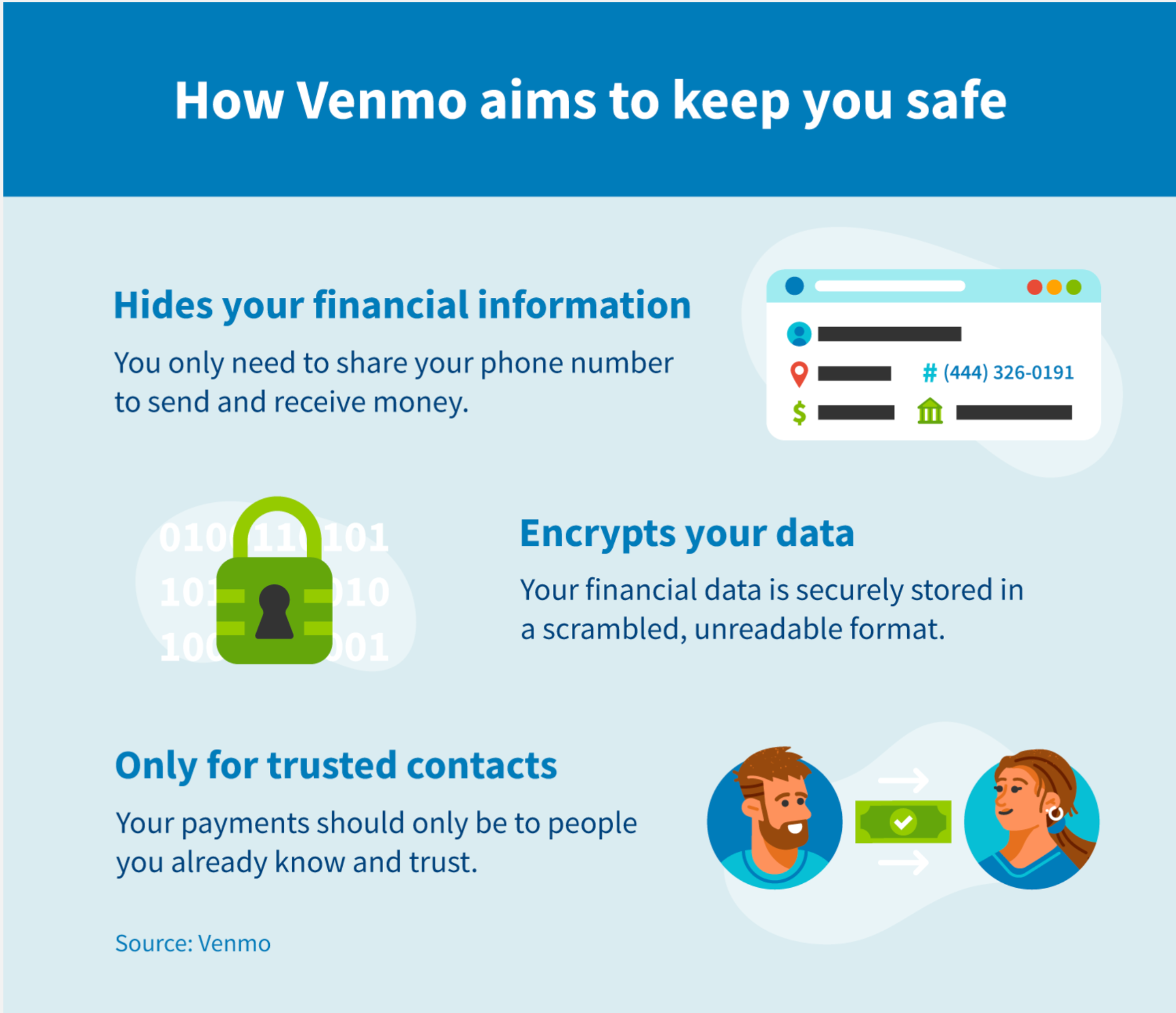
Venmo utilizes bank-grade encryption to protect user information. When you initiate a transaction or update your profile, the application employs Transport Layer Security (TLS), the successor to SSL, to create a secure tunnel between your smartphone and Venmo’s servers. Specifically, Venmo utilizes 256-bit encryption, a standard that is currently considered computationally infeasible to crack via brute force. This ensures that even if a malicious actor were to intercept the packets of data moving across a public Wi-Fi network, the information—including bank account numbers and personal identifiers—would appear as undecipherable gibberish.
Server-Side Protections and Firewalls
Once data reaches Venmo’s backend, it is stored on servers that are shielded by multiple layers of hardware and software firewalls. Venmo leverages PayPal’s robust infrastructure, benefiting from decades of experience in the fintech sector. The data is stored in a disconnected state from the public internet where possible, and sensitive financial information is often “hashed” or tokenized. Tokenization is a critical technical safeguard: instead of storing your actual credit card number, the system stores a unique digital identifier (a token). If a data breach were to occur, these tokens would be useless to hackers because they cannot be reversed to reveal the original financial data without access to a separate, highly secure key vault.
Regular Security Audits and Bug Bounties
Security is not a static state but an ongoing process. Venmo participates in the PayPal Holdings Vulnerability Reward Program (Bug Bounty). By inviting white-hat hackers and security researchers to identify and report vulnerabilities in their code, Venmo creates a proactive defense mechanism. This technical transparency allows the platform to patch “Zero-Day” vulnerabilities—security flaws unknown to the developers—before they can be exploited by cybercriminals.
User-End Security Protocols: Guarding the Gateway
While backend encryption is vital, the most significant security risks often exist at the “endpoint”—the user’s smartphone. Venmo has implemented several technical layers to ensure that even if a device is lost or stolen, the financial assets remain protected.
Multi-Factor Authentication (MFA) and Biometrics
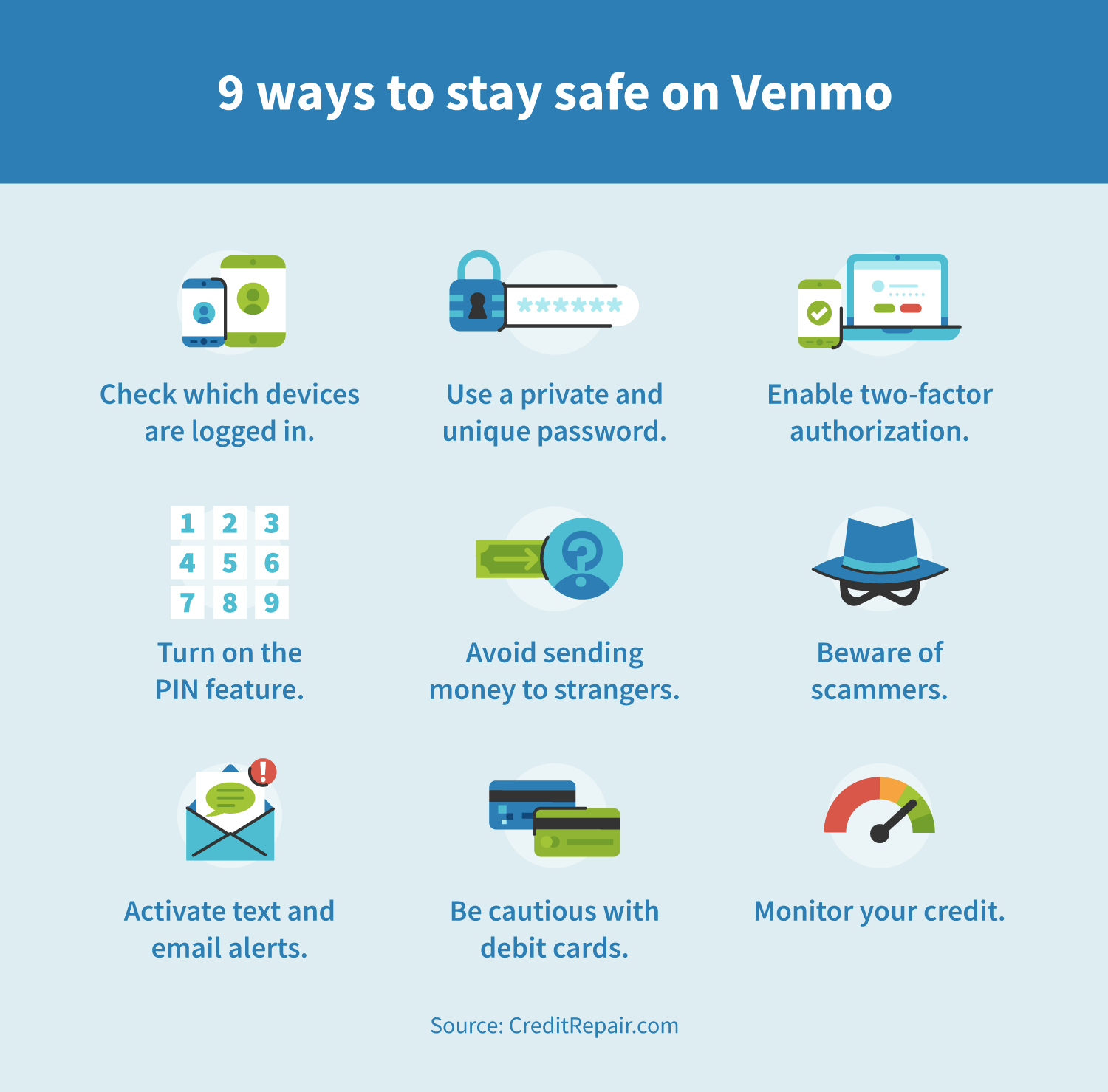
The first line of defense is the login process. Venmo enforces Multi-Factor Authentication (MFA), which requires more than just a password to access an account. When a login attempt is detected from a new or unrecognized device, the system triggers a secondary verification step, usually a code sent via SMS or email.
Furthermore, Venmo integrates seamlessly with mobile OS-level security features. By enabling biometric authentication—such as Apple’s FaceID/TouchID or Android’s Fingerprint Sensor—users can add a cryptographic layer to the app. From a technical standpoint, this is superior to a PIN because biometric data is stored in a “Secure Enclave” on the device hardware itself; it never leaves the phone and is not stored on Venmo’s servers, significantly reducing the surface area for remote attacks.
Device Binding and Session Management
Venmo employs a technical strategy known as “device binding.” When you log in, the application creates a unique session token that associates your account with that specific hardware ID. If a hacker attempts to hijack your session from another location, the lack of a matching hardware identifier can trigger an automatic logout or a security challenge. Additionally, Venmo’s session management protocols are designed to time out after periods of inactivity. This prevents unauthorized access in scenarios where a user might leave their phone unlocked in a public space.
Transaction Limits and Velocity Checks
To mitigate the impact of an account compromise, Venmo implements algorithmic transaction limits. These are not just arbitrary numbers; they are part of a technical “velocity check” system. By analyzing the speed and frequency of transactions, Venmo’s software can identify anomalies. If an account that usually sends $20 a week suddenly attempts to send $2,000 to a new recipient in a different country, the system’s risk engine will automatically flag the transaction for manual review or block it entirely.
Privacy Settings and the Social Feed Vulnerability
One of Venmo’s most controversial features from a security and privacy perspective is its social feed. Unlike traditional banking apps, Venmo was built as a social network for money. While this adds a layer of engagement, it introduces technical privacy risks that users must navigate.
The Default Privacy Dilemma
Historically, Venmo transactions were set to “Public” by default. This meant that anyone with an internet connection could use specialized scripts or APIs to “scrape” data from the global feed. In a technical sense, scraping involves using automated software to pull transaction descriptions, timestamps, and participant names. While the dollar amounts are hidden, the metadata—who you are paying and why—can be used by bad actors to build a profile for social engineering or “spear-phishing” attacks.
Following pressure from privacy advocates and security researchers, Venmo updated its interface to make privacy controls more prominent. Users can now set their default privacy to “Private” or “Friends Only,” which technically restricts the visibility of the transaction metadata to specific authorized user IDs within the Venmo database.
API Security and Third-Party Access
Venmo allows certain third-party integrations, such as using Venmo to pay on mobile websites like Uber or Lululemon. This is handled through Secure APIs (Application Programming Interfaces). When you link Venmo to another app, the two services communicate via OAuth tokens. This technical protocol allows Venmo to grant the third-party app permission to request a payment without ever sharing your actual login credentials or bank details with that third party. This “least privilege” access model is a cornerstone of modern cybersecurity.
Mitigating the Human Element: Fraud Prevention and Technical Monitoring
Despite the strongest encryption, the “human element” remains the weakest link in digital security. Venmo utilizes advanced machine learning and AI-driven monitoring to protect users from fraud, phishing, and social engineering.
Behavioral Analytics and the Risk Engine
Venmo’s backend employs a sophisticated risk engine that uses behavioral analytics. This system builds a technical profile of “normal” behavior for every user. It monitors variables such as IP address, geographic location, device type, and even the way a user interacts with the app’s interface. If the system detects a login from a high-risk IP address associated with known botnets, or if the typing rhythm (keystroke dynamics) appears suspicious, it can trigger an automated security hold. This AI-driven approach allows Venmo to stop fraud in milliseconds—faster than any human moderator could.
Protecting Against Social Engineering
Social engineering involves tricking a user into voluntarily sending money to a scammer. While this isn’t a “hack” in the traditional sense of breaking code, Venmo has implemented technical “nudges” to prevent it. For instance, when a user attempts to send money to someone who is not in their contact list, the app displays a warning screen. This UI/UX security feature is backed by a database of reported fraudulent accounts; if the recipient’s phone number or email has been flagged previously, the system provides a high-level alert.
Secure Communication Channels
To combat phishing—where attackers send fake emails or texts to steal passwords—Venmo uses DMARC (Domain-based Message Authentication, Reporting, and Conformance). This technical standard helps email providers verify that an email claiming to be from Venmo actually originated from their servers. By implementing strict DMARC policies, Venmo ensures that most fraudulent emails are sent directly to the spam folder before a user ever has the chance to click a malicious link.

Summary: A Multi-Layered Tech Defense
In conclusion, Venmo is technically highly secure, leveraging the same advanced encryption and infrastructure as major global banks. Its security is built on a multi-layered defense strategy:
- Encryption: 256-bit TLS for data in transit and tokenization for data at rest.
- Authentication: Mandatory MFA and hardware-level biometrics.
- Infrastructure: Integration with PayPal’s hardened servers and a robust bug bounty program.
- Intelligence: AI-driven risk engines and behavioral analytics to catch fraud in real-time.
However, the “social” nature of the app requires users to be proactive about their privacy settings. From a technical standpoint, the platform provides all the tools necessary to conduct safe transactions, provided the user enables the available safeguards and remains vigilant against the non-technical threats of social engineering. For those seeking a balance between convenience and digital security, Venmo represents a sophisticated example of modern financial technology, successfully bridging the gap between social connectivity and secure asset management.
aViewFromTheCave is a participant in the Amazon Services LLC Associates Program, an affiliate advertising program designed to provide a means for sites to earn advertising fees by advertising and linking to Amazon.com. Amazon, the Amazon logo, AmazonSupply, and the AmazonSupply logo are trademarks of Amazon.com, Inc. or its affiliates. As an Amazon Associate we earn affiliate commissions from qualifying purchases.