
In an era of economic volatility and fluctuating inflation rates, the ability to save cash is more than a mere frugal habit; it is a critical pillar of financial security. Saving cash provides the liquidity necessary to weather unforeseen emergencies, the capital required for strategic investments, and the peace of mind that comes with financial independence. However, saving effectively requires more than just “spending less.” It demands a sophisticated understanding of cash flow management, behavioral psychology, and the utilization of modern financial tools.
This guide explores the multifaceted approach to optimizing your finances, focusing on structural changes, behavioral shifts, and the technical strategies required to build a robust cash reserve.
1. Establishing a Resilient Budgeting Framework
The foundation of any successful savings plan is a structured budget. Without a clear map of where your capital is flowing, efforts to save will remain haphazard and ultimately unsustainable. A professional approach to budgeting involves categorizing expenses and setting firm boundaries for discretionary spending.
The 50/30/20 Rule
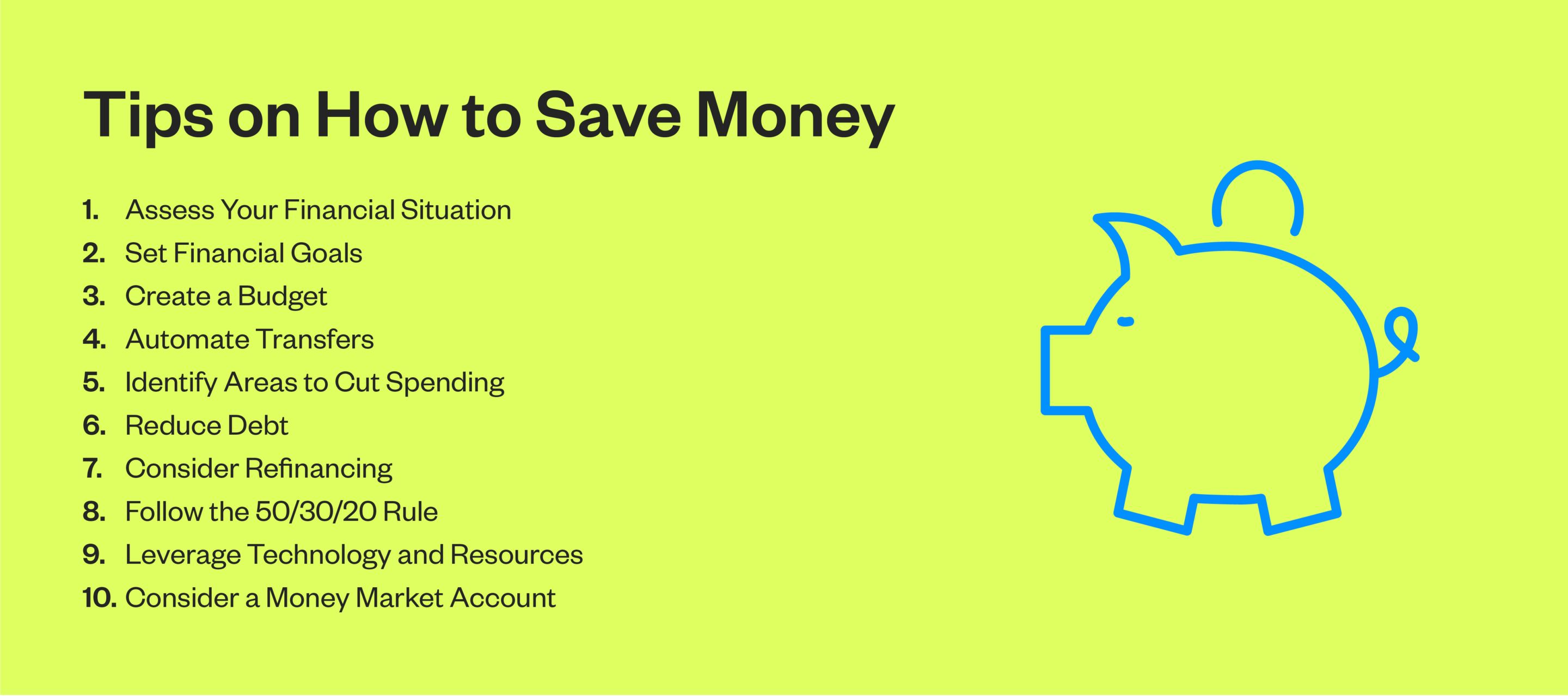
One of the most effective frameworks for personal finance is the 50/30/20 rule. This method allocates 50% of your after-tax income to “Needs” (housing, utilities, groceries), 30% to “Wants” (dining out, hobbies, entertainment), and 20% directly to “Savings and Debt Repayment.” By automating this split, you ensure that your savings goals are prioritized before you have the opportunity to overspend on non-essential items.
Zero-Based Budgeting
For those who require a more granular approach, zero-based budgeting is a powerful alternative. In this system, every single dollar of your monthly income is assigned a specific “job”—whether that is paying a bill, buying groceries, or being moved into a high-yield savings account. At the end of the month, your income minus your expenses and savings should equal zero. This method forces an awareness of small, “leaky” expenses that often go unnoticed in more relaxed systems.
Tracking and Auditing Cash Flow
To save cash effectively, you must conduct a quarterly audit of your spending. Utilizing financial tracking software or even a simple spreadsheet allows you to identify trends. Are your utility costs rising? Is your “dining out” category creeping past its 30% threshold? Data-driven decision-making is the hallmark of a professional approach to money management.
2. Auditing Recurring Expenses and Fixed Costs
Fixed costs—those bills that stay relatively the same month to month—often represent the largest drain on a household’s cash flow. While they seem “fixed,” many can be optimized or eliminated through careful negotiation and auditing.
The Subscription Economy Audit
Modern consumers are often victims of “subscription creep.” From streaming services and software licenses to gym memberships and curated monthly boxes, these small monthly charges can aggregate into hundreds of dollars in lost cash. A rigorous audit of your bank statements often reveals active subscriptions for services you no longer use. Canceling just three $15-a-month subscriptions saves $540 annually—cash that can be redirected into an emergency fund.
Negotiating Utilities and Insurance
Many consumers assume that their insurance premiums and utility rates are non-negotiable. In reality, the insurance market is highly competitive. Shopping for new car or home insurance every 12 to 18 months can result in significant savings without a reduction in coverage. Similarly, calling your internet or cellular provider to ask for “retention pricing” or “loyalty discounts” can often lower your monthly overhead by 10% to 20%.
Energy Efficiency as a Long-Term Saving Strategy
While it requires a small upfront investment, optimizing your home for energy efficiency is a strategic way to save cash over the long term. Simple actions like installing a programmable thermostat, switching to LED lighting, and ensuring proper insulation can reduce monthly utility bills by substantial margins. These savings are cumulative and tax-free, representing an immediate return on investment.
3. Strategic Lifestyle Adjustments for Immediate Savings
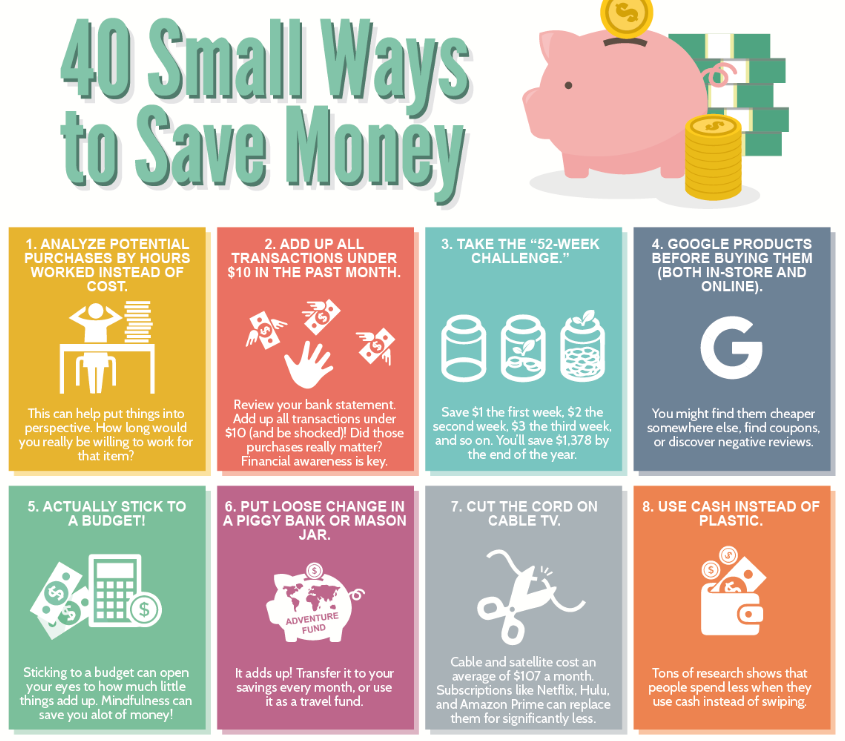
While structural changes to your budget are vital, day-to-day habits dictate the velocity at which you can accumulate cash. Adopting a “value-based spending” mindset allows you to enjoy your life while ruthlessly cutting costs on items that do not provide long-term utility.
The 24-Hour Rule for Impulse Purchases
Impulse spending is the enemy of cash retention. The “24-Hour Rule” is a psychological tool designed to interrupt the dopamine-driven cycle of unplanned purchasing. For any non-essential item over a certain threshold (e.g., $50), you must wait 24 hours before completing the purchase. In most cases, the initial urge to buy subsides, and the realization that the item is a “want” rather than a “need” becomes clear.
Optimizing Food and Household Procurement
Food is typically the third-largest expense for most households. Saving cash in this category requires a shift toward strategic procurement. This includes meal planning to reduce waste, buying non-perishable staples in bulk, and prioritizing “store brands” over name brands, which often offer the same quality at a 30% lower price point. Additionally, reducing the frequency of outsourced meals (delivery and dining out) is perhaps the fastest way to inject an extra $200–$500 into your monthly savings.
The Concept of “Delayed Gratification”
In a culture of instant delivery, the ability to delay gratification is a financial superpower. Whether it is waiting for a seasonal sale to buy clothing or keeping a vehicle for ten years instead of five, slowing down your consumption cycle keeps more cash in your accounts. This allows your money to work for you (through interest) rather than working for a retailer.
4. Leveraging Digital Tools and Banking Architecture
In the digital age, where you store your cash is just as important as how much you save. Traditional “Big Bank” savings accounts often offer negligible interest rates, meaning your cash is actually losing purchasing power due to inflation.
High-Yield Savings Accounts (HYSA)
To maximize your cash, you should utilize High-Yield Savings Accounts, often offered by online-only banks. These accounts typically offer interest rates 10 to 20 times higher than traditional brick-and-mortar institutions. By keeping your emergency fund and short-term savings in an HYSA, you allow your “idle” cash to generate passive income, effectively helping you save more through the power of compound interest.
Automating the Savings Process
The most successful savers are those who remove the element of human willpower from the equation. By setting up an automatic transfer that triggers on payday, you move money into your savings account before you ever have the chance to spend it. This “Pay Yourself First” mentality ensures that your savings goal is a fixed obligation, rather than a “leftover” priority.
Utilizing Cashback and High-Value Rewards
While credit cards can be a trap for the undisciplined, for the financially savvy, they are a tool for cash optimization. Using a cashback card for necessary expenses (like groceries and gas) and paying the balance in full every month allows you to “rebate” 2% to 5% of your annual spending back into your pocket. However, this strategy should only be employed if you have the discipline to avoid carrying a balance and incurring interest charges.
5. Scaling Your Savings: From Retention to Growth
Saving cash is the first step toward building wealth, but the ultimate goal is to move from a defensive posture (saving) to an offensive posture (investing). However, you must first ensure your “cash floor” is secure.
Building the Six-Month Emergency Fund
Before looking toward the stock market or real estate, you must build a liquid “moat” around your life. A standard recommendation is to save three to six months of essential living expenses in a liquid cash account. This fund acts as insurance against job loss, medical emergencies, or major home repairs, preventing you from having to take on high-interest debt during a crisis.
Tax-Advantaged Saving Strategies
Saving cash isn’t just about what you keep from your paycheck; it’s also about what you keep from the government. Maximize your contributions to tax-advantaged accounts like a 401(k) or an IRA. If your employer offers a “match,” that is essentially a 100% return on your money—the most effective way to “save cash” through an immediate increase in net worth.

Moving Toward a Surplus Mindset
Once your expenses are optimized and your emergency fund is full, you enter the “surplus” phase. At this point, the cash you save can be deployed into assets that appreciate over time. The transition from a consumer mindset to a saver/investor mindset is the final stage of financial maturity. By consistently living below your means and managing your cash with professional discipline, you create a cycle of wealth that grows exponentially over time.
In conclusion, saving cash is not an act of deprivation; it is an act of empowerment. By implementing a rigorous budgeting framework, auditing your recurring costs, mastering your spending psychology, and leveraging modern banking tools, you can transform your financial trajectory. The cash you save today is the freedom you buy for tomorrow.
aViewFromTheCave is a participant in the Amazon Services LLC Associates Program, an affiliate advertising program designed to provide a means for sites to earn advertising fees by advertising and linking to Amazon.com. Amazon, the Amazon logo, AmazonSupply, and the AmazonSupply logo are trademarks of Amazon.com, Inc. or its affiliates. As an Amazon Associate we earn affiliate commissions from qualifying purchases.