
In the landscape of global retail, few names are as distinctive, rhythmic, and instantly recognizable as “Lululemon.” While many corporate names are derived from Latin roots, the names of founders, or functional descriptions of the products they sell, Lululemon Athletica followed a path that was unconventional, controversial, and deeply rooted in the psychology of brand perception. To understand why it is named Lululemon is to explore a masterclass—albeit a polarizing one—in brand strategy, phonetic marketing, and the creation of a premium corporate identity.
The Origin Story: Chip Wilson and the Concept of Distinctive Branding
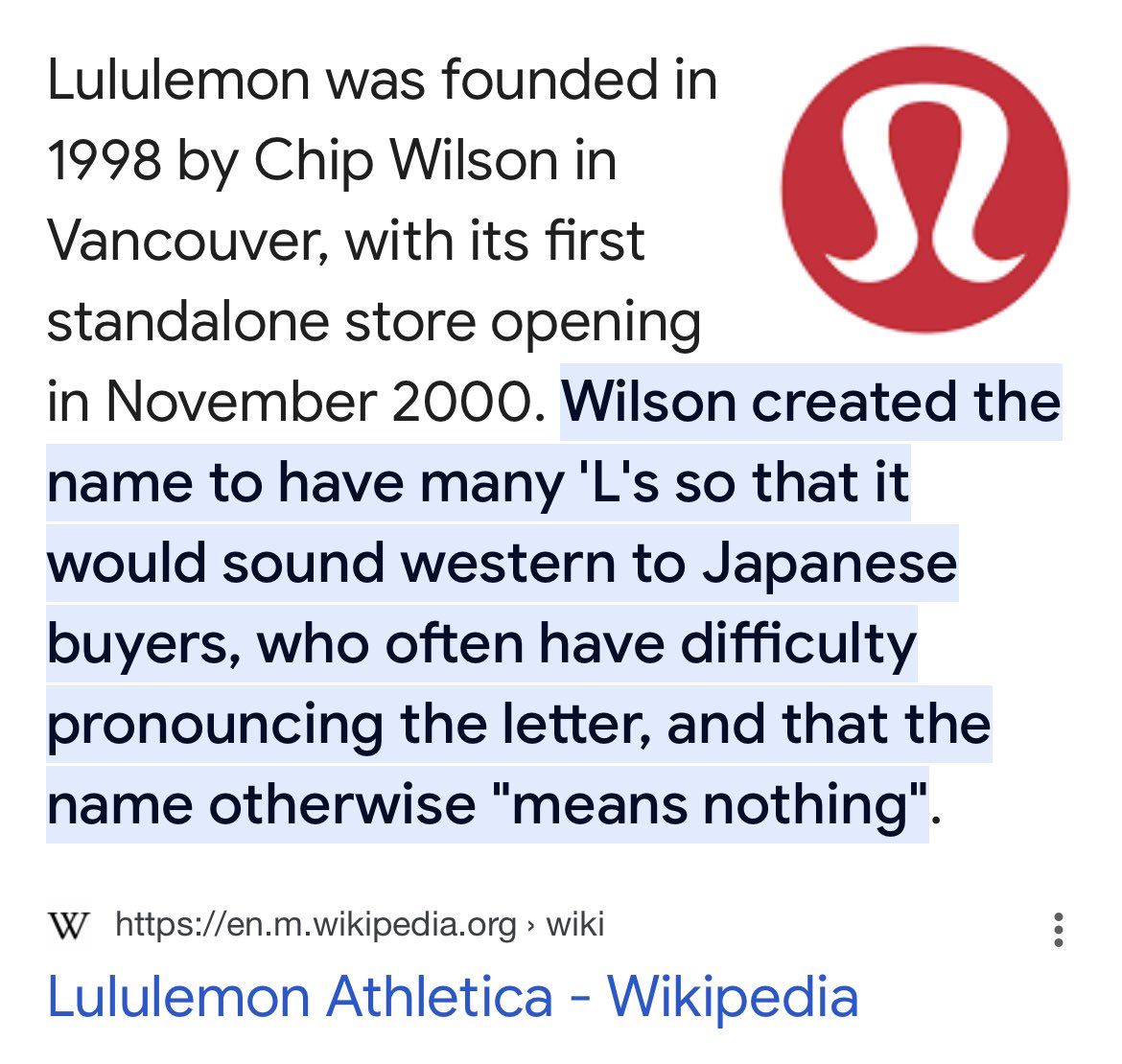
The story of the Lululemon name begins with its founder, Chip Wilson, and his observations of the Japanese market in the late 1990s. At the time, Wilson was transitioning from his previous venture, Westbeach Snowboard Ltd., into the nascent world of yoga-inspired athletic wear. His approach to naming his new brand was not based on sentimentality, but on a calculated attempt to engineer a specific market perception.

Challenging Conventions in the Athletic Market
In the late 1990s, the athletic apparel market was dominated by names that evoked speed, power, and Greek mythology—Nike, Adidas, Reebok. Wilson wanted something that felt fundamentally different. He sought a name that didn’t just label a product but created an “auditory signature.” The goal was to develop a brand that felt inherently Western and premium to a global audience. By moving away from the aggressive masculine naming conventions of the era, Wilson positioned Lululemon to capture a new demographic: the “super-girl” or the professional, health-conscious woman who valued both aesthetics and performance.
The Controversial Roots of the “L” Sound
The most debated aspect of Lululemon’s naming strategy involves Wilson’s views on phonetics and international marketing. Wilson noticed that Japanese consumers often associated the letter “L” with Western brands, largely because the sound does not exist natively in the Japanese language. In his view, a brand name with multiple “L”s would sound authentically North American and therefore command a higher price point in Asian markets.
He famously stated in interviews that he wanted to see if he could get three “L”s into a name to see if it would be difficult for Japanese speakers to pronounce, believing that the struggle to pronounce the name would actually enhance the brand’s “exotic” appeal and Western prestige. While this rationale has been criticized as culturally insensitive in retrospect, from a pure brand strategy perspective, it highlights an obsession with “phonetic distinctiveness”—the idea that how a word feels in the mouth is as important as what it means.
The Power of Phonetics in Brand Recall
From a marketing and design standpoint, the name Lululemon is a triumph of alliteration and rhythm. In brand strategy, “fluency” refers to how easily a consumer can process a name. Paradoxically, while the name was designed to be a phonetic challenge for some, for its core English-speaking market, it became a rhythmic “earworm.”
Alliteration and Oral Muscle Memory
The repetition of the “L” sound creates a playful, melodic quality. In linguistics, the letter “L” is a “liquid consonant,” which sounds soft and flowing—qualities that align perfectly with the fluid movements of yoga. This is a stark contrast to “plosive” sounds like “P,” “T,” or “K,” which feel sharp and percussive. By choosing a name dominated by liquid consonants, the brand subconsciously signaled the nature of its products: comfort, flexibility, and grace. The name Lululemon is satisfying to say; it has a bounce and a cadence that makes it stand out against more rigid corporate titles.
Creating a “Premium” Soundscape
Brand strategy often involves “sound symbolism,” where certain phonemes evoke specific traits. The “u” and “o” sounds in Lululemon are “back vowels,” which are often perceived as being larger, softer, and more luxurious than “front vowels” like the “i” in “Fit” or “Bit.” By combining these soft vowels with the rhythmic “L,” the name occupies a unique space in the consumer’s mind. It doesn’t sound like a budget brand; it sounds like a lifestyle choice. This auditory branding helped Lululemon justify its premium pricing long before customers even felt the quality of the “Luon” fabric.
Visual Identity: Translating the Name into an Icon
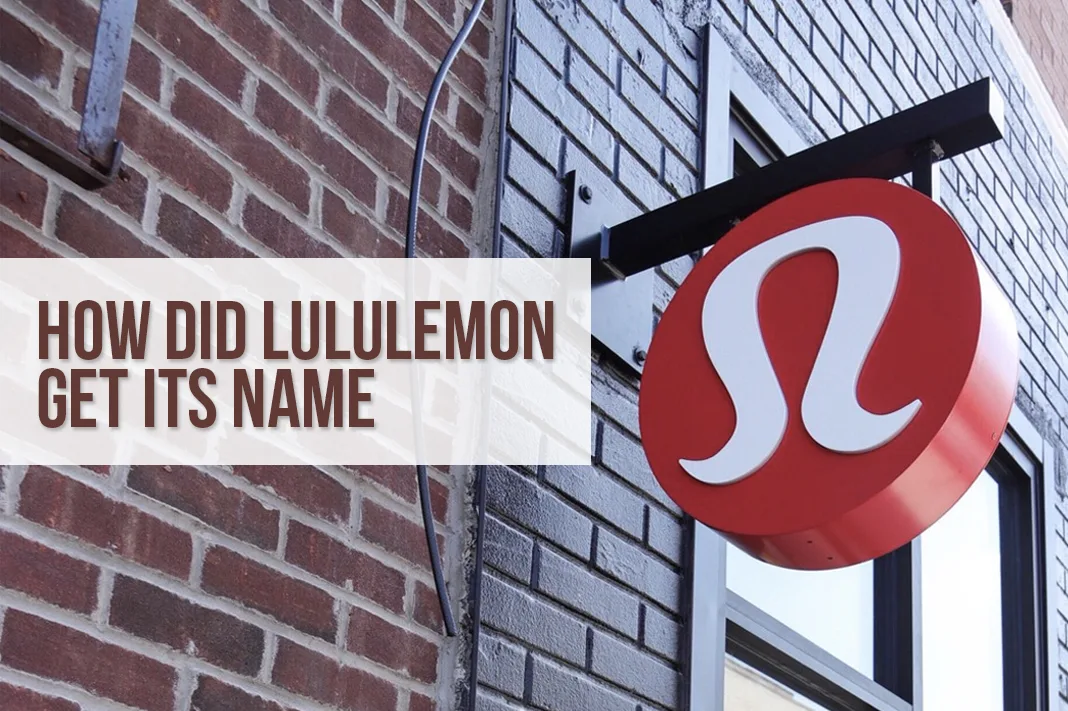
A brand name is only as strong as the visual identity that supports it. For Lululemon, the naming process was inextricably linked to the creation of its logo, which itself contains a layer of strategic mystery.
The Mystery of the Logo: It’s Not an ‘A’
One of the most common misconceptions in brand design is that the Lululemon logo is a stylized “A.” While it does look like a Greek letter Omega or a stylized hair flip, it was actually designed for a name that never made the final cut. Before “Lululemon” was chosen, the name “Athletically Hip” was in contention. The logo we see today—a stylized ‘A’—was the winning design for that defunct name.
When Wilson eventually pivoted to “Lululemon,” he decided to keep the logo because it had already tested well with focus groups. This decision is a fascinating case study in brand evolution: it shows that a visual mark can transcend its original meaning and become a symbol of community and quality, regardless of its phonetic origins. The logo has since become a “badge of belonging,” a subtle signifier of status and wellness that is instantly recognizable even without the name written beside it.
Consistency Across Touchpoints
The Lululemon brand identity is characterized by its consistency. The quirkiness of the name is balanced by the clean, minimalist aesthetic of its stores and packaging. By using a name that is essentially a “nonsense word” (it has no meaning in the dictionary), the company was able to build its own definition from scratch. Unlike a brand named “YogaGear,” which is boxed in by its own description, “Lululemon” can expand into running, swimming, and office wear without the name feeling out of place. This is the hallmark of a high-level brand strategy: creating a vessel that is unique enough to be remembered but empty enough to be filled with evolving meaning.
Navigating Controversy and Rebranding the Narrative
No brand exists in a vacuum, and the story of Lululemon’s name is a reminder that brand origins can sometimes become a liability. As the company grew into a multi-billion-dollar global powerhouse, the founder’s original comments regarding the name’s phonetic difficulty became a point of contention.
Addressing the Founder’s Legacy
In the modern era of corporate social responsibility, the “why” behind a brand name matters to consumers. Chip Wilson’s eventual departure from the company allowed the brand to distance itself from the controversial aspects of its naming origin. From a brand management perspective, Lululemon successfully navigated this transition by shifting the focus from the founder’s personal anecdotes to the brand’s community-centric mission. They transformed “Lululemon” from a phonetic experiment into a symbol of the “The Sweatlife”—a holistic approach to health and mindfulness.
Community-Led Brand Evolution
Modern Lululemon branding focuses heavily on inclusivity and empowerment. The name has been reclaimed by the community it serves. To the millions of “ambassadors” and loyal customers, the name no longer evokes the phonetic theories of the 1990s; it evokes a specific feeling of high-performance fabric and aspirational lifestyle. This demonstrates the power of “Brand Equity”: over time, the actions of the company and the quality of the product can redefine a name, moving it past its historical baggage and into a new era of consumer trust.
Lessons in Modern Brand Strategy
The naming of Lululemon offers several critical lessons for brand strategists and entrepreneurs looking to create a lasting corporate identity.
Scalability and Global Appeal
While the name was originally designed with a specific (and controversial) international lens, its success proves that a name does not need to be “functional” to be effective. In fact, functional names (like “The Yoga Mat Company”) are often difficult to trademark and even harder to scale. Lululemon’s name is entirely “fanciful” in the eyes of trademark law, giving it the highest level of legal protection. This uniqueness allowed the brand to scale globally without running into naming conflicts in different jurisdictions.
From Name to Lifestyle
The ultimate goal of brand strategy is to turn a name into a verb or a lifestyle. Lululemon achieved this by ensuring that the name was backed by a cult-like community experience. The “Why” of the name became less important than the “Who” of the brand. By focusing on the “Super-Girl” persona and later expanding to the modern “Global Citizen,” the brand proved that a name—no matter how it was conceived—can become a powerful engine for growth if it is supported by a clear vision and a superior product.
In conclusion, Lululemon is named the way it is because of a deliberate, albeit provocative, strategy to create a Western-sounding, phonetically distinct, and premium-feeling brand. While its origins are rooted in the controversial theories of its founder, its legacy is defined by its ability to transcend those origins. Today, the name stands as a testament to the power of phonetic branding and the ability of a well-executed corporate identity to shape an entire industry. It reminds us that in the world of branding, how you say it is often just as important as what you are saying.
aViewFromTheCave is a participant in the Amazon Services LLC Associates Program, an affiliate advertising program designed to provide a means for sites to earn advertising fees by advertising and linking to Amazon.com. Amazon, the Amazon logo, AmazonSupply, and the AmazonSupply logo are trademarks of Amazon.com, Inc. or its affiliates. As an Amazon Associate we earn affiliate commissions from qualifying purchases.