
For the vast majority of households, a vehicle is the second-largest purchase they will ever make, trailing only the acquisition of a home. Yet, while real estate is generally viewed as an appreciating asset, a car is a textbook example of a depreciating one. Understanding “how much car value” you truly possess—and how that value fluctuates over time—is a fundamental pillar of personal finance.
In the world of money management, a vehicle should not be viewed merely as a mode of transportation, but as a complex financial instrument. Its value affects your net worth, your borrowing power, and your long-term liquidity. This guide explores the financial mechanics of car valuation, providing the insight needed to treat your vehicle as a strategic asset rather than a sunk cost.
The Mechanics of Depreciation: Understanding Your Asset’s Erosion
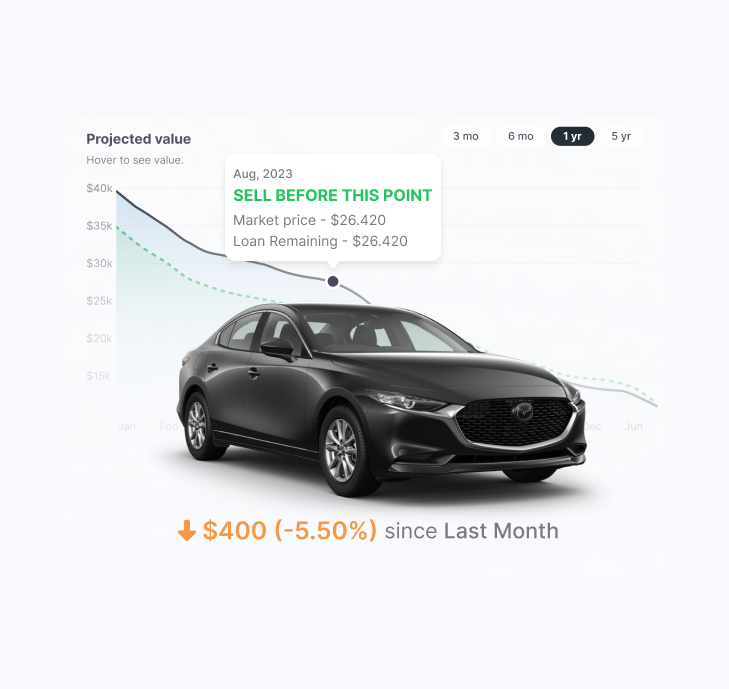
Depreciation is the silent predator of personal wealth. From a financial perspective, the moment a new car is driven off the dealership lot, it undergoes a transformation from a retail product to a used commodity. This transition usually results in an immediate loss of 10% to 20% of the vehicle’s value.
The New Car Cliff and the Five-Year Rule
The most aggressive stage of depreciation occurs within the first twelve months of ownership. On average, a new car will lose approximately 20% of its value in its first year. Over the subsequent four years, it continues to lose roughly 15% of its remaining value annually. By the end of five years, a vehicle is typically worth only 40% to 60% of its original purchase price. For the savvy investor, understanding this “cliff” is essential; it explains why purchasing a “nearly new” vehicle (2–3 years old) is often a superior financial move, as the previous owner has already absorbed the steepest part of the depreciation curve.
Factors Influencing Residual Value
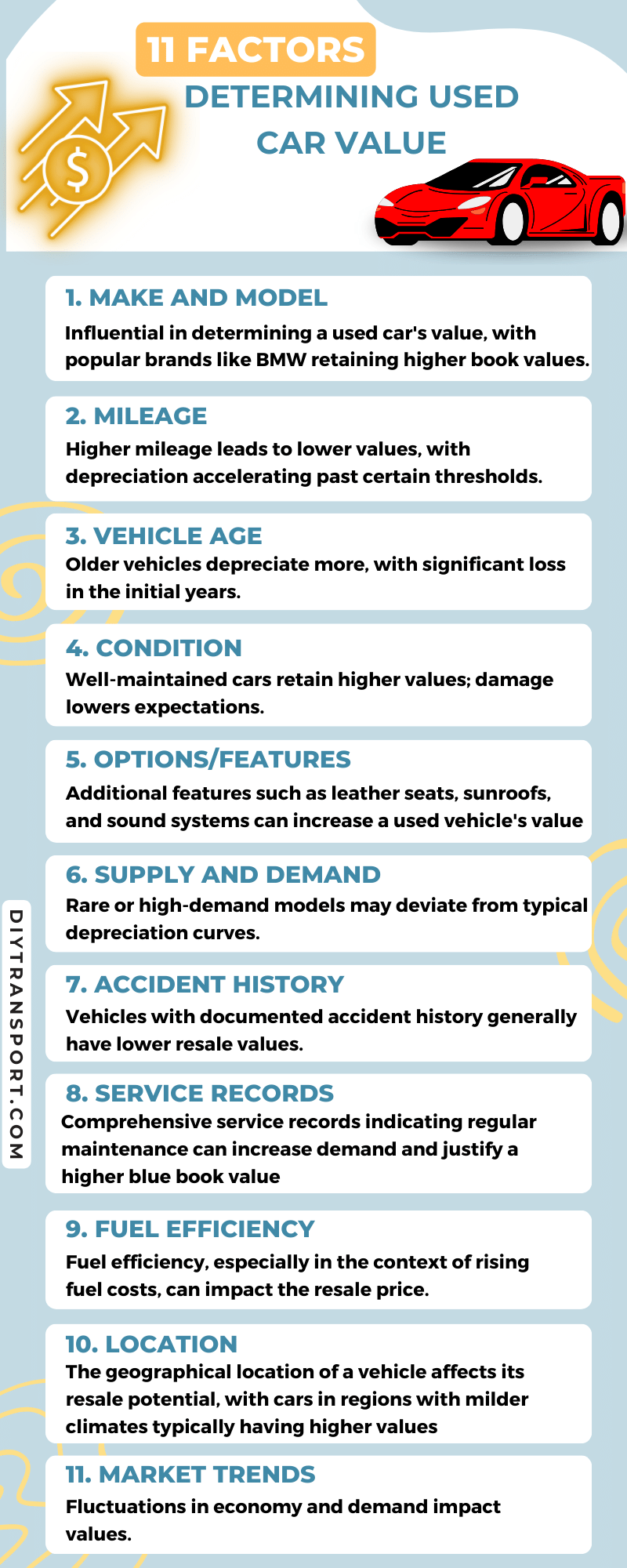
Not all cars lose value at the same rate. “Residual value” is the term used by financial institutions and leasing companies to describe what a car will be worth at the end of a specific period. Several factors dictate this:
- Brand Reliability: Brands with high-reliability ratings (such as Toyota or Honda) tend to hold their value better because they remain viable for longer on the secondary market.
- Market Demand: Trends fluctuate. If fuel prices rise, fuel-efficient hybrids see an increase in residual value, while gas-heavy SUVs may see a sharp decline.
- Maintenance History: A vehicle with a documented, professional service history is worth significantly more than an identical model with no records. In the eyes of a buyer, a paper trail is a form of insurance.
Valuation Methodologies: How the Market Decides What Your Car is Worth
Determining “how much car value” exists in your driveway requires looking beyond the emotional attachment you may have to the vehicle. The market is indifferent to your memories; it cares only about data. To manage your finances effectively, you must understand the three primary valuation tiers.
Online Appraisal Tools and Blue Book Value
The most common starting point for valuation is using industry-standard databases such as Kelly Blue Book (KBB), Edmunds, or NADA. These tools aggregate millions of data points from auctions and dealership sales to provide an “estimated” value. However, it is important to distinguish between “Retail Value” (what a dealer sells it for) and “Trade-in Value” (what a dealer will pay you). The spread between these two figures represents the dealer’s profit margin and overhead. For your personal net worth calculations, the Trade-in or Private Party value is a more accurate representation of liquid wealth.
Private Sale vs. Trade-In Value: The Convenience Tax
When it comes to liquidating your asset, you face a trade-off between time and money. Selling a car privately usually yields 10% to 20% more than a dealership trade-in. From a financial perspective, the extra money earned from a private sale can be viewed as “income” generated by your labor in marketing and showing the car. Conversely, trading a car in at a dealership is a “convenience tax.” You accept a lower price to avoid the hassle. However, in many jurisdictions, trading in a car provides a tax advantage; the value of your trade-in is subtracted from the price of your new car before sales tax is calculated, which can narrow the gap between the two options.
The Impact of Modern Market Volatility
The traditional rules of car valuation were disrupted by recent global supply chain issues. For the first time in decades, some used cars actually appreciated in value or held steady. While the market is normalizing, the lesson remains: car value is sensitive to interest rates and new car inventory levels. High interest rates decrease consumer buying power, which can drive down the value of used cars as demand softens.

Strategic Timing: When to Sell or Trade for Maximum Financial Efficiency
One of the most critical financial decisions an owner faces is deciding when to exit a vehicle investment. Holding a car too long can lead to “the repair trap,” where the cost of maintenance exceeds the value of the vehicle. Selling too early, however, keeps you trapped in a cycle of high depreciation and perpetual monthly payments.
The Sweet Spot (3 to 5 Years)
For those who prefer to always have a relatively modern vehicle, the “sweet spot” for selling is usually between years three and five. At this stage, the car is often still under some form of warranty (or has just exited it), has reasonable mileage, and still possesses a high enough residual value to serve as a significant down payment for the next asset. Financially, this minimizes the “out-of-pocket” expense for your next vehicle while avoiding the most expensive mechanical failures.
The Mileage Milestones and the 100,000-Mile Psychological Barrier
In the used car market, certain numbers act as psychological barriers for buyers. The most significant is 100,000 miles. Once a car crosses this threshold, its pool of potential buyers shrinks, and many lenders will no longer provide traditional financing for it. Consequently, the value of the car takes a sharper dip. If you are planning to sell, doing so at 90,000 to 95,000 miles is often more financially prudent than waiting until the odometer hits six figures.
Calculating the Total Cost of Ownership (TCO)
To truly understand your car’s value, you must look at the Total Cost of Ownership. This includes insurance, fuel, repairs, and depreciation. If your annual repair costs plus the annual depreciation are higher than the annual cost of financing a newer, more reliable vehicle, your current car has become a financial liability. Tracking these numbers allows you to make an objective, math-based decision rather than an emotional one.
Protecting Your Asset’s Value: Financial Security Through Maintenance
Since you cannot stop depreciation, your goal as a financial manager is to slow it down. The condition of your asset directly correlates to its eventual liquidation value.
Maintenance Documentation as Financial Security
In the world of personal finance, documentation is everything. A vehicle with a folder full of receipts for every oil change, brake job, and tire rotation commands a premium. It provides “social proof” to the next buyer that the asset has been de-risked. This can often result in a sale price $1,000 to $2,000 higher than a “naked” vehicle with no history. In this sense, the time spent filing a receipt is one of the highest hourly rates you can earn.
Cosmetic Upkeep and Reconditioning
The “curb appeal” of a car is not just about vanity; it is about protecting the asset’s “Grade.” Professional detailing, fixing minor paint chips, and ensuring the interior is free of odors can yield a massive Return on Investment (ROI). A $200 professional detail can easily add $500 to $1,000 to the asking price. From a money-management perspective, these are low-cost “reconditioning” steps that maximize the final payout of the asset.
Conclusion: Integrating Car Value into Your Financial Portfolio
Ultimately, “how much car value” you have is a moving target. By treating your vehicle as a depreciating financial asset rather than a permanent possession, you can make better decisions about when to buy, how to maintain, and when to sell.
Smart money management involves minimizing losses. Since you cannot avoid depreciation entirely, you must manage it through strategic purchasing (buying used or high-residual brands), meticulous record-keeping, and selling at the right psychological and mechanical milestones. When you stop looking at your car as a “ride” and start looking at it as a line item on your balance sheet, you take a significant step toward long-term financial stability. Keep your eye on the data, watch the market trends, and always be aware of the “exit price” of your asset.
aViewFromTheCave is a participant in the Amazon Services LLC Associates Program, an affiliate advertising program designed to provide a means for sites to earn advertising fees by advertising and linking to Amazon.com. Amazon, the Amazon logo, AmazonSupply, and the AmazonSupply logo are trademarks of Amazon.com, Inc. or its affiliates. As an Amazon Associate we earn affiliate commissions from qualifying purchases.