
Market crashes are often perceived as sudden, chaotic events that appear out of thin air, leaving investors scrambling to protect their portfolios. When the “sea of red” hits the trading screens, the immediate question is always: Why did the market crash today? While the catalyst may sometimes be a single headline, a market downturn is usually the result of a complex interplay between economic data, geopolitical shifts, and human psychology.
Understanding these mechanisms is essential for any investor looking to navigate the volatile world of finance. To move past the initial panic, one must dissect the structural and fundamental reasons why valuations occasionally plummet.

1. Identifying the Immediate Catalysts: The “Spark” in the Powder Keg
Every market crash has a trigger. While underlying tensions may build up for months, a specific event usually acts as the tipping point that sends indices like the S&P 500 or the Dow Jones Industrial Average into a downward spiral.
Economic Indicators and Surprise Data Points
The most common cause of an immediate sell-off is the release of economic data that misses expectations. Investors price stocks based on future earnings and economic stability. If the Labor Department releases a jobs report showing higher-than-expected unemployment, or if the Consumer Price Index (CPI) shows that inflation is stickier than anticipated, the market reacts instantly. This “shock” to the system forces institutional investors to re-evaluate their risk models, often leading to a massive exit from equities into “safe-haven” assets like gold or treasury bonds.
Geopolitical Tensions and Global Instability
In our interconnected global economy, a conflict in one part of the world can disrupt supply chains and energy prices thousands of miles away. Whether it is a trade war between major superpowers, an escalation of military conflict in oil-rich regions, or sudden regulatory crackdowns in major markets, geopolitical uncertainty is a primary driver of market crashes. Uncertainty is the enemy of the stock market; when the future becomes unpredictable, the default reaction for many is to sell first and ask questions later.
Corporate Earnings and Forward Guidance
Sometimes, the crash isn’t caused by the government, but by the engines of the economy themselves. During earnings season, if “bellwether” companies—the giants that represent their entire sectors—report poor profits or, more importantly, issue weak guidance for the future, it can drag down the entire market. When a trillion-dollar company signals that consumer spending is slowing down, investors extrapolate that data across the whole economy, leading to a broad sell-off.
2. Macroeconomic Shifts: The Role of Central Bank Policy
Beyond the daily headlines, the broader movements of the market are dictated by the “cost of money.” This is where central banks, such as the Federal Reserve in the United States, play a pivotal role.
The Impact of Interest Rates
Interest rates are perhaps the most powerful lever in finance. When the Federal Reserve raises interest rates to combat inflation, it becomes more expensive for companies to borrow money to expand. Higher rates also mean that future corporate earnings are worth less in today’s dollars when discounted back. For the individual investor, higher rates make “risk-free” assets like savings accounts and bonds more attractive compared to “risky” stocks. When the Fed signals a “hawkish” stance (meaning they will keep rates high for longer), the stock market often reacts with a sharp decline.
Quantitative Tightening and Liquidity
During times of economic crisis, central banks often engage in “Quantitative Easing” (QE), essentially pumping liquidity into the financial system. However, when the economy overheats, they must do the opposite: “Quantitative Tightening” (QT). By removing liquidity from the system, there is less “easy money” available to flow into the stock market. This reduction in the money supply can lead to a “liquidity crunch,” where there are more sellers than buyers, causing prices to drop rapidly.
The Inflationary Pressure
Inflation erodes the purchasing power of consumers and increases the input costs for businesses. When inflation runs too high, profit margins are squeezed. If companies cannot pass these costs on to consumers, their stock prices suffer. Persistent inflation also forces central banks to stay aggressive with interest rates, creating a double-whammy of high costs and high borrowing rates that historically precedes many market corrections.
3. The Role of Investor Psychology and Behavioral Finance
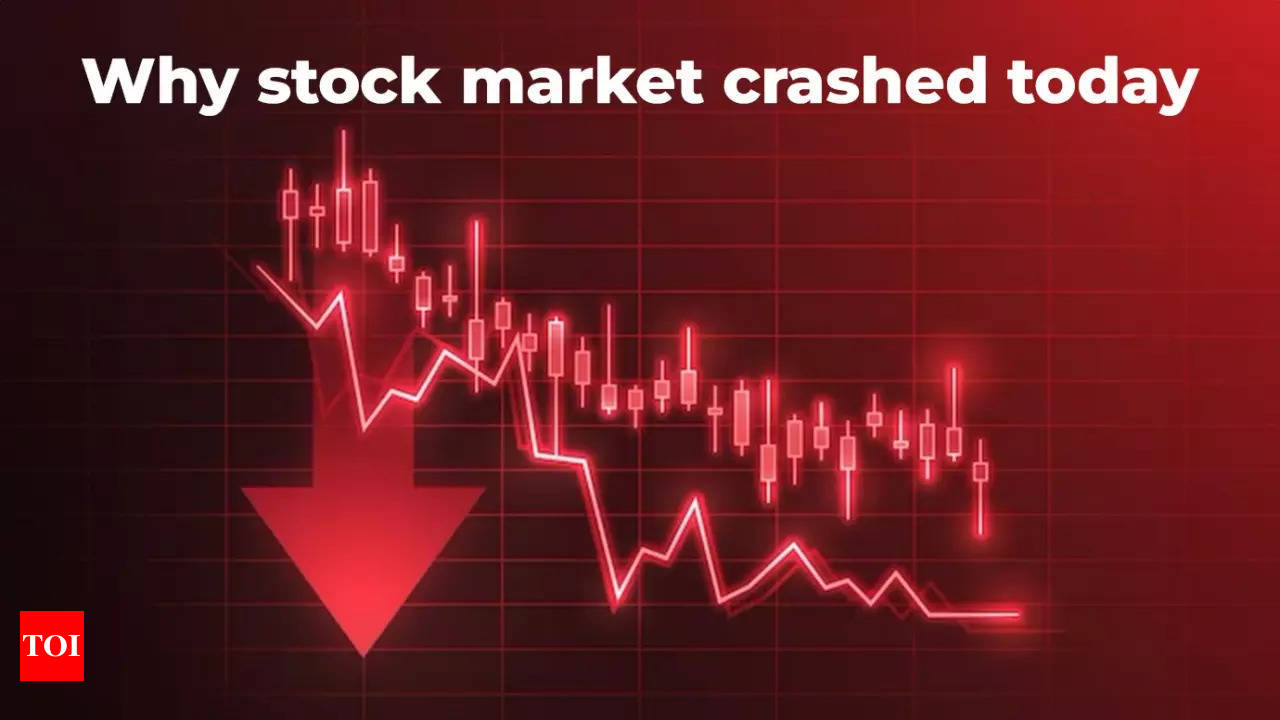
The market is not just a collection of numbers; it is a collection of humans (and the algorithms humans create). Fear and greed are the two primary emotions that drive market cycles.
The Domino Effect of Panic Selling
Market crashes are often exacerbated by the “herd mentality.” When prices start to dip, fear takes over. Investors who were previously confident in their long-term strategy may see their gains evaporating and decide to sell to “lock in” what is left. This creates a feedback loop: selling leads to lower prices, which triggers more fear, which leads to more selling. This emotional contagion can turn a minor 2% dip into a 5% or 10% crash within a single trading session.
Algorithmic Trading and High-Frequency Triggers
In the modern era, a significant portion of trading is done by computers. High-frequency trading (HFT) systems are programmed to execute trades based on specific technical triggers. If a stock falls below a certain “support level” or a moving average, thousands of algorithms may trigger “sell” orders simultaneously. These automated systems can move faster than any human, accelerating a market decline in a matter of seconds. This phenomenon, often called a “flash crash,” highlights how technology can amplify volatility in the financial markets.
The Margin Call Trap
Many professional and retail investors trade on “margin,” which means they borrow money from their brokerage to buy more stocks. When the market crashes, the value of their collateral (the stocks) drops. Brokerages then issue “margin calls,” demanding that the investor deposit more cash or sell their positions immediately. This forced selling adds even more downward pressure on the market, as investors are required to dump shares regardless of whether they believe in the company’s long-term value.
4. Lessons from History: Putting Downturns in Perspective
While today’s crash may feel unprecedented, history shows that market volatility is a feature, not a bug, of the financial system. Understanding the difference between a temporary dip and a structural collapse is vital for long-term success.
Correction vs. Bear Market
Financial experts distinguish between various levels of market declines. A “correction” is typically defined as a 10% drop from recent highs, while a “bear market” is a 20% or more decline. Corrections are actually quite common and are often viewed as a “healthy” way for the market to blow off steam after a period of overvaluation. Knowing that corrections happen almost every year can help investors maintain their composure when the market turns red.
Historical Recoveries and the “Long Game”
From the Great Depression and the 2008 Financial Crisis to the COVID-19 crash of 2020, the stock market has a 100% success rate in recovering from crashes and reaching new all-time highs. While the “crash today” feels painful, it is often a small blip on a 10- or 20-year chart. History teaches us that the greatest wealth is often built by those who have the stomach to stay invested—or even buy more—when everyone else is panicking.
5. Strategies for Navigating a Market Crash
When the market crashes, the most important thing an investor can do is avoid making permanent decisions based on temporary emotions. A disciplined approach to personal finance and investing is the best defense against volatility.
The Power of Diversification
A well-diversified portfolio is the best insurance policy against a market crash. If your entire net worth is in a single sector—such as high-growth tech stocks—a crash in that sector will be devastating. However, by spreading investments across different asset classes (stocks, bonds, real estate) and different sectors (healthcare, consumer staples, utilities), you can cushion the blow. Defensive sectors like utilities often hold their value better during a crash because people still need to pay for electricity and water regardless of what the stock market is doing.
Dollar-Cost Averaging (DCA)
One of the most effective ways to handle a crash is to use the “Dollar-Cost Averaging” strategy. By investing a fixed amount of money at regular intervals, you automatically buy more shares when prices are low and fewer shares when prices are high. For a long-term investor, a market crash is actually an opportunity to “lower your cost basis.” Instead of viewing a crash as a loss of wealth, try viewing it as a “clearance sale” on the world’s best companies.
Re-evaluating Risk Tolerance
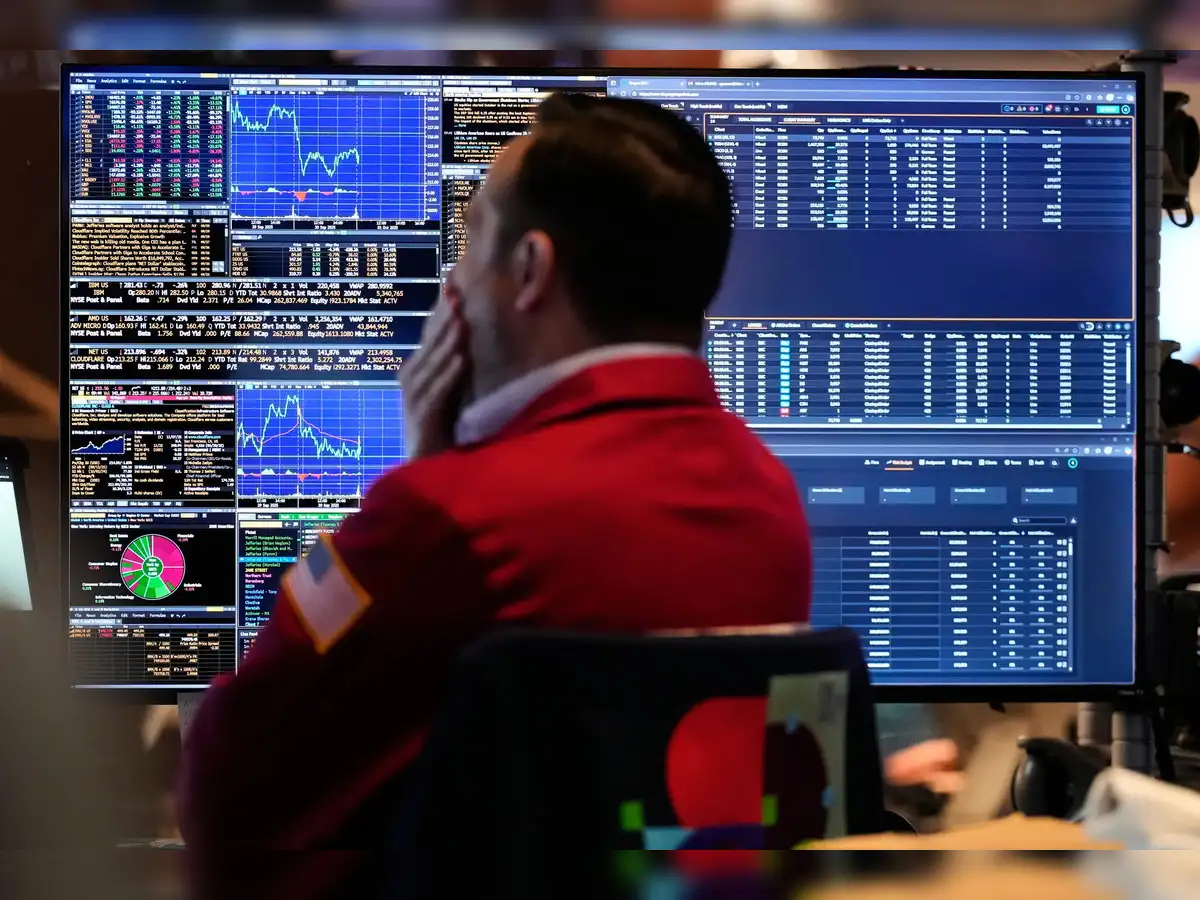
A market crash is the ultimate “stress test” for your investment strategy. If you find yourself unable to sleep or constantly checking your brokerage app during a downturn, it may be a sign that your portfolio is too aggressive for your actual risk tolerance. Use this time to reflect. Once the market stabilizes, it might be wise to rebalance your portfolio to include more conservative assets, ensuring that you can stay the course during the next inevitable period of volatility.
In conclusion, while the question “why did the market crash today” often has a specific answer involving interest rates, inflation, or geopolitical news, the broader answer is that markets are living, breathing entities. They breathe in (growth) and they breathe out (corrections). By understanding the mechanics of these shifts, you can move from a place of fear to a place of strategic advantage, securing your financial future regardless of today’s market headlines.
aViewFromTheCave is a participant in the Amazon Services LLC Associates Program, an affiliate advertising program designed to provide a means for sites to earn advertising fees by advertising and linking to Amazon.com. Amazon, the Amazon logo, AmazonSupply, and the AmazonSupply logo are trademarks of Amazon.com, Inc. or its affiliates. As an Amazon Associate we earn affiliate commissions from qualifying purchases.