
In the hyper-competitive world of aviation, the question of “what is the best flight company” is rarely answered by a simple look at ticket prices or flight durations. To a traveler, the “best” airline is an emotional and functional preference; to a business analyst, it is a masterclass in brand strategy. The airline industry is one of the most volatile sectors in the global economy, characterized by high overhead, razor-thin margins, and external shocks. In this environment, the companies that thrive are those that have moved beyond being mere transportation providers to become iconic brands.
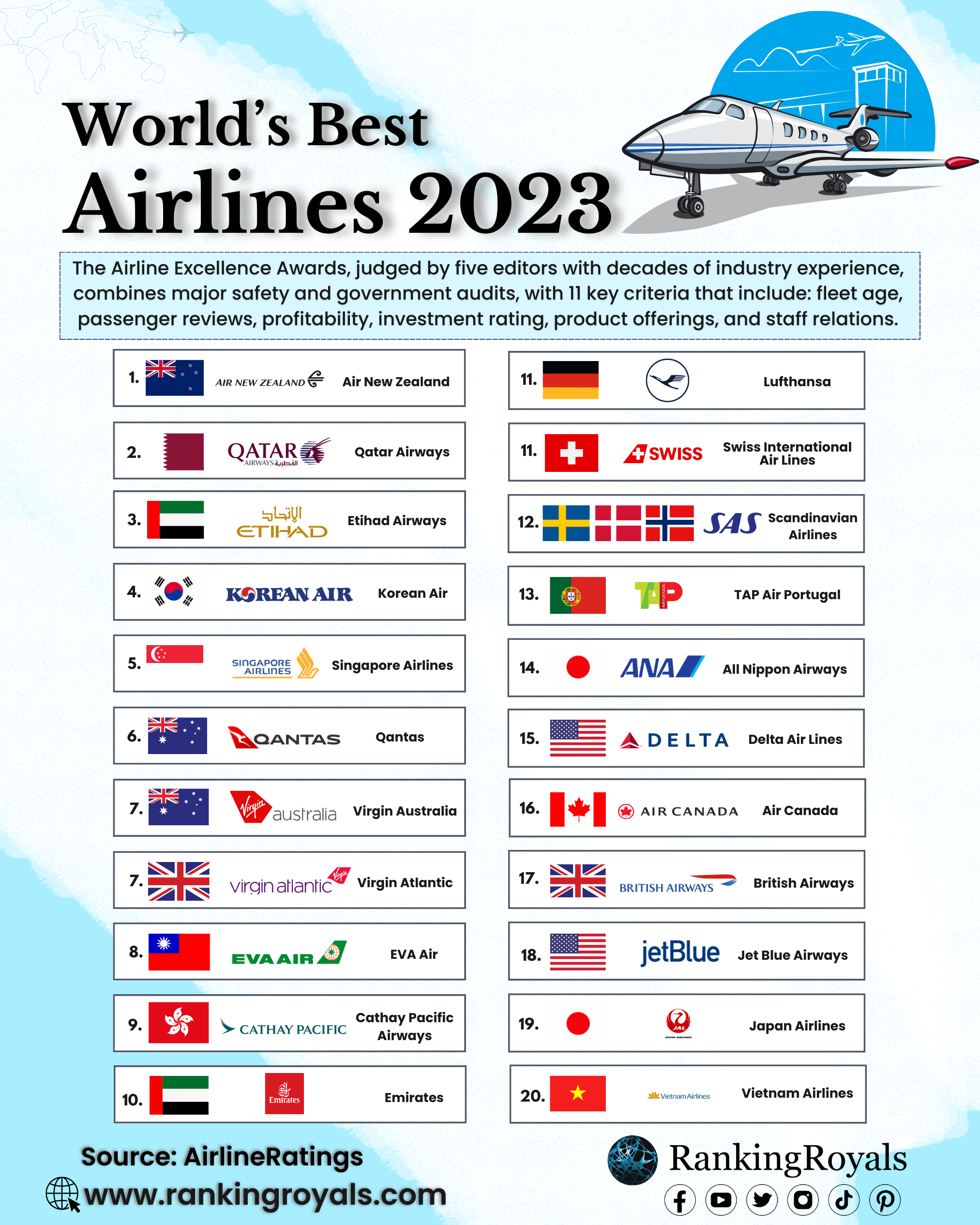
A brand is not just a logo on a tailfin; it is a promise of a specific experience. Whether it is the opulence of a Middle Eastern carrier or the rugged reliability of a budget disruptor, the “best” flight company is defined by its ability to execute a cohesive brand strategy that resonates with its target demographic.
The Anatomy of an Elite Airline Brand
When we evaluate why certain airlines consistently top the “World’s Best” lists, we are looking at the successful integration of visual identity, service culture, and sensory branding. These elements work in tandem to create a “brand universe” that begins the moment a passenger opens an app and ends long after they have left the terminal.
Visual Identity and Sensory Branding
The most successful airlines understand that branding is a multi-sensory experience. Qatar Airways and Singapore Airlines, for instance, utilize specific color palettes—deep burgundies and subtle gold accents—to evoke a sense of royalty and exclusivity. However, the brand extends beyond the visual. Leading carriers employ “signature scents” in their cabins and lounges to create a subconscious Pavlovian response in frequent flyers. This olfactory branding ensures that the moment a passenger steps on board, they feel “at home,” reinforcing brand loyalty through sensory comfort.
Customer Experience as a Brand Promise
In the branding niche, “customer service” is rebranded as “brand delivery.” For a company like Delta Air Lines, the brand strategy has shifted toward reliability and “premium-ness.” Their promise is not just to fly you from point A to point B, but to do so with a level of operational excellence that minimizes stress. When an airline makes “reliability” its brand pillar, every on-time departure is a successful marketing campaign, and every delay is a brand failure. This alignment of operational KPIs (Key Performance Indicators) with brand promises is what separates the industry leaders from the laggards.
Strategic Differentiation: How Top Carriers Win Market Share
The aviation market is segmented into distinct niches: luxury, value, and utility. The “best” company in one niche would be a failure in another. Strategic differentiation is the process by which an airline carves out a unique space in the consumer’s mind, ensuring they aren’t just competing on price, but on value.
The Luxury Positioning of Middle Eastern Carriers
Emirates and Etihad have redefined the “best” through a strategy of aspirational branding. By investing heavily in “First Class Suites” and onboard showers, they have positioned themselves as lifestyle brands rather than transport companies. Their marketing strategy doesn’t focus on the mechanics of flight; it focuses on the glamor of the destination and the indulgence of the journey. This high-end positioning allows them to command a price premium and builds a “halo effect,” where even economy passengers feel they are part of a more prestigious ecosystem.
The Efficiency and Transparency of Low-Cost Disruptors
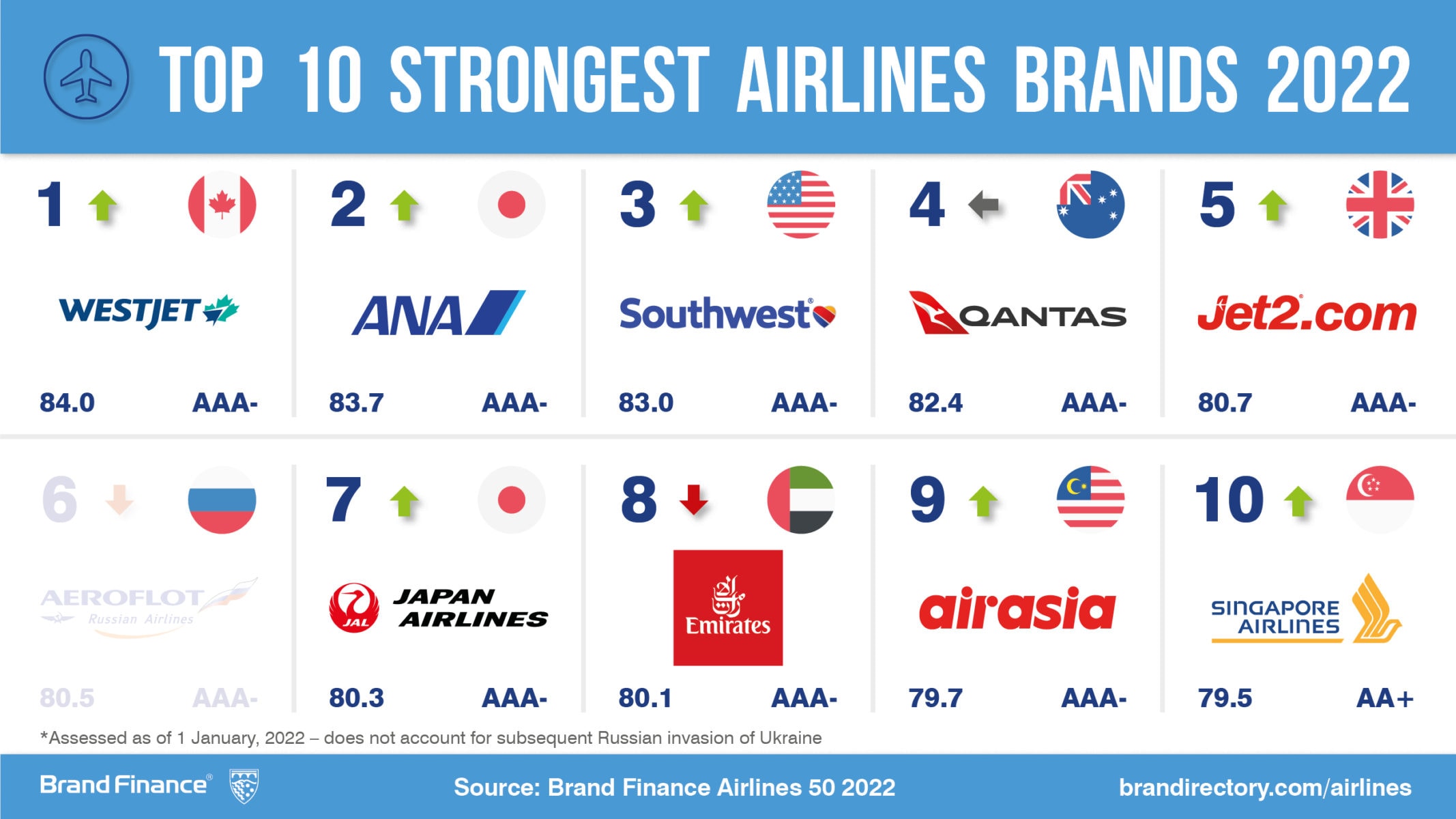
Conversely, brands like Southwest Airlines or Ryanair have achieved “best-in-class” status by leaning into a completely different brand identity: the “No-Frills Champion.” Their brand strategy is built on transparency and democratization. By stripping away the “luxury” facade, they position themselves as the honest, efficient choice for the pragmatic traveler. Southwest, in particular, has utilized “Transfarency” as a core marketing pillar, promising no hidden fees. In this context, being the “best” means being the most honest and accessible, proving that a strong brand doesn’t always require a caviar service.
Loyalty Programs: Engineering Emotional and Functional Retention
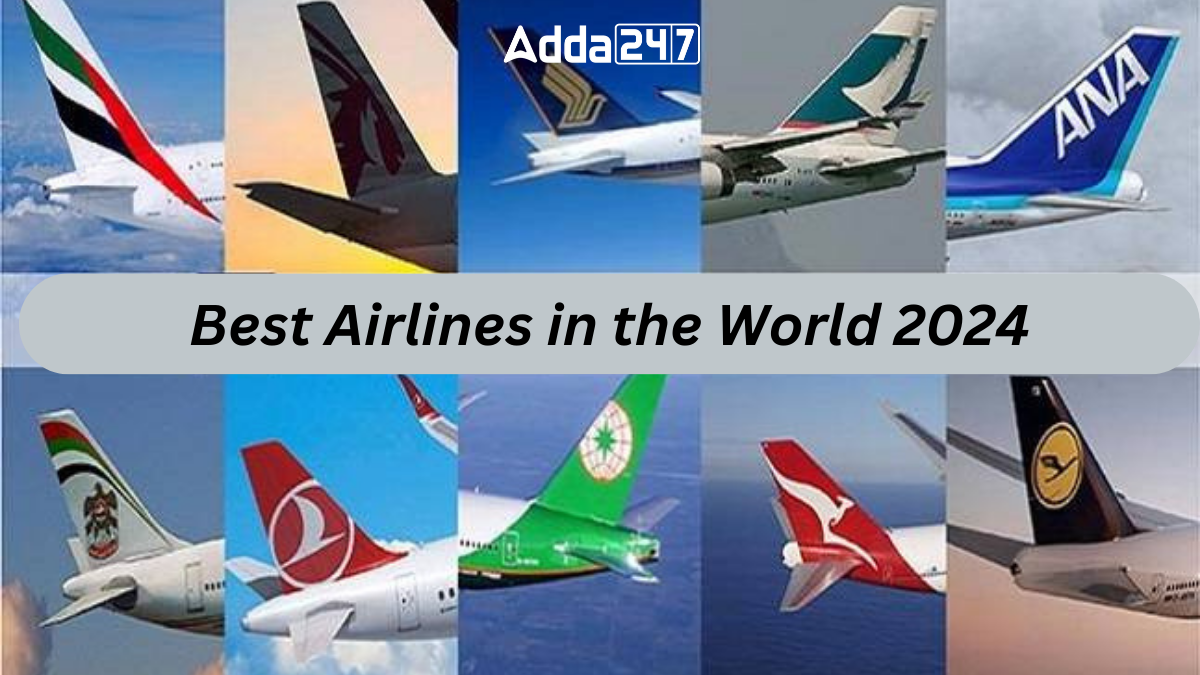
In brand strategy, it is well-known that retaining an existing customer is significantly cheaper than acquiring a new one. For airlines, the “best” company is often the one with the most sophisticated loyalty ecosystem. These programs are the glue that binds a consumer to a brand, transforming a one-time flyer into a lifelong advocate.
Gamification and Status Tiers
Modern airline loyalty programs are masterclasses in behavioral psychology and branding. By creating tiers—Silver, Gold, Diamond—airlines tap into the human desire for status and recognition. This “gamification” of travel ensures that a passenger will often pay a higher fare just to stay within their brand ecosystem. The “best” flight company, therefore, is the one that makes its customers feel like “insiders.” The brand value here isn’t just the flight; it’s the lounge access, the priority boarding, and the social currency that comes with an elite frequent flyer card.
Ecosystem Partnerships and Brand Extensions
The reach of an airline brand today extends far beyond the aircraft. Through co-branded credit cards, hotel partnerships, and retail tie-ins, airlines like United or Lufthansa have turned their brands into financial platforms. When a consumer uses a branded credit card for their daily coffee, they are interacting with the airline’s brand. This constant touchpoint reinforces brand salience, ensuring that when it comes time to book a flight, the “best” company is the one that is already integrated into the consumer’s financial life.
Reputation Management in the Digital Age
In the era of social media, a brand’s reputation can be dismantled by a single viral video. The “best” flight companies are those that have robust frameworks for crisis communication and brand recovery. Branding is not just about what you say when things are going well; it is about how you behave when things go wrong.
Crisis Communication and Rebuilding Trust
When technical glitches or weather events cause mass cancellations, the brand is under fire. Companies like JetBlue have historically used these moments to reinforce their “human” brand by offering radical transparency and immediate apologies. A brand that takes accountability often emerges stronger than one that hides behind legalistic jargon. The “best” airlines view a crisis as an opportunity to demonstrate their brand values—empathy, efficiency, and resilience.
Social Media Presence and Brand Humanization
The shift from corporate broadcasting to two-way conversation has changed airline branding. The “best” companies today use social media not just for promotions, but to humanize their brand. Whether it is a witty retort from a social media manager or behind-the-scenes footage of pilots and ground crew, humanization builds a bridge of trust. By showcasing the people behind the machine, airlines move from being “faceless corporations” to “trusted travel partners.”
The Future of Airline Branding: Sustainability and Personalization
As we look toward the next decade, the definition of the “best” flight company is shifting toward two new pillars: environmental responsibility and hyper-personalization.
The “Green” Brand Narrative
With the rise of “flight shaming” and increased environmental awareness, the “best” airline will soon be the one that can authentically claim the mantle of sustainability. This is a massive branding challenge, as aviation is inherently carbon-intensive. Carriers that invest in Sustainable Aviation Fuel (SAF) and carbon-offset transparency are not just doing it for the planet; they are doing it to protect their brand equity. The “best” airline of 2030 will likely be the one that successfully navigates the transition to a “net-zero” brand identity.
Hyper-Personalization through Data-Driven Insights
Finally, the “best” flight company will be the one that knows its passengers best. Through the use of AI and big data, airlines are beginning to offer “segment-of-one” marketing. Imagine an airline that knows you prefer a window seat, a specific type of meal, and a certain genre of movies, and has them ready for you before you even ask. This level of personalization is the ultimate brand move; it makes the service feel bespoke rather than mass-produced.
In conclusion, the “best” flight company is not a fixed entity. It is a title won daily through strategic branding, consistent service delivery, and the ability to adapt to the evolving values of the global traveler. Whether through the lens of luxury, efficiency, or sustainability, the leaders in this space are those who understand that they are not just flying planes—they are managing one of the most complex and emotional brand relationships in the modern world.
aViewFromTheCave is a participant in the Amazon Services LLC Associates Program, an affiliate advertising program designed to provide a means for sites to earn advertising fees by advertising and linking to Amazon.com. Amazon, the Amazon logo, AmazonSupply, and the AmazonSupply logo are trademarks of Amazon.com, Inc. or its affiliates. As an Amazon Associate we earn affiliate commissions from qualifying purchases.