
In the modern financial landscape, a credit card is far more than a simple piece of plastic or a digital entry in a mobile wallet. It is a sophisticated financial instrument that, when used correctly, can serve as a bridge to better credit health, a source of significant travel rewards, and a robust layer of consumer protection. However, the sheer volume of options available—ranging from high-end travel cards with hefty annual fees to basic “no-frills” cards designed for students—can make the selection process overwhelming.
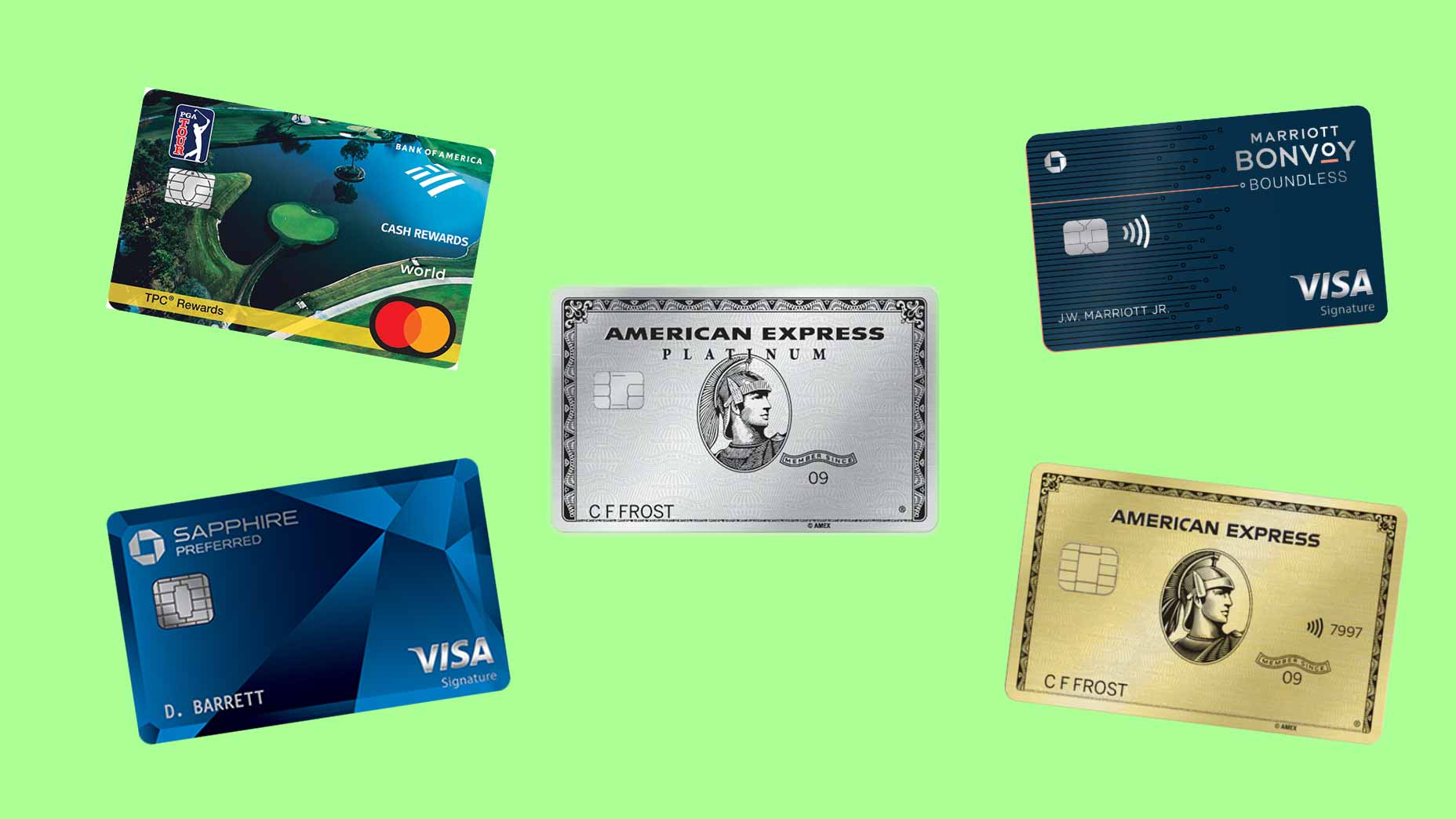
The question “what is a good credit card to have?” does not have a single, universal answer. The “best” card is entirely dependent on your individual financial profile, your spending habits, and your long-term goals. To make an informed decision, one must look beyond the flashy marketing of sign-up bonuses and delve into the mechanics of interest rates, reward structures, and cardholder benefits. This guide provides a strategic framework for identifying the credit card that best aligns with your financial journey.
Understanding Your Credit Profile and Financial Goals
Before browsing the marketplace, you must conduct a self-assessment. A credit card application is a two-way street: you are evaluating the bank, but the bank is also evaluating your reliability as a borrower. Understanding where you stand will prevent unnecessary “hard inquiries” on your credit report from rejected applications.
Assessing Your Credit Score
Your credit score is the primary filter used by issuers to determine eligibility. Generally, credit scores are categorized into tiers:
- Excellent (740–850): Access to the most lucrative rewards cards and the lowest interest rates.
- Good (670–739): Access to most standard rewards cards and competitive terms.
- Fair (580–669): Limited to basic rewards cards or cards with higher interest rates.
- Poor (300–579): Likely limited to secured cards designed for credit rebuilding.
Knowing your score allows you to target cards you are likely to qualify for, ensuring you don’t waste time on premium products that require a higher score than you currently possess.
Identifying Your Primary Spending Habits
A good credit card should reward the way you already spend money. There is little point in owning a high-tier travel card if you rarely leave your home state, just as a grocery-focused cash-back card may be suboptimal for a digital nomad. Review your bank statements from the last three months. Do you spend the most on dining, groceries, gasoline, or online shopping? Most cards offer “bonus categories” that provide higher percentage returns in specific areas. Aligning your card with these categories is the most effective way to maximize the value of the tool.
Defining Your Objectives: Cash Back vs. Travel Rewards
Broadly speaking, reward cards fall into two camps: Cash Back and Travel/Points.
- Cash Back: Ideal for those who value simplicity and immediate liquidity. You earn a percentage of your spend back as a statement credit or a deposit into your bank account.
- Travel Rewards: Ideal for frequent travelers who are willing to manage “points” or “miles.” While more complex, these often provide a higher “cents-per-point” value when redeemed for international flights or luxury hotel stays.
Categorizing the Best Credit Cards by Lifestyle
Once you have identified your goals, you can look at the specific categories of cards available. Each category serves a different segment of the population, and the “good” card for a college student will look drastically different from the “good” card for a corporate executive.
Best for Everyday Spending: Cash Back Cards
For the average consumer, a cash-back card is often the most practical choice. These cards are typically divided into “flat-rate” and “tiered” structures. A flat-rate card might offer a straight 2% back on everything, making it an excellent “catch-all” card for those who don’t want to track rotating categories. Tiered cards, conversely, might offer 3% on groceries and 2% on gas, providing higher value if your spending is concentrated in those specific areas.
Best for Frequent Flyers: Travel and Premium Rewards
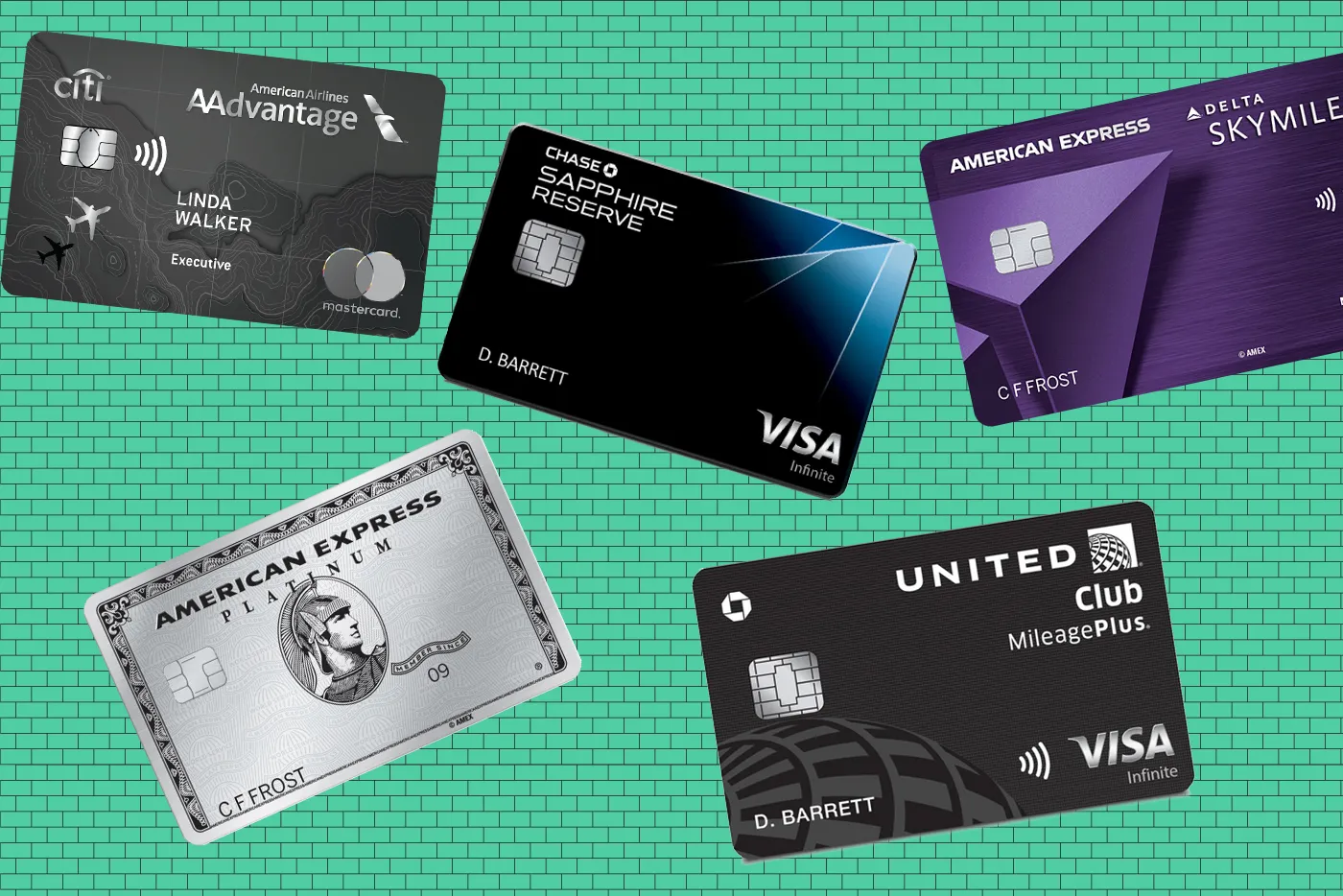
If you find yourself at an airport several times a year, a travel-centric card is often the best choice. These cards offer perks that can offset their annual fees, such as airport lounge access, TSA PreCheck/Global Entry credits, and primary rental car insurance. The real value, however, lies in the ability to transfer points to airline and hotel partners. By strategically transferring points, travelers can often book first-class or business-class experiences that would otherwise cost thousands of dollars.
Best for Building or Rebuilding: Secured and Student Cards
For those with a limited credit history or a damaged credit score, a “good” card is one that facilitates growth. Secured credit cards require a refundable security deposit, which usually acts as your credit limit. This minimizes the risk for the bank while allowing you to build a positive payment history. Student cards operate similarly but are tailored for those currently in higher education, often featuring lower limits and incentives for maintaining good grades.
Key Features to Look for in a Premium Card
When evaluating a specific card, you must look beneath the surface-level rewards. A card that offers 5% back might seem incredible, but if it carries a 29% APR and a high annual fee, it could end up costing you more than it earns.
Interest Rates and APR
The Annual Percentage Rate (APR) is the cost of borrowing money if you do not pay your balance in full every month. If you intend to carry a balance, a “good” card is a low-interest card or one with a 0% introductory APR period. For those who pay their balance in full every month, the APR is less relevant, as you will never actually pay interest. However, for those using a card for a large, one-time purchase, a long 0% APR window is the most valuable feature a card can offer.
Annual Fees vs. Value Proposition
Many of the world’s most popular credit cards carry annual fees ranging from $95 to $695. Whether these cards are “good” depends on a simple mathematical equation: Do the benefits exceed the fee? If a card costs $250 a year but provides a $200 hotel credit and $100 in dining credits, the card effectively pays you $50 to keep it in your wallet. If you do not use those specific credits, however, the card becomes a net loss.
Introductory Offers and Sign-up Bonuses
Sign-up bonuses (SUBs) are the “hooks” used to attract new customers. They often require you to spend a certain amount (e.g., $3,000) within the first few months of opening the account. While a 60,000-point bonus is enticing, it should not be the sole reason for choosing a card. A good card should provide value long after the initial bonus has been spent.
Avoiding Common Pitfalls and Maximizing Benefits
Owning a good credit card is only half the battle; the other half is managing it with discipline. The most rewarding card in the world can become a financial burden if misused.
Understanding the Fine Print: Fees and Penalties
Beyond the annual fee, you must be aware of “hidden” costs. Late payment fees can be as high as $40, and a single late payment can trigger a “penalty APR,” which spikes your interest rate significantly. Furthermore, if you plan to use your card abroad, ensure it has “No Foreign Transaction Fees.” Many basic cards charge 3% on every purchase made outside the country, which quickly erodes any rewards you might be earning.
The Importance of On-Time Payments and Utilization
To maintain the “goodness” of your credit card, you must protect your credit score. Two factors are paramount: payment history and credit utilization. Payment history is the most significant factor in your score; even one missed payment can cause a 100-point drop. Credit utilization—the ratio of your balance to your total limit—should ideally be kept below 30%. High utilization signals to lenders that you may be overextended, which can lower your score even if you are making payments on time.
Leveraging Card Perks and Protections
Many cardholders ignore the “hidden” benefits of their cards. Many mid-to-high-tier cards offer purchase protection (reimbursement if an item is stolen or damaged shortly after purchase), extended warranties, and cell phone insurance. If your card offers a $600 cell phone protection benefit simply for paying your monthly phone bill with the card, that is a massive financial “win” that requires no extra spending.
Final Thoughts: The Strategy of Selection
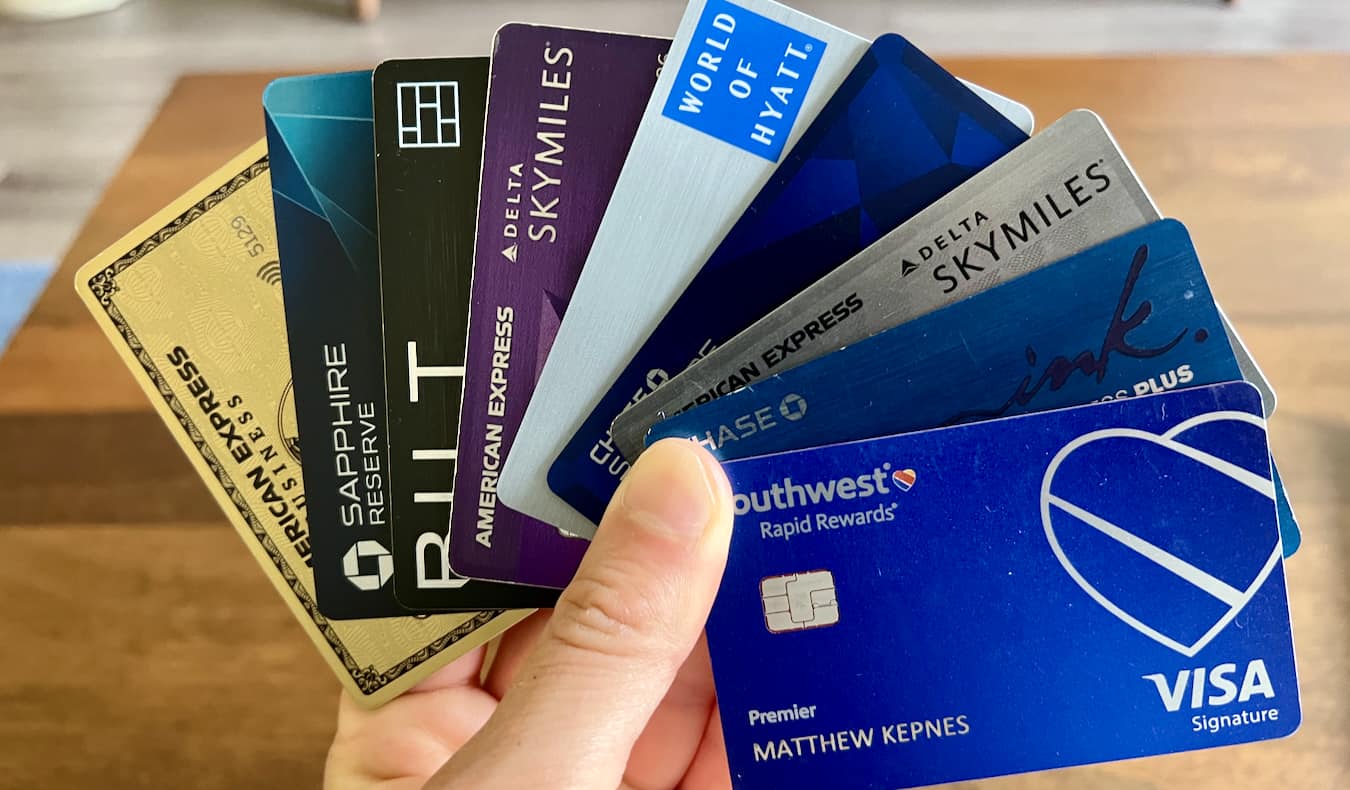
A “good” credit card is one that fits your current financial reality while helping you reach your future goals. For a young professional, it might be a travel card that turns everyday spending into a vacation. For a small business owner, it might be a card that offers high cash back on office supplies and advertising. For someone recovering from past financial mistakes, it is a card that reports consistently to the credit bureaus and helps raise their score.
Ultimately, the best strategy is to view a credit card as a tool for convenience and optimization, not as a source of extra income or a way to live beyond your means. By carefully analyzing your spending, understanding the fee structures, and remaining disciplined with your payments, you can ensure that the card you choose remains a powerful asset in your financial portfolio. Selecting the right card is not just about the perks you get today—it’s about the financial flexibility you build for tomorrow.
aViewFromTheCave is a participant in the Amazon Services LLC Associates Program, an affiliate advertising program designed to provide a means for sites to earn advertising fees by advertising and linking to Amazon.com. Amazon, the Amazon logo, AmazonSupply, and the AmazonSupply logo are trademarks of Amazon.com, Inc. or its affiliates. As an Amazon Associate we earn affiliate commissions from qualifying purchases.