
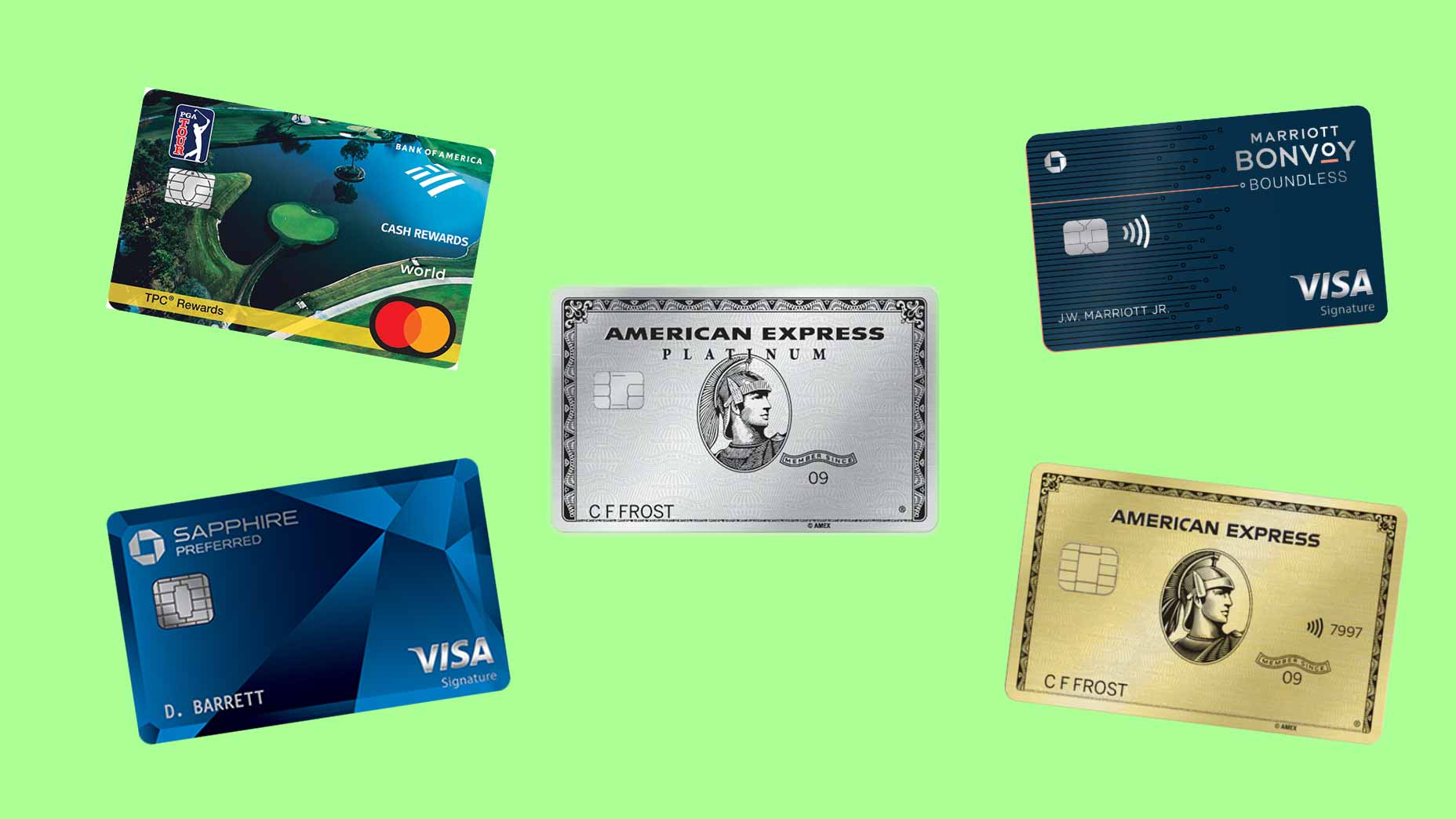
In the modern financial landscape, a credit card is far more than a plastic or metal rectangle used for transactions. It is a sophisticated financial instrument that, when used correctly, can provide significant leverage, security, and rewards. However, the definition of a “good” credit card is not universal; it is deeply subjective and depends entirely on an individual’s financial habits, credit history, and long-term goals. Whether you are looking to earn premium travel perks, save money on daily groceries, or rebuild a damaged credit score, the right card can act as a powerful catalyst for your personal wealth management.
Understanding the Credit Card Landscape
Before diving into specific card types, it is essential to understand that the “best” card on the market may not be the best card for you. The credit card industry is segmented into various tiers based on creditworthiness and spending patterns. Selecting a card requires an honest assessment of your financial standing and an understanding of how these tools function within the broader economy.
Identifying Your Financial Goals
The first step in determining what constitutes a good credit card is identifying your primary objective. Are you looking to minimize the cost of debt? In that case, a card with a low APR or a 0% introductory balance transfer offer is “good.” Are you a frequent flyer who spends thousands on airfare annually? For you, a premium travel card with airport lounge access and high point multipliers is the gold standard. By aligning the card’s features with your lifestyle, you ensure that you are not paying for perks you won’t use or missing out on rewards for your largest spending categories.
The Role of Credit Scores in Approval
Your credit score is the gatekeeper of the credit card world. Generally, “good” cards—those with the most lucrative rewards and lowest interest rates—require a credit score in the “Good” to “Excellent” range (typically 670 to 850). Understanding your FICO or VantageScore is crucial because every application triggers a hard inquiry, which can temporarily dip your score. A good card for someone with a 600 score is one that offers a path to improvement, while a good card for someone with an 800 score is one that maximizes every dollar spent through high-value redemptions.
Best Credit Cards for Rewards and Cash Back
For most consumers with stable finances, the primary appeal of a credit card lies in its rewards program. Rewards cards essentially provide a discount on every purchase you make. These cards are generally categorized into cash back, points, or miles.
Flat-Rate vs. Tiered Cash Back
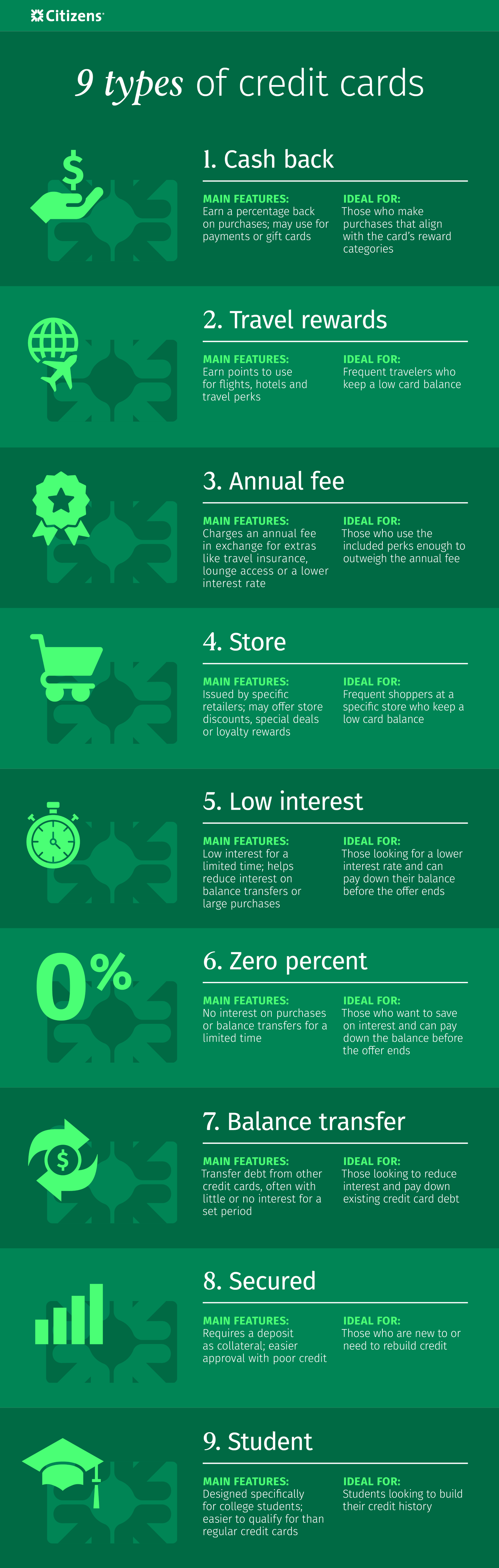
Cash back cards are the most straightforward financial tools available. A “good” flat-rate cash back card typically offers 1.5% to 2% back on every purchase, regardless of the category. This is ideal for those who value simplicity and do not want to track rotating categories. On the other hand, tiered cards offer higher percentages—sometimes 3% to 6%—on specific categories like groceries, gas, or streaming services, while offering 1% on everything else. A good strategy often involves “stacking” these cards: using a tiered card for its high-value categories and a flat-rate card for all other expenditures.
Travel Rewards and Premium Perks
For the frequent traveler, a good credit card is one that converts daily spending into luxury experiences. These cards earn points or miles that can be transferred to airline and hotel partners. Beyond simple point accumulation, premium travel cards often justify their high annual fees through “soft” benefits. These include Global Entry/TSA PreCheck credits, annual travel statements, and comprehensive travel insurance. When the value of these perks exceeds the annual fee, the card becomes a net-positive asset for the cardholder’s balance sheet.
Strategies for Building or Rebuilding Credit
Not everyone is in a position to apply for high-end rewards cards. For many, a “good” credit card is a tool for rehabilitation or a starting point for a young person entering the financial world. In this context, the value of the card lies in its reporting consistency and its ability to help the user demonstrate responsible behavior to credit bureaus.
Secured Credit Cards: The Starting Block
For individuals with no credit history or a history of missed payments, secured credit cards are often the best—and sometimes only—option. A secured card requires a refundable security deposit, which usually serves as your credit limit. While these cards rarely offer flashy rewards, a “good” secured card is one that has no annual fee and provides a clear “graduation” path to an unsecured card. The goal here is not to earn points, but to build a consistent history of on-time payments that will eventually unlock better financial products.
Student Cards: Building Habits Early
University students represent a unique demographic for lenders. Student credit cards are designed for those with limited income and short credit histories. A good student card will offer modest rewards for common student expenses (like dining and entertainment) and may even provide a “Good Grade” bonus. More importantly, these cards often include educational tools and credit monitoring services to help the next generation of earners understand the mechanics of credit utilization and interest.
Managing Interest Rates and Fees
While rewards often get the most attention, the cost of carrying a card can quickly outweigh the benefits if you are not careful. A good credit card is one whose cost structure aligns with your ability to pay.
The Impact of Annual Percentage Rates (APR)
If you anticipate carrying a balance from month to month, the APR is the most important factor in your decision. For these users, a “good” card is one with a low ongoing interest rate. However, it is important to remember that for those who pay their balance in full every month, the APR is largely irrelevant. Many consumers utilize 0% introductory APR cards to finance large purchases—like home appliances or emergency repairs—interest-free over 12 to 21 months. In this scenario, the card acts as a free short-term loan, which is an incredibly powerful financial move.
Navigating Annual Fees and Foreign Transaction Fees
The presence of an annual fee does not automatically make a card “bad.” Many of the most profitable cards for consumers have fees ranging from $95 to $695. The math is simple: if the card saves you $500 a year in travel costs but costs $250 to hold, you have gained $250. Conversely, for international travelers or those who shop at overseas retailers online, a good card is one that waives foreign transaction fees. These fees are typically around 3%, which can silently erode any rewards you might have earned on the purchase.
Maximizing Your Card’s Utility
Once you have identified and acquired a good credit card, the focus shifts to optimization. Holding a great financial tool is only half the battle; the other half is utilizing it in a way that maximizes its value while protecting your financial health.
Leveraging Sign-up Bonuses
The fastest way to gain value from a new credit card is through the sign-up bonus (SUB). Most mid-to-high-tier cards offer a significant influx of points or cash back after you spend a certain amount within the first few months of opening the account. A “good” bonus can sometimes be worth $500 to $1,000 or more. Savvy financial planners time their card applications around large, planned expenses—such as a wedding, a move, or holiday shopping—to ensure they meet the spending requirement without inflating their normal budget.
Responsible Utilization and Payment Strategies
Finally, no credit card is “good” if it leads to a cycle of debt. The most important rule of credit card management is maintaining a low credit utilization ratio—the amount of credit you use compared to your total limit. Keeping this under 30% (and ideally under 10%) is a hallmark of high-scorers. Furthermore, setting up autopay for the full statement balance ensures that you never pay a cent in interest. When you treat a credit card like a debit card—only spending what you currently have in the bank—you reap all the rewards, protections, and credit-building benefits of the card at zero cost. This is the ultimate expression of using a credit card as a sophisticated tool for financial growth.
aViewFromTheCave is a participant in the Amazon Services LLC Associates Program, an affiliate advertising program designed to provide a means for sites to earn advertising fees by advertising and linking to Amazon.com. Amazon, the Amazon logo, AmazonSupply, and the AmazonSupply logo are trademarks of Amazon.com, Inc. or its affiliates. As an Amazon Associate we earn affiliate commissions from qualifying purchases.