
In an era dominated by instantaneous digital transfers, one might assume that the paper check has been relegated to the archives of financial history. However, for many consumers and business owners, the physical check remains an indispensable tool for managing complex transactions. Whether you are paying rent to a landlord who prefers a paper trail, settling a large bill with a contractor, or providing a voided check for direct deposit setup, knowing how to efficiently secure a checkbook from a major institution like Chase is a fundamental aspect of modern personal finance.
Securing a checkbook is not merely an administrative task; it is an extension of your financial strategy. Understanding the nuances of the ordering process, the costs associated with different account tiers, and the security protocols involved can help you optimize your banking experience.
Navigating the Ordering Process via Chase Digital Platforms
The most efficient way to obtain a checkbook is through Chase’s integrated digital ecosystem. Chase has spent billions of dollars refining its user interface to ensure that traditional banking tasks can be handled with minimal friction.
Ordering Through the Chase Online Website
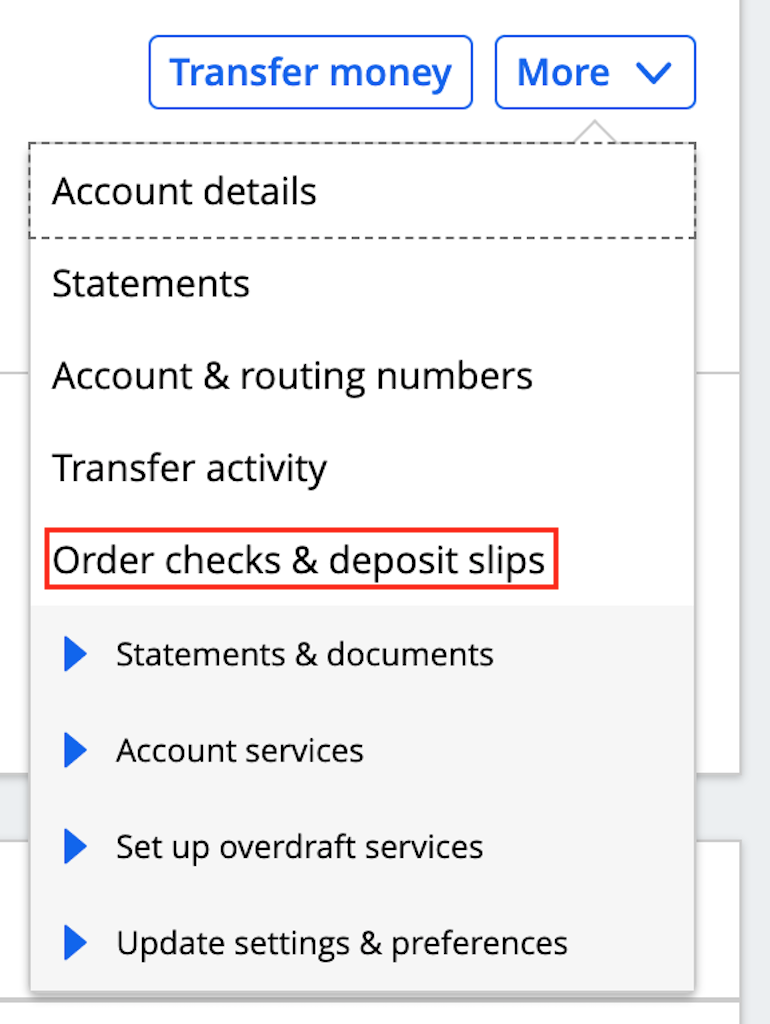
For those who prefer the layout of a desktop browser, ordering checks via the Chase website is a straightforward process. Once logged into your account, you navigate to the “Customer Center” or the specific checking account you wish to order for. Within the “Account Services” menu, there is a dedicated link for “Order Checks.”
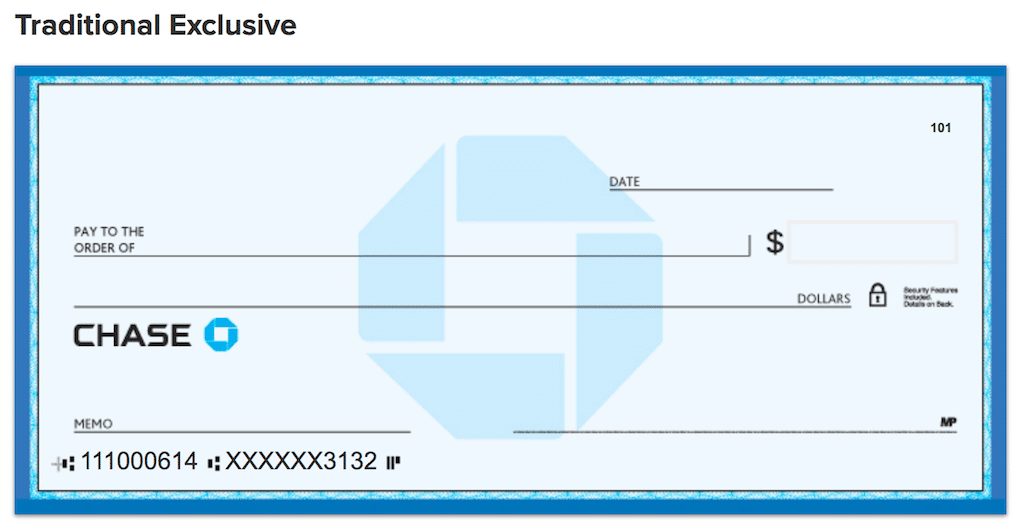
Chase utilizes a partnership with Deluxe, a leading financial stationery provider, to fulfill these orders. When you click the link, you are redirected to a secure portal where your account information is prepopulated. This ensures that the routing and account numbers—the “MICR line” at the bottom of your checks—are accurate. From here, you can select the quantity, style, and any additional accessories like leather covers or registers.
Utilizing the Chase Mobile® App
For users on the go, the Chase Mobile® app offers a similarly streamlined experience. Within the app, select your checking account, scroll down to “Account Services,” and tap on “Order Checks.” The mobile experience is optimized for speed, allowing you to reorder previous designs with just a few taps. This is particularly useful for small business owners or busy professionals who realize they are low on checks while away from their desks.
One advantage of using the official app is the added layer of biometric security (FaceID or fingerprint), which ensures that your checkbook—a sensitive financial document—cannot be ordered by someone who gains unauthorized access to your hardware.
Comparing Costs and Account Benefits
In the realm of personal finance, minimizing unnecessary fees is a core pillar of wealth preservation. The cost of a Chase checkbook varies significantly depending on the specific type of checking account you hold. Being aware of these tiers allows you to make informed decisions about your banking relationship.
Fee Structures for Standard Accounts
For holders of the Chase Total Checking® account—the bank’s most popular consumer offering—checks are generally not free. A standard box of 100 checks typically costs between $20 and $30, depending on the design and shipping speed selected. While this may seem like a nominal fee, it is a recurring expense for those who use paper checks frequently.
When ordering, the cost is automatically debited from the associated checking account. It is important to ensure you have a sufficient balance to cover both the check order and any potential shipping fees to avoid overdraft situations. For those looking to save money, opting for the “Standard” or “Eco-friendly” designs is usually the most cost-effective route, as licensed imagery (such as Disney or sports themes) carries a premium price tag.
Premium Tiers and Complimentary Services
Chase rewards higher-balance customers and those with specialized accounts by waiving check-ordering fees. If you hold a Chase Sapphire℠ Checking, Chase Premier Plus Checking℠, or are a Chase Private Client, you are typically entitled to free personal checks.
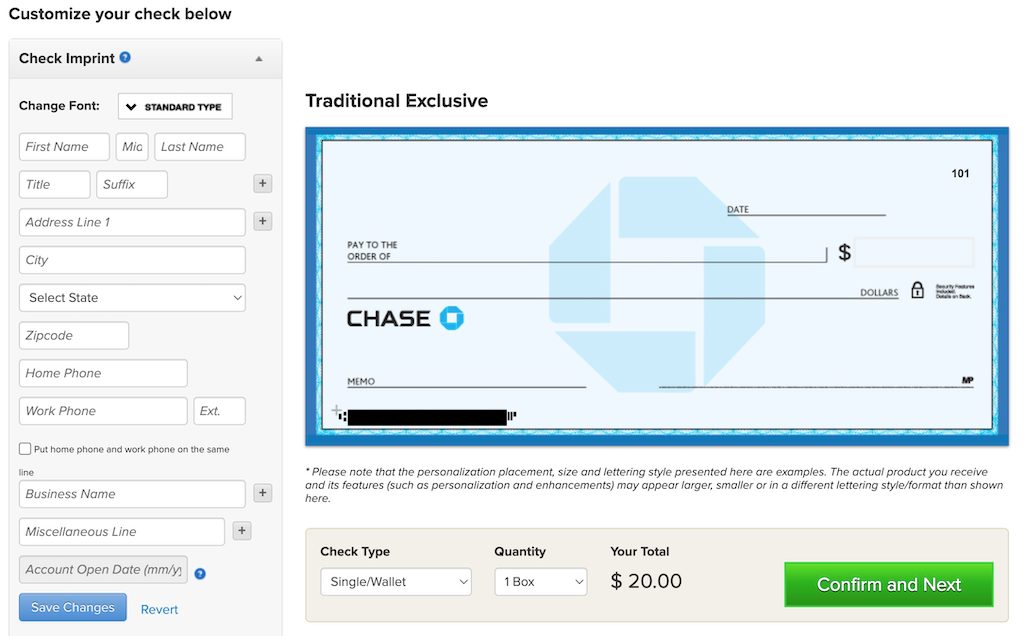
For these premium account holders, the ordering process remains the same, but the final checkout screen will reflect a $0.00 balance. This benefit is one of many “soft perks” that add up over time. If you find yourself ordering checks several times a year, it may be worth calculating whether the benefits of a higher-tier account—such as interest-bearing balances and waived ATM fees—outweigh the requirements of a higher minimum balance.
Customization and Third-Party Printing Alternatives
While ordering directly through Chase is the most convenient method, it is not the only option. Financial savvy often involves looking outside the primary institution to find better value or more robust customization.
The Role of Deluxe and Custom Designs
As mentioned, Chase’s primary partner is Deluxe. Through the Chase portal, you can customize your checks with various fonts, slogans, and background patterns. However, you are generally limited to the templates provided within that partnership. For most users, these options are more than sufficient, offering a professional appearance that is universally accepted by other financial institutions.
Evaluating Third-Party Check Printers
Many consumers choose to order checks from third-party printers like Vistaprint, Checks In The Mail, or Walmart Checks. These services often offer significantly lower prices than the bank’s internal portal.
However, from a financial security and “Money” niche perspective, there is a trade-off. When you order from a third party, you must manually enter your routing number and account number. A single typo can lead to rejected payments and potential “returned item” fees from your bank or the person you are trying to pay. Furthermore, ensure the third-party printer uses “Check 21” compliant paper, which includes security features like microprinting and chemical-sensitive paper to prevent tampering.
Security Protocols for Paper-Based Transactions
Despite their utility, physical checks are a “legacy” technology that requires a higher degree of manual oversight than digital payments. Managing a checkbook involves a commitment to digital-physical reconciliation and fraud prevention.
Preventing Check Fraud and “Check Washing”
“Check washing” is a technique where criminals use chemicals to erase the ink on a check and rewrite the payee and amount. To protect your finances, always use a gel pen (specifically one with black ink) when writing checks, as the ink permeates the paper fibers more deeply than standard ballpoint ink, making it much harder to “wash.”
Additionally, never leave a checkbook in an unsecured location, such as your car’s glove box or an unlocked drawer at work. If your checkbook is lost or stolen, you must notify Chase immediately to place a “Stop Payment” on the range of check numbers that were compromised. While there is often a fee for stopping a single check, the bank may waive fees if the entire book is reported stolen and the account is subsequently closed and reopened under a new number.
Proper Record-Keeping and Reconciliation
A checkbook is more than a stack of payment slips; it is a ledger. Each checkbook comes with a register—a small booklet to track your transactions. In the “Money” niche, the most successful individuals are those who have a precise understanding of their cash flow.
Even if you use online banking to track your balance, there is a “float” time associated with checks—the period between when you write the check and when the recipient deposits it. By recording every check in your physical register immediately, you avoid the trap of “phantom balances,” where your mobile app shows more money than you actually have available once all outstanding checks are cleared.
Conclusion: The Place of Checks in a Modern Financial Strategy
Getting a checkbook from Chase is a simple process, but it represents an important step in comprehensive financial management. Whether you choose the ease of the mobile app, the professional support of a local branch, or the cost-saving route of a third-party printer, the goal remains the same: ensuring you have the tools necessary to navigate every type of financial transaction.
By selecting the right account tier to minimize fees, staying vigilant about security, and maintaining a disciplined ledger, you can use physical checks as a reliable bridge between traditional banking and the high-speed digital economy. In the world of money, flexibility is an asset—and having a checkbook in your drawer ensures you are never sidelined by a “cash or check only” requirement.
aViewFromTheCave is a participant in the Amazon Services LLC Associates Program, an affiliate advertising program designed to provide a means for sites to earn advertising fees by advertising and linking to Amazon.com. Amazon, the Amazon logo, AmazonSupply, and the AmazonSupply logo are trademarks of Amazon.com, Inc. or its affiliates. As an Amazon Associate we earn affiliate commissions from qualifying purchases.