
In an era dominated by digital ledgers, cloud storage, and cryptocurrency, the concept of a physical safety deposit box might seem like a relic of the 20th century. However, for those with high-value physical assets—be it heirloom jewelry, original property deeds, or physical gold—the safety deposit box remains a cornerstone of a sophisticated personal finance strategy. Understanding the costs associated with these secure containers is essential for anyone looking to bridge the gap between digital security and physical asset protection.
While the convenience of these boxes is undeniable, the banking industry has undergone significant shifts in how it offers this service. Many major national banks have scaled back their safety deposit box operations, making existing boxes more valuable and, in some cases, more expensive. This guide breaks down the financial commitment required to secure a safety deposit box, the hidden fees to watch out for, and the strategic value they provide to your overall financial portfolio.
Factors Influencing the Cost of a Safety Deposit Box
The price of a safety deposit box is rarely a flat rate. Like any real estate—even real estate measured in inches—the cost is determined by size, location, and the relationship the consumer has with the institution.
Size and Dimensions
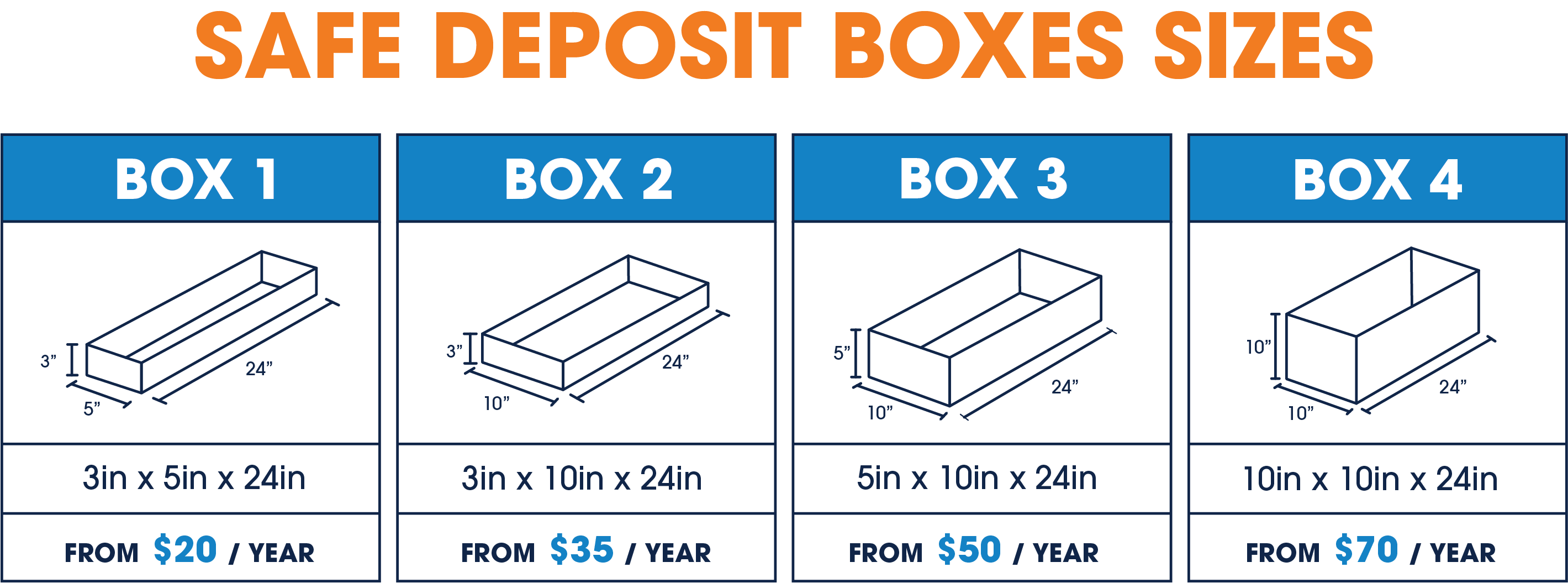
The most significant variable in determining annual rent is the size of the box. Banks typically offer a range of sizes, starting from small “document” boxes to large “trunk” sizes.
- Small Boxes (e.g., 3×5 or 5×5 inches): These are the most common and affordable. They are designed for flat documents, passports, and small jewelry items.
- Medium Boxes (e.g., 5×10 or 3×10 inches): These offer more depth and are ideal for bulky coin collections or several stacks of documents.
- Large Boxes (e.g., 10×10 inches and larger): Often used by small business owners or individuals with significant physical wealth, these can accommodate larger items like silver platters or heavy portfolios.
Geographic Location and Branch Demand
Just as residential rent fluctuates by zip code, so does the cost of bank storage. A safety deposit box in a flagship branch in Manhattan or San Francisco will command a significantly higher premium than one in a rural township. Furthermore, as many banks stop installing new boxes in modern branches, the “legacy” branches with existing vaults often see 100% occupancy. In high-demand urban centers, you may not only face higher costs but also lengthy waiting lists.
Relationship Banking and Discounts
The “Money” niche often emphasizes the importance of banking loyalty. Many financial institutions use safety deposit boxes as a “loss leader” or a perk to attract high-net-worth individuals. If you hold a premium checking account, maintain a high minimum balance, or have a mortgage with the bank, you may be eligible for a discounted or even free small safety deposit box. Conversely, non-customers (if the bank allows them to rent at all) will almost always pay the highest possible market rate.
Average Pricing Breakdown by Box Size
While prices vary by institution, looking at the national averages for major banks and credit unions provides a helpful benchmark for your financial planning.
Small Boxes (3×5 or 5×5)
Small boxes are the entry point for most consumers. On average, these cost between $30 and $70 per year. They are perfectly suited for the average individual looking to store a birth certificate, a social security card, and a few pieces of jewelry. From a personal finance perspective, this is a negligible cost for the peace of mind it provides against home fires or theft.
Medium Boxes (5×10)
For those who need to store larger legal envelopes or small collectibles, the medium box is the standard choice. These typically range from $75 to $160 per year. Investors who hold physical stock certificates or bonds often find this size necessary to prevent the bending or damage of important paperwork.
Large and Extra-Large Boxes (10×10 and above)
The largest boxes are often in short supply. Because they take up significant “vault real estate,” banks charge a premium. You can expect to pay anywhere from $200 to $500+ per year. While this cost is higher, it is often more cost-effective than installing a high-grade, fireproof, and bolt-down safe in a private residence, which can cost thousands of dollars upfront.
Beyond the Annual Fee: Hidden Costs and Considerations
In personal finance, the “sticker price” is rarely the total cost of ownership. Safety deposit boxes come with a variety of ancillary expenses that can impact your budget if you aren’t prepared.
Key Deposits and Replacement Fees
When you rent a box, you are typically issued two keys. Most banks require a one-time key deposit ranging from $10 to $50, which is refundable upon the termination of your lease and the return of both keys. However, if you lose your keys, the financial consequences are steep. Because the bank does not keep a master key for your specific lock (for security reasons), they must hire a professional locksmith to “drill” the box. This process can cost between $150 and $300, plus the cost of replacing the lock and keys.
The Insurance Gap: What You Need to Know
A common and dangerous misconception is that the contents of a safety deposit box are insured by the FDIC. This is false. The FDIC insures the money you have in your bank accounts, not the physical items in the vault. Furthermore, the bank’s own insurance typically only covers their liability in cases of gross negligence.
To truly protect your assets, you must:
- Add a Rider to Homeowners Insurance: Many insurance companies offer “scheduled personal property” endorsements for items kept in a bank vault.
- Private Vault Insurance: Some third-party companies specialize specifically in insuring the contents of safety deposit boxes.
The cost of this insurance is an additional “hidden” expense you must factor into your annual asset-protection budget.
Late Fees and Abandonment
If you fail to pay your annual rental fee, banks are quick to apply late charges. If the box remains unpaid for a period defined by state law (usually 3 to 5 years), the bank may consider the property “abandoned.” At this point, the box is drilled, and the contents are turned over to the state’s unclaimed property division. Reclaiming these items from the state can be a bureaucratic nightmare and may involve further administrative fees.
Choosing the Right Institution: National Banks vs. Private Vaults
As you evaluate where to spend your money, you must decide between traditional banking institutions and the burgeoning market of private, non-bank vaults.
National Banks and Local Credit Unions
Traditional banks are usually the most convenient option. However, the trend in the banking industry is moving away from physical infrastructure. Large banks like JPMorgan Chase and Capital One have, in some regions, stopped offering new safety deposit box rentals entirely.
Credit unions are often a hidden gem in this regard. Because they are member-owned, their fees for safety deposit boxes are frequently 20% to 30% lower than those of national commercial banks, and they are more likely to offer boxes as a complimentary service for long-term members.
The Rise of Private Vault Facilities
In response to banks scaling back, private vault companies have emerged. These facilities focus exclusively on high-security storage.
- Pros: They often offer 24/7 access, more robust security protocols (including biometric scanning), and higher levels of anonymity.
- Cons: They are significantly more expensive than banks, with small boxes often starting at $300 to $500 per year. For a high-net-worth individual or a serious investor in precious metals, the increased security and accessibility may justify the higher price point.
Alternatives to the Traditional Safety Deposit Box
If the recurring cost or the lack of availability in your area makes a bank box unfeasible, there are other ways to manage the security of your physical assets.
High-Security Home Safes
A one-time investment in a high-quality home safe can replace the need for an annual bank fee. However, a “fire-box” from a big-box retailer is not a substitute for a bank vault. For true security, you need a safe with a TL-15 or TL-30 rating, meaning it can withstand a concentrated tool attack for 15 or 30 minutes. These safes cost between $1,000 and $5,000 and should be bolted to the floor. From a financial perspective, the “break-even” point against a $100/year bank box is 10 to 50 years.
Digital Alternatives for Non-Tangible Assets
If your primary concern is the storage of documents (wills, titles, sensitive contracts), digital “vaults” or encrypted cloud storage may be the most cost-effective route. Services like LegacySafe or even encrypted hardware wallets for digital assets offer high security for a fraction of the cost of a physical box. However, for physical heirlooms or gold bullion, there is no digital substitute.
Conclusion: Is a Safety Deposit Box Worth the Cost?
Deciding whether to rent a safety deposit box is a calculation of risk versus expense. For an annual fee that often amounts to less than a monthly streaming subscription, you gain access to a multi-ton steel vault, 24-hour surveillance, and dual-key security protocols.
When factoring in the cost, remember to account for the annual rent, the potential key deposit, and the necessary insurance riders. For most individuals focused on sound personal finance, a small or medium box at a local credit union provides the best balance of cost and security. By securing your most important physical assets, you ensure that your financial legacy is protected against the unpredictable elements of theft, fire, and loss.
aViewFromTheCave is a participant in the Amazon Services LLC Associates Program, an affiliate advertising program designed to provide a means for sites to earn advertising fees by advertising and linking to Amazon.com. Amazon, the Amazon logo, AmazonSupply, and the AmazonSupply logo are trademarks of Amazon.com, Inc. or its affiliates. As an Amazon Associate we earn affiliate commissions from qualifying purchases.