
In the world of professional brand strategy and corporate identity, there is a common misconception that the design process begins at the drawing board. Many stakeholders imagine a designer immediately opening a digital canvas and experimenting with typography or color palettes. However, in a high-stakes professional environment, jumping straight into visuals is a recipe for strategic failure. The true first step of the design process is Discovery.
Discovery is the investigative phase where strategy meets intuition. It is the period of rigorous inquiry, research, and data gathering that ensures the final visual output isn’t just aesthetically pleasing, but commercially viable and strategically aligned. Without this foundation, a brand is merely a collection of images without a soul or a purpose.

Understanding the Discovery Phase: Beyond the Surface
The discovery phase is the most critical stage of the brand design process because it defines the “Why” before the “How.” It involves a deep dive into the DNA of an organization to uncover its core values, its mission, and its long-term vision. This phase is less about artistic expression and more about diagnostic analysis.
Defining Business Goals and Objectives
Before a single line is drawn, a designer must understand what the brand is trying to achieve. Is the goal to disrupt a legacy market, or to project stability and trust? A startup seeking venture capital requires a different visual language than a century-old law firm undergoing a rebrand.
During discovery, professional brand strategists conduct stakeholder interviews to extract these objectives. These conversations often reveal misalignments within the company itself. By identifying these goals early, the design process becomes a tool for organizational clarity. We ask questions such as: “Where do you see the brand in ten years?” and “What is the primary emotion you want a customer to feel during their first interaction?”
Audience Research and Persona Development
Design does not exist in a vacuum; it exists to communicate with a specific audience. The first step of the process involves identifying exactly who that audience is. This goes beyond basic demographics like age and location. It delves into psychographics—the motivations, fears, and aspirations of the target consumer.
By creating detailed “buyer personas,” designers can tailor the visual identity to resonate with the specific nuances of the audience. If the target audience values sustainability and minimalism, the design language must reflect those values through organic textures and spacious layouts. Discovery ensures that the design speaks a language the audience understands and appreciates.
Competitive Auditing and Market Positioning
Once the internal identity of the brand is understood, the first step continues by looking outward. A brand does not exist in isolation; it competes for attention in a crowded marketplace. Therefore, the discovery phase must include a comprehensive competitive audit.
Analyzing the Visual Landscape
A competitive audit involves a meticulous review of the visual identities of direct and indirect competitors. We examine their logos, color schemes, typography, and messaging styles. The goal here is not to mimic what is currently working, but to identify the “white space” in the market—the opportunities for differentiation.
For instance, if every competitor in the fintech space is using “trust-based” shades of navy blue, a new brand might find a strategic advantage in using a vibrant teal or a sophisticated slate gray to stand out. This research prevents the brand from blending into a sea of sameness and ensures that the design process is focused on creating a unique market position.
Identifying the Unique Value Proposition (UVP)
The first step of the design process serves to distill the brand’s Unique Value Proposition into a visual strategy. What makes this brand different from everyone else? Is it the speed of service, the quality of craftsmanship, or an innovative business model?
The discovery phase synthesizes these functional benefits into emotional hooks. By the end of this research, the designer should have a clear understanding of the brand’s “X-factor.” This clarity allows the subsequent design phases to highlight the UVP through strategic visual cues, ensuring that the brand’s competitive advantage is the first thing a consumer notices.

Translating Insights into a Creative Brief
The discovery phase culminates in the creation of a Creative Brief. This document serves as the “North Star” for the entire project. It is the bridge between the raw data gathered during research and the creative execution that follows.
Setting the Creative Direction
The creative brief outlines the visual strategy derived from the discovery phase. It often includes “mood boards”—curated collections of images, textures, and typography that capture the intended “vibe” of the brand without committing to a specific design.
This is a crucial checkpoint. By presenting a mood board based on discovery research, the designer can ensure that the client agrees with the strategic direction before hours are spent on actual design work. It aligns expectations and provides a logical rationale for why certain design choices will be made in the future.
Establishing Project Constraints and Milestones
A professional design process requires structure. The first step involves defining the scope of work, the technical constraints (such as print versus digital requirements), and the timeline for delivery.
By formalizing these elements in the creative brief, both the agency and the client are protected. It prevents “scope creep” and ensures that the design process remains focused on the primary objectives identified during the discovery sessions. This level of professionalism is what separates high-end brand strategy from amateur graphic design.
Why Skipping the First Step Leads to Brand Failure
The temptation to skip discovery is high, especially for businesses in a rush to launch. However, the cost of skipping this first step is almost always higher than the investment required to do it right. Without a strategic foundation, design becomes subjective and arbitrary.
Avoiding “Aesthetic-First” Pitfalls
When a design process starts with aesthetics rather than strategy, it becomes a matter of personal taste. A CEO might prefer the color red simply because they like it, even if research shows that their target audience finds red aggressive or off-putting.
Starting with discovery removes this subjectivity. When a designer presents a concept, they can say, “We chose this palette because our research shows it evokes the sense of reliability your customers are looking for,” rather than “I thought this looked cool.” This shift from “I like” to “it works” is essential for corporate success.
Ensuring Long-Term Brand Scalability
A brand built on a whim is fragile. As a company grows, an unplanned visual identity often fails to scale. It may not work across different mediums, or it may fail to resonate as the company expands into new markets.
By making discovery the first step, you build a brand that is rooted in a deep understanding of the business and its environment. This strategic grounding allows the brand to evolve without losing its core identity. It creates a flexible framework that can accommodate new products, new services, and new audiences while maintaining a consistent and recognizable presence.
The Strategic Path Forward
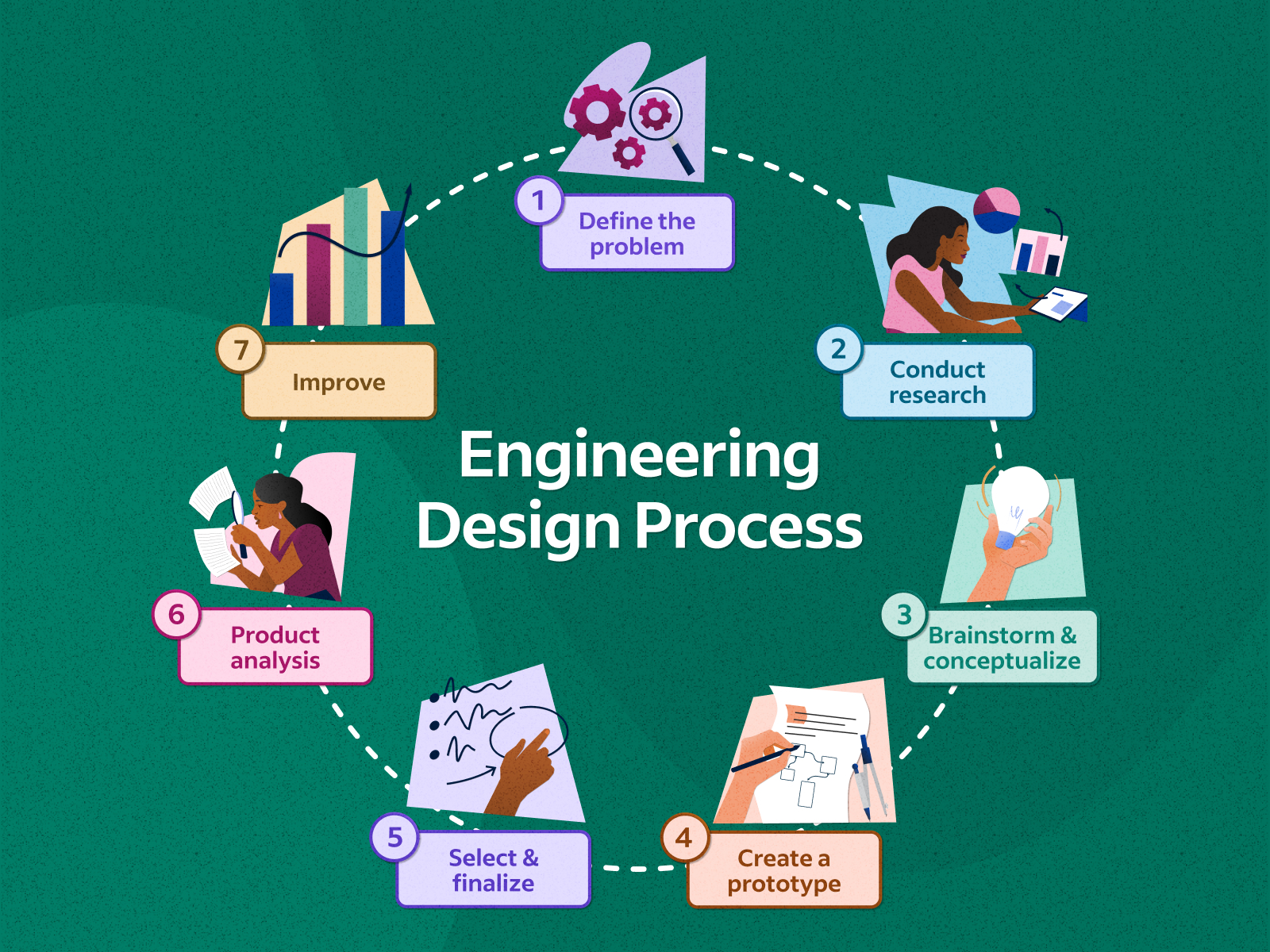
In conclusion, “What is the first step of the design process?” is a question with a definitive answer: Discovery. It is the process of learning, auditing, and strategizing that transforms a visual project into a powerful business asset.
By prioritizing discovery, brands can ensure that their visual identity is not just a coat of paint, but a reflection of their fundamental values and market position. It is the difference between a brand that merely looks good and a brand that performs exceptionally. In the competitive landscape of modern business, a design process rooted in strategy is the only way to build a brand that truly lasts.
Through deep stakeholder interviews, audience persona development, competitive auditing, and the formalization of a creative brief, the discovery phase sets the stage for everything that follows. It is the most intensive, rewarding, and necessary part of the journey toward a world-class brand identity.
aViewFromTheCave is a participant in the Amazon Services LLC Associates Program, an affiliate advertising program designed to provide a means for sites to earn advertising fees by advertising and linking to Amazon.com. Amazon, the Amazon logo, AmazonSupply, and the AmazonSupply logo are trademarks of Amazon.com, Inc. or its affiliates. As an Amazon Associate we earn affiliate commissions from qualifying purchases.