
Social innovation is a concept that has gained significant traction in recent years, moving from academic discourse to practical application across various sectors. It represents a fundamental shift in how we approach societal challenges, emphasizing novel solutions that not only address problems but also create new possibilities for individuals and communities. At its core, social innovation is about doing things differently to achieve better social outcomes. It’s not simply about charity or incremental improvements; it’s about systemic change, fostering new relationships, and developing sustainable models that can lead to lasting positive impact.
The term itself, while seemingly straightforward, encompasses a broad spectrum of activities and approaches. It can refer to new products, services, or models of organization that meet social needs more effectively than existing solutions. Crucially, these innovations are often developed and implemented through collaborative efforts, bringing together diverse stakeholders such as governments, non-profits, businesses, and citizens. The driving force behind social innovation is the desire to tackle complex issues like poverty, inequality, environmental degradation, and access to healthcare and education, often in areas where traditional approaches have fallen short. It’s about harnessing human ingenuity and collective action to build a more equitable, sustainable, and prosperous society for all.

The Core Principles of Social Innovation
At its heart, social innovation is guided by a set of fundamental principles that differentiate it from other forms of innovation. These principles are not rigid rules but rather guiding tenets that shape the process and the outcomes of social innovation initiatives. Understanding these core elements is crucial to grasping the full scope and potential of this transformative approach.
Addressing Unmet Social Needs
The primary catalyst for social innovation is the identification and addressal of unmet social needs. These are gaps in provision, systemic failures, or emergent challenges that current societal structures, market mechanisms, or governmental policies are failing to adequately resolve. This could range from the lack of affordable housing in urban centers to the limited access to clean water in developing regions, or the growing prevalence of mental health issues among young people. Social innovators are attuned to these deficits and are driven to find creative ways to bridge these divides.
This process often involves a deep understanding of the lived experiences of those affected by these needs. It requires empathy, a willingness to listen, and a commitment to co-creation. Instead of imposing top-down solutions, social innovation emphasizes a bottom-up or participatory approach, ensuring that the solutions developed are relevant, appropriate, and desirable to the communities they are intended to serve. This user-centered design approach is critical for the adoption and long-term success of any social innovation.
Developing Novel Solutions
A defining characteristic of social innovation is its emphasis on novelty. This doesn’t always mean inventing something entirely new from scratch; it can also involve recombining existing ideas, technologies, or approaches in innovative ways. The key is that the solution is new to the context in which it is applied and offers a significant improvement over existing alternatives. This novelty can manifest in several forms:
- New Products and Services: This could be anything from a mobile app that connects food surplus with those in need to a new model of healthcare delivery tailored to remote communities.
- New Models of Organization: This might involve the creation of new types of social enterprises, cooperatives, or collaborative platforms that foster new ways of working and resource allocation. For example, a community-run renewable energy project.
- New Processes and Methodologies: This could refer to innovative approaches to community engagement, participatory budgeting, or conflict resolution that lead to more effective outcomes.
- New Partnerships and Networks: Social innovation often thrives on collaboration. The formation of new alliances between disparate actors – for instance, a tech company partnering with a local NGO to develop educational software – represents a form of process innovation.
The pursuit of novelty is not innovation for its own sake. It is driven by the imperative to find more effective, efficient, or equitable ways to achieve positive social change. This often involves challenging established norms, questioning conventional wisdom, and being willing to experiment and learn from failure.
Fostering Systemic Change
Perhaps the most profound aspect of social innovation is its aspiration to drive systemic change. Social problems are rarely isolated incidents; they are often deeply embedded within complex social, economic, and political systems. True social innovation seeks to address the root causes of these problems and to alter the underlying structures and dynamics that perpetuate them. This means moving beyond palliative measures and aiming for transformative impact.
Systemic change involves several interconnected elements:
- Shifting Paradigms: Social innovation can challenge prevailing assumptions and beliefs about how society should be organized or how problems should be solved. For example, shifting from a punitive approach to addiction to a public health and harm reduction model.
- Altering Power Dynamics: Many social innovations aim to redistribute power and create more inclusive decision-making processes, empowering marginalized communities and giving them a greater voice in shaping their own futures.
- Influencing Policy and Practice: Successful social innovations often have the potential to inform and influence public policy and broader societal practices, leading to scalable and sustainable impact. This might involve advocating for new legislation, influencing industry standards, or changing public perceptions.
- Creating New Norms and Behaviors: Over time, a successful social innovation can become embedded in societal norms, leading to lasting changes in individual and collective behavior.
The goal of systemic change is to create a ripple effect, where a single innovation catalyzes broader transformations that lead to a more just and sustainable world.
The Process of Social Innovation
Social innovation is not a spontaneous event; it is typically a deliberate and iterative process that involves several key stages. While the exact path can vary widely, understanding these common phases provides a framework for conceptualizing and implementing social innovation effectively. This process is often characterized by its adaptability, its reliance on learning, and its focus on collaboration.
Identifying and Understanding the Problem
The journey of social innovation begins with a deep and nuanced understanding of the social problem or unmet need. This is more than just acknowledging that a problem exists; it involves delving into its complexities, understanding its root causes, and identifying the various actors and systems involved. This stage requires:
- Deep Research and Analysis: This might involve ethnographic studies, data analysis, literature reviews, and consultations with experts and affected communities. The aim is to build a comprehensive picture of the problem’s landscape.
- Empathy and Stakeholder Engagement: Crucially, this phase involves direct engagement with the people who experience the problem firsthand. Understanding their perspectives, challenges, and aspirations is paramount. This often involves participatory methods to ensure that the problem is defined from the inside out, not just from an external viewpoint.
- Defining the Scope: Clearly articulating the specific aspect of the problem that the innovation will address is vital. Trying to solve everything at once can lead to diffusion of effort and a lack of focus.
This foundational stage sets the direction for all subsequent activities and ensures that the innovation is relevant and grounded in reality.
Developing and Prototyping Solutions
Once the problem is well understood, the focus shifts to generating and developing potential solutions. This is a creative and experimental phase, often characterized by brainstorming, ideation, and rapid prototyping.
- Ideation and Brainstorming: This involves generating a wide range of potential ideas, encouraging unconventional thinking, and not dismissing ideas too early. Diverse perspectives are invaluable at this stage.
- Prototyping and Experimentation: The most promising ideas are then translated into tangible prototypes – whether they are conceptual models, pilot programs, or early versions of products or services. The goal is to test these ideas in a low-stakes environment, gather feedback, and learn quickly. This iterative process of “build-measure-learn” is central to social innovation.
- Collaboration and Co-creation: Often, the development of solutions involves bringing together different groups of people – designers, social workers, community members, technologists, etc. – to collaboratively refine and build upon ideas. This co-creation process ensures that solutions are not only innovative but also practical and user-friendly.
This stage is about translating abstract concepts into concrete actions and learning from real-world application.
Scaling and Sustaining Impact
The ultimate aim of social innovation is to achieve widespread and lasting impact. This requires moving beyond the initial pilot phase and developing strategies for scaling the innovation and ensuring its long-term viability.
- Strategic Scaling: Scaling doesn’t always mean replicating a solution exactly as it is. It can involve adapting it to different contexts, franchising the model, or influencing policy to enable broader adoption. The approach to scaling must be tailored to the specific innovation and its environment.
- Developing Sustainable Business Models: For an innovation to survive and thrive, it needs a sound financial and operational model. This could involve earned income, grants, public funding, or a blended approach. Sustainability is key to ensuring that the impact continues beyond the initial enthusiasm or funding.
- Building Networks and Ecosystems: Social innovations often benefit from being part of a supportive ecosystem. This involves building relationships with other organizations, policymakers, funders, and community leaders who can champion and support the innovation.
- Measurement and Learning: Continuous monitoring and evaluation are essential for tracking progress, identifying areas for improvement, and demonstrating the innovation’s impact. This data can be used to refine the strategy, attract further support, and advocate for systemic change.
This final stage is about embedding the innovation into the fabric of society, ensuring that its positive effects are felt by many and endure over time.
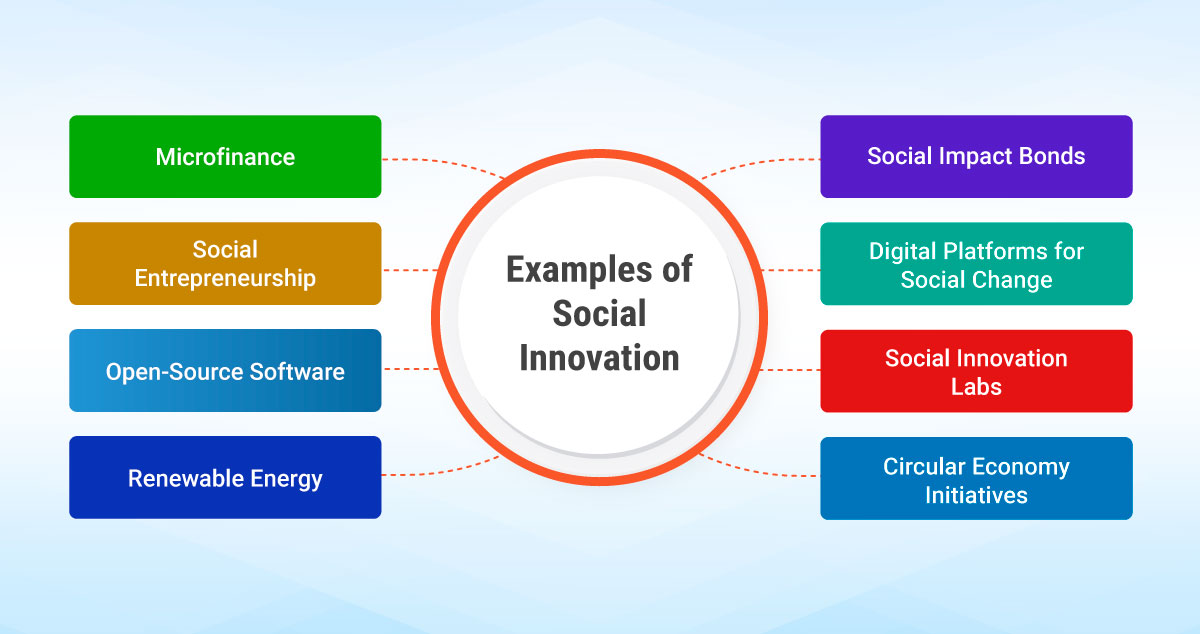
The Actors and Ecosystems of Social Innovation
Social innovation is rarely the work of a single individual or organization. It thrives within dynamic ecosystems, fueled by the contributions of a diverse range of actors who play distinct but interconnected roles. Understanding these actors and their interactions is crucial for fostering and supporting social innovation initiatives.
Social Entrepreneurs and Innovators
At the forefront of social innovation are social entrepreneurs and innovators. These individuals and teams are the driving force behind new ideas and ventures. They often possess a deep passion for a particular social issue, a keen sense of opportunity, and the resilience to navigate the complexities of creating something new.
- Visionaries: They envision a different future and are motivated by a desire to solve pressing social problems.
- Risk-Takers: They are willing to challenge the status quo and experiment with new approaches, often facing significant personal and financial risk.
- Problem-Solvers: They are adept at identifying the root causes of social issues and developing creative, practical solutions.
- Mobilizers: They are skilled at bringing people together, building teams, and inspiring others to join their cause.
Social entrepreneurs often establish social enterprises, non-profit organizations, or innovative programs that are designed to achieve social impact.
Governments and Public Sector Bodies
Governments and public sector organizations play a pivotal role in enabling, supporting, and even directly engaging in social innovation. Their influence can range from creating supportive policy environments to directly funding or implementing innovative solutions.
- Policy Enablers: Governments can create regulatory frameworks that encourage social innovation, such as tax incentives for social enterprises or policies that facilitate cross-sector collaboration.
- Funders and Commissioners: Public funds can be directed towards innovative projects and programs that address societal needs, often through grants or procurement processes.
- Service Providers: Public bodies themselves can be sites of social innovation, redesigning public services to be more effective, efficient, and citizen-centric.
- Conveners and Facilitators: Governments can bring together diverse stakeholders to foster dialogue, share best practices, and build collaborative initiatives.
The public sector’s buy-in and support are often critical for scaling and embedding social innovations within broader societal structures.
Businesses and Corporations
The role of the private sector in social innovation is evolving rapidly. Increasingly, businesses are recognizing the value of integrating social impact into their core strategies, moving beyond traditional corporate social responsibility (CSR) towards more embedded and systemic approaches.
- Corporate Social Responsibility (CSR) 2.0: This involves moving beyond philanthropic donations to actively aligning business operations with social and environmental goals.
- Social Enterprises: Some businesses are explicitly structured as social enterprises, where profit generation is secondary to achieving a defined social or environmental mission.
- Impact Investing: Investors are increasingly looking to direct capital towards businesses and organizations that generate both financial returns and measurable social or environmental impact.
- Innovation Partners: Corporations can provide resources, expertise, technology, and market access to support social innovations, often through partnerships or accelerators.
The engagement of the business sector can bring significant resources, market insights, and scalability to social innovation initiatives.
Civil Society Organizations and NGOs
Non-governmental organizations (NGOs) and other civil society groups are foundational to social innovation. They often have deep roots in communities, a strong understanding of local needs, and a proven track record of implementing programs and advocating for change.
- Frontline Implementers: NGOs are frequently the direct implementers of social innovations, bringing them to life on the ground.
- Advocates and Watchdogs: They play a crucial role in identifying social problems, raising awareness, and advocating for policy changes that support social innovation.
- Capacity Builders: They often work to build the capacity of communities and individuals to participate in and lead social innovation efforts.
- Collaborators: NGOs are essential partners for governments, businesses, and social entrepreneurs, providing essential local knowledge and reach.
The network of civil society organizations forms a vital connective tissue for social innovation across diverse communities.
Academia and Research Institutions
Universities and research institutions contribute to social innovation by providing theoretical frameworks, conducting rigorous research, and fostering critical thinking.
- Knowledge Creation: They generate new insights into social problems and potential solutions, building the evidence base for social innovation.
- Methodology Development: Academics develop and refine methodologies for social innovation, including design thinking, impact measurement, and systems analysis.
- Education and Training: They educate future generations of social innovators and equip them with the skills and knowledge needed to drive change.
- Incubators and Accelerators: Many universities host incubators and accelerators that support early-stage social ventures.
The academic community provides the intellectual scaffolding and rigorous analysis that can elevate social innovation from isolated projects to recognized fields of practice.
The Impact and Future of Social Innovation
Social innovation holds immense potential to reshape societies for the better. Its impact is already being felt across numerous sectors, and its influence is poised to grow as the world grapples with increasingly complex and interconnected challenges. Understanding the current impact and envisioning the future of social innovation reveals its transformative power.
Transforming Societies for the Better
The tangible outcomes of social innovation are diverse and far-reaching. They represent a fundamental shift from simply managing problems to actively creating solutions that foster well-being, equity, and sustainability.
- Poverty Reduction and Economic Empowerment: Innovations like microfinance, skills training programs for marginalized groups, and platforms connecting local producers to wider markets can create new economic opportunities and lift people out of poverty.
- Improved Access to Essential Services: Social innovations have revolutionized access to healthcare (e.g., telemedicine for remote areas), education (e.g., affordable online learning platforms), and clean energy (e.g., community-owned solar grids).
- Environmental Sustainability: Initiatives focused on circular economy models, waste reduction technologies, sustainable agriculture, and community-led conservation efforts are crucial for addressing the climate crisis.
- Enhanced Social Inclusion and Equity: Innovations aimed at supporting vulnerable populations, promoting gender equality, empowering minorities, and fostering intergroup dialogue contribute to more just and inclusive societies.
- Strengthened Communities: Participatory budgeting, community asset mapping, and local governance innovations empower citizens and build stronger, more resilient communities.
These examples illustrate how social innovation is not just about creating new things but about fundamentally improving the quality of life and opportunities for individuals and communities.

Emerging Trends and the Path Forward
The field of social innovation is dynamic and constantly evolving, driven by new technologies, shifting societal needs, and a growing understanding of systemic issues. Several key trends are shaping its future.
- The Digital Transformation of Social Innovation: The increasing accessibility of digital technologies is a major driver. Data analytics, artificial intelligence, blockchain, and mobile platforms are enabling more efficient delivery of services, better impact measurement, and wider reach for social initiatives. This includes the development of digital tools for civic engagement, personalized learning, and supply chain transparency.
- Systems Thinking and Complexity: There is a growing recognition that social problems are interconnected and require a holistic, systems-based approach. Future social innovation will likely focus more on understanding and intervening in complex systems, fostering collaboration across sectors, and addressing root causes rather than symptoms.
- The Rise of Impact Investing and Blended Finance: The financial sector is increasingly playing a role in supporting social innovation. Impact investing, which seeks financial returns alongside social and environmental impact, is growing rapidly. Blended finance, combining public, private, and philanthropic capital, is being used to de-risk investments in social ventures and scale their impact.
- Democratization of Innovation: Efforts are underway to make the tools and processes of social innovation more accessible to a wider range of people, including those from marginalized communities. Open innovation platforms, citizen science projects, and participatory design workshops are empowering more individuals to become agents of change.
- Focus on Resilience and Adaptation: In an era of rapid global change, including climate change, pandemics, and economic volatility, social innovation is increasingly focused on building resilience within communities and developing adaptive strategies to cope with disruption.
The future of social innovation lies in its ability to harness these trends, fostering a more collaborative, equitable, and sustainable world. By embracing creativity, collaboration, and a commitment to systemic change, social innovation offers a powerful pathway to address the most pressing challenges of our time and build a brighter future for all.
aViewFromTheCave is a participant in the Amazon Services LLC Associates Program, an affiliate advertising program designed to provide a means for sites to earn advertising fees by advertising and linking to Amazon.com. Amazon, the Amazon logo, AmazonSupply, and the AmazonSupply logo are trademarks of Amazon.com, Inc. or its affiliates. As an Amazon Associate we earn affiliate commissions from qualifying purchases.