
In the complex ecosystem of personal finance, credit serves as the primary gateway to major life milestones—from purchasing a home to securing an auto loan or even obtaining certain types of employment. However, for those with a limited credit history or a damaged financial past, the traditional “unsecured” credit market often remains out of reach. This is where secured credit plays a pivotal role. Secured credit is a specialized financial tool designed to mitigate risk for lenders while providing a structured pathway for consumers to demonstrate creditworthiness. By understanding the mechanics, benefits, and strategic management of secured credit, individuals can effectively navigate their way toward long-term financial stability.
Understanding the Fundamentals of Secured Credit
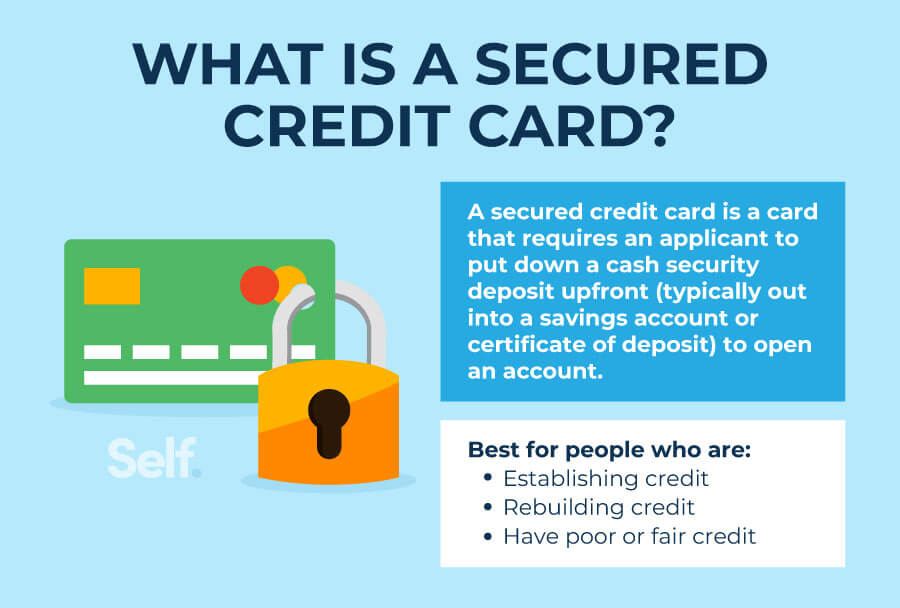
At its core, secured credit is a lending arrangement backed by collateral. In the world of traditional unsecured credit, such as standard credit cards or personal loans, a lender extends funds based solely on your promise to pay them back, supported by your credit score and income. In contrast, secured credit requires the borrower to provide an asset or a cash deposit that the lender can claim if the borrower defaults on their obligations.
How a Security Deposit Works
The most common form of secured credit involves a cash security deposit. When you apply for a secured credit card, for example, you are typically required to deposit an amount—often ranging from $200 to $5,000—into a restricted account held by the financial institution. This deposit usually serves as your credit limit. If you deposit $500, your credit limit is $500. This deposit acts as a safety net for the bank; if you fail to make payments, the bank uses the deposit to cover the debt. Because the lender’s risk is virtually eliminated, these products are much easier to obtain than their unsecured counterparts.
The Difference Between Secured and Unsecured Credit
The primary distinction lies in the allocation of risk. In unsecured credit, the lender takes on the risk of non-payment, which is why they demand high credit scores and often charge higher interest rates to compensate for that risk. In secured credit, the borrower carries the risk through their collateral. However, it is important to note that secured credit is not the same as a debit card or a prepaid card. While those cards use your own money for purchases, a secured credit card involves borrowing the bank’s money and paying it back, while your deposit sits idle in a separate account. Crucially, secured credit is reported to the major credit bureaus, whereas debit and prepaid cards are not.
Common Types of Secured Credit Products
The financial market offers several variations of secured credit, each tailored to different financial needs and stages of the credit-building journey. While they all share the common thread of collateral, their structures and intended outcomes vary.
Secured Credit Cards
Secured credit cards are perhaps the most popular entry point for individuals looking to build or repair their credit. These cards function exactly like standard credit cards: you can use them at retailers, online, and for recurring bills. You receive a monthly statement, and you are expected to make at least a minimum payment by the due date. The key benefit is that most reputable issuers report your payment activity to Equifax, Experian, and TransUnion. Over time, consistent on-time payments contribute to a positive payment history, which is the most significant factor in calculating your credit score.
Credit-Builder Loans
A credit-builder loan is a unique financial product often offered by credit unions and community banks. Unlike a traditional loan where you receive the money upfront and pay it back over time, a credit-builder loan reverses the process. The lender places the “loaned” amount into a locked savings account. You then make fixed monthly payments over a set term (usually 6 to 24 months). Once the loan is paid off, the lender releases the total amount plus any accrued interest to you. This product serves a dual purpose: it builds a record of on-time payments on your credit report and acts as a forced savings vehicle.
Secured Personal Loans
Secured personal loans are typically used by individuals who have assets—such as a savings account, a certificate of deposit (CD), or even a vehicle—but need liquid cash. By using these assets as collateral, the borrower can often secure a much lower interest rate than they would with an unsecured personal loan. This is an effective strategy for those who need to consolidate high-interest debt or cover an emergency expense without depleting their savings entirely, all while continuing to build their credit profile.
Strategic Benefits of Using Secured Credit
The decision to utilize secured credit is rarely about the immediate availability of funds; rather, it is a strategic move intended to improve one’s financial standing over the long term.
Establishing or Rebuilding Credit History
For “credit invisible” individuals—those with no credit history—getting that first line of credit is a catch-22: you need credit to get credit. Secured products break this cycle. Similarly, for those who have experienced bankruptcy, foreclosure, or a series of late payments, secured credit offers a “second chance.” It provides a controlled environment to prove to the financial system that you can manage debt responsibly.
Lower Interest Rates and Higher Approval Odds
Because the lender has the security of collateral, the barrier to entry is significantly lower. Individuals with credit scores in the “poor” or “fair” range (typically below 670) who would be flatly denied for premium unsecured cards can find many options in the secured market. Furthermore, while some secured cards have high interest rates, many secured loans offer rates that are significantly lower than unsecured options because the collateral reduces the lender’s “risk premium.”
Financial Discipline and Habit Formation
Secured credit acts as a set of “financial training wheels.” Because the credit limits are often tied to the deposit, it prevents borrowers from spending far beyond their means. The requirement to manage a monthly bill and monitor a balance fosters the habits necessary for high-level financial management. This discipline is essential for when the borrower eventually transitions to high-limit unsecured cards or large-scale loans like mortgages.
Best Practices for Managing Secured Credit
Simply having a secured credit account is not enough to guarantee a high credit score. The way the account is managed determines whether it becomes a bridge to financial success or a hurdle.
Maintaining a Low Credit Utilization Ratio
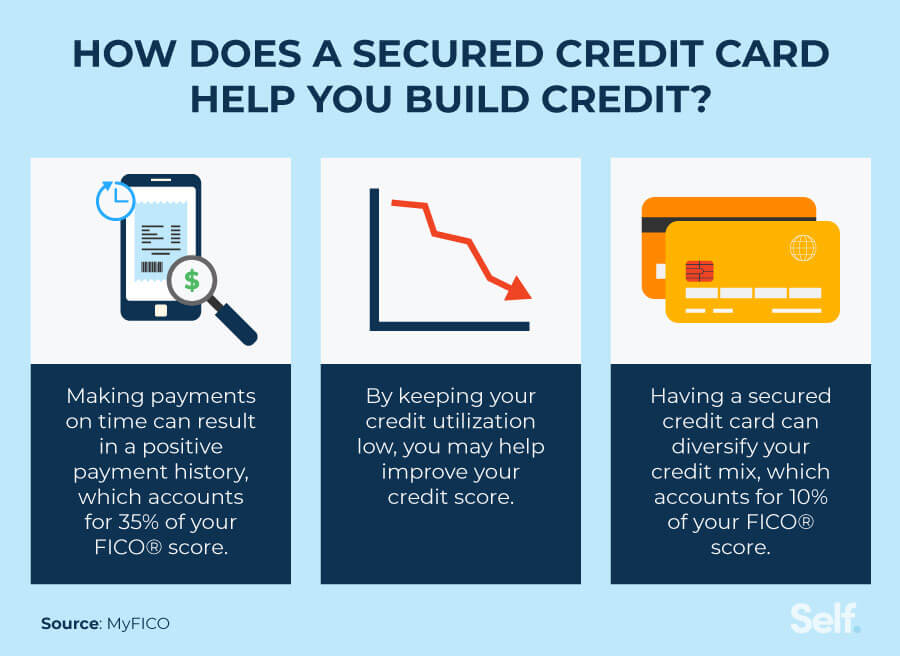
Credit utilization—the amount of credit you are using compared to your total limit—is the second most important factor in credit scoring. For a secured card with a $300 limit, spending $200 puts your utilization at 66%, which can actually hurt your credit score. Experts recommend keeping utilization below 30%, and ideally below 10%. On a $300 limit, this means never carrying a balance higher than $30 to $90.
The Power of On-Time Payments
Payment history accounts for roughly 35% of your FICO score. In the realm of secured credit, a single late payment can negate months of progress. Setting up automatic payments for at least the minimum amount due is a fail-safe way to ensure you never miss a deadline. Consistency over six to twelve months is usually the “magic window” where lenders begin to see a significant improvement in your creditworthiness.
Transitioning to Unsecured Credit Products
The ultimate goal of secured credit is “graduation.” Many issuers review secured accounts periodically (often every 6 to 12 months). If you have demonstrated responsible use, the issuer may refund your security deposit and convert your account into a standard unsecured credit card. This is the ideal outcome, as it allows you to keep the age of the account (benefiting your score) while reclaiming your initial capital.
Pitfalls to Avoid When Navigating the Secured Credit Landscape
While secured credit is a powerful tool, it is not without its risks. Not all secured products are created equal, and some can be predatory.
Hidden Fees and High Annual Percentage Rates (APRs)
Some issuers target vulnerable consumers by offering secured cards with high annual fees, application fees, or “monthly maintenance” fees. These costs can quickly eat away at your financial progress. Before applying, it is vital to read the “Schumer Box”—the standardized table of rates and fees—to ensure you aren’t paying more for the card than the benefit it provides.
Failing to Vet the Financial Institution
The most critical requirement for a secured credit product is that the lender reports to the three major credit bureaus. Some “buy-here-pay-here” establishments or small-scale lenders may offer secured loans but do not report the data. If the activity isn’t reported, it won’t help your credit score. Always confirm that the institution reports to Equifax, Experian, and TransUnion before committing your collateral.
In conclusion, secured credit is a fundamental pillar of personal finance for anyone looking to build a solid economic foundation. By leveraging collateral to gain access to the credit reporting system, individuals can systematically improve their credit scores, learn the nuances of debt management, and eventually unlock the doors to the broader world of unsecured finance. When used with discipline and strategic intent, secured credit is not just a loan—it is an investment in one’s future financial freedom.
aViewFromTheCave is a participant in the Amazon Services LLC Associates Program, an affiliate advertising program designed to provide a means for sites to earn advertising fees by advertising and linking to Amazon.com. Amazon, the Amazon logo, AmazonSupply, and the AmazonSupply logo are trademarks of Amazon.com, Inc. or its affiliates. As an Amazon Associate we earn affiliate commissions from qualifying purchases.